

Rare Disease Drugs in China: 6 Innovative Medicines Approved in H1 2026 and Their Indications
In the first half of 2026, the field of rare disease drugs in China continued to see new regulatory approvals, including six innovative medicines.
DengYueMed reviews these medicines based on their approval dates, primary indications, and mechanisms of action to help readers understand the latest developments in rare disease medicines in China.
Overview of Rare Disease Drugs in China Approved in H1 2026
| Drug Name | Approval Date | Marketing Authorization Holder | Primary Indication | Mechanism of Action |
|---|---|---|---|---|
| Plozasiran Sodium Injection | January 7, 2026 | Arrowhead Pharmaceuticals, Inc. | Familial chylomicronemia syndrome (FCS) | APOC3-targeting siRNA |
| Rovadicitinib Tablets | February 28, 2026 | Chia Tai Tianqing Pharmaceutical Group Co., Ltd. | Myelofibrosis (MF) | Dual JAK/ROCK inhibition |
| Bezacitinib Tablets | April 30, 2026 | Hangzhou Bangshun Pharmaceutical Co., Ltd. | Myelofibrosis (MF) | Selective JAK2 inhibition |
| Nipocalimab Injection | May 21, 2026 | Janssen-Cilag International NV | Generalized myasthenia gravis (gMG) | FcRn antibody |
| Bemiltenase Alfa for Injection | June 4, 2026 | Jiangsu BioJeTay Biotechnology Co., Ltd. | Hemophilia A/B with inhibitors | Coagulation factor X activation |
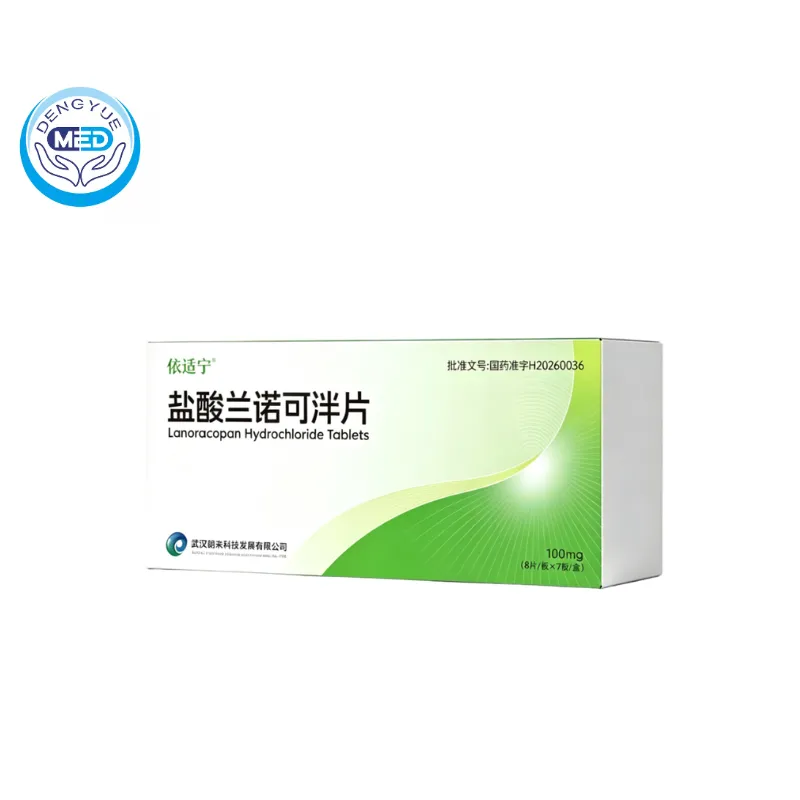
| Lanoracopan Hydrochloride Tablets | June 11, 2026 | Wuhan Createrna Science and Technology Co., Ltd. | Paroxysmal nocturnal hemoglobinuria (PNH) | Complement factor B inhibition |
The medicines listed above are representative innovative medicines related to rare diseases approved in China during the first half of 2026. They do not represent a complete list of all rare-disease indications or new drug approvals during this period.
1. Plozasiran Sodium Injection: An APOC3-Targeting Innovative Medicine for FCS
Drug Name: Plozasiran Sodium Injection (Redemplo®/瑞达普®)
Approval Date: January 7, 2026
Marketing Authorization Holder: Arrowhead Pharmaceuticals, Inc.
Primary Indication: Adult patients with familial chylomicronemia syndrome (FCS)
The medicine is indicated, in addition to dietary control, to reduce triglyceride levels in adult patients with FCS.
Plozasiran sodium is an siRNA medicine targeting apolipoprotein C-III (APOC3) mRNA. By reducing APOC3 expression, it helps regulate triglyceride-rich lipoprotein metabolism. FCS is a rare inherited lipid disorder characterized by severe hypertriglyceridemia.
The approval highlights the application of RNA interference technology in rare metabolic diseases and provides a new therapeutic option for FCS within the landscape of rare disease drugs in China.

2. Rovadicitinib Tablets: A Novel JAK/ROCK Inhibitor for Myelofibrosis
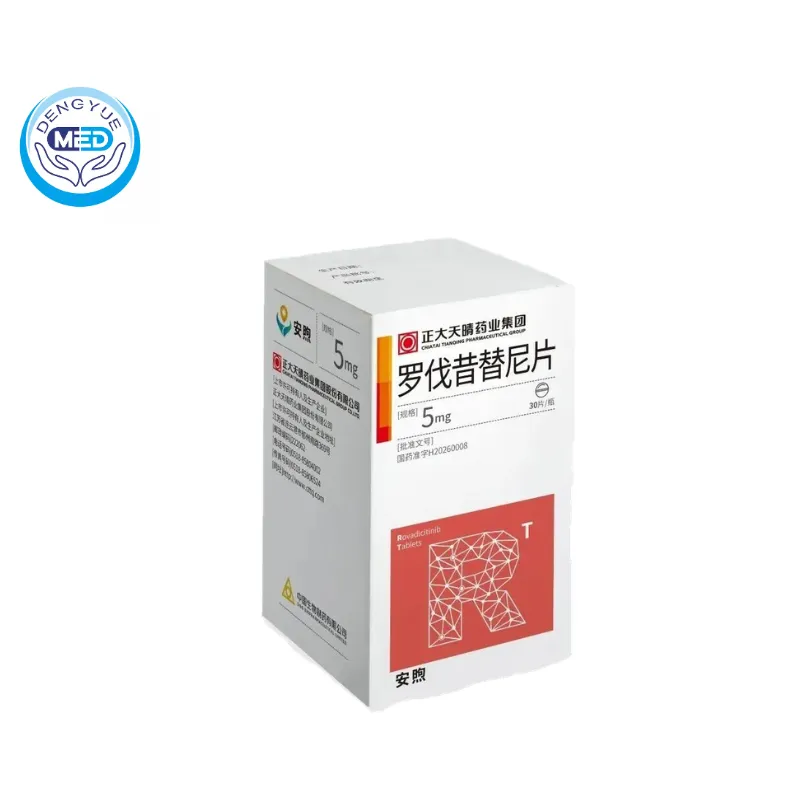
Drug Name: Rovadicitinib Tablets (Anxu®/安煦®)
Approval Date: February 28, 2026
Marketing Authorization Holder: Chia Tai Tianqing Pharmaceutical Group Co., Ltd.
Primary Indication: Adult patients with intermediate-2 or high-risk myelofibrosis
Rovadicitinib is indicated as first-line treatment for adult patients with intermediate-2 or high-risk primary myelofibrosis (PMF), post-polycythemia vera myelofibrosis (PPV-MF), or post-essential thrombocythemia myelofibrosis (PET-MF), primarily for disease-related splenomegaly or disease-related symptoms.
Rovadicitinib is characterized by its dual activity against the JAK and ROCK signaling pathways. The JAK pathway is associated with abnormal cellular signaling in myeloproliferative neoplasms, while the ROCK pathway is involved in cytoskeletal regulation and fibrotic processes.
Its approval represents an important development in rare disease drug approvals in China, particularly in the field of myelofibrosis and targeted therapies for hematological diseases.
3. Bezacitinib Tablets: A Myelofibrosis Medicine Targeting the JAK2 Pathway
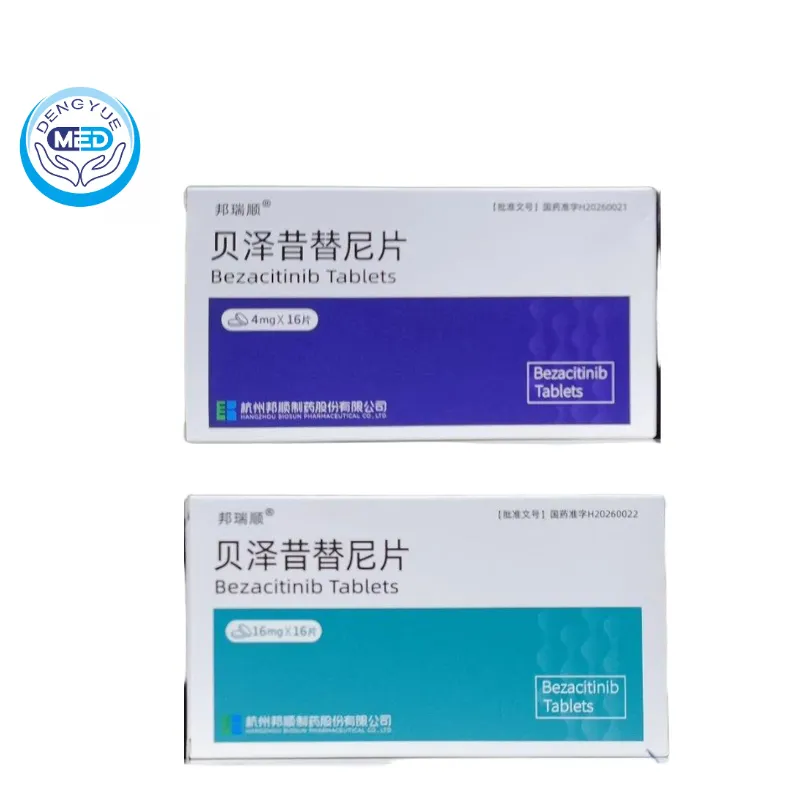
Drug Name: Bezacitinib Tablets (Bangruishun®/邦瑞顺®)
Approval Date: April 30, 2026
Marketing Authorization Holder: Hangzhou Bangshun Pharmaceutical Co., Ltd.
Primary Indication: Adult patients with intermediate-2 or high-risk myelofibrosis
The medicine is indicated as first-line treatment for adult patients with intermediate-2 or high-risk PMF, post-polycythemia vera myelofibrosis, or post-essential thrombocythemia myelofibrosis, for the treatment of disease-related splenomegaly or improvement of disease-related symptoms.
Bezacitinib primarily targets the JAK2 signaling pathway. Abnormal activation of JAK2 is an important molecular mechanism involved in the development and progression of myeloproliferative neoplasms, making JAK2 an important target in the development of medicines for myelofibrosis.
Like rovadicitinib, bezacitinib expands innovative treatment options for myelofibrosis and reflects continued development of targeted therapies for rare hematological diseases. It also adds to the growing landscape of innovative rare disease medicines in China.
4. Nipocalimab Injection: FcRn-Targeted Treatment for Generalized Myasthenia Gravis
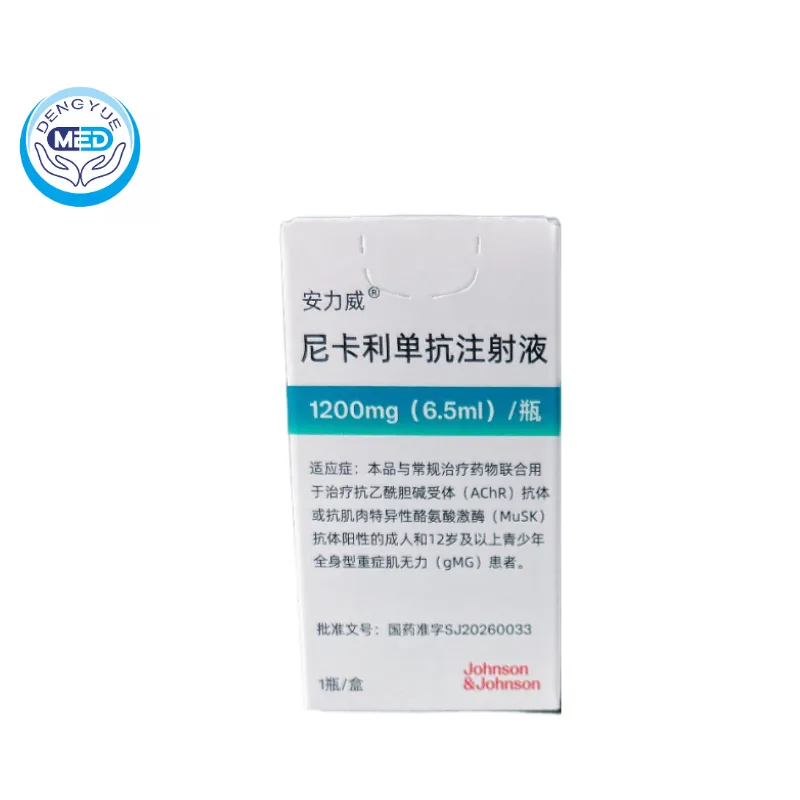
Drug Name: Nipocalimab Injection (Anliwei®/安力威®)
Approval Date: May 21, 2026
Marketing Authorization Holder: Janssen-Cilag International NV
Primary Indication: Generalized myasthenia gravis (gMG) in patients positive for AChR or MuSK antibodies
Nipocalimab, in combination with conventional treatment, is indicated for adult and adolescent patients aged 12 years and older with generalized myasthenia gravis (gMG) who are positive for acetylcholine receptor (AChR) antibodies or muscle-specific tyrosine kinase (MuSK) antibodies.
Nipocalimab is a monoclonal antibody targeting the neonatal Fc receptor (FcRn). FcRn plays a role in the circulation and maintenance of IgG antibodies, while autoantibodies are an important component of the disease mechanism of myasthenia gravis.
FcRn has become an important target for antibody-mediated diseases. Nipocalimab’s approval in China expands targeted treatment options for myasthenia gravis and contributes to the development of rare disease treatments in China.
5. Bemiltenase Alfa for Injection: A Therapy for Hemophilia A/B with Inhibitors
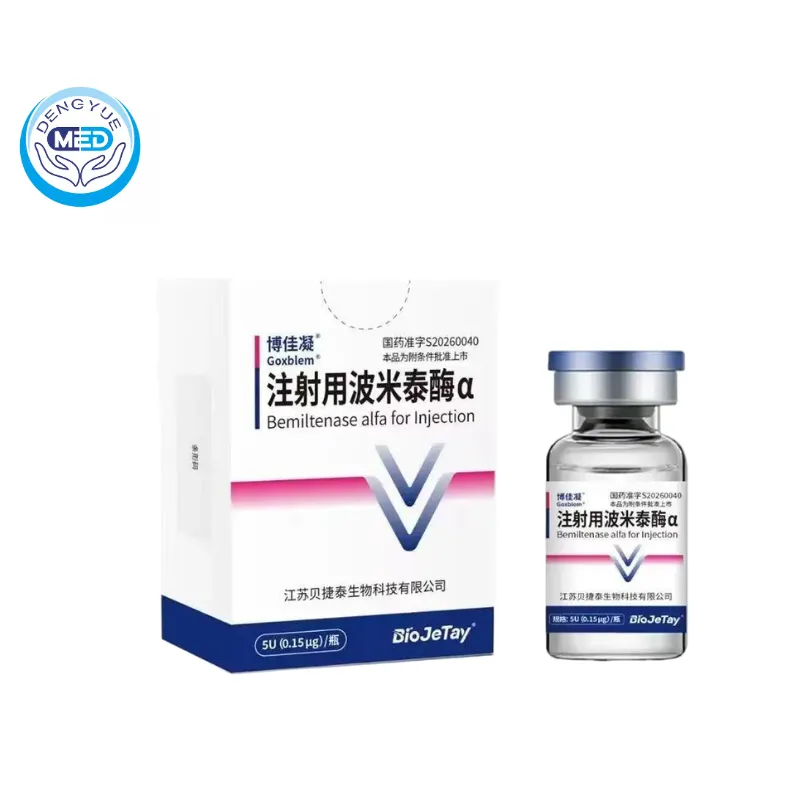
Drug Name: Bemiltenase Alfa for Injection (Goxblem®/博佳凝®)
Approval Date: June 4, 2026
Marketing Authorization Holder: Jiangsu BioJeTay Biotechnology Co., Ltd.
Primary Indication: Adult patients with congenital hemophilia A/B who have inhibitors against coagulation factor VIII or IX
The development strategy of bemiltenase alfa differs from conventional coagulation factor replacement therapy. It primarily works by activating coagulation factor X, allowing the coagulation process to bypass certain upstream steps affected by inhibitors.
For patients with high-titer coagulation factor inhibitors, achieving effective hemostasis has long been an important challenge in clinical management.
The approval of bemiltenase alfa reflects continued research into non-traditional coagulation pathway interventions for hemophilia and represents another development in rare disease drugs in China.
6. Lanoracopan Hydrochloride Tablets: Complement-Targeted Treatment for PNH
Drug Name: Lanoracopan Hydrochloride Tablets (Yishining®/依适宁®)
Approval Date: June 11, 2026
Marketing Authorization Holder: Wuhan Createrna Science and Technology Co., Ltd.
Primary Indication: Adult patients with paroxysmal nocturnal hemoglobinuria (PNH) who have not previously received complement inhibitor treatment
PNH is an acquired hematopoietic stem cell disorder in which abnormal activation of the complement system can lead to red blood cell destruction. Lanoracopan primarily targets complement factor B (CFB) and is a complement pathway-targeted medicine.
Its approval further expands complement-targeted treatment options for PNH and reflects the continued development of complement inhibitors in rare hematological diseases.
It is also part of the broader progress in rare disease drugs in China, particularly for diseases involving dysregulated complement pathways.
Conclusion
The first half of 2026 saw continued progress in rare disease drugs in China. From FCS and myelofibrosis to myasthenia gravis, hemophilia, and PNH, these medicines reflect advances in China’s rare disease drug research and innovation.
As more innovative mechanisms and targeted therapies enter clinical development and the market, the development of rare disease medicines in China will remain an area of interest for global pharmaceutical stakeholders.
As a China pharmaceutical exporter, DengYueMed monitors innovative rare disease medicines and pharmaceutical developments in China, supporting global partners through China pharmacy resources and pharmaceutical supply-chain capabilities.
FAQ about Rare Disease Drugs in China
What are rare disease drugs in China?
Rare disease drugs in China are medicines developed or approved to treat conditions that affect relatively small patient populations, including FCS, myelofibrosis, gMG, hemophilia, and PNH.
Which rare disease drugs were approved in China in H1 2026?
The medicines include plozasiran sodium, rovadicitinib, bezacitinib, nipocalimab, bemiltenase alfa, and lanoracopan, covering FCS, myelofibrosis, gMG, hemophilia A/B, and PNH.
What are the main types of rare disease medicines approved in China?
Recent approvals include siRNA therapies, JAK/ROCK and JAK2 inhibitors, FcRn-targeting antibodies, coagulation pathway therapies, and complement inhibitors.
What rare disease treatments are available in China?
Rare disease treatments in China include targeted therapies and innovative medicines addressing metabolic, hematological, neuromuscular, and complement-related diseases.
Where can I find information about rare disease drugs in China?
DengYueMed provides information and supply-chain support for international partners exploring China’s rare disease medicines, pharmaceutical resources, and market developments.