

The World’s Second CFB Inhibitor Lanoracopan Approved by NMPA: China-Developed PNH Therapy Marks a Breakthrough
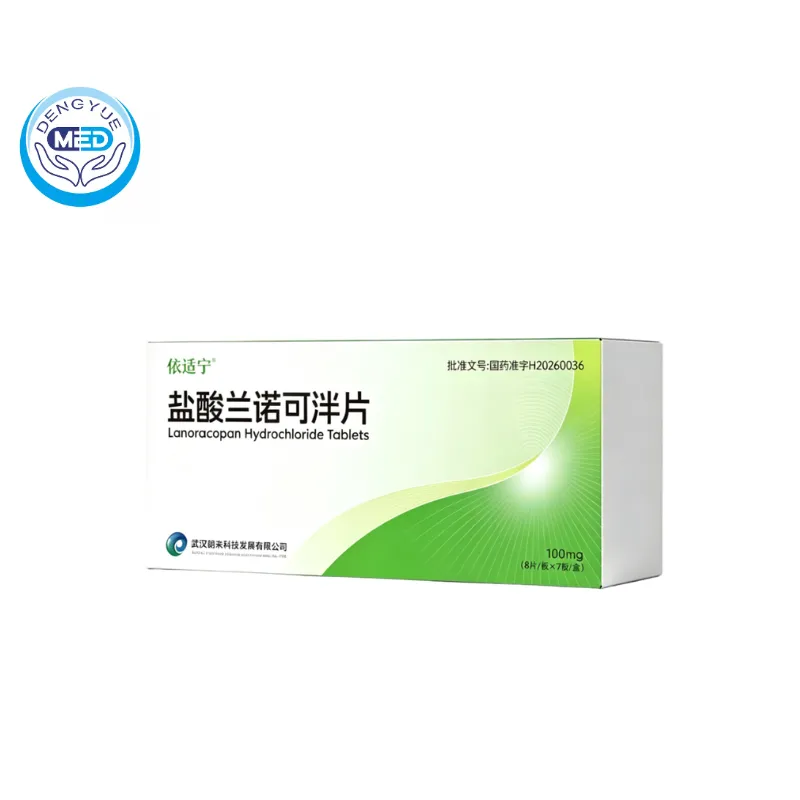
On June 11, China’s National Medical Products Administration (NMPA) officially approved Wuhan Createrna Science and Technology’s self-developed lanoracopan hydrochloride tablets (Yishining®) for the treatment of adult patients with paroxysmal nocturnal hemoglobinuria (PNH) who have not previously received complement inhibitor therapy.
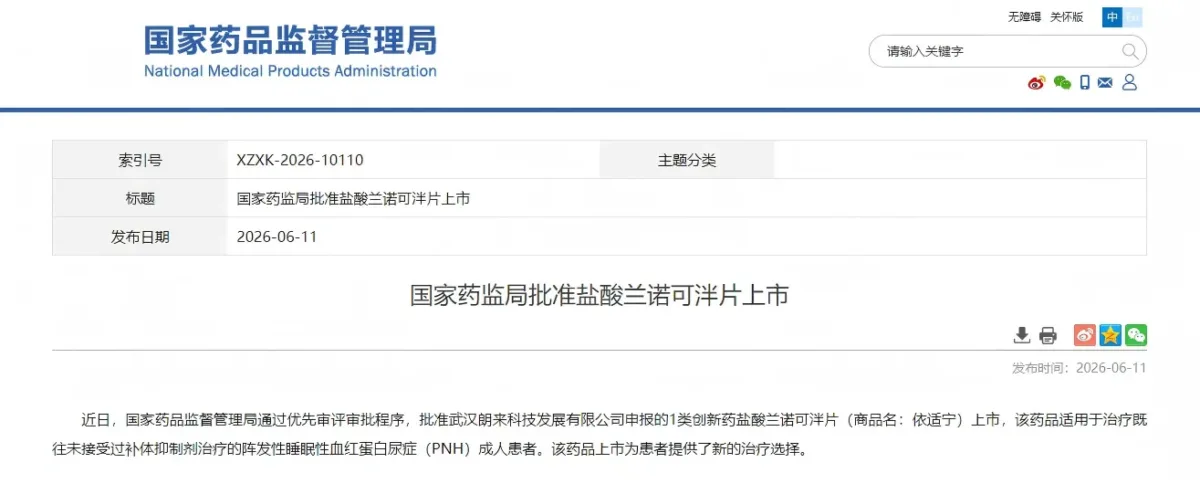
✨ The approval of the world’s second CFB inhibitor Lanoracopan approved by NMPA not only marks the launch of China’s first self-developed CFB inhibitor, but also highlights China’s growing position in the global complement disease innovation landscape.
Against this backdrop, Chinese pharmaceutical wholesaler DengYueMed reviews the mechanism, clinical studies, and therapeutic significance of Lanoracopan hydrochloride alongside recent industry developments.
Paroxysmal Nocturnal Hemoglobinuria (PNH): A Rare but Serious Complement-Mediated Disease
Paroxysmal nocturnal hemoglobinuria (PNH) is a rare, chronic, and life-threatening hematologic disorder caused by abnormal activation of the complement system, leading to continuous destruction of red blood cells.
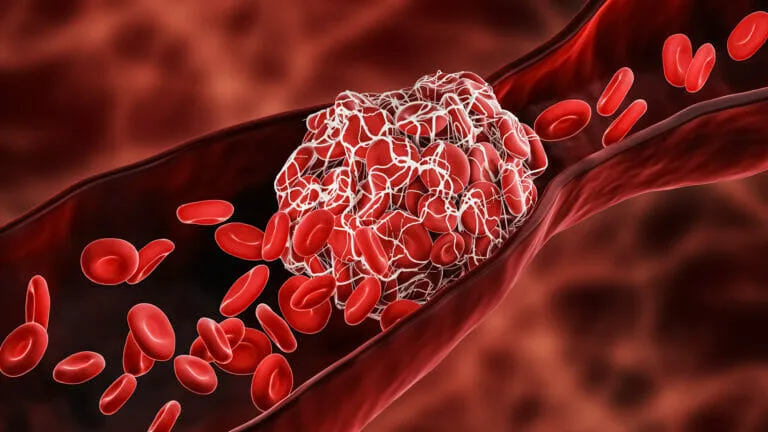
Common symptoms of PNH include: 🔽
- Chronic hemolysis
- Severe anemia
- Hemoglobinuria
- Fatigue and weakness
- Increased risk of thrombosis
- Dependence on blood transfusions
For many years, complement inhibitors have been a major treatment strategy for PNH.
C5 inhibitors such as Eculizumab significantly changed the treatment landscape, but some patients still experience inadequate response and residual hemolysis, driving interest toward upstream complement pathway targets.
What Is a CFB Inhibitor? Mechanism of Lanoracopan Explained
Lanoracopan belongs to the class of Complement Factor B (CFB) inhibitors.
CFB is a key protein in the alternative complement pathway and plays a critical role in the complement cascade. When the complement system becomes abnormally activated, it continuously attacks the patient’s own red blood cells, resulting in hemolysis.
🎯 Lanoracopan works by binding to CFB and blocking activation of the alternative complement pathway, thereby suppressing hemolysis at its source.
Compared with traditional C5 inhibitors, CFB inhibitors may offer several potential advantages.
✅ Upstream Complement Regulation
Because CFB functions upstream in the alternative pathway, CFB inhibition may provide broader control over complement activation.
✅ Improved Control of Residual Hemolysis
Some patients treated with C5 inhibitors still experience anemia and require blood transfusions. CFB inhibition may further improve hemoglobin levels and disease control.
✅ Advantages of Oral Administration
Lanoracopan hydrochloride is an oral small-molecule therapy. Compared with intravenous infusion treatments, oral administration may improve long-term treatment convenience for patients.
Phase III Clinical Results: Multiple Endpoints Superior to Eculizumab
According to data released by Createrna, lanoracopan hydrochloride has completed two Phase III clinical studies.
MY008211A-PNH-3-02 Study
This study evaluated MY008211A versus Eculizumab in treatment-naïve PNH patients who had not previously received complement inhibitor therapy.
Results showed:
- 50.0% of patients in the MY008211A group achieved normal hemoglobin levels (Hb ≥120 g/L)
- Only 9.1% of patients in the Eculizumab group reached the same endpoint
- MY008211A demonstrated superior performance in anemia improvement, hemolysis control, and reduction of transfusion dependence
- Patients also experienced improved quality of life
The clinical success of the world’s second CFB inhibitor Lanoracopan approved by NMPA further strengthens confidence in upstream complement pathway inhibition strategies.
Phase III Study in Patients With Inadequate Response to C5 Antibodies
Another Phase III study focused on PNH patients with inadequate response to prior C5 antibody therapy, evaluating the safety and efficacy of MY008211A.
This research is particularly important because some patients continue to face challenges after conventional complement treatment, including:
- Poor hemoglobin recovery
- Persistent fatigue
- Dependence on blood transfusions
- Residual hemolysis
Lanoracopan hydrochloride may provide a new therapeutic option for these patients.
Clinical Significance of China-Developed CFB Inhibitor Lanoracopan Approved by NMPA
The approval of Lanoracopan hydrochloride represents more than the launch of a single drug. It also reflects the advancement of China’s complement drug innovation capabilities.
Its clinical significance includes several key aspects.
1️⃣ China’s First Self-Developed CFB Inhibitor
Before this approval, Novartis’ Iptacopan was the only approved CFB inhibitor globally. The world’s second CFB inhibitor Lanoracopan approved by NMPA has now become both the second approved CFB inhibitor worldwide and the first approved China-developed CFB inhibitor.
2️⃣ Improved Accessibility for PNH Patients
Imported complement therapies are often associated with high treatment costs. Domestic innovative therapies may help improve long-term treatment accessibility for patients in China.
3️⃣ Accelerating China’s Complement Drug Development
As the complement therapeutics field gains momentum, Chinese pharmaceutical companies are rapidly expanding their pipelines, including:
- Haisco’s HSK39297
- Hengrui Pharma’s HRS-5965
- Multiple C3, C5, and CFB-targeted therapies
China may become one of the world’s key innovation centers for complement therapeutics in the future.
Global CFB Inhibitor Competition: A Rapidly Expanding Market
The global CFB inhibitor market remains at an early stage, with Iptacopan previously serving as the only approved therapy in this category.
Iptacopan was first approved in 2023. Its global sales reached US$129 million in 2024 and increased by 291% year-over-year to US$505 million in 2025, demonstrating strong market demand.

In China, Iptacopan received approval in 2024. The approval of the world’s second CFB inhibitor Lanoracopan approved by NMPA further establishes China’s role in complement therapeutic innovation.
Beyond PNH, CFB inhibitors are also being investigated for several additional diseases, including: 👇
- IgA nephropathy
- C3 glomerulopathy
- Lupus nephritis
- Age-related macular degeneration
- Complement-mediated kidney diseases
Createrna is currently exploring the therapeutic potential of Lanoracopan in these diseases as well.
As complement biology research continues to advance, CFB inhibitors may become an important therapeutic platform in immunology and nephrology.
Conclusion: China’s Innovative Drug Industry Is Gaining Global Attention
In recent years, China has achieved continuous breakthroughs in oncology, autoimmune diseases, rare diseases, and complement-mediated disorders.
🐱🏍 From PD-1 therapies and ADCs to CAR-T, bispecific antibodies, and now CFB inhibitors, Chinese pharmaceutical companies are steadily building global innovation competitiveness.
The approval of the world’s second CFB inhibitor Lanoracopan approved by NMPA highlights China’s growing influence in the global rare disease and complement therapeutics landscape.
HongKong DengYue Medicine continues to follow developments in innovative therapies and industry trends, tracking global progress in oncology and rare disease treatment while focusing on pharmaceutical information and supply chain-related sectors.
FAQ about CFB Inhibitor Lanoracopan Approved by NMPA
What is a factor B inhibitor?
A factor B inhibitor blocks complement factor B (CFB) to reduce abnormal complement activation and hemolysis in diseases such as PNH.
How do you know if you have PNH?
PNH symptoms may include fatigue, anemia, dark urine, shortness of breath, and blood clots. Diagnosis usually requires blood tests such as flow cytometry to detect abnormal blood cells.
What are the advantages of CFB inhibitors in PNH treatment?
CFB inhibitors target the upstream alternative complement pathway and may provide improved control of hemolysis, anemia, and transfusion dependence in PNH patients.
Are there new drugs for PNH?
Yes. New complement-targeted therapies for PNH are continuing to emerge, including C5 inhibitors and newer upstream treatments such as CFB inhibitors like Lanoracopan.