

What Ovarian Cancer Drugs Are Available in China? Drug List and Clinical Uses
Ovarian cancer drugs in China mainly include five categories: PARP inhibitors, anti-angiogenic therapies, antibody-drug conjugates (ADCs), PD-1 immunotherapy, and chemotherapy, covering first-line treatment, maintenance therapy, recurrent disease, and platinum-resistant ovarian cancer.
Ovarian cancer is one of the deadliest gynecologic malignancies worldwide. Because early symptoms are often subtle and non-specific, approximately 70% of patients are diagnosed at an advanced stage.
In recent years, the approval of PARP inhibitors, anti-angiogenic agents, ADCs, and immunotherapies has significantly expanded ovarian cancer treatment in China, moving clinical practice from conventional chemotherapy toward precision medicine.
This guide from DengYueMed summarizes what ovarian cancer drugs are available in China, distinguishes NMPA-approved therapies from guideline-recommended but unapproved options, and provides healthcare professionals, patients, and international partners with an overview of the latest treatment landscape.
What Ovarian Cancer Drugs Are Available in China?
| Drug Class | Representative Drugs | Clinical Uses |
|---|---|---|
| PARP Inhibitors | Olaparib, Niraparib, Fluzoparib, Pamiparib, Senaparib | First-line maintenance, recurrent disease maintenance, BRCA-mutated ovarian cancer |
| Anti-Angiogenic Therapy | Bevacizumab, Suvemcitug | Initial treatment, platinum-sensitive recurrence, platinum-resistant recurrence |
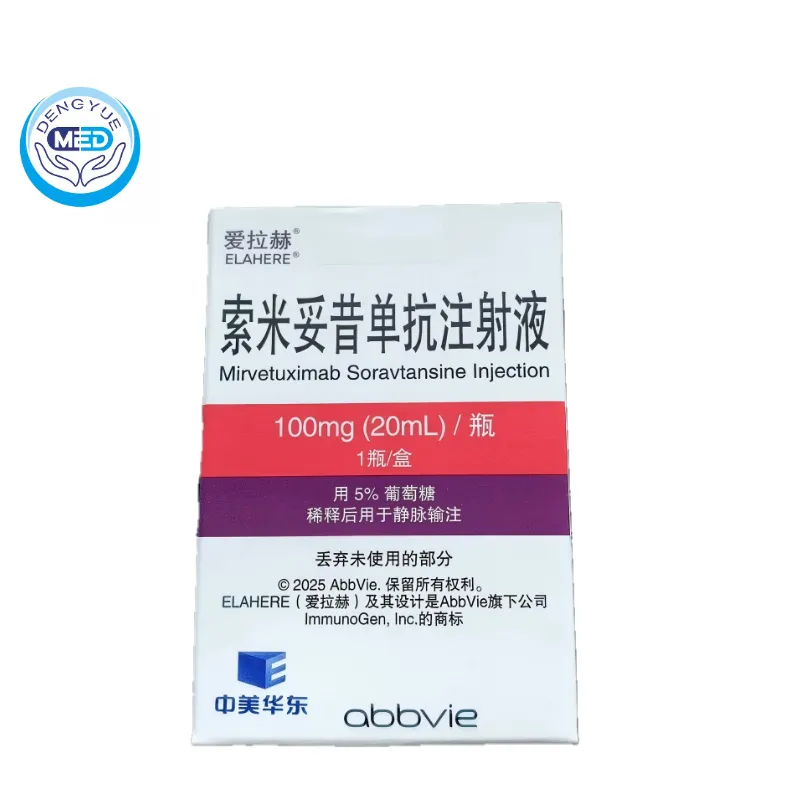
| ADC Therapy | Mirvetuximab Soravtansine | FRα-positive platinum-resistant ovarian cancer |
| PD-1 Immunotherapy | Pembrolizumab | PD-L1-positive platinum-resistant ovarian cancer |
| Chemotherapy | Carboplatin, Cisplatin, Paclitaxel, Pegylated Liposomal Doxorubicin, etc. | Standard first-line and recurrent treatment |
Drug name translated according to the commonly used English naming. Please refer to the latest NMPA-approved prescribing information for the official international nonproprietary name if applicable.
1. PARP Inhibitors: The Foundation of Maintenance Therapy
PARP inhibitors work through the concept of synthetic lethality and have become one of the most important targeted therapies for advanced ovarian cancer.
As of July 2026, five PARP inhibitors have received ovarian cancer indications in China, making them a cornerstone of maintenance therapy after platinum-based chemotherapy.
1. Olaparib
- First-line maintenance therapy in patients with BRCA-mutated advanced ovarian cancer.
- First-line maintenance therapy in combination with Bevacizumab for HRD-positive advanced ovarian cancer.
- Maintenance treatment for platinum-sensitive recurrent ovarian cancer.
It remains one of the most widely used targeted therapies among ovarian cancer drugs available in China.
2. Niraparib
- Eligible patients receiving first-line maintenance therapy after platinum-based chemotherapy.
- Maintenance treatment for platinum-sensitive recurrent ovarian cancer.
The approved patient population should always follow the latest NMPA prescribing information.
3. Fluzoparib
Developed in China, Fluzoparib is one of the country’s original PARP inhibitors.
Its approved indications include:
- First-line maintenance therapy for advanced ovarian cancer.
- Maintenance treatment for platinum-sensitive recurrent ovarian cancer.
- Later-line treatment for patients with BRCA-mutated ovarian cancer.
4. Pamiparib
Pamiparib is indicated for patients with:
- Recurrent advanced ovarian cancer, fallopian tube cancer, or primary peritoneal cancer.
- Germline BRCA mutations.
- Previous treatment with two or more lines of chemotherapy.
Unlike several other PARP inhibitors, Pamiparib is approved for later-line treatment rather than maintenance therapy.
5. Senaparib
Senaparib is approved as single-agent first-line maintenance therapy for patients with advanced ovarian cancer, fallopian tube cancer, or primary peritoneal cancer who achieve complete or partial response following platinum-based chemotherapy.
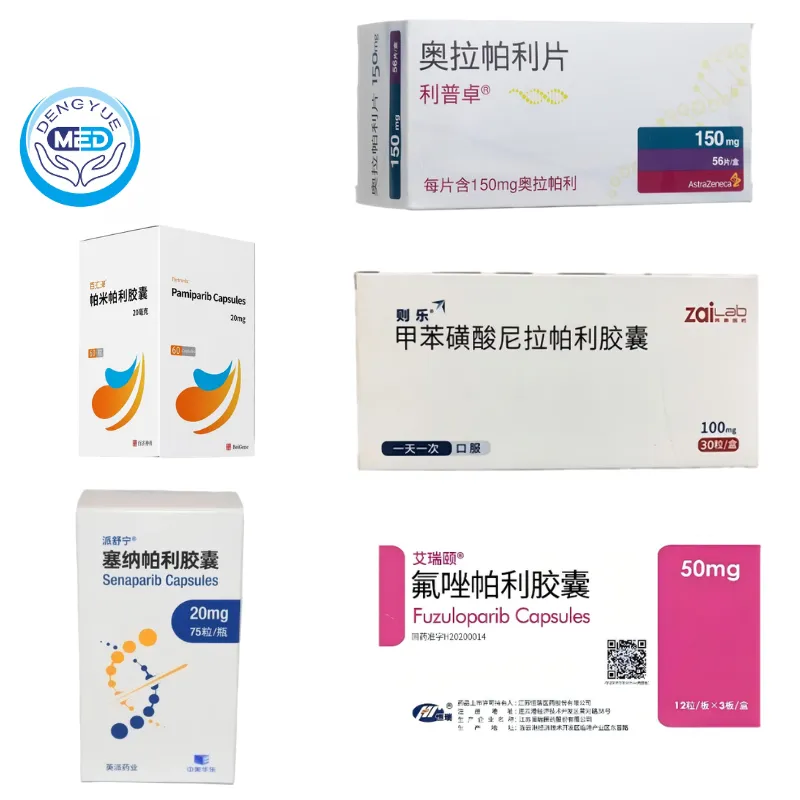
When considering what ovarian cancer drugs are available in China, PARP inhibitors are among the most important targeted therapies. Their approved indications cover first-line maintenance and platinum-sensitive recurrence, making them a cornerstone of ovarian cancer treatment.
2. Anti-Angiogenic Therapy: From Initial Treatment to Recurrence
Anti-angiogenic therapy inhibits tumor blood vessel formation by targeting the VEGF signaling pathway. These agents play an important role throughout the treatment journey, from newly diagnosed disease to recurrent ovarian cancer.
Currently, two anti-angiogenic drugs have received official ovarian cancer indications in China.
Bevacizumab
Bevacizumab is the most widely used anti-angiogenic therapy among ovarian cancer drugs in China.
It is approved for:
- Combination with platinum-based chemotherapy for FIGO stage III/IV newly diagnosed ovarian cancer.
- Platinum-sensitive recurrent ovarian cancer.
- Platinum-resistant recurrent ovarian cancer.
Suvemcitug
Approved in 2025, Suvemcitug is a China-developed anti-angiogenic therapy for platinum-resistant ovarian cancer, used in combination with chemotherapy after no more than one prior line of systemic therapy.
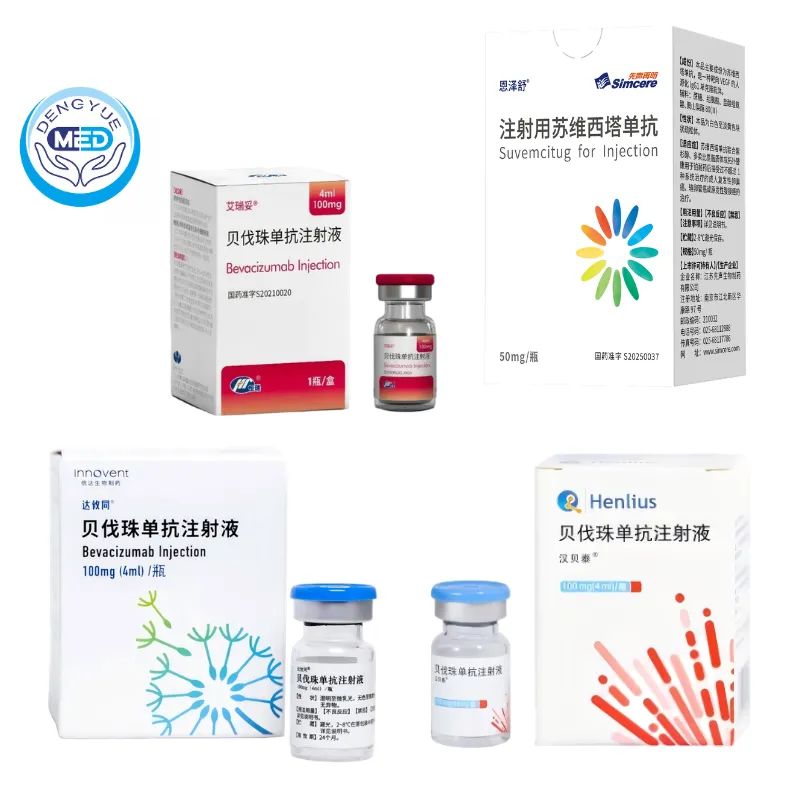
✨ Anti-angiogenic therapies are an important part of the answer to “What Ovarian Cancer Drugs Are Available in China?” They are approved for both first-line and recurrent ovarian cancer treatment.
3. ADC Therapy: A Breakthrough for FRα-Positive Ovarian Cancer
Mirvetuximab Soravtansine is currently the first and only FRα-targeted antibody-drug conjugate (ADC) approved for ovarian cancer in China.
It is indicated for patients with:
- FRα-high expression (≥75%)
- Platinum-resistant epithelial ovarian cancer
- Fallopian tube cancer
- Primary peritoneal cancer
- One to three prior systemic treatment regimens
The phase III MIRASOL trial demonstrated improved overall survival compared with conventional chemotherapy, making Mirvetuximab Soravtansine an important precision therapy for patients with FRα-positive platinum-resistant ovarian cancer.
4. Immunotherapy: The First PD-1 Therapy Approved Specifically for Ovarian Cancer
In 2026, Pembrolizumab became the first PD-1 inhibitor to receive an ovarian cancer-specific indication in China, representing an important milestone for immunotherapy in ovarian cancer.
The approved indication is:
- Pembrolizumab in combination with nab-paclitaxel, with or without Bevacizumab, for adults with PD-L1 CPS ≥1 platinum-resistant recurrent ovarian cancer who have previously received one or two lines of therapy.
In addition, Pembrolizumab and Dostarlimab may also be used for selected patients with MSI-H/dMMR solid tumors under their tumor-agnostic approvals, although these are not ovarian cancer-specific indications.

5. Chemotherapy Remains the Backbone of Treatment
Although targeted therapies continue to expand, chemotherapy remains the foundation of ovarian cancer treatment in China, particularly for newly diagnosed and recurrent disease.
Commonly used chemotherapy agents include: 🔽
- Platinum agents: Carboplatin, Cisplatin (Oxaliplatin may be considered in selected recurrent cases)
- Taxanes: Paclitaxel, Docetaxel
- Anthracyclines: Pegylated Liposomal Doxorubicin
- Other agents: Gemcitabine, Topotecan, Cyclophosphamide, Ifosfamide, Irinotecan, Pemetrexed, Vinorelbine, and others.
Guideline-Recommended Drugs Without NMPA Ovarian Cancer Indications
Some therapies are already marketed in China and are recommended by domestic or international clinical guidelines for selected ovarian cancer subtypes or molecular profiles. However, they have not yet received NMPA-approved ovarian cancer indications.
| Drug Class | Representative Drugs | Clinical Uses |
|---|---|---|
| Hormonal Therapy | Letrozole, Anastrozole, Fulvestrant, Tamoxifen | Mainly used for low-grade serous ovarian cancer |
| MEK Inhibitors | Trametinib, Binimetinib | KRAS-related low-grade serous ovarian cancer |
| Tumor-Agnostic Targeted Therapy | Dabrafenib + Trametinib, Larotrectinib, Entrectinib, Selpercatinib, Trastuzumab Deruxtecan, etc. | Selected according to BRAF, NTRK, RET, HER2 and other actionable biomarkers |
These therapies are generally prescribed based on molecular profiling, international guidelines, or off-label clinical practice. Treatment decisions should always be made by experienced oncology specialists after a comprehensive evaluation.
Conclusion
Today, the answer to “What Ovarian Cancer Drugs Are Available in China?” includes chemotherapy, PARP inhibitors, anti-angiogenic therapies, ADCs, and PD-1 immunotherapy.
Each therapy has specific indications and biomarker requirements. BRCA, HRD, FRα, and PD-L1 testing helps guide personalized treatment under the care of a multidisciplinary gynecologic oncology team (MDT).
📩 As a Chinese pharmaceutical wholesaler, DengYueMed follows the latest innovative drug approvals and shares updates on treatment advances and industry trends. We are committed to improving the global accessibility of innovative Chinese medicines.
FAQ about What Ovarian Cancer Drugs Are Available in China
What ovarian cancer drugs are available in China?
China currently offers five main categories of ovarian cancer drugs, including PARP inhibitors, anti-angiogenic therapies, ADCs, PD-1 immunotherapy, and chemotherapy, covering first-line, maintenance, recurrent, and platinum-resistant treatment.
What is the latest drug for ovarian cancer?
One of the latest ovarian cancer drugs approved in China is mirvetuximab soravtansine, an FRα-targeted ADC for eligible patients with platinum-resistant, FRα-positive ovarian cancer.
What are the most commonly used PARP inhibitors for ovarian cancer in China?
The main PARP inhibitors available in China include olaparib, niraparib, fluzoparib, pamiparib, and senaparib, with approved indications varying by BRCA/HRD status and treatment stage.
Do all ovarian cancer drugs in China require biomarker testing?
No. However, BRCA, HRD, FRα, and PD-L1 testing is recommended for many targeted therapies to help determine the most appropriate treatment.
How is ovarian cancer treatment selected in China?
Treatment depends on the stage of disease, platinum sensitivity, biomarker status, previous therapies, and overall patient condition, with individualized plans developed by a multidisciplinary team (MDT).