
.webp "mabthera rituximab")
Mabthera (Rituximab) – NHL/CLL | HongKong DengYue Medicine
- Generic Name/Brand Name: Rituximab/Mabthera
- Indications: NHL, DLBCL, CLL, RA, GPA, MPA
- Dosage Form: Subcutaneous (SC) injection
- Specification: 100 mg/10 mL × 1 vial; 500 mg/50 mL × 1 vial
Mabthera Rituximab Application Scope
MabThera is indicated for the treatment of various CD20-positive B-cell malignancies and certain B-cell–mediated inflammatory diseases, including follicular lymphoma, diffuse large B-cell lymphoma (DLBCL), chronic lymphocytic leukemia (CLL), rheumatoid arthritis (RA), granulomatosis with polyangiitis (GPA) and microscopic polyangiitis (MPA), and pemphigus vulgaris (where licensed). Indications and age groups vary by region and local approvals.
-300x300.webp "Mabthera (Rituximab) - NHL/CLL | HongKong DengYue Medicine 2")
Mabthera Rituximab Characteristics
-
Ingredients: Rituximab
-
Properties: A sterile, clear, colorless, preservative-free liquid concentrate for intravenous infusion
-
Packaging Specification: Typically supplied as a concentrate in glass vials. Common available strengths are 100 mg/10 mL and 500 mg/50 mL
-
Storage: Store refrigerated at 2°C–8°C (36°F–46°F). Do not freeze
-
Expiry Date: See expiry date printed on the carton/vial
-
Executive Standard: Approved and regulated by relevant health authorities
-
Approval Number: Varies by country and region. Please refer to the specific packaging
-
Date of Revision: Information is subject to updates. Refer to the latest official prescribing information
-
Manufacturer: Roche
Guidelines for the Use of Mabthera Rituximab
-
Dosage and Administration:
-
Recommended Dose:
The dosage varies significantly depending on the condition being treated.
-
NHL: 375 mg/m² body surface area.
-
CLL: 500 mg/m² body surface area (in combination regimens).
-
RA: Two 1000 mg infusions, two weeks apart.
-
GPA/MPA: One 375 mg/m² infusion per week for four weeks.
-
-
Administration: For intravenous infusion only. Must be diluted in a sodium chloride or dextrose solution before administration. The first infusion should be administered at a slow initial rate (e.g., 50 mg/h), which can be gradually increased. Subsequent infusions can be administered at a faster rate.
-
Missed Dose: Consult the treating physician immediately. The course of treatment may need to be adjusted.
-
-
Adverse Reactions:
-
Common Adverse Reactions: Infusion-related reactions (fever, chills, rigors, nausea, headache, bronchospasm, angioedema), infections, asthenia, abdominal pain, lymphopenia, leukopenia, thrombocytopenia.
-
Serious Adverse Reactions: Severe infusion reactions (potentially fatal), severe skin reactions (e.g., Stevens-Johnson syndrome), hepatitis B virus reactivation (potentially leading to fulminant hepatitis and death), progressive multifocal leukoencephalopathy (PML), serious infections, cardiac arrhythmias, tumor lysis syndrome, bowel obstruction and perforation.
-
-
Contraindications:
-
Patients with a known severe hypersensitivity (e.g., anaphylaxis) to rituximab, any murine proteins, or to any of the excipients.
-
Patients with a severe, active infection.
-
Patients with severe heart failure (NYHA class IV) or severe, uncontrolled cardiac disease.
-
-
Precautions:
-
Infusion Reactions: Can be severe and fatal. Premedication with an antihistamine and antipyretic (e.g., paracetamol/acetaminophen) is mandatory. Corticosteroids are often included in the premedication regimen. Patients should be closely monitored during infusion.
-
Hepatitis B Virus (HBV) Reactivation: Fulminant hepatitis, liver failure, and death can occur. Screen all patients for HBV infection before initiation. Monitor carriers closely during and for several months after treatment. Antiviral prophylaxis is often required.
-
Infections: Serious, including fatal, bacterial, fungal, and new or reactivated viral infections can occur. Do not administer to patients with an active, serious infection.
-
Progressive Multifocal Leukoencephalopathy (PML): A rare, often fatal brain infection caused by the JC virus has been reported. Monitor for neurological symptoms.
-
Vaccinations: Do not administer live virus vaccines before or during treatment. The ability to generate an immune response to vaccines may be impaired.
-
Mabthera Interactions
-
Concomitant Chemotherapy: Additive cytotoxic effects are intended but may also increase the risk of hematological toxicity.
-
Hypotensive Agents: May potentiate hypotension; antihypertensive medications may need to be withheld 12 hours prior to infusion.
-
Immunosuppressants: Concomitant use may increase the risk of infections.
-
Live Vaccines: Avoid concurrent use due to the risk of infection.
Note:
- If there is a new packaging for the drug, the new packaging shall prevail. The above information is sourced from DengYue Medicine.
- This content is for reference only. Prescription drugs must be used under a doctor’s guidance and purchased from authorized sources.
Related products
-

Vindesine Sulfate For Injection | Melanoma | HK DengYue
-
Polivy (Polatuzumab Vedotin-piiq) – DLBCL | DengYue Medicine
-
HICARA – r/r LBCL | HongKong DengYue Medicine
-
Monjuvi (Tafasitamab-Cxix) – Lymphoma|HongKong DengYue Medicine
-
Methotrexate 2.5mg Tablets | Cancer Chemotherapy
-
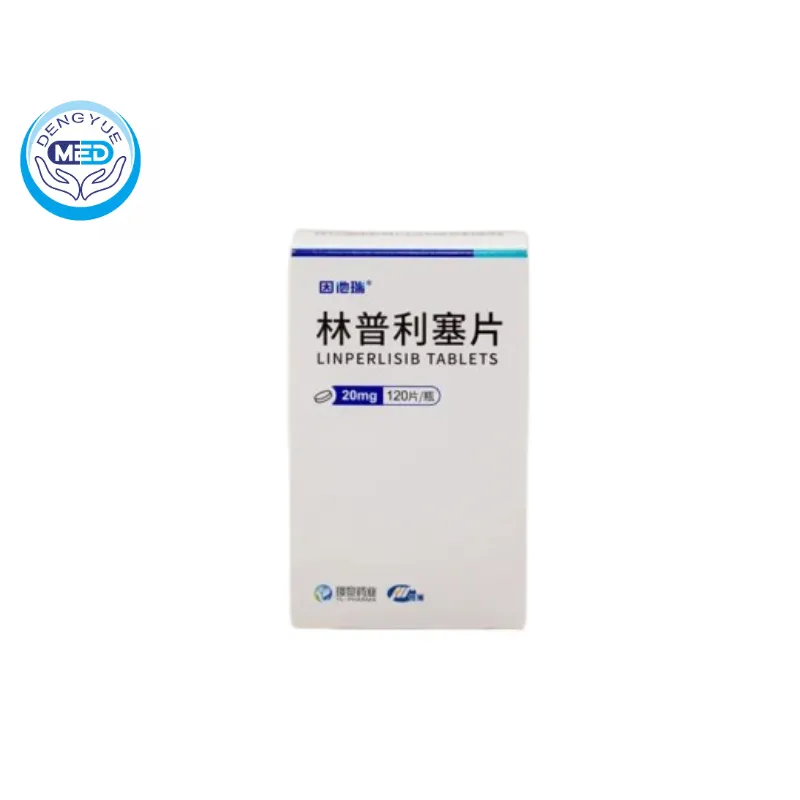
Yintarui (Linperlisib) – R/R FL | HongKong DengYue Medicine
-
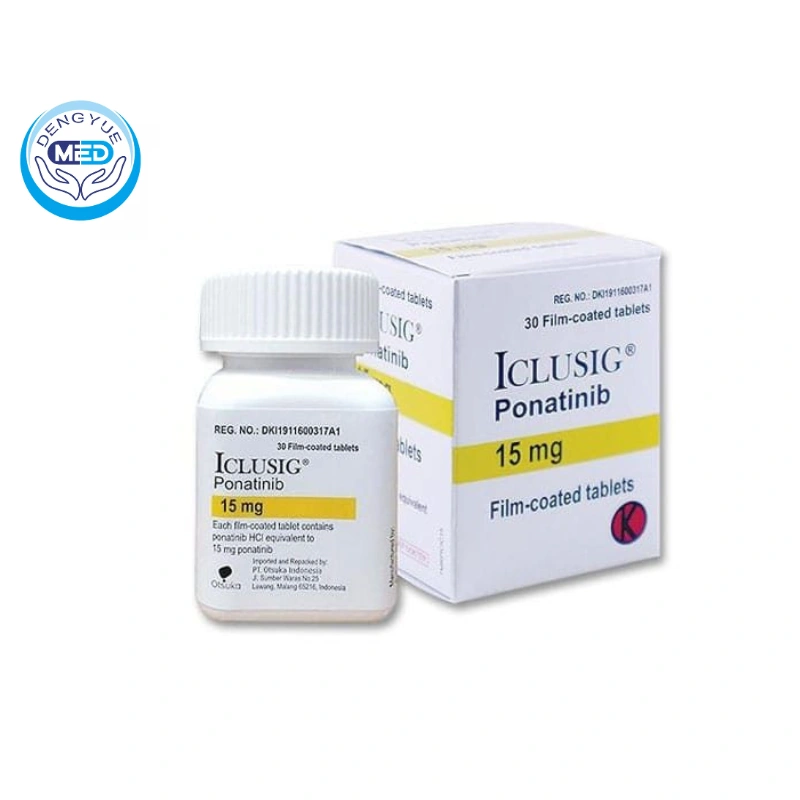
Ponatinib|Acute Lymphoblastic Leukemia|HongKong DengYue Medicine
-
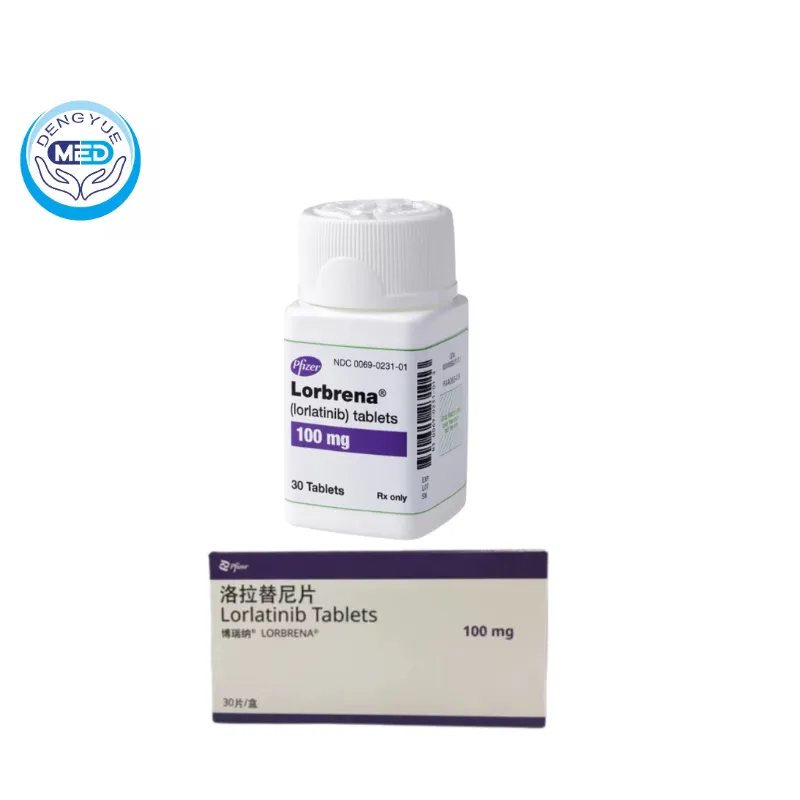
Lorbrena (Lorlatinib) – Lymphoma Kinase | HongKong DengYue Medicine

Reviews
There are no reviews yet.