
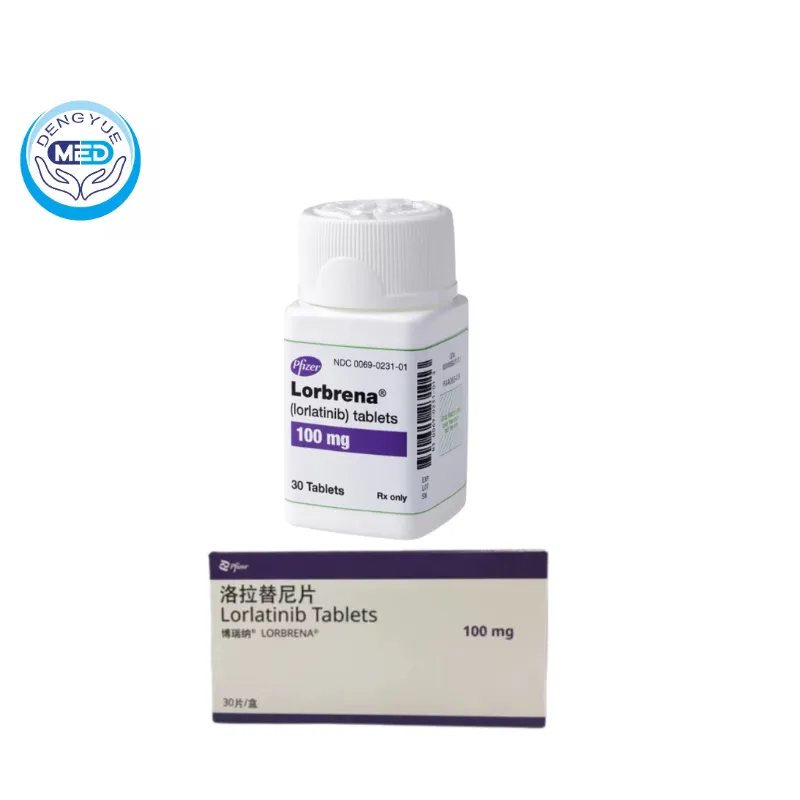
Lorbrena (Lorlatinib) – Lymphoma Kinase | HongKong DengYue Medicine
- Generic Name/Brand Name: Lorlatinib/Lorbrena
- Indications: Lymphoma Kinase
- Dosage Form: tablet
- Specification: 25 mg / 100 mg × 30 tablets
Lorlatinib Application Scope
Lorlatinib is a third-generation inhibitor of anaplastic lymphoma kinase (ALK) indicated for the treatment of patients with ALK-positive locally advanced or metastatic non-small cell lung cancer (NSCLC).
This drug may be used as an initial treatment option for patients with untreated ALK-positive NSCLC.
Lorlatinib Characteristics
Ingredients: Lorlatinib is the active ingredient.
Properties: Third-generation tyrosine kinase inhibitor that selectively targets anaplastic lymphoma kinase (ALK) and C-ros oncogene 1 (ROS1), effectively inhibiting tumor growth in ALK-positive and ROS1-positive non-small cell lung cancer (NSCLC).
Specification: Available in tablet form with strengths of 25 mg and 100 mg.
Packaging Specification: Tablets are packaged in bottles containing 30 tablets each.
Storage: Store at room temperature between 20°C to 25°C (68°F to 77°F); excursions permitted between 15°C to 30°C (59°F to 86°F).
Expiry Date: Refer to the packaging for the expiration date.
Executive Standard: Manufactured in compliance with current Good Manufacturing Practices (cGMP) and approved by regulatory authorities such as the FDA and EMA.
Approval Number: Refer to the specific regulatory approval number in your country.
Date of Revision: Check the prescribing information for the most recent revision date.
Manufacturer: Pfizer Inc.
Guidelines for the Use of Lorlatinib
Dosage and Administration:
Recommended Dosage: The standard dose is 100 mg taken orally once daily, with or without food, until disease progression or unacceptable toxicity occurs.
Dose Modifications: Dose adjustments may be necessary based on individual tolerance and adverse reactions. Consult the prescribing information for detailed guidelines.
Adverse Reactions:
Common adverse reactions include edema, peripheral neuropathy, weight gain, cognitive effects, fatigue, dyspnea, arthralgia, diarrhea, mood effects, hypercholesterolemia, hypertriglyceridemia, and cough.
Serious adverse reactions may occur. Patients should be monitored regularly, and any severe or persistent symptoms should be reported to a healthcare provider.
Contraindications:
Hypersensitivity to lorlatinib or any of its excipients.
Concomitant use with strong CYP3A inducers, as this may reduce lorlatinib plasma concentrations and efficacy.
Precautions:
Monitor liver function tests and lipid levels before and during treatment.
Assess for central nervous system effects, including cognitive and mood changes.
Use effective contraception during treatment and for some time after the last dose, as lorlatinib may cause fetal harm.
Lorbrena Interactions
Drug Interactions:
Avoid concomitant use with strong CYP3A inducers (e.g., rifampin, carbamazepine) and strong CYP3A inhibitors (e.g., ketoconazole, clarithromycin), as they can significantly alter lorlatinib plasma concentrations.
May affect the plasma concentrations of other drugs metabolized by CYP3A; dose adjustments may be necessary.
Note:
- If there is a new packaging for the drug, the new packaging shall prevail. The above information is sourced from DengYue Medicine.
- It is only for internal discussion among medical staff and does not serve as a basis for medication. For specific medication guidelines, please consult the attending physician.
Related products

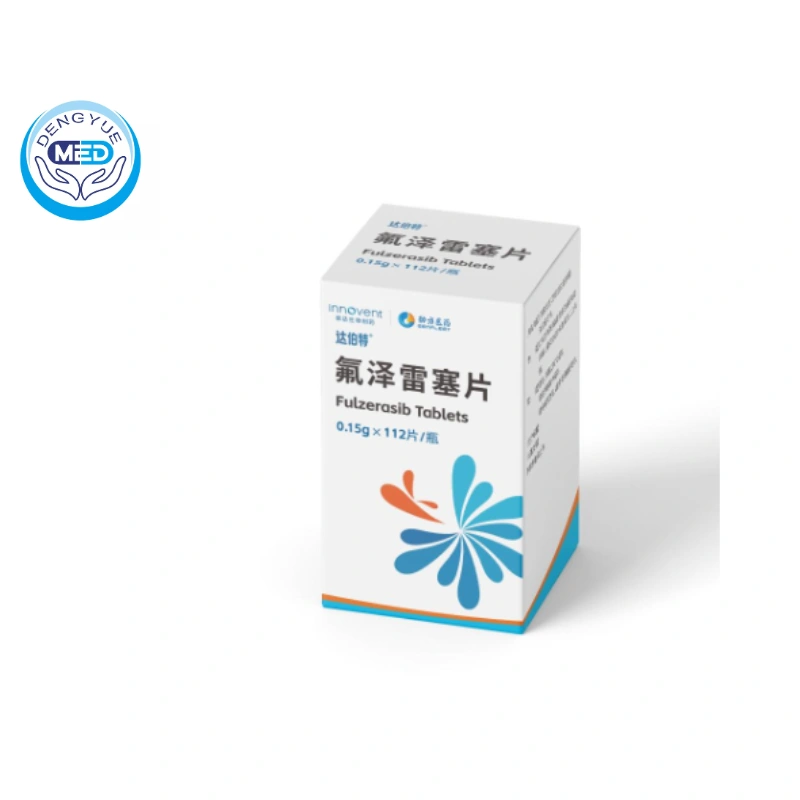
Fulzerasib|Non-Small Cell Lung Cancer (NSCLC)|HongKong DengYue Medicine
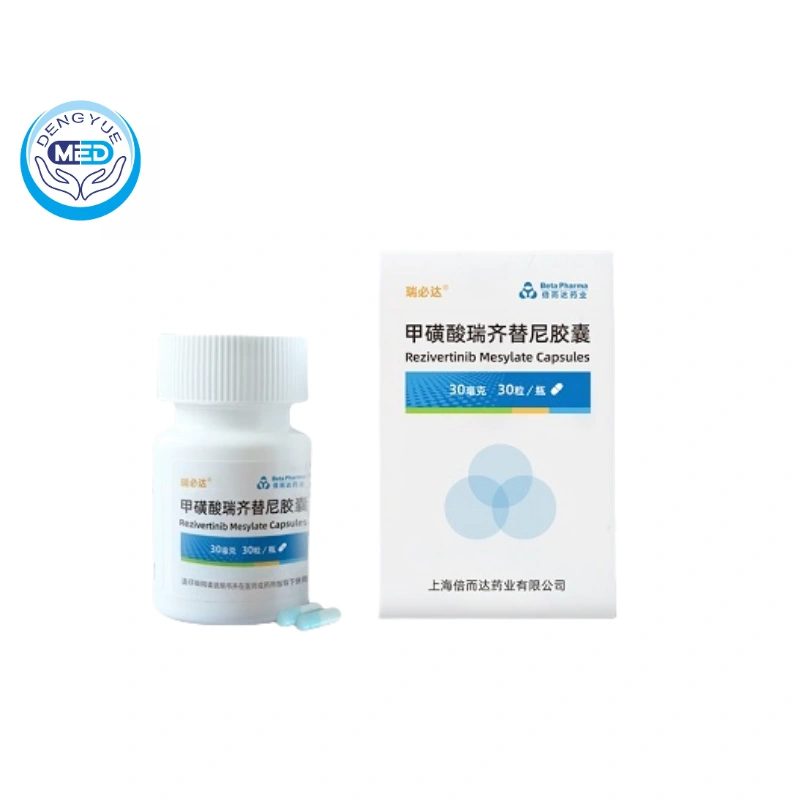
Rezivertinib Mesylate Capsules|Non-Small Cell Lung Cancer (NSCLC)
Tetrandrine Tablets | Anti Rheumatism | Lung Cancer
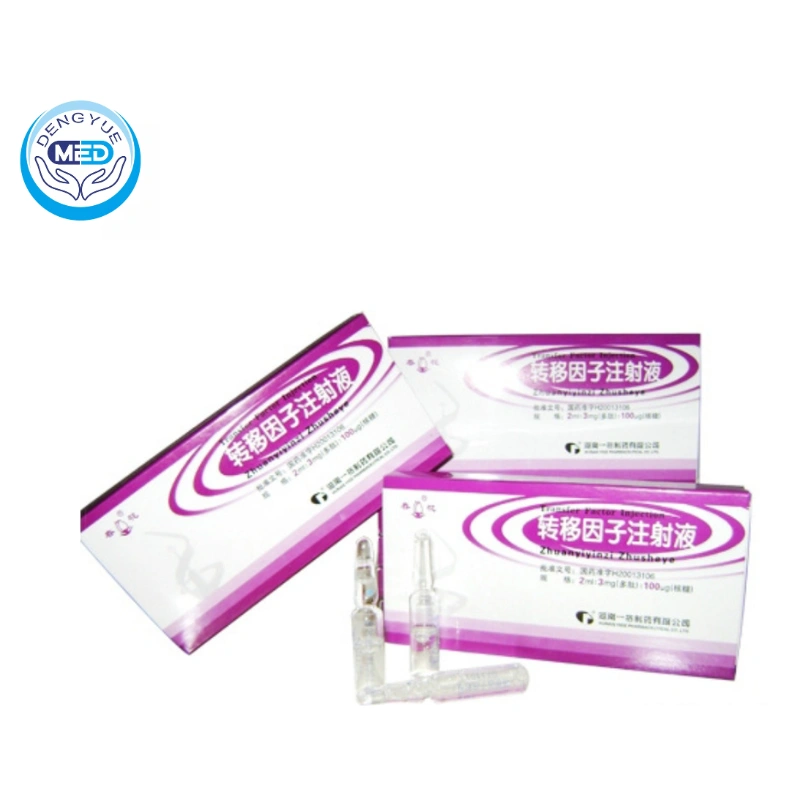
Transfer Factor Injection | Other Tumors | HK DengYueMed
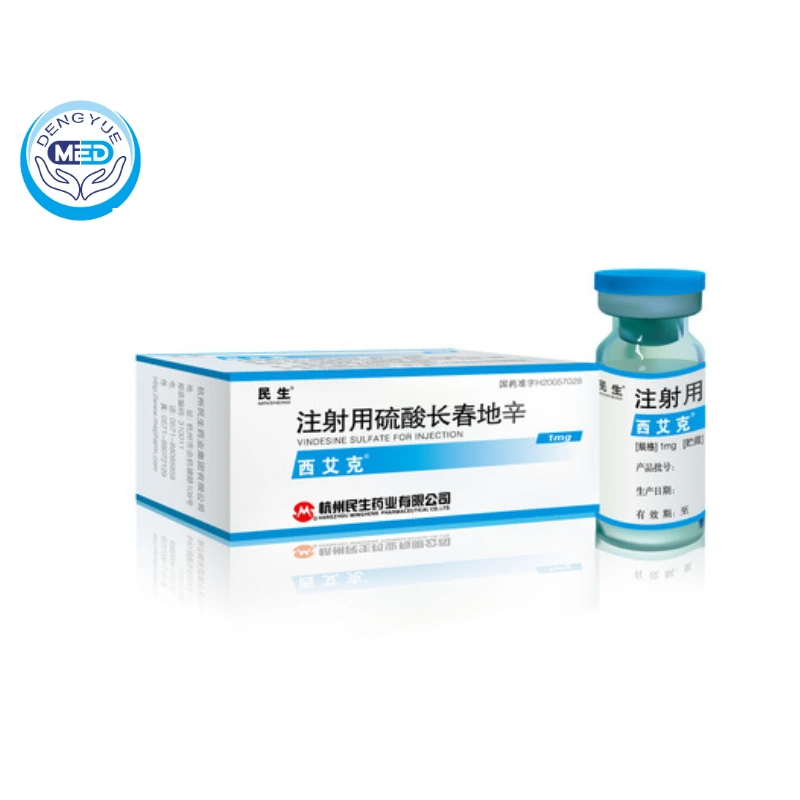
Vindesine Sulfate For Injection | Melanoma | HK DengYue
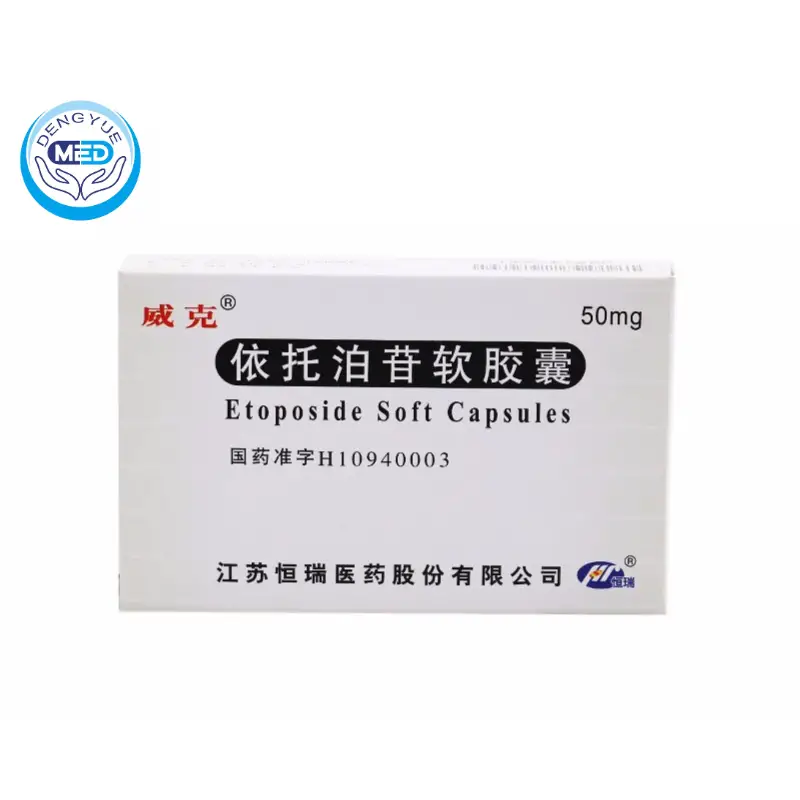
Etoposide Soft Capsules | Ovarian Cancer | China Medicine Wholesaler
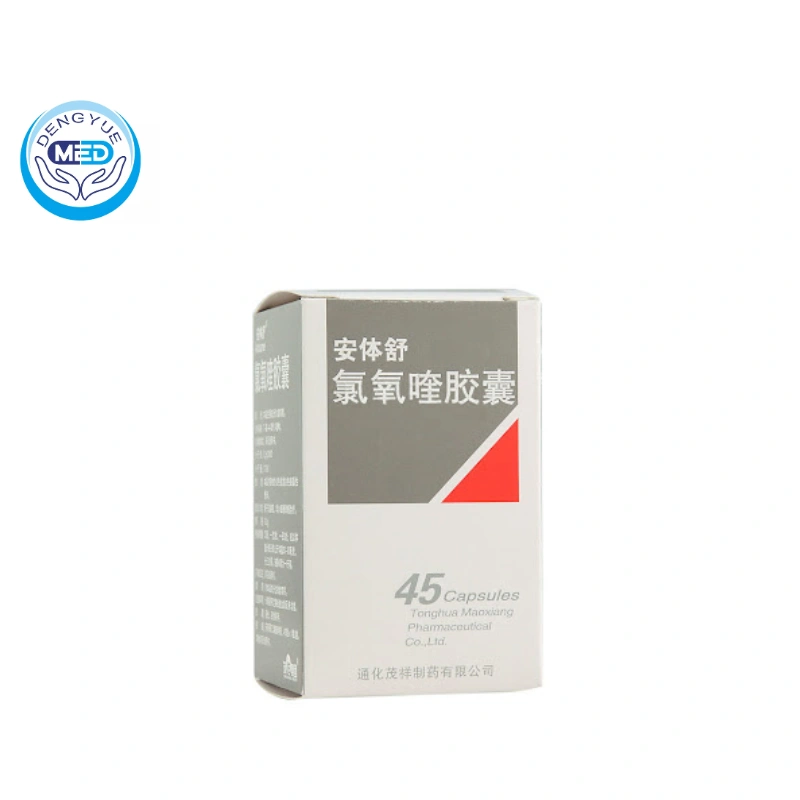
Chloroxoquinoline Capsules | Lung Cancer
Yidafang (Ivonescimab) – NSCLC | HongKong DengYue Medicine

Reviews
There are no reviews yet.