The First Approved ADC for Esophageal Squamous Cell Carcinoma (ESCC): How Izalontamab Brengitecan Is Transforming Treatment
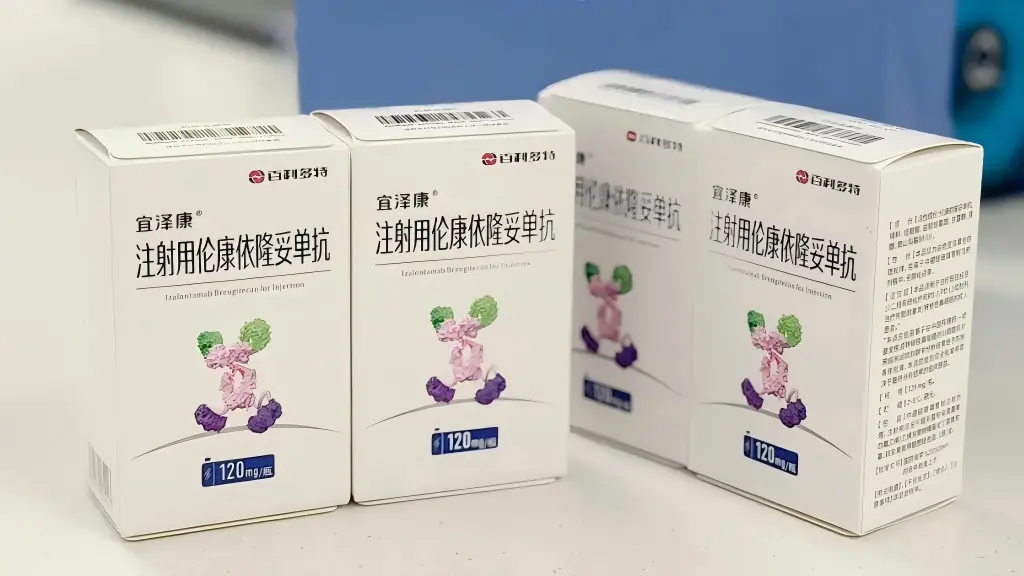
Izalontamab Brengitecan is the first approved ADC for esophageal squamous cell carcinoma (ESCC) worldwide. It is also the world’s first approved EGFR×HER3 bispecific antibody-drug conjugate (ADC), independently developed by Chinese biopharmaceutical company Biokin Pharmaceutical.
On July 16, 2026, NMPA approved a new indication for Izalontamab Brengitecan for the treatment of recurrent or metastatic esophageal squamous cell carcinoma (ESCC) in patients whose disease has progressed after PD-1/PD-L1 inhibitor plus platinum-based chemotherapy.
Hong Kong-based DengYueMed introduces the first approved ADC for esophageal squamous cell carcinoma, highlighting its clinical trial results, approved indications, and future development to help readers better understand this important milestone in ESCC treatment.
What Is Esophageal Squamous Cell Carcinoma (ESCC)?
Esophageal cancer is mainly classified into two pathological subtypes:
- Esophageal squamous cell carcinoma (ESCC)
- Esophageal adenocarcinoma (EAC)
Esophageal adenocarcinoma is more common in Western countries, while esophageal squamous cell carcinoma (ESCC) remains the predominant subtype in China, Japan, and many other Asian countries.

According to GLOBOCAN 2022, China reports approximately 224,000 new cases of esophageal cancer each year, accounting for around 43.8% of global cases, and also records the highest number of esophageal cancer-related deaths worldwide.
More than 90% of esophageal cancer patients in China have ESCC, making esophageal squamous cell carcinoma treatment a major focus of oncology research.
Common risk factors for ESCC include: 🔽
- Long-term smoking
- Heavy alcohol consumption
- Frequent intake of very hot foods or beverages
- Nutritional deficiencies
- Certain regional dietary and lifestyle habits
Because early-stage ESCC often causes few noticeable symptoms, many patients are diagnosed at an advanced stage when surgery is no longer feasible, making systemic therapy the primary treatment option.
Why Does Esophageal Squamous Cell Carcinoma Need New Treatment Options?
In recent years, immunotherapy has significantly improved the treatment landscape for advanced ESCC. Today, PD-1 inhibitors combined with platinum-based chemotherapy have become a standard first-line treatment for many patients with advanced disease.
However, despite these advances, many patients eventually develop resistance or experience disease progression.
For these patients, conventional second-line treatment mainly relies on chemotherapy, which offers limited clinical benefit, with relatively short progression-free survival (PFS) and overall survival (OS).
Consequently, developing new treatment strategies has become a major priority in esophageal squamous cell carcinoma treatment.
Against this background, antibody-drug conjugates (ADCs) have rapidly emerged as one of the most promising therapeutic approaches and have now led to the first approved ADC for esophageal squamous cell carcinoma.
What Is an ADC Drug?
An antibody-drug conjugate (ADC) is an innovative targeted therapy that combines the precision of monoclonal antibodies with the cancer-killing activity of cytotoxic drugs.
An ADC generally consists of three components:
- Monoclonal antibody: recognizes a specific target on tumor cells.
- Linker: securely connects the antibody to the payload and releases it under appropriate conditions.
- Cytotoxic payload: enters tumor cells and destroys them after release.
Compared with conventional chemotherapy, ADCs are designed to deliver highly potent drugs directly to cancer cells, aiming to improve anti-tumor efficacy while minimizing damage to healthy tissues.
In recent years, ADCs have achieved major breakthroughs in breast cancer, lung cancer, gastric cancer, and urothelial cancer treatment. Izalontamab Brengitecan is the first approved ADC for esophageal squamous cell carcinoma, marking a major milestone in ADC therapy.
What Makes Izalontamab Brengitecan Unique?
Izalontamab Brengitecan (BL-B01D1) is an EGFR×HER3 bispecific antibody-drug conjugate (ADC) independently developed by Biokin Pharmaceutical.
👉 Read our previous article: Izalontamab Brengitecan Approved in China.
As the world’s first approved bispecific ADC, it is also the first approved ADC for esophageal squamous cell carcinoma, representing a significant breakthrough in China’s innovative ADC research.
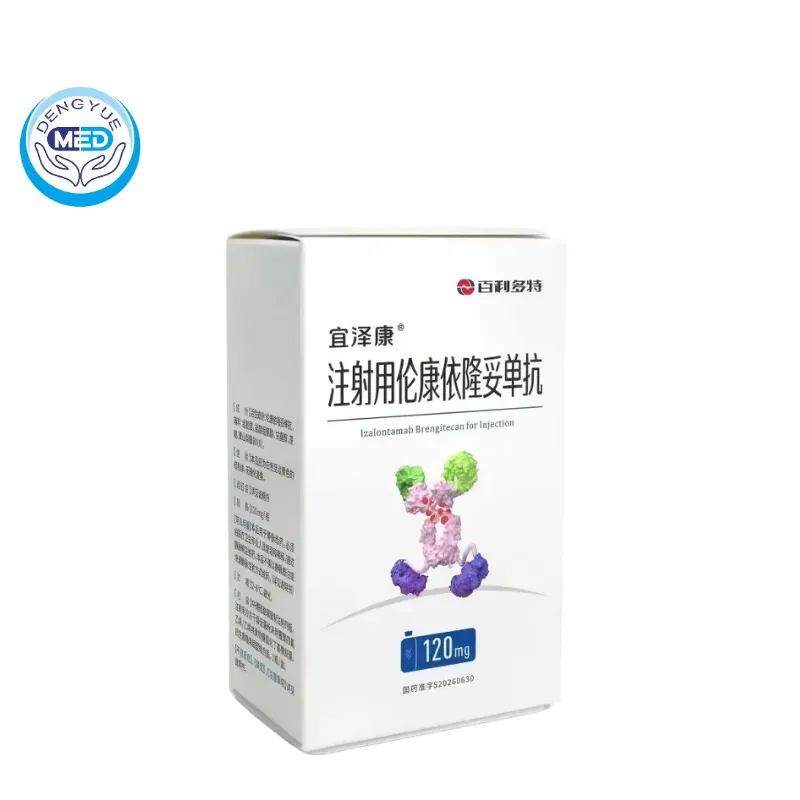
Izalontamab Brengitecan (BL-B01D1) Quick Facts
| Item | Information |
|---|---|
| Drug Name | Izalontamab Brengitecan |
| Development Code | BL-B01D1 |
| Developer | Biokin Pharmaceutical |
| First Approval | June 2026 (China) |
| Approved Indications | Nasopharyngeal carcinoma (June 2026); Esophageal squamous cell carcinoma (July 2026) |
| Drug Type | EGFR×HER3 bispecific antibody-drug conjugate (ADC) |
| Clinical Development | More than 40 multicenter clinical studies across multiple tumor types in China and the United States |
| Breakthrough Designations | Eight breakthrough therapy designations (7 from China’s CDE and 1 from the U.S. FDA) |
| Global Partnership | In 2023, Bristol Myers Squibb (BMS) signed an overseas licensing agreement with Biokin worth up to US$8.4 billion |
Phase III Clinical Trial Results: Improvements in PFS, OS, and ORR
The approval of Izalontamab Brengitecan for ESCC was primarily supported by the Phase III BL-B01D1-305 (PANKU-Esophagus01) trial.
The study enrolled 493 patients with recurrent or metastatic ESCC whose disease had progressed after PD-1/PD-L1 inhibitor plus platinum-based chemotherapy.
Patients received either Izalontamab Brengitecan or investigator’s choice chemotherapy.
The study reported the following outcomes:
| Endpoint | Izalontamab Brengitecan | Chemotherapy |
|---|---|---|
| Median PFS | 4.17 months | 1.97 months |
| Median OS | 9.79 months | 7.20 months |
| ORR | 35.3% | 13.1% |
| DCR | 74.3% | 45.5% |
The trial successfully met both primary endpoints of progression-free survival (PFS) and overall survival (OS), demonstrating meaningful clinical benefit in patients with recurrent or metastatic ESCC after failure of PD-1/PD-L1 inhibitor plus platinum-based chemotherapy.
In addition, the overall safety profile was considered manageable, with a relatively low rate of treatment discontinuation due to treatment-related adverse events.
Why Is the First Approved ADC for Esophageal Squamous Cell Carcinoma Important?
The approval of Izalontamab Brengitecan is significant for several reasons.
First, it represents the first approved ADC for esophageal squamous cell carcinoma, filling an important therapeutic gap in ESCC treatment.
Second, for patients whose disease progresses after first-line immunotherapy plus chemotherapy, this approval provides a valuable new treatment option.
Finally, the approval highlights the continued progress of China’s innovative ADC industry. From early research and international collaboration to multiple approved indications, Chinese-developed bispecific ADCs are increasingly entering the global oncology market.
What Comes Next?
Beyond its approved indications for nasopharyngeal carcinoma and esophageal squamous cell carcinoma, Izalontamab Brengitecan is also being developed for multiple additional cancers, including triple-negative breast cancer (TNBC).
At the same time, a Phase II/III first-line ESCC clinical trial is underway, evaluating the drug in combination with PD-1 inhibitors and chemotherapy.
If future studies show positive results, the drug could move into earlier lines of treatment, providing a new treatment option for more patients.
Clinical development is also continuing in several other tumor types, including:
- Non-small cell lung cancer (NSCLC)
- Small cell lung cancer (SCLC)
- Ovarian cancer
- Biliary tract cancer
- Urothelial carcinoma
Conclusion
With the approval of Izalontamab Brengitecan, the first approved ADC for esophageal squamous cell carcinoma, patients with ESCC now have access to an entirely new class of therapy.
This milestone not only expands esophageal squamous cell carcinoma treatment options, but also demonstrates the growing impact of ADC therapy for ESCC and the rapid evolution of antibody-drug conjugates in gastrointestinal oncology.
DengYueMed, a Chinese pharmaceutical wholesaler, focuses on the global supply of innovative medicines, oncology drugs, and orphan drugs. We share the latest drug approval updates and oncology insights worldwide.
FAQ about The First Approved ADC for Esophageal Squamous Cell Carcinoma
What is the first approved ADC for esophageal squamous cell carcinoma (ESCC)?
Izalontamab Brengitecan is the first approved ADC for esophageal squamous cell carcinoma (ESCC), offering a new treatment option for advanced ESCC patients.
What is Izalontamab Brengitecan (BL-B01D1)?
Izalontamab Brengitecan (BL-B01D1) is the world’s first approved bispecific antibody-drug conjugate (ADC), targeting EGFR and HER3, developed by Biokin Pharmaceutical.
What patients are eligible for Izalontamab Brengitecan treatment?
Izalontamab Brengitecan is approved for recurrent or metastatic ESCC after PD-1/PD-L1 inhibitor plus platinum-based chemotherapy, as well as previously treated recurrent or metastatic nasopharyngeal carcinoma.
How effective is Izalontamab Brengitecan in ESCC clinical trials?
In the Phase III BL-B01D1-305 trial, Izalontamab Brengitecan improved PFS, OS, ORR, and DCR compared with chemotherapy.
Why is the approval of Izalontamab Brengitecan important for ESCC treatment?
Its approval marks the first ADC treatment option for ESCC and represents a major advance in targeted cancer therapy.