Fanregratinib Approved for Intrahepatic Cholangiocarcinoma in China: A Novel Oral FGFR1/2/3 Inhibitor
On August 25, 2026, the innovative drug Fanregratinib was approved by NMPA for adult patients with advanced, metastatic, or unresectable intrahepatic cholangiocarcinoma (ICC) who have received prior systemic therapy and whose tumors harbor FGFR2 fusions or rearrangements.
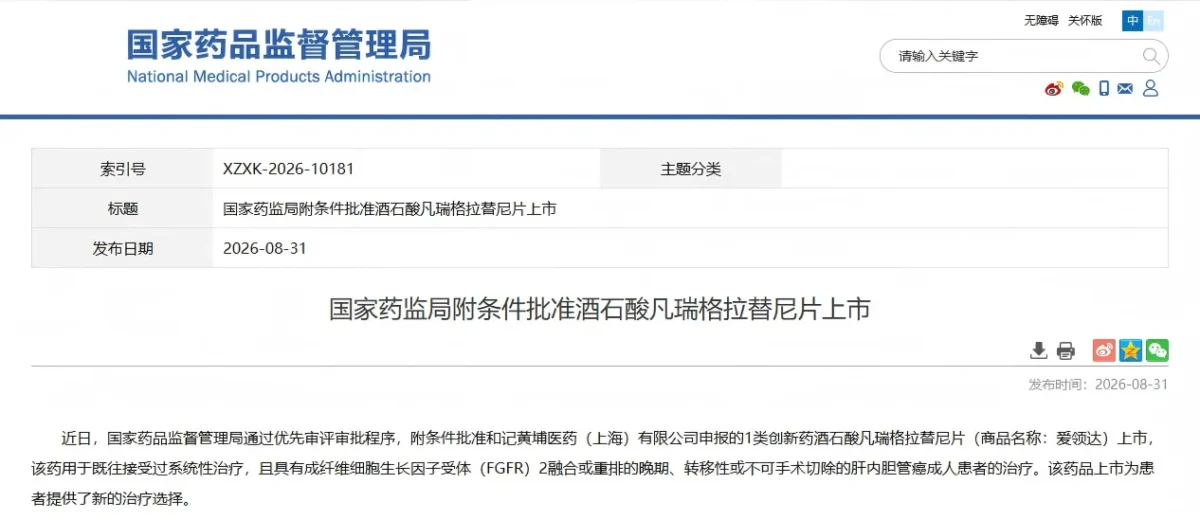
The fanregratinib approved for intrahepatic cholangiocarcinoma further expands targeted treatment options for patients with FGFR2 fusion- or rearrangement-positive intrahepatic cholangiocarcinoma and reflects the continued shift toward molecular classification and targeted therapy in ICC.
In this article, DengYueMed reviews Fanregratinib’s mechanism, approved indication, key clinical data, safety profile, and the role of FGFR2 fusions and rearrangements in precision treatment for intrahepatic cholangiocarcinoma.
What Is Fanregratinib and How Does It Work?
Fanregratinib is an orally administered, highly selective small-molecule inhibitor of FGFR1, FGFR2, and FGFR3 independently developed by HUTCHMED.
In some cancers, abnormalities such as gene fusions and rearrangements can lead to persistent activation of the FGFR signaling pathway, promoting tumor cell growth and survival.
By inhibiting the tyrosine kinase activity of FGFR1, FGFR2, and FGFR3, Fanregratinib blocks downstream signaling and suppresses tumor cell proliferation driven by abnormal FGFR signaling.

Basic Information About Fanregratinib
| Item | Information |
|---|---|
| Generic name | Fanregratinib |
| Brand name | ATLED®/爱领达® |
| Developer | HUTCHMED |
| Drug type | Small-molecule targeted therapy |
| Dosage form | Tablet |
| Route of administration | Oral |
| Mechanism | FGFR1/2/3 inhibitor |
| Main indication | Advanced, metastatic, or unresectable FGFR2 fusion/rearrangement-positive intrahepatic cholangiocarcinoma after systemic therapy |
| China approval date | August 25, 2026 |
| Approval type | Conditional approval |
Which Patients Is Fanregratinib Approved for by China’s NMPA?
The approved indication for Atled includes specific molecular biomarker requirements and does not apply to all patients with intrahepatic cholangiocarcinoma.
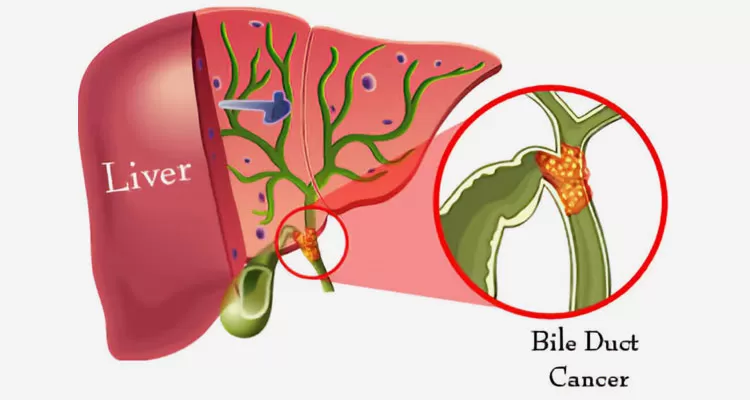
According to the NMPA approval information, the target patient population primarily meets the following criteria: 🔽
- Adult patients;
- Patients with intrahepatic cholangiocarcinoma (ICC) confirmed by pathology or other appropriate diagnostic methods;
- Advanced, metastatic, or unresectable disease;
- Previous systemic treatment;
- Tumors harboring FGFR2 fusions or rearrangements.
In other words, fanregratinib approved for intrahepatic cholangiocarcinoma in China is primarily intended for adults with advanced ICC who have previously received systemic therapy and whose tumors have been confirmed to harbor FGFR2 fusions or rearrangements.
Therefore, FGFR2 molecular testing can help identify patients who may be eligible for FGFR-targeted treatment. Treatment selection should consider test results, prior therapy, disease status, and clinical assessment.
Why Are FGFR2 Fusions or Rearrangements Important Therapeutic Targets in Intrahepatic Cholangiocarcinoma?
Fibroblast growth factor receptors (FGFRs) are a family of receptor tyrosine kinases consisting of FGFR1, FGFR2, FGFR3, and FGFR4. They are involved in processes such as cell growth and differentiation.
In some cancers, FGFR abnormalities can cause abnormal pathway activation and promote tumor cell growth and survival. These abnormalities include:
- Gene fusions and rearrangements
- Mutations
- Gene amplifications
These alterations make the FGFR pathway an important target for precision oncology.
Among these alterations, FGFR2 fusions or rearrangements are recognized molecular abnormalities in intrahepatic cholangiocarcinoma and occur in approximately 10%–15% of patients. They may contribute to tumor development and progression and provide an important rationale for FGFR-targeted therapy.
Therefore, molecular testing for FGFR2 fusions or rearrangements can help identify patients who may be suitable for FGFR-targeted treatment.
Fanregratinib Phase II Clinical Study: Key Data and Clinical Findings
The fanregratinib approved for intrahepatic cholangiocarcinoma was primarily supported by data from the Phase II registration cohort of its pivotal Phase II/IIIb clinical study.
This was a single-arm, multicenter, open-label study conducted at 53 centers in China. The study was designed to evaluate the efficacy, safety, and pharmacokinetics of Fanregratinib in patients with advanced intrahepatic cholangiocarcinoma harboring FGFR2 fusions or rearrangements.
All enrolled patients had previously received at least one line of systemic therapy. All patients had received chemotherapy, and approximately 72% had previously received immunotherapy.
The clinical study showed clear antitumor activity in this patient population. Key results included:
| Endpoint | Result |
|---|---|
| Objective response rate (ORR) | 42.5% |
| Disease control rate (DCR) | 83.9% |
| Median time to response | 1.4 months |
| Median duration of response (DoR) | 6.9 months |
| Median progression-free survival (PFS) | 6.9 months |
| Median overall survival (OS) | 16.6 months |
Safety Data for Fanregratinib
Grade ≥3 treatment-related adverse events occurred in 48.3% of patients. Common adverse reactions included elevated transaminases, liver function abnormalities, hand-foot skin reactions, and visual impairment.
The proportion of patients who permanently discontinued treatment because of treatment-related adverse events was 2.2%. No treatment-related deaths were reported in the study.
👨🔬 The use of Fanregratinib and the management of adverse reactions should follow the approved prescribing information and be evaluated by healthcare professionals based on each patient’s individual circumstances.
What Does the Approval of Fanregratinib Mean?
The fanregratinib approved for intrahepatic cholangiocarcinoma represents a further development of FGFR-targeted therapy in the treatment of ICC.

1. More Treatment Options for Patients With FGFR2 Fusions or Rearrangements
For adults with advanced intrahepatic cholangiocarcinoma who have previously received systemic therapy and have FGFR2 fusions or rearrangements, the approval provides an additional targeted treatment option.
2. Advancing Precision Treatment for Intrahepatic Cholangiocarcinoma
The approval uses a defined molecular biomarker to identify the relevant patient population, further reflecting the development of intrahepatic cholangiocarcinoma treatment from conventional histological classification toward molecular profiling and precision medicine.
3. Expanding the Landscape of Innovative Chinese Oncology Drugs
Fanregratinib was independently developed by HUTCHMED. Its approval in China also reflects continued progress in the development of innovative Chinese small-molecule targeted therapies for solid tumors.
Conclusion
The fanregratinib approved for intrahepatic cholangiocarcinoma provides an additional targeted treatment option for adults with advanced disease and FGFR2 fusions or rearrangements after prior systemic therapy.
As FGFR-targeted and other precision therapies advance, molecular testing and individualized treatment will remain important in intrahepatic cholangiocarcinoma.
As a China-based pharmaceutical wholesaler, DengYueMed will continue to monitor China’s innovative medicines, oncology therapies, and global pharmaceutical developments, leveraging its Chinese Pharmacy network to support access to pharmaceutical information and services for healthcare and pharmaceutical professionals worldwide.
FAQ about Fanregratinib Approved for Intrahepatic Cholangiocarcinoma
What is Fanregratinib?
Fanregratinib is an oral, highly selective FGFR1/2/3 inhibitor developed by HUTCHMED for FGFR2 fusion- or rearrangement-positive cancers.
What is Fanregratinib used for?
Fanregratinib is approved in China for adults with advanced, metastatic, or unresectable intrahepatic cholangiocarcinoma with FGFR2 fusions or rearrangements after prior systemic therapy.
How does Fanregratinib work?
Fanregratinib blocks the tyrosine kinase activity of FGFR1, FGFR2, and FGFR3 to inhibit abnormal FGFR signaling that can promote tumor growth.
What are the clinical results of Fanregratinib?
In its pivotal clinical study, Fanregratinib achieved an objective response rate of 42.5% and a disease control rate of 83.9% in patients with FGFR2 fusion- or rearrangement-positive intrahepatic cholangiocarcinoma.
When was Fanregratinib approved in China?
Fanregratinib received conditional approval from China’s NMPA in August 2026 for previously treated advanced intrahepatic cholangiocarcinoma with FGFR2 fusions or rearrangements.