

Which Cancers Does China Have Advantages In? Top 5 Areas of Strength Explained
From precision medicine to immunotherapy, from novel targeted drugs to cell therapy, China has formed unique strengths in several cancer treatment fields.
As a platform connecting international patients with China’s medical resources, DengYueMed closely follows developments in China’s oncology landscape, helping overseas patients understand leading hospitals, expert teams, and cutting-edge treatment options.
🎯 This article will analyze which cancers does china have advantages in from five key areas.
Why China has advantages in certain cancer treatments
China has one of the world’s largest populations of cancer patients, meaning physicians gain extensive clinical experience and encounter a wide variety of complex cases.
At the same time, China has made rapid progress in innovative drug development, clinical trials, precision medicine, and cell therapy.
China’s main advantages in cancer care include: 🔽
- Large volume of clinical cases and treatment experience
- Strong network of specialized oncology hospitals
- Active innovation in drug development
- Abundant clinical trial opportunities
- Rapid adoption of precision medicine and genetic testing
- Early clinical application of selected novel therapies
These factors together help explain which cancers does china have advantages in.
Five major cancer types where China shows strong advantages
The following five categories show which cancers does china have advantages in most clearly.
Liver cancer: A globally influential strength area
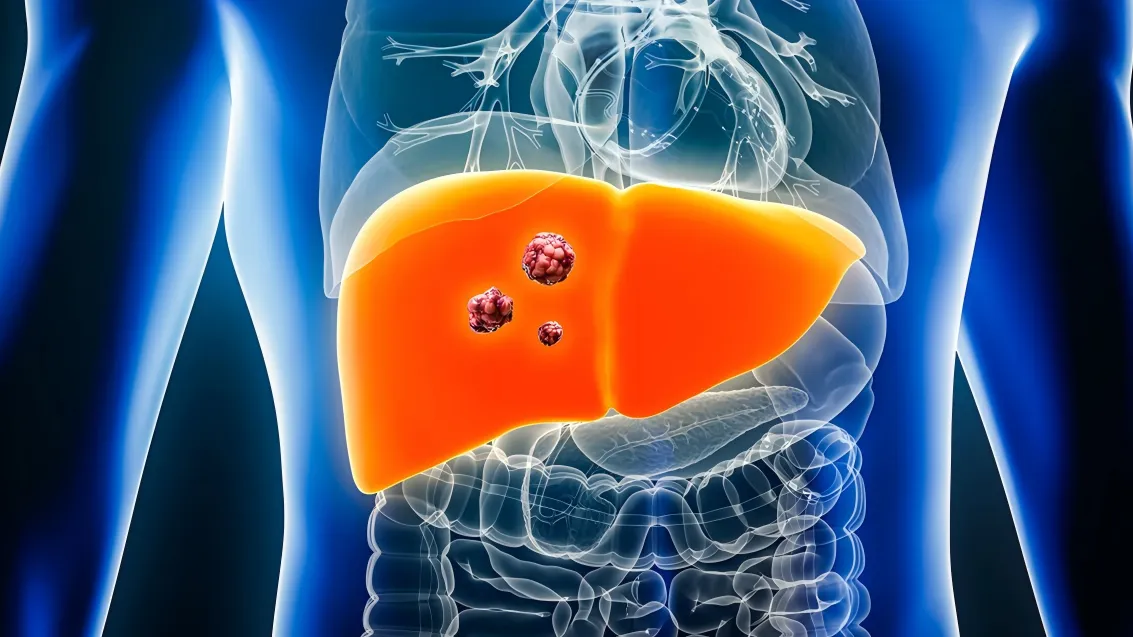
Liver cancer is a key answer to which cancers does china have advantages in.
China has a high global burden of liver cancer, which has led to a highly developed system for screening, diagnosis, and treatment.
Extensive clinical experience
Major hepatobiliary centers in China perform a large number of liver cancer surgeries every year. Physicians are experienced in managing complex cases such as large tumors, multifocal lesions, and patients with cirrhosis.
Chinese experts have also contributed significantly to international liver cancer guidelines and consensus statements.
Mature multidisciplinary treatment model (MDT)
Treatment is not limited to a single approach but relies on coordinated multidisciplinary care, including:
- Liver resection
- Liver transplantation
- Ablation therapy
- TACE (transarterial chemoembolization)
- Y-90 radioembolization
- Targeted therapy
- Immunotherapy
- Radiotherapy
For advanced-stage patients, Chinese teams have accumulated extensive experience in combination therapy.
Rapid innovation in new therapies
In recent years, China has actively developed:
- GPC3-targeted therapies
- ADC drugs
- CAR-T cell therapy
- Bispecific antibodies
These innovations continue to expand treatment possibilities for advanced liver cancer.
Gastric cancer: Strong clinical experience and innovation ecosystem
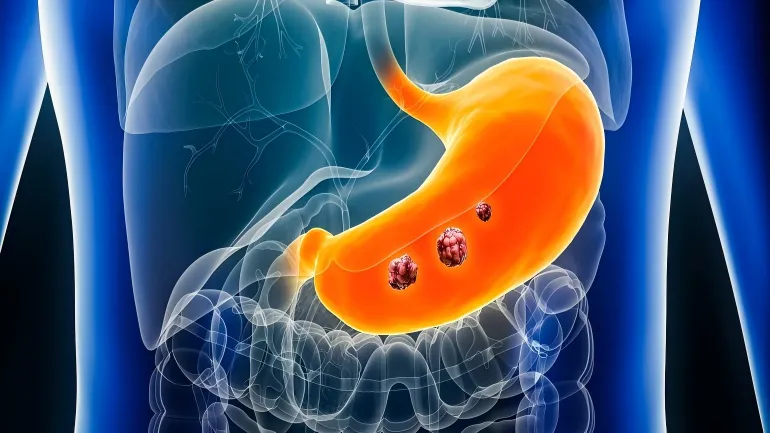
Gastric cancer is highly prevalent in East Asia, making it another area where China has long-term expertise.
Large Case Volume Drives Treatment Excellence
Due to the large number of gastric cancer patients, Chinese physicians have extensive exposure to cases across different stages and pathological subtypes.
This broad clinical experience has contributed to China’s strong expertise in the surgical treatment of gastric cancer.
Advanced minimally invasive surgery
China has rapidly advanced toward minimally invasive techniques, including:
- Laparoscopic radical gastrectomy
- Robotic-assisted surgery
- Endoscopic submucosal dissection (ESD)
Early-stage patients may preserve gastric function, improving quality of life.
Expanding drug innovation
Gastric cancer is also a major focus of pharmaceutical innovation in China, including:
- HER2-targeted therapies
- CLDN18.2-targeted drugs
- PD-1 immunotherapy
- ADC therapies
These options significantly expand treatment pathways for patients.
Esophageal cancer: Large-scale clinical experience
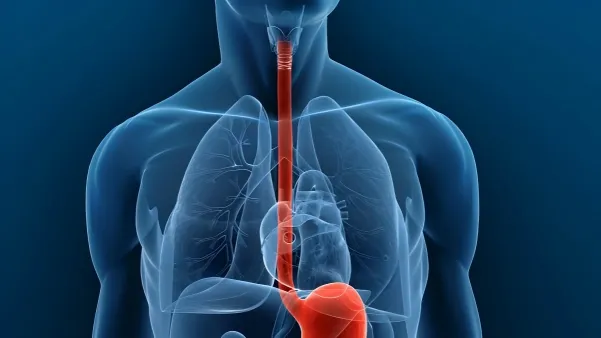
Esophageal cancer is another important answer to which cancers does china have advantages in.
While relatively rare in Western countries, it is a high-incidence cancer in China, leading to extensive screening and treatment experience.
Mature screening systems
In high-risk regions, China has implemented long-term screening programs, enabling earlier diagnosis and intervention.
Advanced surgical expertise
Chinese thoracic surgery centers have strong experience in:
- Esophagectomy
- Minimally invasive thoracoscopic/laparoscopic surgery
- Complex reconstruction procedures
- Perioperative management
Evolving treatment strategies
Treatment has shifted from traditional chemoradiotherapy to multimodal approaches:
- Neoadjuvant immunotherapy
- Combined preoperative therapy
- Precision radiotherapy
- Targeted therapy
Nasopharyngeal carcinoma: A globally leading research area

Nasopharyngeal carcinoma is one of the clearest examples of which cancers does china have advantages in.
Due to regional distribution, southern China has accumulated a large number of clinical cases.
Global clinical influence
Many international guidelines are supported by Chinese research data. Chinese clinicians have extensive experience in:
- Locally advanced disease
- Recurrent disease
- Metastatic disease
Strong radiotherapy expertise
Radiotherapy is the cornerstone of treatment, and China widely uses:
- IMRT (Intensity-Modulated Radiotherapy)
- IGRT (Image-Guided Radiotherapy)
- Precision targeting techniques
Progress in immunotherapy
PD-1 inhibitors combined with chemotherapy have become an important treatment option for selected patients.
Lung cancer: A flagship field of precision medicine
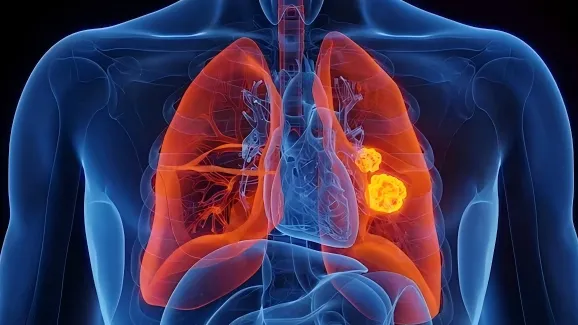
Lung cancer is another major field answering which cancers does china have advantages in.
It is also one of the most active areas for innovative drug development in China.
Extensive genetic testing
China has widely adopted precision medicine, routinely testing:
- EGFR
- ALK
- ROS1
- KRAS
- BRAF
- MET
This enables highly personalized treatment strategies.
Active targeted drug development
China has become a major global hub for lung cancer drug innovation, covering:
- EGFR-mutated lung cancer
- ALK-positive lung cancer
- ROS1-positive lung cancer
- HER2-mutated lung cancer
Rapid growth of immunotherapy
Recent advances include:
- PD-1 inhibitors
- PD-L1 inhibitors
- Bispecific antibodies
- ADC drugs
These therapies continue to expand survival benefits for patients.
Future directions of cancer treatment in China
Beyond these five areas, which cancers does china have advantages in will continue to evolve with advances in biotechnology and pharmaceutical innovation.
China is one of the most active countries in CAR-T development, with multiple approved products and expanding indications.
Antibody-drug conjugates are growing rapidly, with several domestic products approved or entering global trials.
Bispecific antibodies are becoming a key innovation focus across multiple cancers, including lung, gastric, and breast cancer.
China is gradually building platforms for gene therapy, which may provide new options for refractory cancers.
Conclusion
Overall, which cancers does china have advantages in can be clearly seen across multiple oncology fields, supported by clinical experience, innovation capability, and rapidly evolving treatment technologies.
With continued development in precision medicine, immunotherapy, and cell therapy, China is becoming an increasingly important global force in cancer treatment.
For international patients seeking information about China’s oncology resources, innovative therapies, and hospital access, choosing the right medical platform is essential.
DengYueMed is dedicated to helping international patients connect with high-quality medical resources in China, understand the latest treatment advances, innovative drugs, and hospital procedures, and support cross-border healthcare needs.
👉 If you are looking for information related to cancer treatment in China, feel free to contact the DengYueMed team for further guidance and resources.
FAQ about Which Cancers Does China Have Advantages In
What cancers does China have advantages in treating?
China has particular strengths in the treatment of liver cancer, gastric cancer, esophageal cancer, nasopharyngeal carcinoma, and lung cancer. These advantages are supported by large clinical case volumes, experienced specialists, innovative therapies, and advanced treatment technologies.
What rank is China in cancer?
China has the largest number of new cancer cases and cancer-related deaths in the world, mainly due to its large population. This has also given Chinese hospitals and oncology specialists extensive experience in diagnosing and treating a wide range of cancers.
What are the top 5 cancers in China?
The most common cancers in China include lung cancer, colorectal cancer, thyroid cancer, liver cancer, and stomach cancer. These cancers account for a significant proportion of new cancer diagnoses each year and are major focuses of cancer prevention and treatment efforts in China.
What advanced cancer treatments are available in China?
China offers a wide range of advanced cancer treatments, including targeted therapy, immunotherapy, CAR-T cell therapy, ADC drugs, bispecific antibodies, and precision radiotherapy. The availability of specific treatments depends on the cancer type, stage, and individual patient condition.