2026 Gastric Cancer Treatment Drug Guide: Latest Dual-Target Therapies, 12 Approved Treatments, and 5 Emerging Technologies
Since the beginning of 2026, the field of gastric cancer treatment has witnessed a major breakthrough.
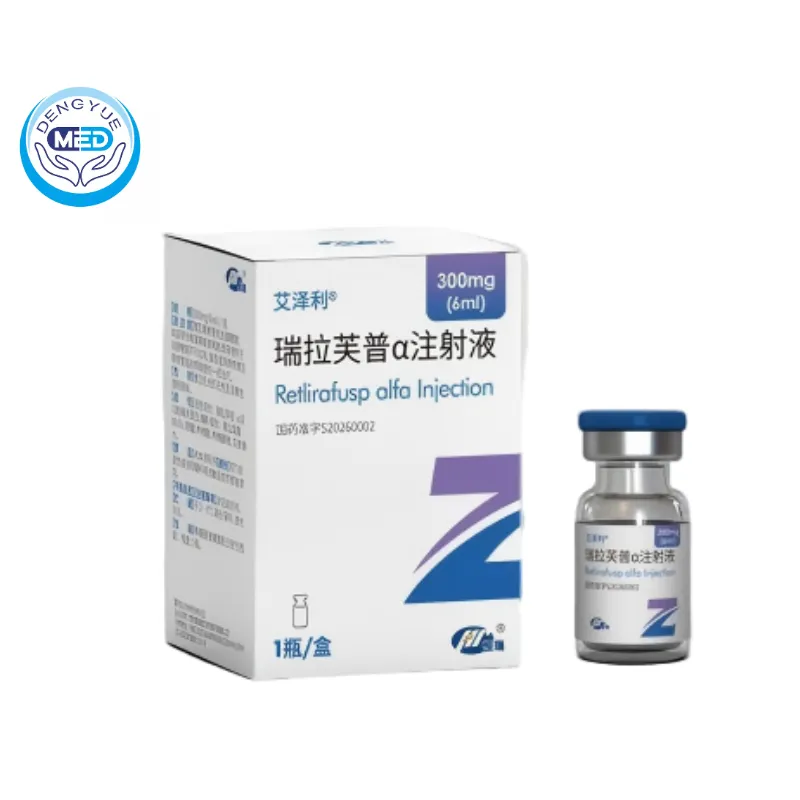
China’s National Medical Products Administration (NMPA) approved Retlirafusp Alfa Injection (SHR-1701) for first-line treatment of PD-L1-positive advanced gastric cancer and GEJ adenocarcinoma, making it the world’s first approved PD-L1/TGF-βRII bifunctional fusion protein therapy.
In fact, the past two years have become one of the fastest-evolving periods in gastric cancer therapy. From 2025 to 2026, multiple immunotherapies, targeted drugs, ADCs, and cellular therapies for gastric cancer were approved or entered late-stage review, accelerating the era of precision treatment.
To help patients and families better understand the current treatment landscape, HongKong DengYue Medicine has prepared this 2026 Gastric Cancer Treatment Drug Guide, covering: 👇
- The world’s first PD-L1/TGF-β dual-target therapy
- Newly approved gastric cancer immunotherapy and targeted drugs in 2025
- Breakthrough gastric cancer drugs expected in 2026
- 12 approved targeted and immunotherapy treatment options
- Five emerging technologies shaping the future of gastric cancer treatment
- Immune recovery and nutritional management recommendations for gastric cancer patients
We hope this comprehensive 2026 gastric cancer treatment drug guide can provide valuable reference and support for patients and families navigating cancer treatment in 2026.

China’s Innovative Drug SHR-1701 Becomes the World’s First Approved PD-L1/TGF-βRII Dual-Target Therapy
Retlirafusp Alfa Injection (SHR-1701) is a PD-L1/TGF-βRII bifunctional fusion protein independently developed by Jiangsu Hengrui Pharmaceuticals.
The molecule combines:
- An IgG4 monoclonal antibody targeting PD-L1
- The extracellular domain of TGF-β receptor II
Unlike conventional single-target PD-1/PD-L1 immunotherapies, SHR-1701 not only blocks PD-L1-mediated immune escape but also inhibits TGF-β-driven immunosuppression within the tumor microenvironment, thereby enhancing T-cell anti-tumor activity.
The approval was primarily based on the Phase III clinical trial NCT04950322. 📊
The study demonstrated that SHR-1701 combined with chemotherapy achieved a median overall survival (OS) of 15.8 months in advanced gastric cancer and GEJ adenocarcinoma patients, compared with 11.2 months in the control group.
Among patients with PD-L1 CPS ≥5, median OS further improved to 16.8 months. The combination regimen also showed superior progression-free survival (PFS), objective response rate (ORR), and duration of response (DoR) compared with standard chemotherapy.
In this 2026 gastric cancer treatment drug guide, SHR-1701 is considered one of the most important breakthroughs in dual-target immunotherapy for gastric cancer.
Newly Approved Gastric Cancer Targeted and Immunotherapy Drugs in 2025
For gastric cancer patients, this is an era filled with innovation and hope.
In 2025, both the NMPA and the U.S. FDA approved several new gastric cancer immunotherapy and targeted treatment regimens, bringing new options to patients with HER2-positive, PD-L1-positive, and resectable gastric cancer.
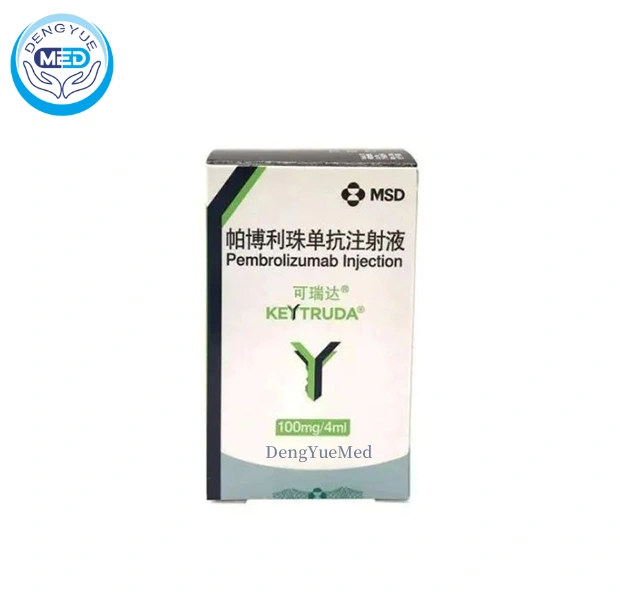
1. Pembrolizumab
- Drug Name: Pembrolizumab (Keytruda®)
- Developer: Merck & Co. (MSD)
- Target: PD-1/PD-L1
- Indication: HER2-positive gastric cancer / gastroesophageal junction adenocarcinoma
- Approval Date: March 19, 2025 (new gastric cancer indication)
Pembrolizumab is one of the world’s most widely used immune checkpoint inhibitors.
On March 19, 2025, the FDA approved pembrolizumab in combination with:
- Trastuzumab
- Fluoropyrimidine-based chemotherapy
- Platinum-based chemotherapy
for first-line treatment of PD-L1-positive (CPS ≥1), unresectable or metastatic HER2-positive gastric cancer and GEJ adenocarcinoma.
This approval further establishes the combination strategy of HER2-targeted therapy + PD-1 immunotherapy + chemotherapy as an important treatment direction for HER2-positive gastric cancer.
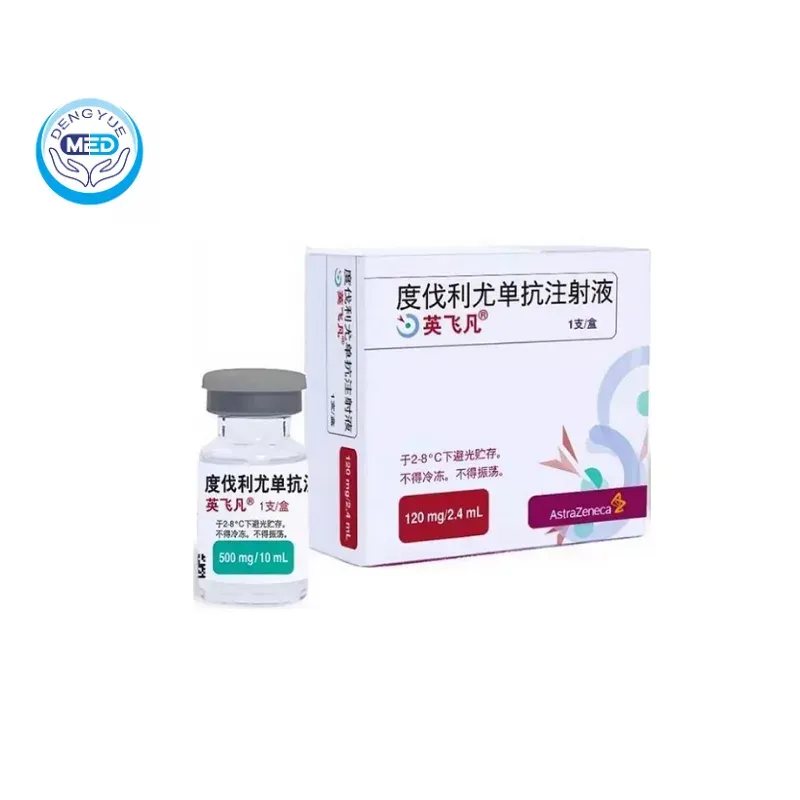
2. Durvalumab
- Drug Name: Durvalumab (Imfinzi®)
- Developer: AstraZeneca
- Target: PD-L1
- Indication: Gastric cancer / gastroesophageal junction adenocarcinoma
- Approval Date: November 25, 2025
On November 25, 2025, the FDA approved:
Durvalumab combined with the FLOT regimen (fluorouracil, leucovorin, oxaliplatin, and docetaxel), followed by maintenance durvalumab monotherapy, for:
- Resectable gastric cancer
- Gastroesophageal junction adenocarcinoma (GC/GEJC)
in the perioperative setting, including neoadjuvant and adjuvant treatment.
This approval signifies that immunotherapy for gastric cancer is rapidly moving from advanced-stage settings into perioperative treatment strategies to improve long-term survival outcomes.
Breakthrough Gastric Cancer Drugs Expected in 2026
Several therapies highlighted in this 2026 gastric cancer treatment drug guide are expected to reshape future standards of care for advanced gastric cancer.
1. Anbenitamab (KN026)
- Developers: CSPC / Alphamab Oncology
- Indication: HER2-positive gastric cancer
- Expected Approval: Q3 2026
KN026 is a HER2 bispecific antibody capable of simultaneously binding two distinct HER2 epitopes.
Potential advantages include:
- Stronger HER2 pathway blockade
- Enhanced anti-tumor activity
- Improved resistance management
In September 2025, its NDA was accepted by China’s Center for Drug Evaluation (CDE) and granted priority review status.
The therapy is intended for patients with HER2-positive advanced, recurrent, or metastatic gastric/GEJ adenocarcinoma who have failed at least one prior systemic therapy.
KN026 is also the first domestically developed HER2 bispecific antibody submitted for gastric cancer approval in China.
2. Satricabtagene Autoleucel (satri-cel)
- Developer: CARsgen Therapeutics
- Technology Type: CAR-T Cell Therapy
- Target: Claudin18.2 (CLDN18.2)
- Expected Approval: Q2 2026
Satri-cel is among the most closely watched CLDN18.2 CAR-T therapies globally.
The treatment genetically engineers patients’ own T cells to recognize and attack CLDN18.2-positive gastric cancer cells.
In June 2025, the therapy’s regulatory application was accepted by the NMPA and granted priority review.
Proposed indications include:
- CLDN18.2-positive tumors
- Failure after at least second-line treatment
- Advanced gastric cancer / GEJ adenocarcinoma
Based on strong clinical efficacy, satri-cel could become one of the world’s first approved CAR-T therapies for solid tumors.
2026 Gastric Cancer Treatment Drug Guide: 12 Approved Targeted and Immunotherapy Options
As of the end of 2025, China and the United States have approved multiple targeted therapies and immunotherapies for gastric cancer, covering HER2, VEGF/VEGFR, CLDN18.2, and PD-1/PD-L1 pathways.
1. HER2-Targeted Therapy
| Treatment Setting | Drug | Key Features | Approval Year |
|---|---|---|---|
| First-line | Trastuzumab (Herceptin®) | First HER2-targeted therapy for gastric cancer | 2010 |
| Second-line | Trastuzumab Deruxtecan (Enhertu®) | HER2 ADC therapy | 2021 |
| Later-line | Disitamab Vedotin (RC48) | China-developed ADC drug | 2021 |
2. VEGF/VEGFR-Targeted Therapy
| Treatment Setting | Drug | Key Features | Approval Year |
|---|---|---|---|
| Second-line | Ramucirumab (Cyramza®) | VEGFR-2 inhibitor | 2014 |
| Third-line | Apatinib (Aitan®) | VEGFR small-molecule inhibitor | 2014 |
3. CLDN18.2-Targeted Therapy
| Treatment Setting | Drug | Key Features | Approval Year |
|---|---|---|---|
| First-line | Zolbetuximab | First CLDN18.2 monoclonal antibody | 2024 |
4. PD-1 / PD-L1 Immunotherapy
| Treatment Setting | Drug | Indication | Approval Year |
|---|---|---|---|
| First-line | Pembrolizumab | Combination therapy for gastric cancer | 2017/2021/2024/2025 |
| First-line | Nivolumab | Advanced gastric cancer | 2020/2021 |
| First-line | Sintilimab | Gastric and GEJ adenocarcinoma | 2022 |
| First-line | Tislelizumab | First-line gastric cancer treatment | 2024 |
| First-line | Sugemalimab | PD-L1 CPS ≥5 gastric cancer | 2024 |
| Adjuvant | Durvalumab | Perioperative treatment | 2025 |
This section serves as a key reference within the 2026 gastric cancer treatment drug guide for understanding currently available targeted and immunotherapy regimens.
Five Emerging Technologies Featured in the 2026 Gastric Cancer Treatment Drug Guide
1️⃣ CAR-T Therapy Expanding Into Gastric Cancer
CLDN18.2 CAR-T therapy is driving a new wave of solid tumor immunotherapy innovation.
2️⃣ NK Cell Therapy
Some advanced gastric cancer cases have achieved nearly four years of recurrence-free survival.
3️⃣ γδ T-Cell Therapy
γδ T-cell therapies are showing promising activity in malignant ascites and peritoneal metastasis.
4️⃣ DC Vaccines Combined With PD-1 Therapy
Personalized neoantigen vaccines are opening a new era of precision immunotherapy for gastric cancer.
5️⃣ Tumor Treating Fields (TTFields)
This non-invasive physical anti-cancer technology is now being explored in first-line gastric cancer treatment.
These innovations are expected to further reshape the future landscape described in this 2026 Gastric Cancer Treatment Drug Guide.
How Gastric Cancer Patients Can Improve Immunity and Treatment Tolerance
Patients undergoing surgery, chemotherapy, radiotherapy, targeted therapy, or immunotherapy often experience immune suppression and malnutrition.
🎯 Therefore, comprehensive immune and nutritional management remains essential.
Beyond anti-cancer drugs, this 2026 gastric cancer treatment drug guide also emphasizes supportive care and immune recovery strategies for gastric cancer patients.
1. Immune Support Therapy
Potential supportive approaches include:
- Thymosin
- Interferons
- Cellular immune supportive therapy
These may help restore immune function during treatment.
2. Gut Microbiota Regulation
Probiotics may help:
- Improve gastrointestinal recovery
- Reduce infection risk
- Enhance treatment tolerance
3. Nutritional Intervention
Recommended strategies include:
- High-protein diets
- Adequate dietary fiber intake
- Vitamin and trace element supplementation
to maintain overall physical condition during cancer treatment.
Conclusion
With the rapid development of PD-1 immunotherapy, HER2 bispecific antibodies, ADC drugs, CLDN18.2-targeted therapies, and CAR-T cell therapies, gastric cancer treatment is entering a new era of precision and personalized medicine.
As highlighted throughout this 2026 gastric cancer treatment drug guide, more innovative drugs and emerging technologies are providing advanced gastric cancer patients with longer survival and renewed hope.
As a China-based pharmaceutical wholesaler, DengYueMed integrates innovative medicines, oncology drugs, and specialty pharmaceutical resources through its offline pharmacy network and online pharmacy China resources, supporting global partners seeking access to China’s evolving pharmaceutical landscape. 🐱🏍
FAQ about 2026 Gastric Cancer Treatment Drug Guide
What is the gold standard treatment for gastric cancer?
The gold standard treatment for gastric cancer depends on tumor stage and biomarkers. Standard options include surgery, chemotherapy, targeted therapy, and immunotherapy, with HER2- and PD-1-based treatments widely used in advanced gastric cancer.
What drugs are used for gastric cancer?
Drugs used for gastric cancer include chemotherapy, targeted therapy, and immunotherapy. Common treatments include trastuzumab, pembrolizumab, nivolumab, trastuzumab deruxtecan (Enhertu), ramucirumab, apatinib, and zolbetuximab.
What is the new treatment for Stage 4 stomach cancer?
New treatments for Stage 4 stomach cancer include PD-1 immunotherapy, HER2-targeted ADC drugs, CLDN18.2 therapies, and emerging CAR-T treatments such as satri-cel. SHR-1701 also represents a new dual-target immunotherapy approach for advanced gastric cancer.
What is the most successful treatment for gastric cancer?
The most successful treatment for gastric cancer depends on the cancer stage and biomarkers. Current leading approaches combine surgery, chemotherapy, targeted therapy, and immunotherapy, especially HER2- and PD-1-based treatments for advanced gastric cancer.