
RNA Therapeutics for Cardiovascular Disease: PCSK9, Lp(a) and Next-Gen Drug Pipeline (2026)
RNA therapeutics for cardiovascular disease are emerging as a transformative strategy for long-term disease management.
Unlike traditional treatments that target proteins after they are produced, RNA-based therapies such as siRNA and antisense oligonucleotides act at the mRNA level, enabling durable effects and significantly reduced dosing frequency.
As the global burden of cardiovascular disease (CVD) continues to rise, limitations in treatment efficacy and patient adherence remain major challenges.
In this context, RNA therapeutics for cardiovascular disease are gaining increasing attention for their ability to improve long-term outcomes and address previously unmet clinical needs.
🎯 This article explores key targets, clinical progress, and applications of RNA therapeutics for cardiovascular disease, highlighting how they are reshaping treatment paradigms, with insights from DengYueMed on improving global access to innovative therapies.
Global Burden and Treatment Challenges in Cardiovascular Disease
Cardiovascular disease remains the leading cause of death worldwide. 😢
According to the World Health Organization, more than 18 million people die from cardiovascular diseases annually, accounting for over one-third of global deaths, with coronary artery disease and stroke being the primary causes.
From a demographic perspective, cardiovascular disease shows a dual trend: aging populations are driving increased prevalence in elderly patients, while obesity, metabolic disorders, and lifestyle changes are contributing to rising incidence among younger populations, shifting the disease burden earlier in life.
Regionally, the burden of cardiovascular disease is highly uneven: 🔽
- Low- and middle-income countries account for over 75% of deaths
- Asia, particularly China and India, carries the largest absolute patient population
- Developed countries show declining mortality but rising long-term management costs
💊 Current treatment relies mainly on statins, antiplatelet/anticoagulant drugs, and PCSK9 monoclonal antibodies, but real-world adherence and long-term disease control remain significant challenges.
Against this backdrop, long-acting and low-frequency dosing strategies provided by RNA therapeutics for cardiovascular disease are emerging as a key breakthrough direction.

From Protein Inhibition to Gene Regulation
A key advantage of RNA therapeutics for cardiovascular disease lies in their mechanism of action. Traditional cardiovascular drugs act mainly through protein inhibition or receptor blockade.
In contrast, RNA therapeutics, including siRNA and antisense oligonucleotides (ASO), act directly at the mRNA level, preventing disease-causing protein synthesis at its source.
This mechanistic shift enables several key advantages: 👇
- High specificity with reduced off-target effects
- Long-lasting gene silencing via RNA interference
- Significantly reduced dosing frequency, with some therapies administered as infrequently as twice per year
🚀 More importantly, this approach represents a paradigm shift in chronic disease management, moving from continuous protein inhibition to periodic gene-level suppression.
These advances strongly support the expansion of RNA therapeutics for cardiovascular disease into long-term clinical practice.
PCSK9 Pathway: Key Validation in Chronic Disease Settings
In cardiovascular medicine, the most validated success of RNA therapeutics for cardiovascular disease comes from targeting PCSK9.
PCSK9 protein promotes degradation of LDL receptors (LDLR), reducing clearance of low-density lipoprotein cholesterol (LDL-C). It has therefore become a critical target for lipid-lowering therapies.
Inclisiran, a small interfering RNA (siRNA) therapy, silences PCSK9 gene expression and effectively reduces LDL-C levels.
👩🔬 It is currently approved for the long-term management of hypercholesterolemia and atherosclerotic cardiovascular disease (ASCVD), particularly in patients with poor adherence or inadequate response to conventional therapies.
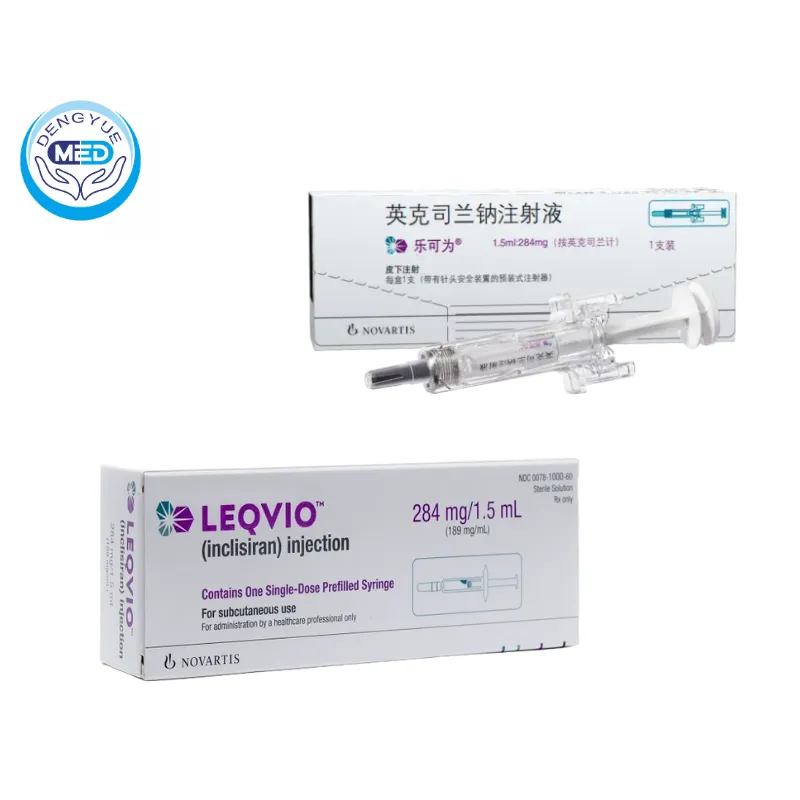
Compared with PCSK9 monoclonal antibodies such as evolocumab and alirocumab, inclisiran offers a fundamental shift in dosing strategy—from injections every 2–4 weeks to only twice per year.✅
This transformation significantly improves adherence and provides more stable LDL-C reduction in real-world settings.
The success of the PCSK9 pathway represents a landmark validation of RNA therapeutics for cardiovascular disease, demonstrating their scalability beyond rare diseases into large chronic disease populations.
It also lays the foundation for targeting Lp(a), APOC3, and ANGPTL3 in future development pipelines.
Lp(a): Addressing Residual Cardiovascular Risk
RNA therapeutics for cardiovascular disease are expanding into Lp(a) reduction, a key unmet need. Lipoprotein(a), or Lp(a), is recognized as an independent cardiovascular risk factor with strong genetic determination.
However, conventional lipid-lowering therapies have minimal impact on Lp(a), making it a long-standing unmet clinical need.
RNA-based therapies provide the first systematic solution.
Key investigational agents include: 🔽
- Pelacarsen
- Olpasiran
- SLN360
Pelacarsen is an antisense oligonucleotide (ASO) that inhibits LPA gene expression in the liver. Olpasiran and SLN360 are siRNA-based therapies that achieve long-lasting gene silencing via RNA interference mechanisms.
Although these therapies differ in duration of effect and dosing frequency, both demonstrate significant reductions in Lp(a) levels.
These developments further illustrate how RNA therapeutics for cardiovascular disease are expanding into residual cardiovascular risk management.
Triglyceride Pathway: APOC3 and ANGPTL3 Competition
Beyond cholesterol, elevated triglycerides are also a major driver of atherosclerotic cardiovascular disease. RNA therapeutics targeting this pathway are advancing rapidly.
APOC3 Targeted Therapies:
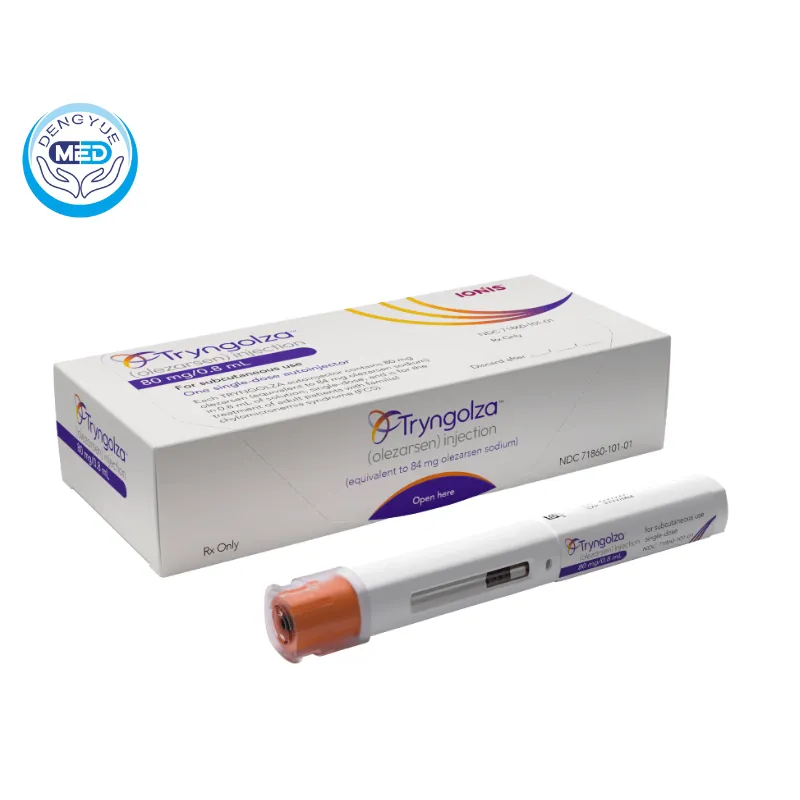
1️⃣ Olezarsen (ASO): suppresses APOC3 mRNA translation and has shown efficacy in familial chylomicronemia syndrome (FCS), with potential expansion to broader hypertriglyceridemia populations.
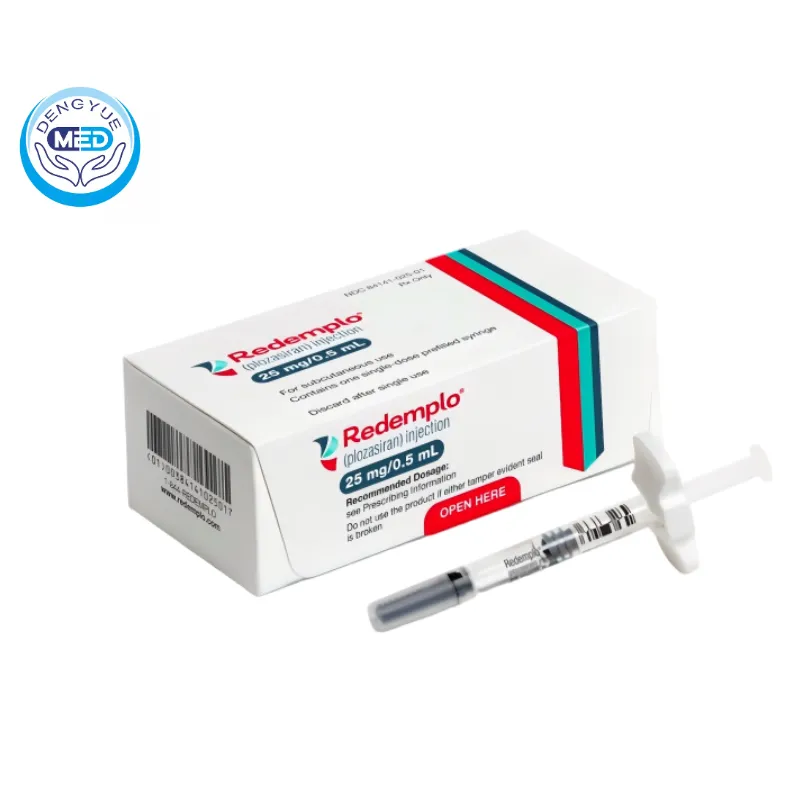
2️⃣ Plozasiran (siRNA): achieves durable gene silencing via RNA interference and is being developed for severe hypertriglyceridemia with strong long-acting potential.
Both ASO and siRNA approaches offer differentiated pharmacological profiles in terms of durability and dosing flexibility.
ANGPTL3 remains another important target, despite variable pipeline progress, and is still considered a key regulatory node in lipid metabolism.
This further highlights the growing role of RNA therapeutics for cardiovascular disease across multiple metabolic pathways.
Multi-Target Synergy and Integrated Cardiovascular Management
With the maturation of RNA technology, RNA therapeutics for cardiovascular disease are expanding from single-target interventions to integrated multi-system regulation.
Emerging targets include:
| Target | Mechanism | Indication | Modality | Clinical Potential |
|---|---|---|---|---|
| PCSK9 | Reduces LDL receptor degradation | LDL-C lowering | siRNA | Commercially validated in chronic disease |
| Lp(a) | Inhibits apolipoprotein(a) synthesis | Residual cardiovascular risk | ASO / siRNA | Phase III development |
| APOC3 | Regulates triglyceride metabolism | Hypertriglyceridemia / FCS | ASO / siRNA | Expanding to common diseases |
| ANGPTL3 | Lipid metabolism regulation | Mixed dyslipidemia | siRNA / ASO | Multi-pathway potential |
| AGT | Renin–angiotensin system control | Hypertension | siRNA | Long-acting blood pressure control |
| FXI | Coagulation cascade inhibition | Thrombosis prevention | ASO / siRNA | Safer anticoagulation potential |
🎯 These targets collectively aim to regulate blood pressure, lipid metabolism, and coagulation through long-acting mechanisms.
In the future, cardiovascular disease management may shift from daily medication to low-frequency dosing (quarterly or biannual administration), significantly reducing patient burden and improving healthcare efficiency.
This evolution further reinforces the clinical importance of rna based therapeutic approaches for cardiovascular disease.
Global Competitive Landscape: Rising Role of Chinese Biotech
Compared with Western companies that initially focused on rare diseases, Chinese biotech firms are increasingly targeting large indications such as cardiovascular and metabolic disorders.
Companies such as Sainty Biopharma, JY Med, Ribocure Pharmaceuticals, and Daring Bio are actively developing therapies for hypertension, hyperlipidemia, thrombosis, and obesity.
Key trends in China’s RNA therapeutics sector include:
- Direct entry into large indications such as PCSK9, Lp(a), and metabolic diseases
- Increasing global partnerships through licensing and BD deals
- Strong capital support from Hong Kong and private markets
These factors are accelerating commercialization timelines and enhancing global competitiveness.

Conclusion: Toward Global Accessibility of RNA Therapies
From the clinical success of inclisiran to the advancement of therapies such as pelacarsen and olpasiran, RNA therapeutics are becoming a central pillar in cardiovascular disease management.
As these innovative therapies enter clinical application, issues of drug accessibility and global supply chain efficiency are becoming increasingly important.
As a global pharmaceutical distributor, DengYueMed continues to expand its presence in innovative therapeutics, focusing on cross-border supply and access to rare and advanced medicines. Its mission is to bridge unmet medical needs and help more patients gain access to effective therapies worldwide. 💙
Ultimately, RNA therapeutics for cardiovascular disease are not only transforming treatment modalities but also reshaping the future of long-term disease management through durable efficacy and low-frequency dosing.
FAQ about RNA Therapeutics for Cardiovascular Disease
What are RNA therapeutics for cardiovascular disease?
RNA therapeutics for cardiovascular disease are treatments such as siRNA and antisense oligonucleotides (ASO) that regulate gene expression at the mRNA level to reduce the production of harmful proteins involved in cardiovascular disease, such as PCSK9 or APOC3.
How do RNA therapies differ from traditional cardiovascular drugs?
Traditional drugs mainly inhibit proteins after they are produced, while RNA therapies act earlier by silencing gene expression, leading to more durable effects and potentially much less frequent dosing.
Which cardiovascular targets are currently most important for RNA therapeutics?
The most important targets include PCSK9 for LDL-C reduction, Lp(a) for residual cardiovascular risk, APOC3 and ANGPTL3 for triglyceride control, and FXI for thrombosis prevention.
Are RNA-based therapies already used in clinical practice?
Yes, Inclisiran is already approved and widely used for LDL-C lowering in ASCVD patients, while drugs like Pelacarsen and Olpasiran are in advanced clinical trials targeting Lp(a) reduction.