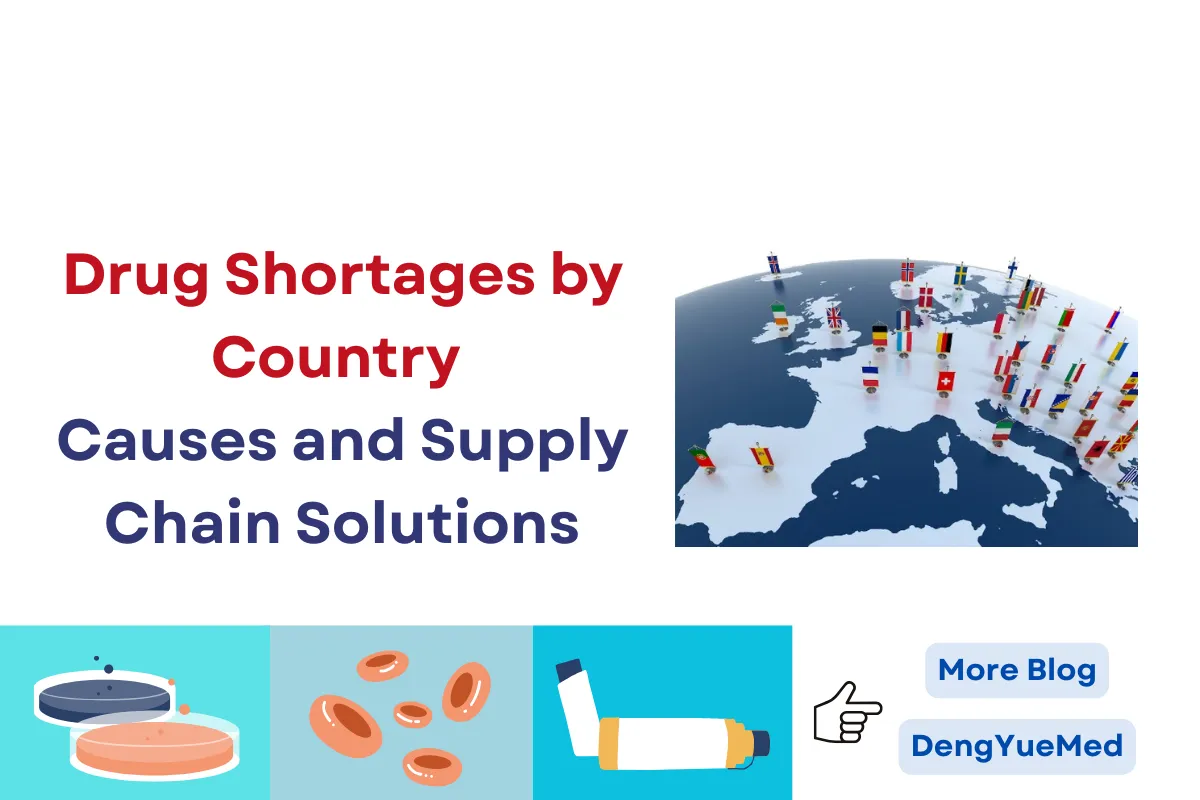
Drug Shortages by Country Causes and Supply Chain Solutions
From emergency medicines to chronic disease treatments, from anti-infectives to oncology therapies, instability in the global pharmaceutical supply chain is increasingly affecting healthcare systems worldwide.
Between 2023 and 2025, drug shortages by country have worsened simultaneously across multiple regions, revealing clear structural patterns: supply chain concentration, dependence on external API sources, and fragile inventory systems.
Today, drug shortages by country are no longer isolated incidents but a global public health challenge with long-term implications.
🎯 Against this backdrop, China plays a critical role in stabilizing global pharmaceutical supply through its integrated manufacturing capacity and resilient production system.
Based on publicly available data and industry reports, DengYueMed provides a systematic overview of drug shortages by country, their underlying causes, and potential supply chain solutions.
Drug Shortages by Country: United States
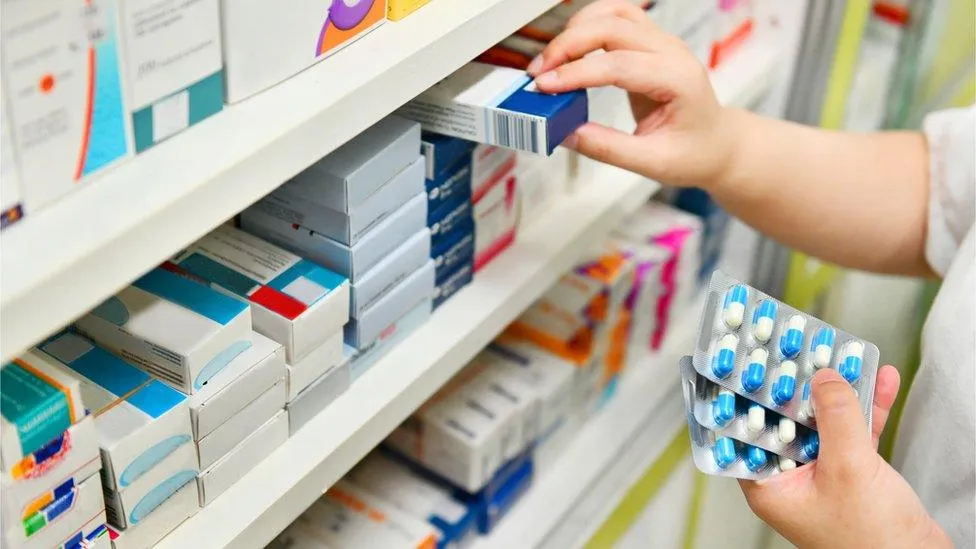
The United States is one of the earliest countries where drug shortages became highly visible, reaching a peak during 2023–2024.
According to the American Society of Health-System Pharmacists (ASHP), 323 drugs were in shortage in Q1 2024, the highest level in nearly 30 years. Although new shortages dropped to 89 in 2025, more than 200 drugs remained in active shortage by mid-2025.
The U.S. Pharmacopeia (USP) reports that over 90% of shortages are long-term, with an average duration exceeding four years.
Summary of Drug Shortages in the United States
| Therapeutic Area | Drugs in Shortage | Status | Duration |
|---|---|---|---|
| Anti-infectives | Cefotaxime, Clindamycin, Gentamicin | Ongoing | Since 2021 |
| Cardiovascular | Norepinephrine, Dopamine, Lidocaine | Intermittent | Since 2022 |
| Neurology | Clonazepam, Haloperidol, Phenobarbital | Ongoing | Since 2020 |
| Oncology | Carboplatin, Cisplatin, Methotrexate | Long-term | >2 years |
| Hormones | Dexamethasone, Methylprednisolone | Ongoing | Since 2023 |
| Pediatrics | Amoxicillin, Azithromycin, Paracetamol | Seasonal | Flu season |
| Psychiatry | Adderall, Ritalin | Ongoing | Since 2023 |
| Others | Heparin, Insulin, Vitamin K1 | Intermittent | Cyclical |
The core drivers of drug shortages in the United States lie in the high concentration of its supply chain structure and its heavy dependence on overseas sources of active pharmaceutical ingredients (APIs).
📊 In 2024, the United States imported more than 200,000 tons of antibiotic raw materials, of which over 50% came from China. Approximately 80% of amoxicillin intermediates rely on Chinese supply, while dependence on cephalosporin APIs is as high as 90%.
In addition, the widespread adoption of a just-in-time (JIT) inventory model in the United States, combined with a lack of safety stock buffers, makes the pharmaceutical supply chain highly vulnerable to disruptions.
Drug Shortages by Country: European Union
Drug shortages across European countries also peaked during 2023–2024.
The European Court of Auditors reported 136 critical drug shortages between 2022 and 2024. By 2025, all 136 drugs remained in shortage, including essential medicines such as amoxicillin.
Summary of Drug Shortages in Europe
| Therapeutic Area | Impact | Key Drugs |
|---|---|---|
| Cardiovascular | 96% countries | Antihypertensives, anticoagulants |
| Anti-infectives | 96% | Amoxicillin, cephalosporins |
| Neurology | 86% | Antidepressants, antiepileptics |
| Gastrointestinal | 86% | PPIs |
| Respiratory | 82% | Inhaled corticosteroids |
| Hormones | 75% | Insulin, thyroid hormones |
| Oncology | 75% | Chemotherapy drugs |
The core issues in the European Union include: 🔽
- A heavy reliance on pharmaceutical manufacturing capacity in India and China
- Inconsistent regulatory and packaging standards across member states
- Inefficient cross-border allocation and distribution mechanisms
- Localized “self-protective” stockpiling that exacerbates overall supply imbalances
According to research by the European Parliament, more than 50% of drug shortages are directly linked to manufacturing and supply chain issues, with external dependence on active pharmaceutical ingredients (APIs) being one of the key underlying factors.
Drug Shortages by Country: Latin America (Brazil)
In Latin America, drug shortages by country are largely driven by economic factors. Brazil serves as a representative case.
Between 2024 and 2025, shortages of insulin, antibiotics, and psychiatric medications intensified due to import dependence and currency fluctuations.
Summary of Drug Shortages in Brazil
| Category | Severity | Key Drugs | Impact |
|---|---|---|---|
| Insulin | Critical | NPH, Regular insulin | 16.8M patients |
| Antibiotics | Severe | Amoxicillin, cephalosporins | Infection treatment |
| Psychiatry | Ongoing | Risperidone, Aripiprazole | Mental health |
| Oncology | Intermittent | Mitotane | Cancer patients |
| Anesthesia | Cyclical | Propofol | Surgeries |
| Rare diseases | Long-term | Enzyme therapies | Rare disease patients |
Approximately 95% of active pharmaceutical ingredients (APIs) in Brazil are imported, making the country highly exposed to fluctuations in the global supply chain.
Across Latin America, the underlying issue can be summarized as the combined effect of foreign exchange constraints, heavy import dependence, and sustained pressure on public healthcare systems.
Drug Shortages by Country: Africa
Across Africa, drug shortages by country are primarily structural rather than temporary.
In Sub-Saharan Africa, most countries rely heavily on imported medicines, and access to essential drugs remains limited, particularly in rural areas.
Summary of Drug Shortages in Africa
| Area | Situation | Impact | Cause |
|---|---|---|---|
| Anti-infectives | Unstable supply | Infectious diseases | Import dependence |
| Chronic disease | Low availability | Poor disease control | Weak healthcare systems |
| Vaccines | Periodic shortages | Public health risks | Logistics gaps |
| Essential drugs | Frequent shortages | Limited treatment | Low funding |
| Maternal health | Insufficient supply | Higher risk | Resource imbalance |
Data from the World Health Organization indicate that in many African countries, more than 50% of essential medicines are imported, with even higher dependence in some regions.
The core drivers include: 🔽
- Weak domestic pharmaceutical manufacturing capacity
- Inadequate medical logistics and cold chain infrastructure
- Foreign exchange constraints limiting procurement capability
- Insufficient public healthcare spending
As a result, drug shortages in Africa fundamentally reflect a structural gap in access to essential medicines.
Drug Shortages by Country: Russia
Drug shortages in Russia intensified after 2022.
In 2024, approximately 134 life-saving drugs disappeared from pharmacies, with shortages affecting up to 65% of key medicines in major cities.
Summary of Drug Shortages in Russia
| Category | Severity | Drugs | Impact |
|---|---|---|---|
| Diabetes | Critical | Insulin | High costs |
| Cardiovascular | Severe | Antihypertensives | Treatment disruption |
| Anti-infectives | Ongoing | Antibiotics | Delayed care |
| Psychiatry | Widespread | Antidepressants | Mental health impact |
| Hormones | Common | Thyroid drugs | Endocrine issues |
| Rare diseases | Long-term | Enzyme therapy | Reduced quality of life |
The core drivers of drug shortages in Russia include: 🔽
- Contraction of the pharmaceutical distribution system
- Constraints on international supply chains
- Insufficient capacity for import substitution
- Reduced hospital procurement
China’s Approach to Drug Shortages
A comparative analysis of drug shortages by country shows that global shortages are driven by structural factors, including API concentration, global supply dependence, and fragile inventory systems.
China has developed a more resilient system through long-term industrial development and policy coordination.
In 2020, China introduced national monitoring lists for essential and shortage-prone medicines, covering 57 critical drugs. These mechanisms enable early warning and supply stabilization.
China’s advantages include:
- 35–40% share of global API production
- Capability to supply over 700 key chemical components
- Approximately 30% of global innovative drug pipelines
- A central role in the global pharmaceutical supply chain
For a deeper look at China’s role in global supply, see our article: 👇
Improving Access Through Global Distribution
As drug shortages by country continue to affect healthcare systems, improving global access requires efficient and compliant distribution networks.
- Innovative and branded medicines: supporting access to advanced therapies
- Generic drugs: ensuring affordability and large-scale supply
- OTC products: improving accessibility for everyday healthcare needs
By strengthening supply chain coordination, regulatory compliance, and localization capabilities, the company contributes to more stable and efficient global pharmaceutical distribution.
Conclusion
Drug shortages by country are shifting from temporary disruptions to long-term structural challenges. The issue is no longer limited to production capacity but reflects the resilience of the entire global supply chain.
As healthcare systems move from focusing on availability to sustainability, supply stability becomes increasingly critical.
China’s evolving industrial and regulatory system positions it as a key stabilizing force, while DengYueMed helps connect global supply and demand.
Looking ahead, the future of pharmaceutical supply will depend not only on production capacity but also on cross-regional collaboration and system resilience.
FAQ about Drug Shortages by Country
What are the main causes of drug shortages by country?
Drug shortages by country are mainly driven by supply chain concentration, heavy reliance on imported APIs, and fragile inventory systems. In many regions, additional factors such as regulatory fragmentation, limited local production, and economic constraints further exacerbate shortages.
Which countries are most affected by drug shortages?
Drug shortages by country are reported across both developed and developing regions, including the United States, European Union, Brazil, parts of Africa, and Russia. The severity and type of shortages vary depending on supply chain structure, economic conditions, and healthcare system capacity.
Why are global pharmaceutical supply chains so vulnerable?
Global supply chains depend heavily on a limited number of API manufacturing hubs, making them sensitive to disruptions. Combined with just-in-time inventory models and uneven distribution systems, this creates systemic vulnerability across countries.
How can drug shortages be addressed globally?
Addressing drug shortages requires stronger supply chain resilience, diversified sourcing, and better coordination across regions. Countries like China contribute through large-scale manufacturing capacity and monitoring systems, while distribution networks help improve access and stability worldwide.