
What Are the Treatment Options for Duchenne Muscular Dystrophy? Current Therapies, Gene Therapy, and Emerging Treatments
What are the treatment options for Duchenne muscular dystrophy? Current treatment options for Duchenne muscular dystrophy include corticosteroids, exon-skipping therapies, gene therapy, rehabilitation, and supportive care. Treatment is individualized based on the patient’s age, disease stage, and genetic mutation.
Duchenne muscular dystrophy (DMD) is a severe inherited neuromuscular disorder caused by mutations in the dystrophin gene. Over the past four decades, DMD treatment has advanced from supportive care to disease-modifying therapies.
This article answers the question: “What are the treatment options for Duchenne muscular dystrophy?” HongKong DengYue Medicine reviews the latest treatment advances and emerging therapies to support global access to innovative medicines.
What Is Duchenne Muscular Dystrophy (DMD)?
Duchenne muscular dystrophy (DMD) is a rare X-linked recessive genetic disorder caused by mutations in the dystrophin gene. The lack of dystrophin causes progressive muscle degeneration, leading to muscle weakness and loss of function.
DMD primarily affects boys, with symptoms usually appearing between 2 and 5 years of age. As the disease progresses, patients gradually lose mobility and may develop serious respiratory and cardiac complications.
Quick Facts
| Disease | Duchenne Muscular Dystrophy (DMD) |
| Cause | Dystrophin gene mutation |
| Inheritance | X-linked recessive |
| Mainly affects | Boys |
| Typical onset | 2–5 years old |
| Major symptoms | Progressive muscle weakness |
| Common complications | Respiratory failure, cardiomyopathy |
| Current treatment | Corticosteroids, exon skipping, gene therapy, supportive care |
👉 Understanding how DMD develops helps explain what are the treatment options for Duchenne muscular dystrophy and why different therapies target different stages of the disease.
Corticosteroids for Duchenne Muscular Dystrophy
Corticosteroids remain the first-line treatment for most patients with DMD and are often the first answer to what are the treatment options for Duchenne muscular dystrophy. By reducing inflammation and slowing muscle damage, they help delay disease progression and prolong independent walking ability.
Currently, oral corticosteroids used to treat DMD mainly include:
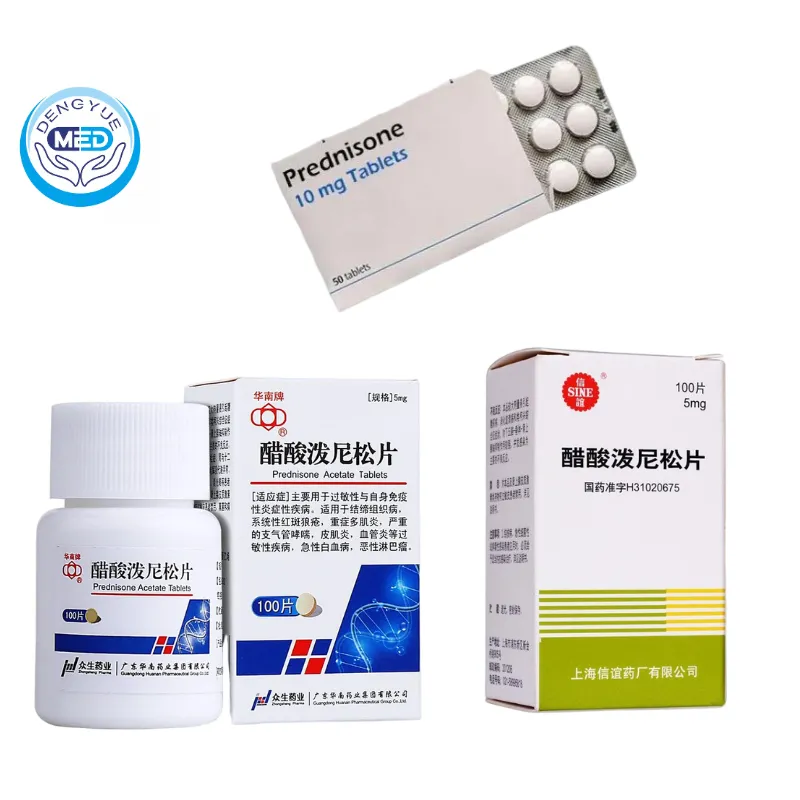
Prednisone
Prednisone is the oldest and most well-documented drug used in the treatment of DMD worldwide. It is one of the core drugs in the standard treatment of DMD and can significantly slow down the decline in motor function and prolong the time it takes to walk independently.
Long-term use is more likely to cause metabolic and skeletal-related adverse reactions such as weight gain, osteoporosis, and growth restriction, requiring standardized monitoring and management.
Deflazacort
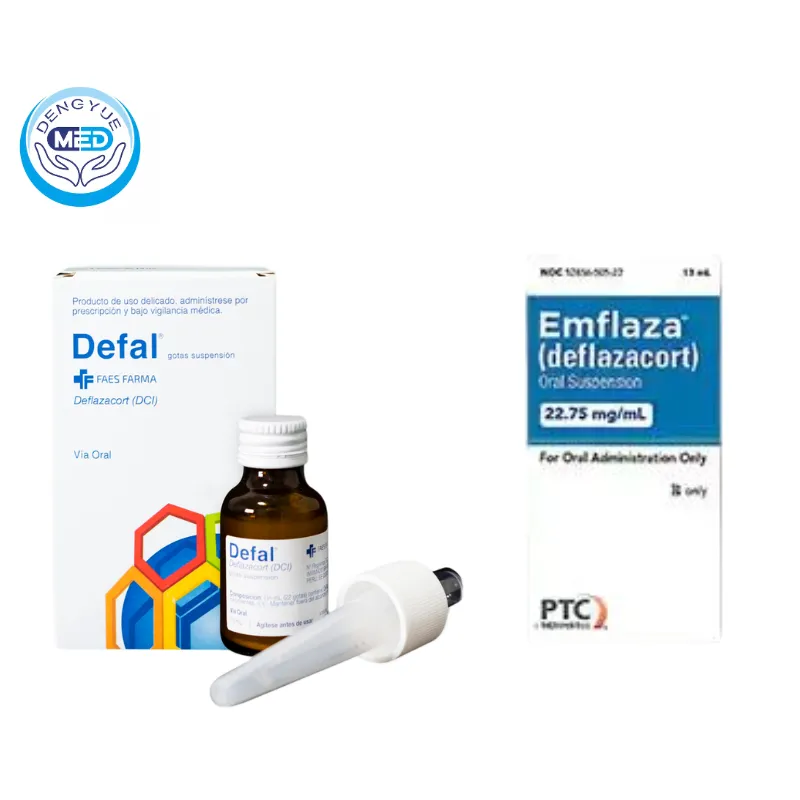
Deflazacort has comparable overall efficacy to prednisone, but its effects on weight gain and height, growth, and bone metabolism are relatively mild, making it an important alternative for long-term maintenance therapy.
In 2020, Macau launched Defal, a drug for treating DMD. It’s from the same manufacturer as Emflaza in the US, and is the same drug, but due to different countries of market, the price differs by nearly 30 times.
Vamorolone
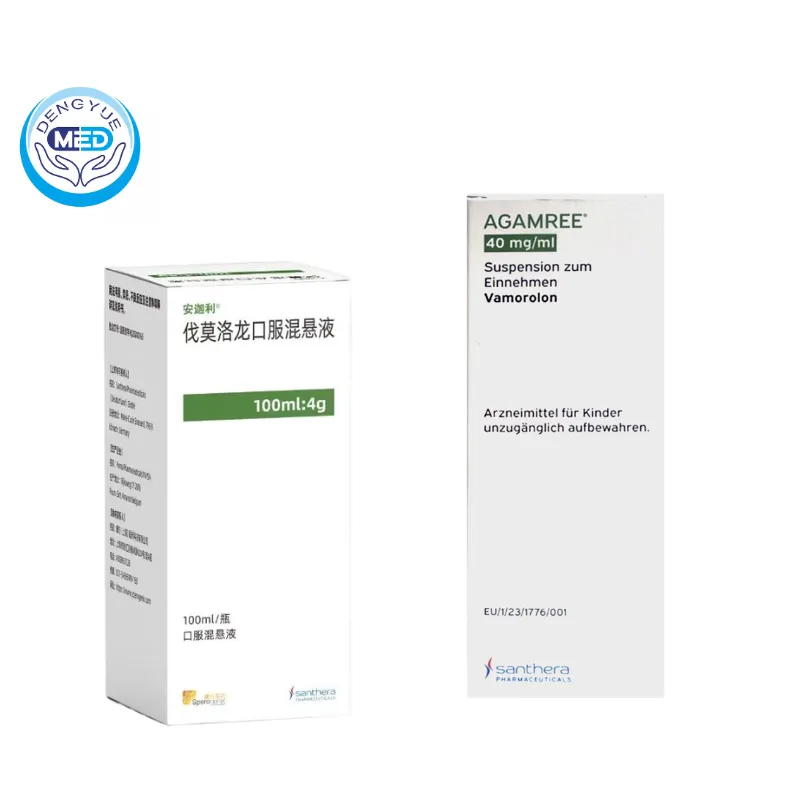
Vamorolone is a new generation of “uncoupling” steroids that retains anti-inflammatory and muscle-protective effects while minimizing the growth inhibition and bone metabolism effects of traditional glucocorticoids.
Clinical studies show its superior safety profile, making it a more suitable new hormone therapy option for long-term management in children.
👨🔬 Corticosteroids can prolong independent walking by 2–3 years and delay scoliosis and cardiopulmonary complications, but they do not correct the underlying genetic defect and may cause long-term side effects, including weight gain, osteoporosis, and mood changes.
Exon Skipping Therapy for Duchenne Muscular Dystrophy
Exon-skipping therapy is one of the most important DMD treatment options for patients with specific genetic mutations.
If you’re asking what are the treatment options for Duchenne muscular dystrophy, exon-skipping drugs are among the first mutation-targeted therapies designed to restore production of partially functional dystrophin.
Currently approved exon-skipping therapies include:
✅ Eteplirsen (Exondys 51): The first FDA-approved exon-skipping therapy for patients with exon 51 skipping-amenable mutations.
✅ Golodirsen (Vyondys 53): Targeting patients with exon 53 mutations, further expanding the range of patients eligible for treatment.
✅ Viltolarsen (Viltepso): Also targeting exon 53, clinical studies have shown that it can increase dystrophin expression and improve some motor parameters.
✅ Casimersen (Amondys 45): Targeting exon 45 mutations, providing a new molecular treatment option for another common gene deletion patient group.
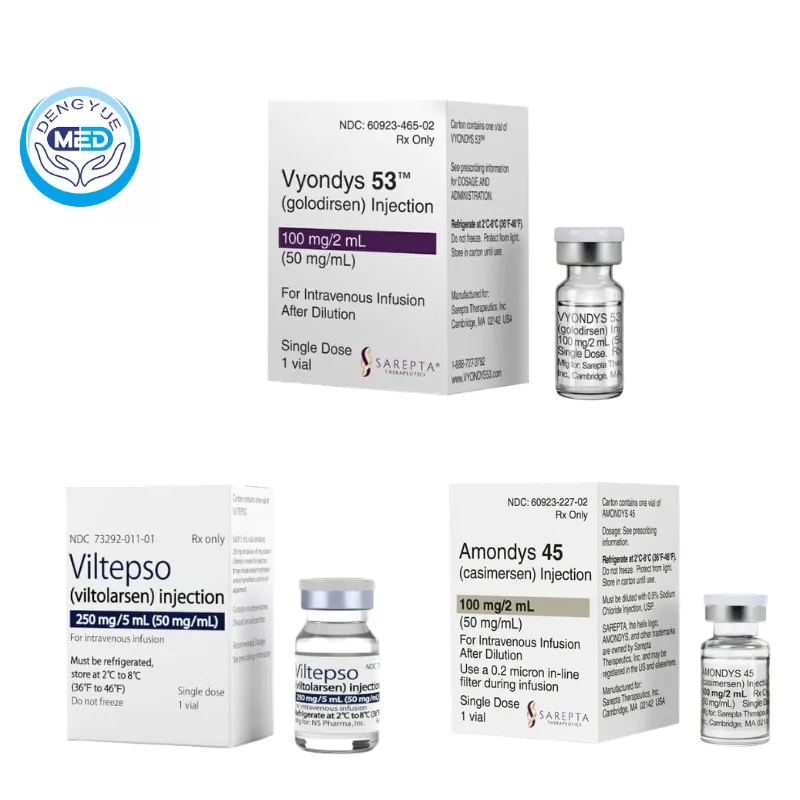
Overall, existing exon-skipping drugs collectively cover approximately 30% of DMD patients.
However, many mutation types still lack corresponding targeted therapies, making the development of next-generation molecular therapies with broader site coverage and higher efficacy a key focus of future research.
Gene Therapy for Duchenne Muscular Dystrophy
Gene replacement therapy is rapidly transforming the treatment of Duchenne muscular dystrophy by addressing the disease at its genetic source. Today, when discussing what are the treatment options for Duchenne muscular dystrophy, gene therapy has become one of the most promising disease-modifying approaches.
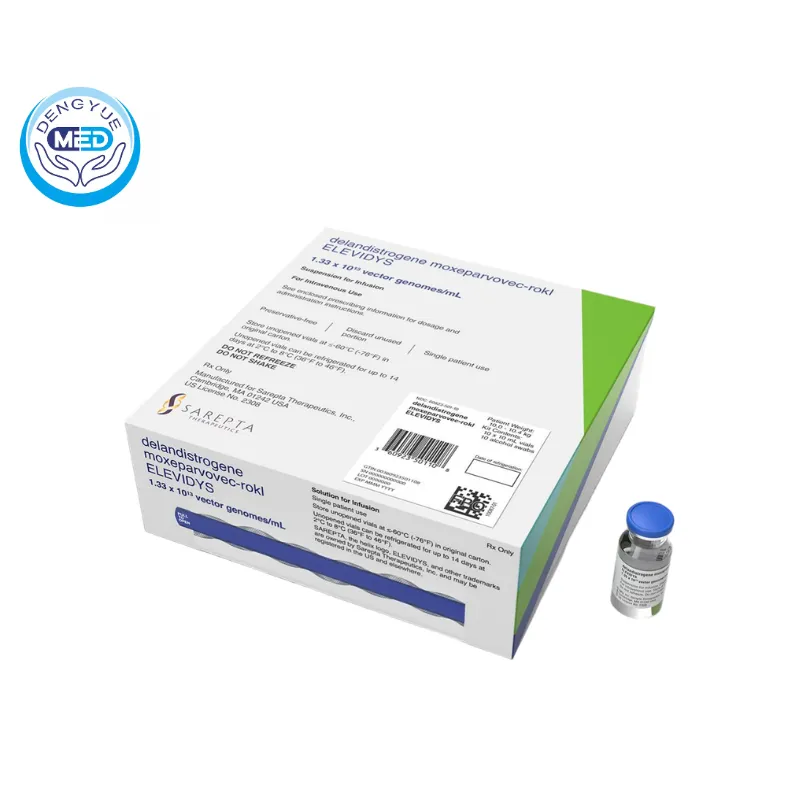
ELEVIDYS (delandistrogene moxeparvovec-rokl)
Received accelerated approval in the US in 2023, and in June 2024, its indication was expanded to all DMD patients ≥4 years of age who are able to walk, with the anti-AAVrh74 antibody restriction removed.
This therapy delivers a miniature dystrophin gene via an AAV vector, aiming to achieve long-term protein expression with a single dose. It is the world’s first approved gene replacement therapy product for DMD.
GNT0004
GNT0004 is currently in Phase III clinical trials, utilizing AAV to deliver a functionally optimized simplified dystrophin gene (hMD1). Its design goal is to improve expression efficiency and stability while reducing the dosage, thereby further improving overall safety.
SGT-003
SGT-003 is still in its early stages, employing a modified miniature dystrophin construct combined with the AAV-SLB101 vector. The research focuses on improving gene delivery efficiency and treatment tolerability.
🐱🏍 Overall, gene replacement therapies led by ELEVIDYS have achieved major clinical breakthroughs, while investigational therapies such as GNT0004 and SGT-003 aim to improve safety, efficacy, and patient access.
China’s Drug Development Progress in Duchenne Muscular Dystrophy (DMD)
China is rapidly advancing innovative Duchenne muscular dystrophy treatment, with research focusing on gene replacement, gene editing, and non-viral delivery technologies.
Gene Replacement Therapy
1️⃣ BBM-D101 (Belief BioMed)
Approved by China’s National Medical Products Administration (NMPA) for clinical trials in April 2025, BBM-D101 is an AAV-based gene replacement therapy delivered through a single intravenous infusion.
It is currently being evaluated in a Phase I/II clinical study to assess safety, efficacy, immune response, and long-term outcomes.
2️⃣ JWK007 (Genevector)
JWK007 combines a muscle-targeting AAV capsid, a muscle-specific promoter, and a mini-dystrophin gene to improve delivery efficiency and safety.
Early investigator-initiated studies have shown encouraging improvements in motor function and good tolerability.
3️⃣ Smart-Dystrophin Gene Therapy (GeneCradle/Byongen Therapeutics)
Developed through a strategic collaboration established in 2025, this next-generation platform optimizes dystrophin structure while incorporating a novel muscle-targeting AAV vector to improve gene expression and safety.
The program remains in the preclinical research stage.
4️⃣ Engineered Exosome FL-dystrophin mRNA Therapy (Multi-institutional Collaboration)
This first-in-human clinical program uses engineered extracellular vesicles (exosomes) to deliver full-length dystrophin mRNA without viral vectors.
The approach is expected to improve delivery safety while expanding future treatment possibilities.
Base Editing Therapy
1️⃣ GEN6050X (GenAssist)
GEN6050X is among the world’s first base-editing therapies for DMD to enter clinical trials.
Designed for patients who can benefit from exon 50 skipping, early data have shown restoration of dystrophin expression together with improvements in exercise capacity and cardiac function, without serious safety concerns reported to date.
2️⃣ HG302 (HuidaGene Therapeutics)
Based on the high-fidelity CRISPR nuclease hfCas12Max, it achieves precise exon 51 editing and protein restoration through single AAV delivery.
Preliminary clinical results show good safety and early improvement in motor function. A first-in-human multi-dose escalation study is underway.
Overall, innovative DMD treatments in China are developing from AAV gene replacement to a multi-pathway approach combining non-viral delivery and gene editing, showing a continuous trend towards higher safety, more durable efficacy, and broader patient coverage.
What Are the Treatment Options for Duchenne Muscular Dystrophy? At a Glance
| Treatment | Who It Is For | Main Benefit | Limitations |
|---|---|---|---|
| Corticosteroids | Most patients with DMD | Slow muscle degeneration and prolong mobility | Long-term side effects |
| Exon-Skipping Therapy | Patients with specific gene mutations | Restores production of partially functional dystrophin | Mutation-specific |
| Gene Therapy | Eligible patients | Addresses the underlying genetic cause with a single treatment | High cost and eligibility requirements |
| Supportive Care | All patients | Manages cardiac, respiratory, and orthopedic complications | Does not correct the genetic defect |
| Rehabilitation | All patients | Maintains mobility and quality of life | Requires long-term multidisciplinary care |
Together, these therapies represent the current answer to what are the treatment options for Duchenne muscular dystrophy, with treatment tailored to each patient’s age, disease stage, and genetic mutation.
Conclusion
Over the past four decades, drug treatment of Duchenne muscular dystrophy has evolved from corticosteroids to exon-skipping therapies and gene replacement therapies.
Today, when people ask, “What are the treatment options for Duchenne muscular dystrophy?” the answer includes a growing range of disease-modifying therapies that help slow disease progression and improve long-term outcomes.
Global pharmaceutical distributor DengYueMed is committed to supporting healthcare providers and patients by facilitating access to innovative medicines through compliant international pharmaceutical distribution.
FAQ about What Are the Treatment Options for Duchenne Muscular Dystrophy
What are the treatment options for Duchenne muscular dystrophy?
Treatment options for Duchenne muscular dystrophy include corticosteroids, exon-skipping therapies, gene therapy, rehabilitation, and supportive cardiac and respiratory care.
What is the first-line treatment for Duchenne muscular dystrophy?
Corticosteroids such as prednisone, deflazacort, and vamorolone remain the standard first-line treatment for most patients with DMD.
What is the latest treatment for Duchenne muscular dystrophy?
The latest treatment advances include gene replacement therapy, such as ELEVIDYS, along with emerging gene-editing and next-generation genetic therapies.
Can gene therapy cure Duchenne muscular dystrophy?
Gene therapy cannot currently cure DMD, but it aims to restore dystrophin expression and slow disease progression in eligible patients.
Is gene therapy available for all patients with Duchenne muscular dystrophy?
No, current gene therapies and exon-skipping drugs are only suitable for certain patients based on factors such as age, disease stage, and specific genetic mutations.