

What Are Taxane Anticancer Drugs? 5 Common Types, Uses, and Differences
Key Takeaways
- Taxane anticancer drugs mainly include two active ingredients: paclitaxel and docetaxel. Although they share a similar mechanism of action, they are distinct drugs.
- Four common paclitaxel formulations are conventional paclitaxel injection, liposomal paclitaxel, polymeric micelle paclitaxel, and albumin-bound paclitaxel.
- Although these four formulations contain the same active ingredient, differences in excipients, drug delivery carriers, and formulation design affect solvent selection, infusion equipment, infusion duration, and premedication requirements.
Taxane chemotherapy drugs are an important component of solid tumor treatment and are widely used in the management of cancers such as breast cancer, ovarian cancer, and non-small cell lung cancer (NSCLC).
In this article, DengYueMed introduces five common types of taxane anticancer drugs and compares their key characteristics, clinical applications, and differences in treatment administration.
1. What Are Taxane Anticancer Drugs?
Taxanes are a class of anticancer agents that interfere with microtubule dynamics and disrupt cell division.
1.1 Mechanism of Action and Major Clinical Applications
Both paclitaxel and docetaxel promote microtubule polymerization and stabilize microtubule structures, inhibiting normal microtubule dynamics. This interferes with mitosis and cell-cycle progression, thereby exerting antitumor effects.[1]
1.2 Main Types of Taxane Drugs
When considering what are taxane anticancer drugs, it is important to distinguish between different active ingredients and formulations.
This article focuses on five common injectable formulations: 🔽
- Conventional paclitaxel injection
- Liposomal paclitaxel for injection
- Polymeric micelle paclitaxel for injection
- Albumin-bound paclitaxel for injection
- Docetaxel injection
The first four formulations contain paclitaxel as the active ingredient but differ in their drug delivery carriers and excipient systems.[2] Docetaxel is a separate taxane anticancer drug with its own chemical structure and formulation characteristics.
2. Characteristics and Uses of Five Common Taxane Anticancer Drugs
Understanding what are taxane anticancer drugs and how these five formulations differ helps clarify their clinical applications, administration requirements, and safety considerations.
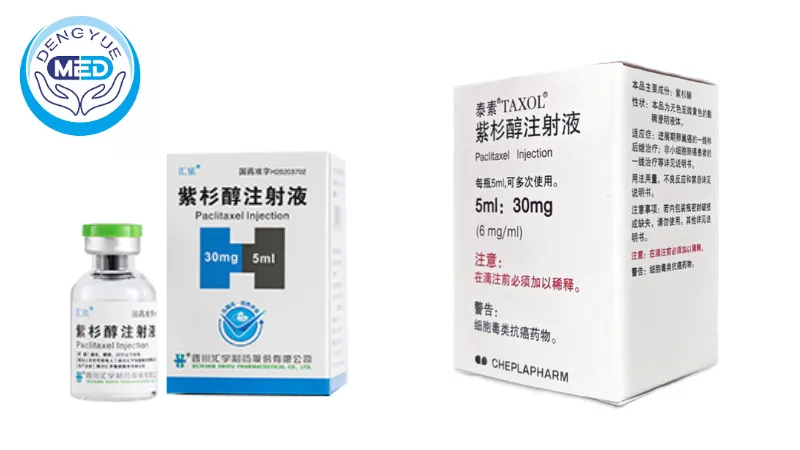
2.1 Paclitaxel Injection
Conventional paclitaxel injection is a traditional solvent-based formulation. It typically uses excipients such as polyoxyethylated castor oil and ethanol to help dissolve paclitaxel.
Major applications:
- First-line and subsequent treatment of advanced ovarian cancer.
- Adjuvant treatment of node-positive breast cancer.
- Treatment of metastatic breast cancer or breast cancer recurring after adjuvant chemotherapy.
- First-line treatment of non-small cell lung cancer (NSCLC).
- Second-line treatment of AIDS-related Kaposi’s sarcoma.
Key characteristics:
- Extensive clinical experience: Conventional paclitaxel has been widely used in clinical practice.
- Potential adverse effects: Hypersensitivity reactions, myelosuppression, and peripheral neuropathy require attention.
- Premedication: Premedication is generally required before administration to reduce the risk of hypersensitivity reactions.
- Infusion requirements: Appropriate infusion equipment should be selected according to the product’s prescribing information.
- Patient monitoring: Patients should be monitored for infusion-related reactions during administration.
2.2 Liposomal Paclitaxel
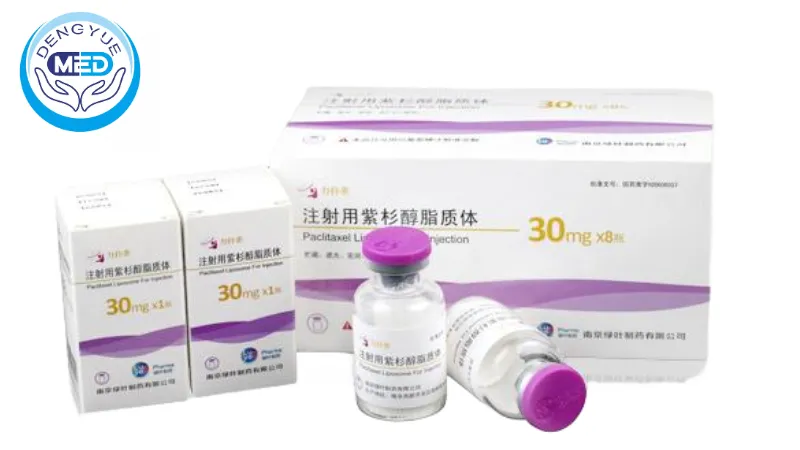
Liposomal paclitaxel uses lipid materials, such as phospholipids and cholesterol, to form carriers that encapsulate paclitaxel. This changes the excipient system and drug delivery approach compared with conventional solvent-based paclitaxel.
Major applications:
- First-line chemotherapy for ovarian cancer.
- Treatment of metastatic ovarian cancer.
- Treatment of breast cancer following an anthracycline-containing regimen.
- First-line treatment of NSCLC that is not amenable to surgery or radiotherapy, in combination with cisplatin.
Key characteristics:
- Formulation: Liposomal paclitaxel does not use the polyoxyethylated castor oil solubilizing system found in conventional paclitaxel injection.
- Potential adverse effects: Hypersensitivity reactions, myelosuppression, and peripheral neuropathy remain important safety considerations.
- Premedication: Premedication may still be required, depending on the specific product’s prescribing information.
- Administration requirements: Follow product-specific instructions for reconstitution, dilution, and infusion.
2.3 Polymeric Micelle Paclitaxel
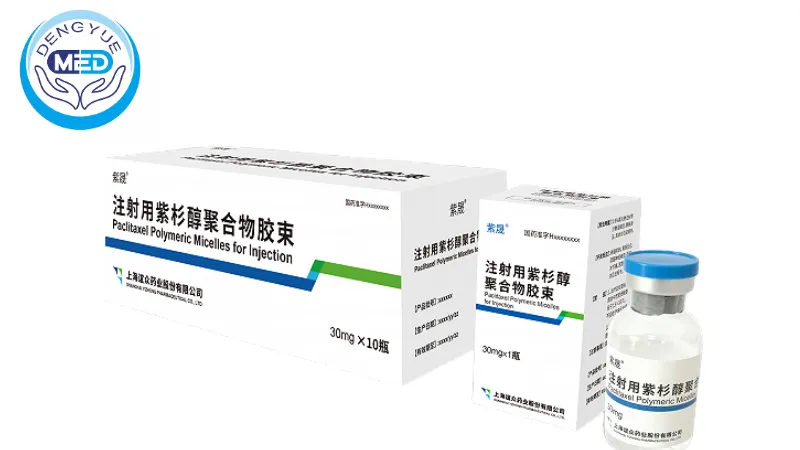
Polymeric micelle paclitaxel uses specialized pharmaceutical polymers to form nanoscale micellar structures that encapsulate paclitaxel and improve its delivery in an aqueous environment. Its carrier and excipient system differs from that of conventional paclitaxel injection.
Major applications:
- First-line treatment of unresectable, locally advanced or metastatic non-small cell lung cancer (NSCLC).
- Treatment in combination with platinum-based chemotherapy.
- Patients whose tumors are negative for EGFR mutations and ALK alterations.
Key characteristics:
- Formulation and administration: Preparation and administration requirements differ from those of conventional solvent-based paclitaxel.
- Potential adverse effects: Myelosuppression and peripheral neuropathy remain important safety considerations during treatment.
2.4 Albumin-Bound Paclitaxel
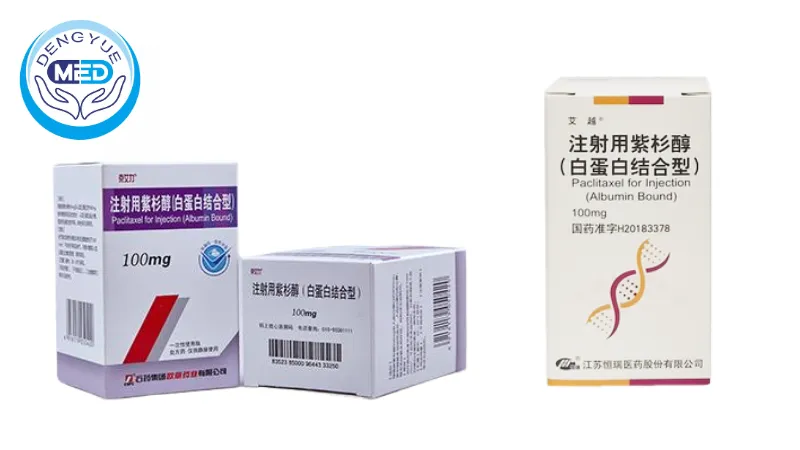
Albumin-bound paclitaxel combines paclitaxel with human serum albumin to create a drug delivery system distinct from conventional solvent-based formulations. It does not use the polyoxyethylated castor oil solubilizing system found in conventional paclitaxel injection.
Major applications:
- Treatment of metastatic breast cancer following failure of combination chemotherapy.
- Treatment of metastatic breast cancer that relapses within six months of adjuvant chemotherapy.
- First-line treatment of metastatic pancreatic cancer in combination with gemcitabine.
Key characteristics:
- Premedication: Routine premedication specifically intended to prevent hypersensitivity reactions is generally not required.
- Infusion duration: Infusion is usually shorter than that of conventional solvent-based paclitaxel.
- Potential adverse effects: Myelosuppression, peripheral neuropathy, and hypersensitivity reactions remain important safety considerations.
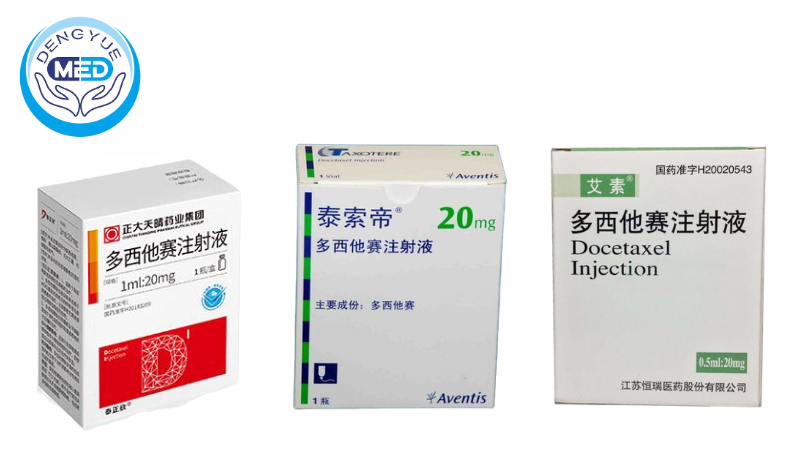
2.5 Docetaxel Injection
Docetaxel is another taxane anticancer drug with a mechanism of action similar to that of paclitaxel, but the two drugs have different active ingredients and chemical structures.
Traditional docetaxel injection formulations commonly contain excipients such as polysorbate 80, and some products also contain ethanol.
Major applications: Docetaxel is used in specific treatment regimens for breast cancer, NSCLC, prostate cancer, gastric cancer, and head and neck cancers.
Key characteristics:
- Potential adverse effects: Common adverse effects include myelosuppression, hypersensitivity reactions, fluid retention, and skin reactions.
- Premedication: Corticosteroid premedication is generally required according to the treatment regimen and product prescribing information to reduce the risk of hypersensitivity reactions and fluid retention.
- Patient monitoring: Blood cell counts, liver function, and signs of edema should be monitored during treatment.
3. What Are the Differences Between Five Common Taxane Formulations?
Now that we understand what taxane anticancer drugs are, the following table summarizes the five common types to provide a clearer comparison of their active ingredients, formulations, clinical applications, and key safety considerations.
| Comparison | Conventional paclitaxel | Liposomal paclitaxel | Polymeric micelle paclitaxel | Albumin-bound paclitaxel | Docetaxel |
|---|---|---|---|---|---|
| Active ingredient | Paclitaxel | Paclitaxel | Paclitaxel | Paclitaxel | Docetaxel |
| Formulation design | Traditional solvent-based formulation | Liposomal carrier | Polymeric micelle carrier | Albumin-based carrier | Primarily conventional solvent-based formulations |
| Representative applications | Breast, ovarian, and lung cancers | Selected ovarian, breast, and lung cancer indications | Selected NSCLC indications | Selected breast and pancreatic cancer indications | Breast, lung, prostate, and other cancers |
| Premedication considerations | Generally required | Depends on the specific product’s prescribing information | Depends on the specific product’s prescribing information | Routine premedication specifically for hypersensitivity prevention is generally not required | Corticosteroid premedication is generally required |
| Key management considerations | Hypersensitivity reactions and infusion requirements | Carrier characteristics and preparation requirements | Product-specific preparation and administration requirements | Myelosuppression and peripheral neuropathy | Fluid retention and hypersensitivity reactions |
Note: The indications above are examples, not an exhaustive list. Always consult the current product prescribing information and applicable treatment regimen for approved indications, premedication, preparation, and administration requirements.
4. What Is the Difference Between Paclitaxel and Docetaxel?
When comparing paclitaxel vs. docetaxel, several important differences should be considered.
1️⃣ Different active ingredients. Paclitaxel and docetaxel share a similar microtubule-related mechanism of action, but they are distinct drugs and should not be regarded as different formulations of the same active ingredient.
2️⃣ Different formulation designs. Paclitaxel is available in conventional solvent-based, liposomal, polymeric micelle, and albumin-bound formulations. Docetaxel has its own excipient systems and administration requirements.
3️⃣ Different approved indications. Both drugs are used to treat certain solid tumors, but their approved cancer types, treatment settings, and combination regimens are not identical. The relevant product’s approved prescribing information should be consulted to establish its specific indications.
4️⃣ Different safety management considerations. Both may cause myelosuppression, neuropathy, and hypersensitivity. Docetaxel is associated with fluid retention, while albumin-bound paclitaxel generally requires no routine hypersensitivity premedication.
5. What Are the Common Side Effects of Taxane Anticancer Drugs?
Common taxane anticancer drug side effects include the following:[3]
- Myelosuppression: Neutropenia, anemia, and thrombocytopenia.
- Peripheral neuropathy: Numbness, tingling, and other sensory disturbances in the extremities.
- Hypersensitivity reactions: The formulation’s excipient system may influence the risk of hypersensitivity reactions.
- Gastrointestinal effects: Nausea, vomiting, and diarrhea.
- Other adverse effects: Hair loss, muscle and joint pain, skin reactions, and abnormal liver function tests.
Fluid retention is an additional important concern during docetaxel treatment.
The incidence and severity of adverse effects can vary according to the specific drug, dose, and combination regimen. Risk assessment and monitoring should be conducted by qualified healthcare professionals. 👩⚕️
Conclusion
Taxane anticancer drugs are important in solid tumor treatment. Paclitaxel formulations differ in excipients and drug delivery, affecting preparation, administration, and safety. Docetaxel is a distinct active ingredient with its own clinical uses and administration requirements.
Understanding what are taxane anticancer drugs, how their common formulations differ, and the safety considerations for each type can help industry professionals better understand product characteristics and clinical applications.
DengYueMed, a global pharmaceutical distributor, focuses on oncology, rare diseases, and China’s pharmaceutical innovation, connecting China’s pharmaceutical industry with global partners through professional supply chain and distribution solutions.

Explore Our Global Pharmaceutical Supply Solutions
FAQ about What Are Taxane Anticancer Drugs
What are taxane anticancer drugs?
Taxane anticancer drugs are chemotherapy agents, including paclitaxel and docetaxel, that inhibit cancer cell division by stabilizing microtubules.
What are the five common types of taxane anticancer drugs?
Five common injectable types are conventional paclitaxel, liposomal paclitaxel, polymeric micelle paclitaxel, albumin-bound paclitaxel, and docetaxel.
What is the difference between paclitaxel and docetaxel?
Paclitaxel and docetaxel are distinct taxane drugs with different chemical structures, formulation characteristics, approved indications, and administration requirements.
What cancers are taxane chemotherapy drugs used to treat?
Depending on the specific drug and approved indication, taxane chemotherapy drugs are used to treat breast, ovarian, lung, prostate, and other cancers.
What are the common side effects of taxane anticancer drugs?
Common side effects include myelosuppression, peripheral neuropathy, hair loss, gastrointestinal symptoms, and hypersensitivity reactions, while fluid retention is a particular concern with docetaxel.
References
[1] de Weger VA, et al. Cellular and Clinical Pharmacology of the Taxanes Docetaxel and Paclitaxel—A Review. Anti-Cancer Drugs, 2014;25(5):488–494. https://pubmed.ncbi.nlm.nih.gov/24637579/
[2] Wileński S, et al. Innovative Strategies for Effective Paclitaxel Delivery: Recent Developments and Prospects. Journal of Oncology Pharmacy Practice, 2024. https://pubmed.ncbi.nlm.nih.gov/38204196/
[3] Lai L, et al. A Systemic Review of Taxanes and Their Side Effects in Metastatic Breast Cancer. Frontiers in Oncology, 2022;12:940239. https://pubmed.ncbi.nlm.nih.gov/36303832/