
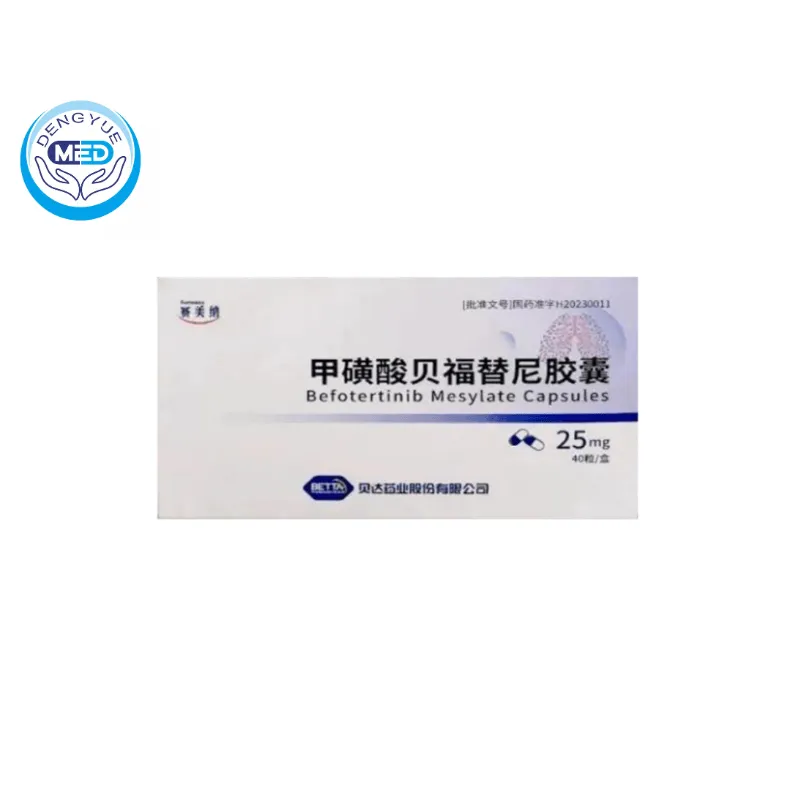
Saimeina (Befotertinib) – NSCLC | HongKong DengYue Medicine
- Generic Name/Brand Name: Befotertinib/Saimeina
- Indications: EGFR-mutant advanced NSCLC
- Dosage Form: Hard capsules for oral administration
- Specification: 25 mg / 50 mg × 40 capsules
Befotertinib Application Scope
1. First-line treatment of adult patients with locally advanced or metastatic non-small cell lung cancer (NSCLC) harboring EGFR exon 19 deletion or exon 21 L858R mutations.
2. Treatment of adult patients with locally advanced or metastatic NSCLC who previously received EGFR-TKI therapy and have disease progression, and in whom EGFR T790M mutation is confirmed.
Befotertinib Characteristics
-
Ingredients: Befotertinib
-
Properties: Light yellow to yellow solid
-
Packaging Specification: Hard capsules, 25 mg and 50 mg strengths
-
Storage: Store at room temperature; no special storage conditions required
-
Expiry Date: Refer to the date printed on the outer package; shelf life is as indicated by the manufacturer
-
Executive Standard: Chinese National Drug Standard as approved by NMPA
-
Approval Number: China NMPA Approval Nos. 国药准字 H20230011 / H20230012
-
Date of Revision: See the latest approved package insert for revision date
-
Manufacturer: Betta Pharmaceuticals Co., Ltd. (Hangzhou, China)
Guidelines for the Use of Befotertinib
-
Dosage and Administration:
-
Recommended Dose:
-
Start with 75 mg orally once daily for the first 21 days.
If no ≥Grade 2 thrombocytopenia or ≥Grade 2 headache occurs, increase to 100 mg once daily from Day 22 onward. -
Continue until disease progression or unacceptable toxicity.
-
-
Administration: Take orally at approximately the same time each day, with or without food.
-
Missed Dose: If a dose is missed and more than 12 hours remain before the next scheduled dose, take the missed dose. Otherwise, skip the missed dose and resume the regular schedule.
-
-
Adverse Reactions:
-
Common Adverse Reactions: Thrombocytopenia, headache, rash, anemia, leukopenia, elevated liver enzymes (ALT/AST).
-
Serious Adverse Reactions: Grade ≥3 thrombocytopenia, interstitial lung disease/pneumonitis, venous thromboembolism (including pulmonary embolism), significant liver function abnormalities, and QT interval prolongation.
-
-
Contraindications:
-
Known hypersensitivity to befotertinib or any component of the formulation.
-
Use during pregnancy or breastfeeding is not recommended unless clearly necessary.
-
-
Precautions:
-
Monitor platelet counts, liver function, and ECG (QT interval) during treatment.
-
Monitor for symptoms of interstitial lung disease (new or worsening cough, dyspnea).
-
Caution in patients with history of thromboembolic events.
-
Dose interruption or reduction may be required for severe toxicity.
-
Befotertinib Interactions
-
Metabolized primarily by CYP3A4. Avoid concomitant use with strong CYP3A4 inhibitors or inducers (e.g., ketoconazole, rifampin) whenever possible.
-
Caution with drugs affecting P-glycoprotein transport or with other agents known to prolong the QT interval.
Note:
- If there is a new packaging for the drug, the new packaging shall prevail. The above information is sourced from DengYue Medicine.
- This content is for reference only. Prescription drugs must be used under a doctor’s guidance and purchased from authorized sources.
Related products
-

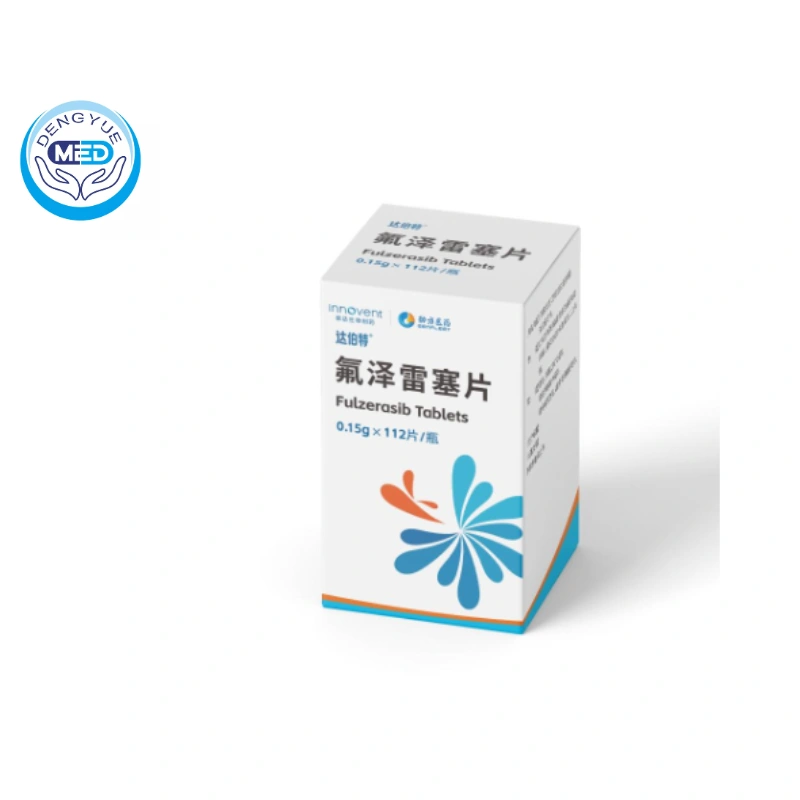
Fulzerasib|Non-Small Cell Lung Cancer (NSCLC)|HongKong DengYue Medicine
-
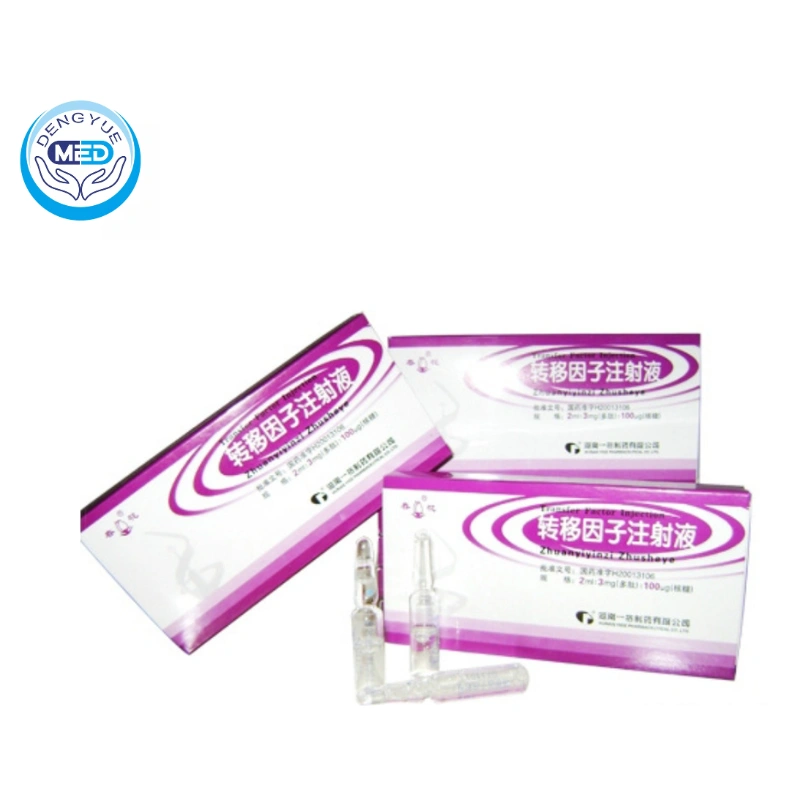
Transfer Factor Injection | Other Tumors | HK DengYueMed
-
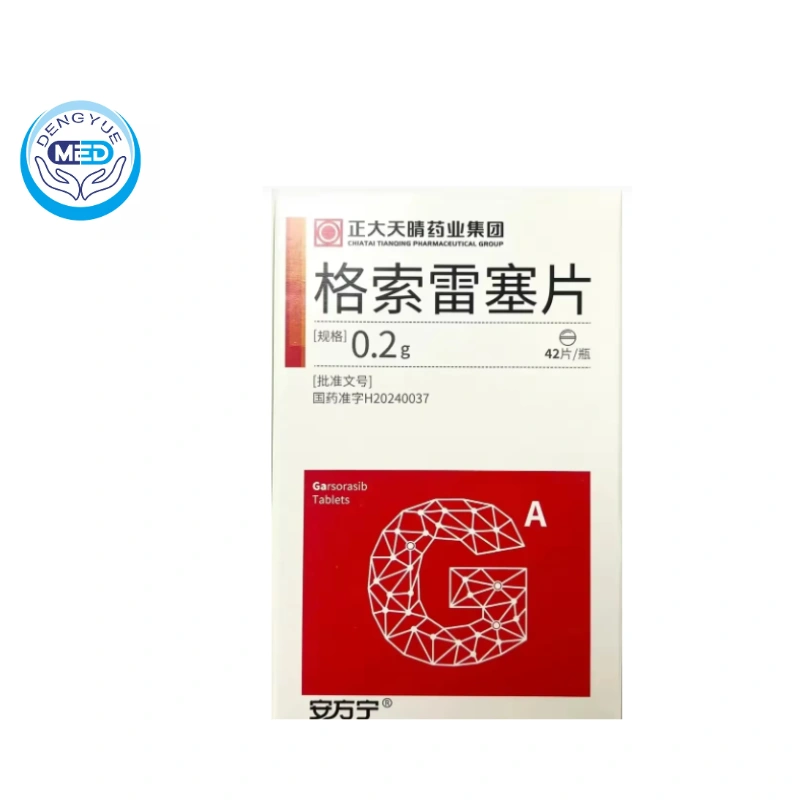
Anfangning (Garsorasib) – NSCLC | HongKong DengYue Medicine
-
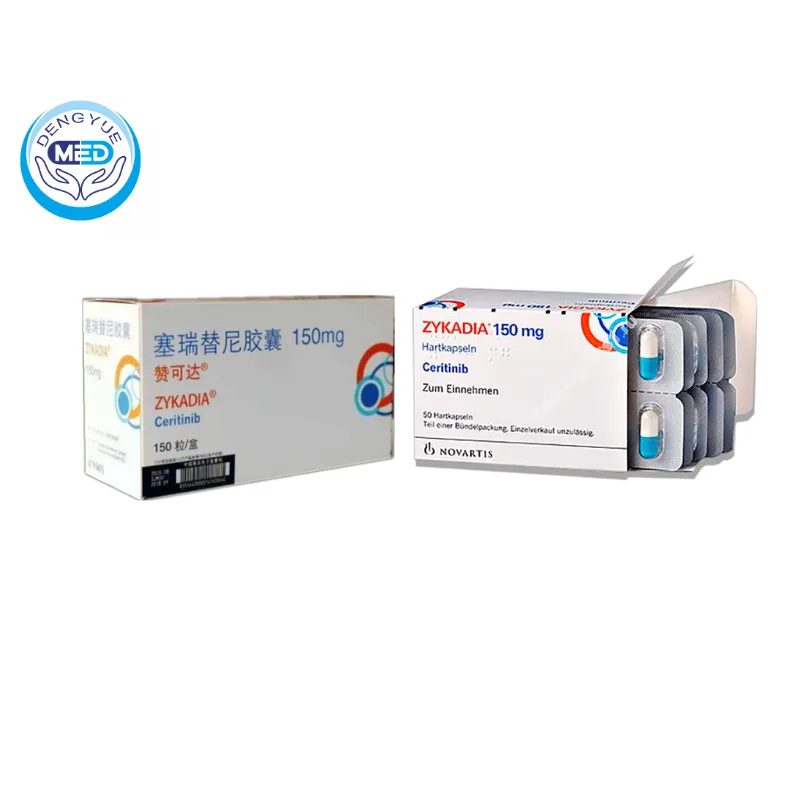
Zykadia (Ceritinib) – NSCLC | HongKong DengYue Medicine
-
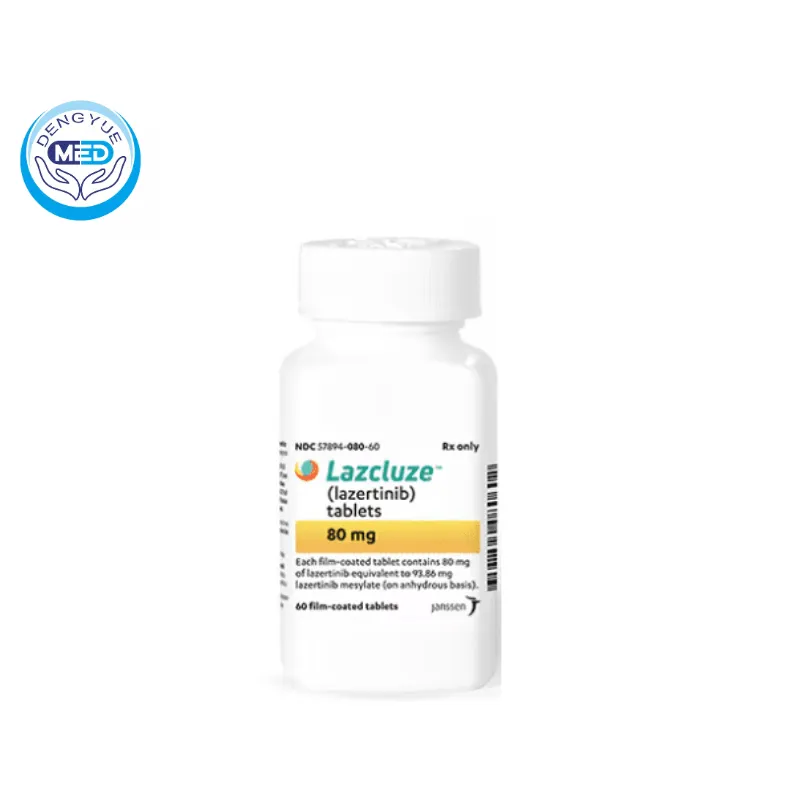
Lazertinib | Non-Small Cell Lung Cancer | HongKong DengYue Medicine
-
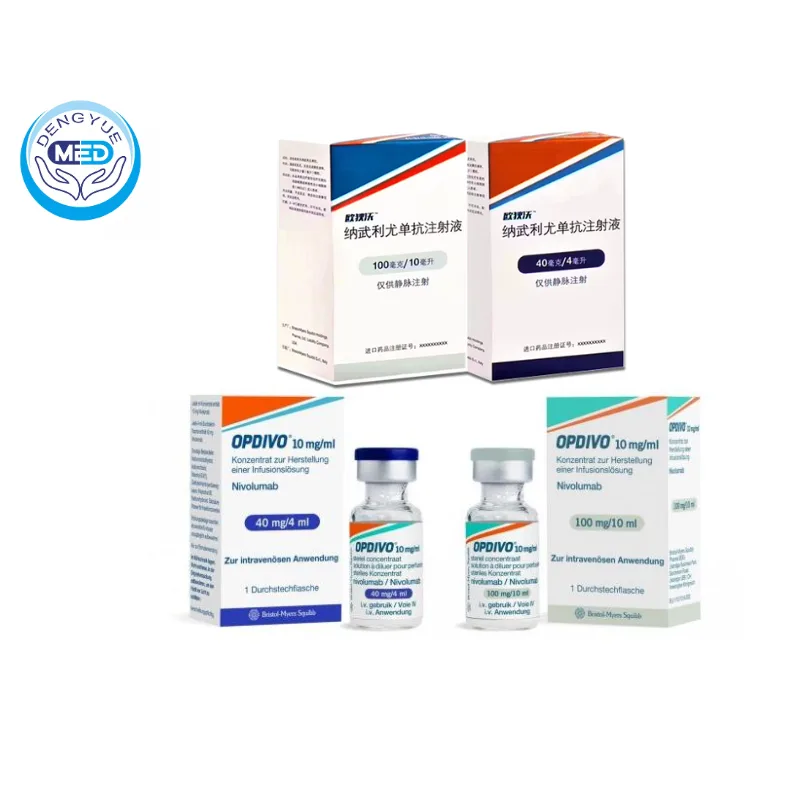
Opdivo (Nivolumab) – NSCLC | HongKong DengYue Medicine
-
Lorbrena (Lorlatinib) – Lymphoma Kinase | HongKong DengYue Medicine
-
Repotrectinib NTRK | Non-small Cell Lung Cancer
Reviews
There are no reviews yet.