
Mektovi (Binimetinib) – Melanoma | HongKong DengYue Medicine
- Generic Name/Brand Name: Binimetinib/Mektovi
- Indications: Melanoma & NSCLC
- Dosage Form: Film-coated tablet (Oral use)
- Specification: 15 mg × 84
Binimetinib Application Scope
- Used in combination with encorafenib (a BRAF inhibitor).
- Treatment of patients with unresectable or metastatic melanoma with a BRAF V600E or V600K mutation, as detected by an FDA-approved test.
- Treatment of adult patients with metastatic non-small cell lung cancer (NSCLC) with a BRAF V600E mutation, as detected by an FDA-approved test.
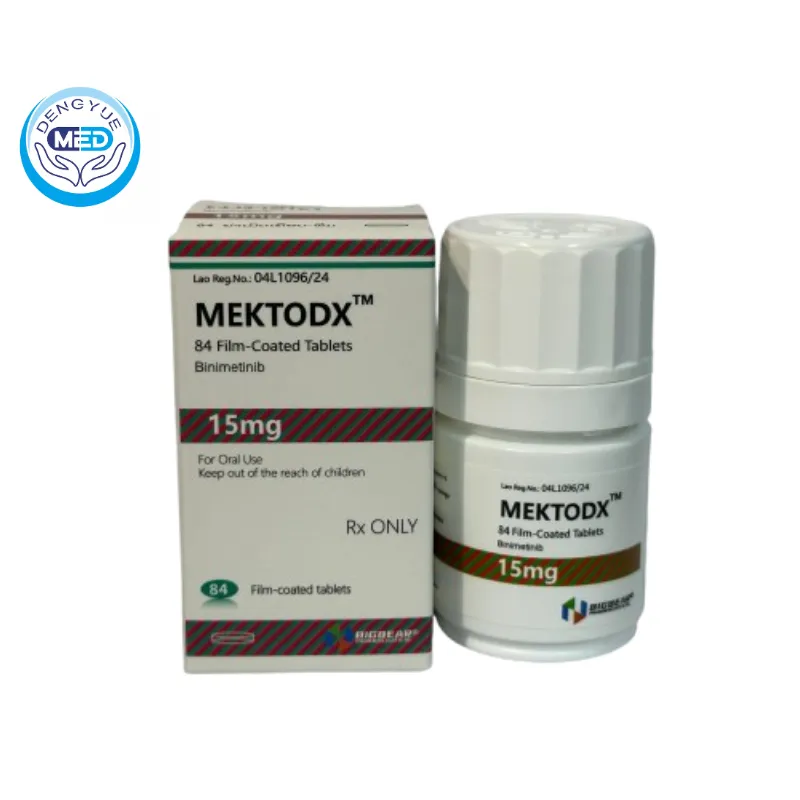
Binimetinib Characteristics
-
Ingredients: Binimetinib
-
Properties: A kinase inhibitor, specifically a reversible inhibitor of mitogen-activated extracellular signal-related kinase 1 () and activity (antineoplastic/cancer medicine).
-
Packaging Specification: 15 mg × 84 tablets
-
Storage: Store at room temperature, typically to ( to ); excursions permitted between and ( and ). Keep in a closed container, away from heat, moisture, and direct light. Keep from freezing.
-
Expiry Date: Varies by batch and packaging.
-
Executive Standard: Varies by country’s regulatory authority. (e.g., FDA-approved label for MEKTOVI)
-
Approval Number: Varies by country. (e.g., NDA 210498 in the US for MEKTOVI)
-
Date of Revision: Varies by regulatory authority updates.
-
Manufacturer: Array BioPharma Inc. (US Approval), now part of Pfizer.
Guidelines for the Use of Binimetinib
-
Dosage and Administration:
-
Recommended Dose: orally two times a day (twice daily), taken approximately hours apart. For patients with moderate or severe hepatic impairment, the recommended dose is orally twice daily.
-
Administration: Take with or without food.
-
Missed Dose: If a dose is missed, do not take it if it is within hours of the next scheduled dose. Continue with the regular dosing schedule.
-
-
Adverse Reactions:
-
Common Adverse Reactions: Fatigue, nausea, diarrhea, vomiting, abdominal pain, musculoskeletal pain, visual impairment (including serous retinopathy), constipation, dyspnea, rash, and cough (profile may vary slightly by indication).
-
Serious Adverse Reactions:
- Cardiomyopathy (Left Ventricular Dysfunction)
- Venous Thromboembolism (Deep Vein Thrombosis and Pulmonary Embolism)
- Ocular Toxicities (Serous Retinopathy/Retinal Pigment Epithelial Detachment, Retinal Vein Occlusion (), Uveitis)
- Pulmonary Effects (Interstitial Lung Disease/Pneumonitis)
- Hepatotoxicity ( elevation)
- Rhabdomyolysis ( elevation)
- New Primary Malignancies (cutaneous and non-cutaneous)
- Hemorrhage (including major hemorrhagic events)
-
-
Contraindications:
-
Known hypersensitivity to binimetinib or excipients.
-
Not recommended in pregnancy or breastfeeding.
-
-
Precautions:
- Assess Left Ventricular Ejection Fraction () prior to initiation and monitor during treatment.
- Monitor for New Primary Malignancies (cutaneous and non-cutaneous) before, during, and after treatment.
- Monitor for signs of Hemorrhage and Venous Thromboembolism.
- Perform Ophthalmologic Evaluation at regular intervals and for any visual disturbances.
- Monitor Liver Function Tests () monthly and as clinically indicated.
- Monitor Creatine Phosphokinase () and Creatinine levels periodically.
- Embryo-Fetal Toxicity: Can cause fetal harm. Advise females of reproductive potential to use effective contraception during treatment and for days after the final dose.
- Lactation: Advise women not to breastfeed during treatment and for days after the final dose
Binimetinib Interactions
- Refer to the full prescribing information for a complete list. Binimetinib is primarily metabolized by glucuronidation () and has minor metabolic pathways involving and .
- Dose modification of binimetinib is not generally recommended when used with moderate inhibitors (e.g., atazanavir) or gastric acid reducing agents (e.g., rabeprazole), as simulations suggest no clinically important effect on exposure.
- The manufacturer’s label does not list severe or serious drug interactions for binimetinib itself. However, the combination therapy with encorafenib (Braftovi) has significant drug-drug interactions involving and that must be considered and managed.
Note:
- If there is a new packaging for the drug, the new packaging shall prevail. The above information is sourced from DengYue Medicine.
- This content is for reference only. Prescription drugs must be used under a doctor’s guidance and purchased from authorized sources.
Related products
-

Taletrectinib Adipate Capsules|Non–small cell lung cancer
-

Lorbrena (Lorlatinib) – Lymphoma Kinase | HongKong DengYue Medicine
-
Chloroxoquinoline Capsules | Lung Cancer
-
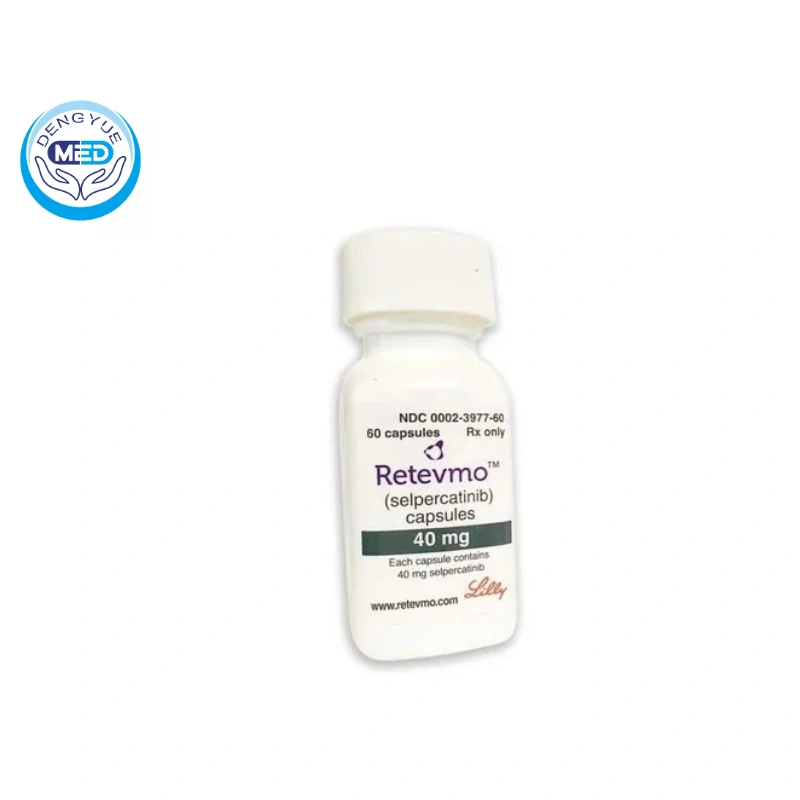
Selpercatinib|Thyroid Cancer|HongKong DengYue Medicine
-
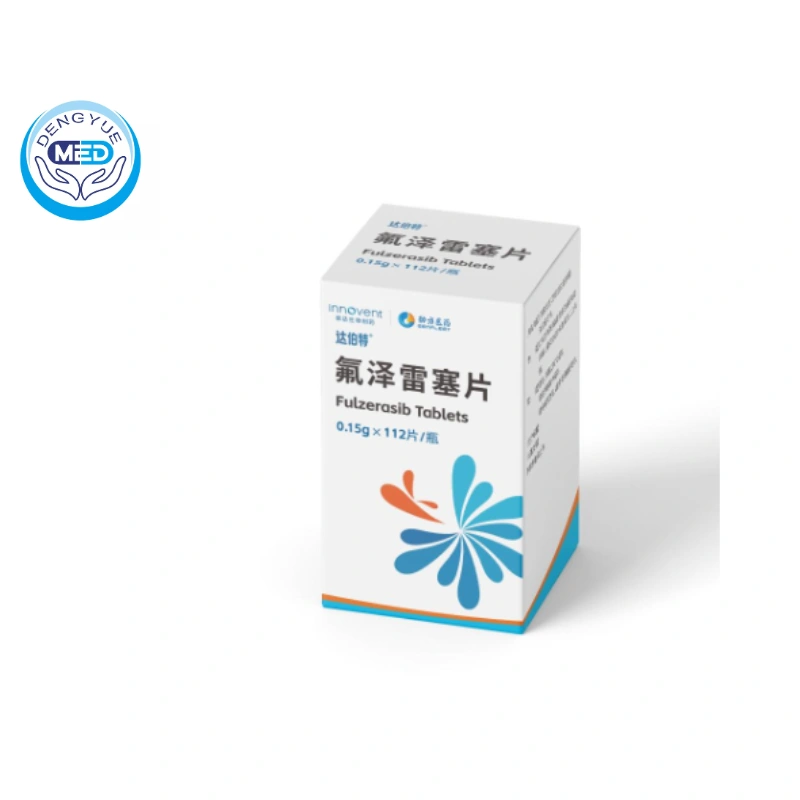
Fulzerasib|Non-Small Cell Lung Cancer (NSCLC)|HongKong DengYue Medicine
-
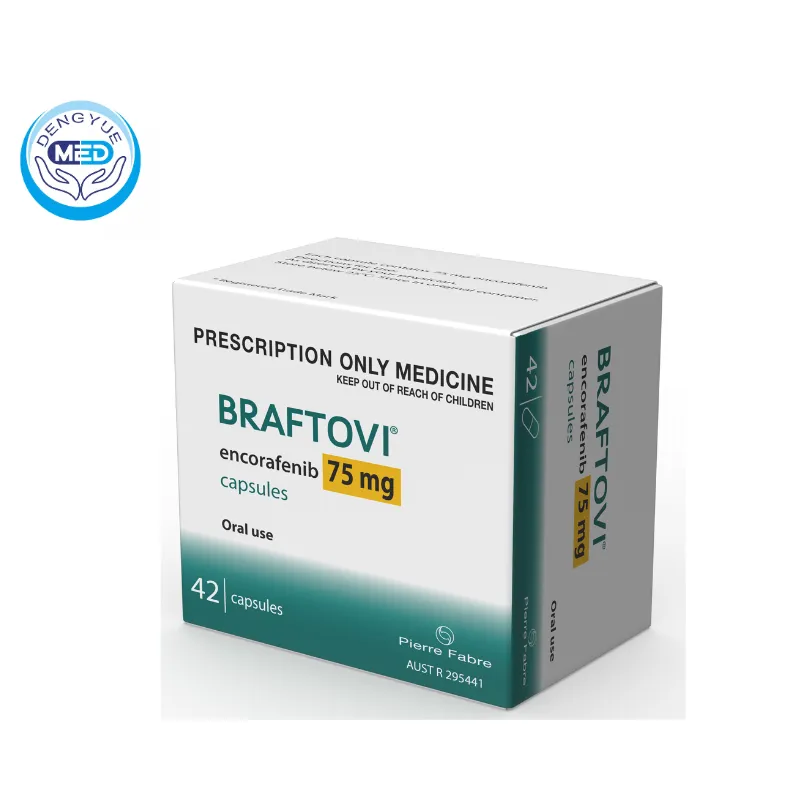
Encorafenib|Non-Small Cell Lung Cancer|HongKong DengYue Medicine
-
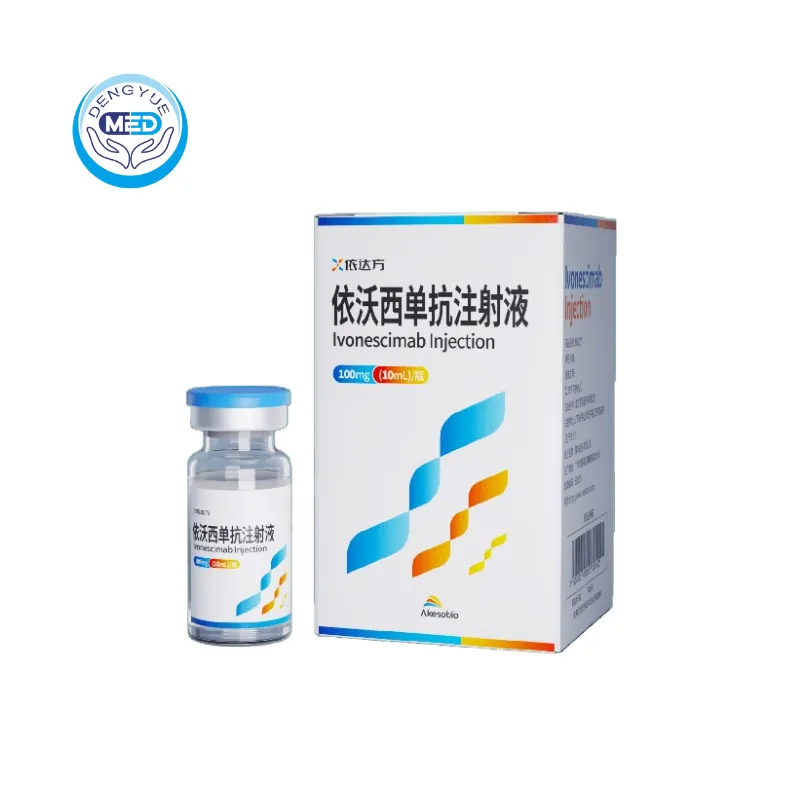
Yidafang (Ivonescimab) – NSCLC | HongKong DengYue Medicine
-
Zykadia (Ceritinib) – NSCLC | HongKong DengYue Medicine
Reviews
There are no reviews yet.