
Interferon Gamma-1b|Lymphoma|HongKong DengYue Medicine
- Name/Brand Name: Interferon Gamma-1b/Actimmune (primary brand name)
- Indication: Chronic granulomatous disease (CGD), Severe malignant osteopetrosis
- Dosage Form: Subcutaneous solution (preservative-free)
- Specification: 2,000,000 international units (100 mcg)/0.5 mL per vial
Interferon Gamma-1b Application Scope
Interferon gamma-1b (IFNγ-1b) is a recombinant cytokine with multiple therapeutic applications:
- Chronic Granulomatous Disease (CGD): Reduces frequency and severity of serious infections in patients with this rare genetic disorder affecting phagocyte function
- Severe Malignant Osteopetrosis: Delays time to disease progression in patients with this severe bone disorder
- Investigational Uses:
- Prevention of secondary infections in ICU-acquired sustained immunosuppression (Phase 3 trial)
- Treatment of relapsed acute myeloid leukemia (AML) and myelodysplastic syndromes (MDS) after stem cell transplantation (Phase 2 trial)
- Adjunctive therapy for chronic pulmonary aspergillosis (Phase 2 trial)
- Potential treatment for cutaneous T-cell lymphoma (off-label use)
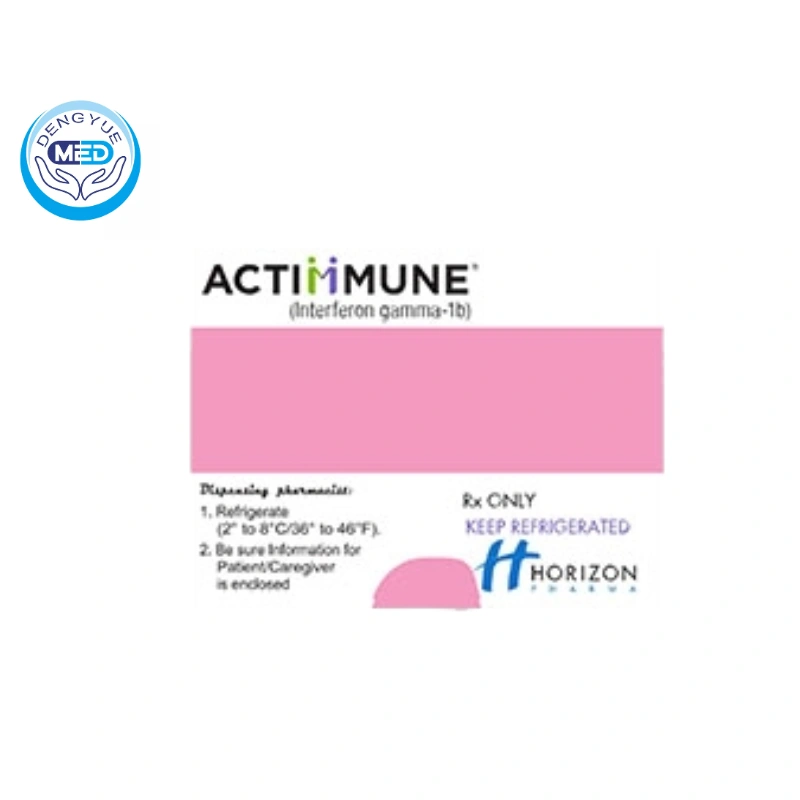
Interferon Gamma-1b Characteristics
Ingredients
- Active ingredient: Recombinant human interferon gamma-1b produced in E. coli
Properties
- Molecular formula: C761H1206N214O225S
- Molecular weight: 17,145.6 g/mol
- Water-soluble dimeric cytokine (Type II interferon)
Specification
- Concentration: 2,000,000 international units (100 mcg)/0.5 mL
Packaging Specification
- Single-dose vials containing 0.5 mL solution
Storage
- Store at 2-8°C (36-46°F); do not freeze
- May be kept at room temperature for ≤12 hours before use
Expiry Date
- Typically 24 months when stored properly
Executive Standard
- Manufactured under current Good Manufacturing Practices (cGMP)
Approval Number
- Varies by country/region; original brand Actimmune approved in US (1990)
Date of Revision
- Varies by manufacturer; check specific product labeling
Manufacturer
- Originally developed by Genentech; currently marketed by Horizon Therapeutics (Actimmune)
Guidelines for Use Interferon Gamma-1b
Dosage and Administration
- Chronic Granulomatous Disease:
- BSA >0.5 m²: 50 mcg/m² (1 million units/m²) subcutaneously 3 times weekly
- BSA ≤0.5 m²: 1.5 mcg/kg subcutaneously 3 times weekly
- Malignant Osteopetrosis:
- Same dosing as for CGD
- Administration:
- Subcutaneous injection in deltoid or anterior thigh
- Rotate injection sites
- Do not mix with other drugs in same syringe
Adverse Reactions
Common (>10%):
- Fever (52%)
- Headache (33%)
- Chills (14%)
- Fatigue (14%)
- Rash (17%)
- Diarrhea (14%)
- Vomiting (13%)
- Injection site erythema/tenderness (14%)
Serious (require immediate medical attention):
- CNS effects (confusion, hallucinations, seizures)
- Bone marrow suppression (neutropenia, thrombocytopenia)
- Hypersensitivity reactions
- Renal insufficiency
- Hepatotoxicity
Contraindications
- Hypersensitivity to interferon gamma-1b or E. coli-derived products
- History of severe cardiac disease
Precautions
- Cardiovascular: Use caution in patients with preexisting cardiac conditions
- CNS disorders: May exacerbate preexisting conditions; use caution in seizure disorders
- Hepatic/renal impairment: Requires dose adjustment in severe cases
- Hematologic: Monitor blood counts regularly
- Pregnancy/Lactation: Use only if potential benefit justifies risk
Interferon Gamma-1b Interactions
Drug Interactions
- Zidovudine: May enhance toxicity and decrease metabolism
- Myelosuppressive agents: Increased risk of hematologic toxicity
- Centrally-acting drugs: Potential for additive CNS effects
Note:
- If there is a new packaging for the drug, the new packaging shall prevail. The above information is sourced from DengYue Medicine.
- It is only for internal discussion among medical staff and does not serve as a basis for medication. For specific medication guidelines, please consult the attending physician.
Contact Us
Related products
-

Zolinza (Vorinostat) – CTCL | HongKong DengYue Medicine
-
Methotrexate 2.5mg Tablets | Cancer Chemotherapy
-
Polivy (Polatuzumab Vedotin) – DLBCL | HongKong DengYue Medicine
-
Polivy (Polatuzumab Vedotin-piiq) – DLBCL | DengYue Medicine
-
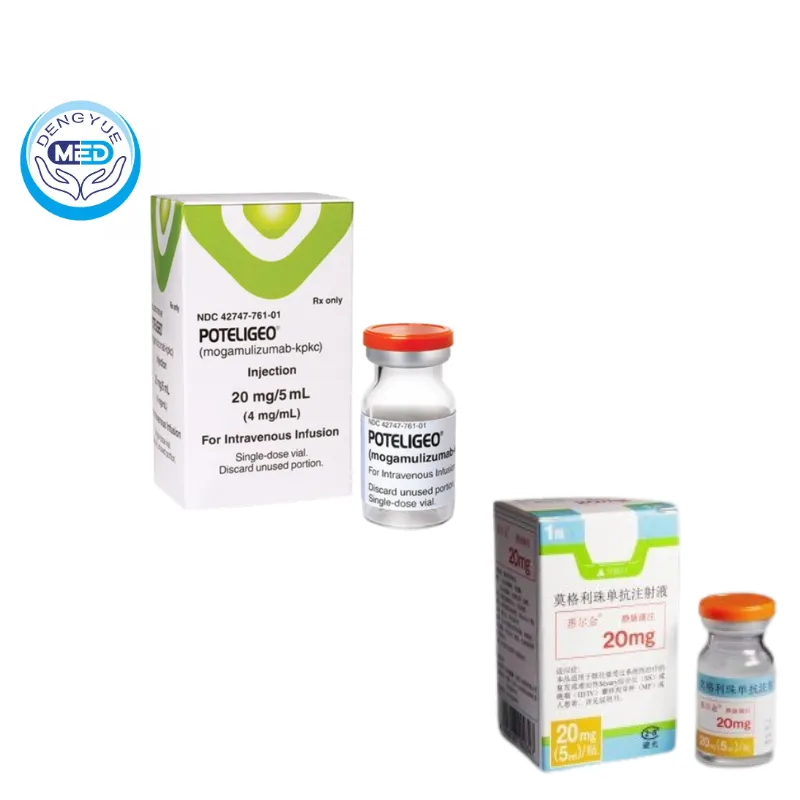
Poteligeo (Mogamulizumab) – CTCL | HongKong DengYue Medicine
-
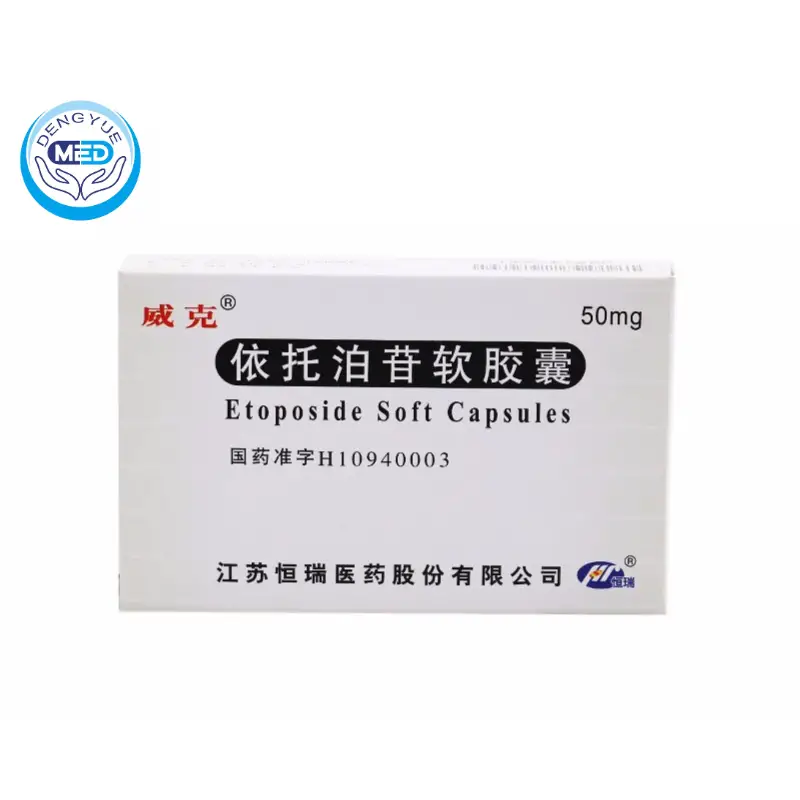
Etoposide Soft Capsules | Ovarian Cancer | China Medicine Wholesaler
-
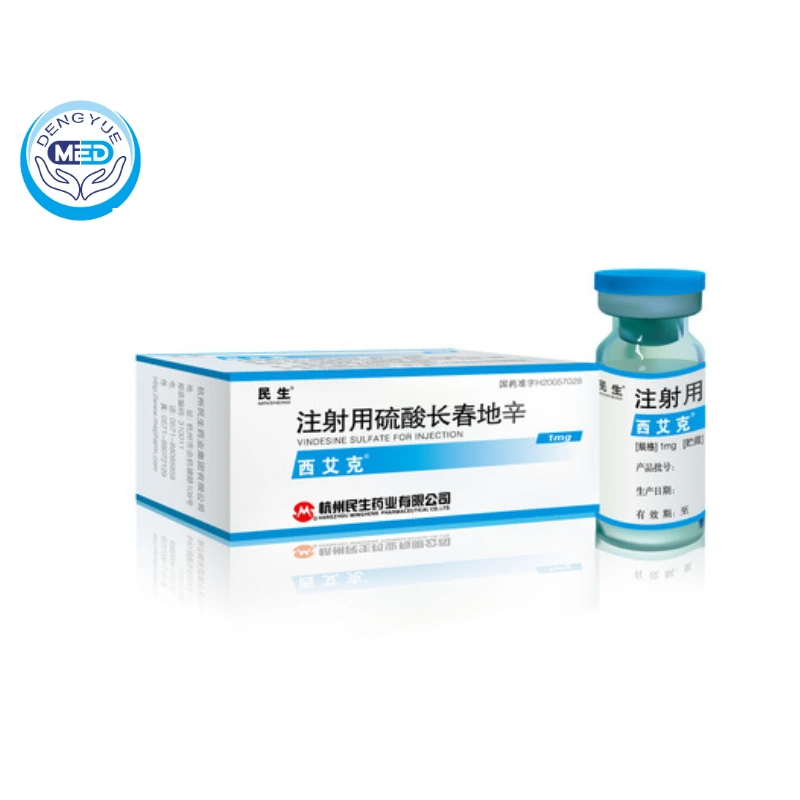
Vindesine Sulfate For Injection | Melanoma | HK DengYue
-
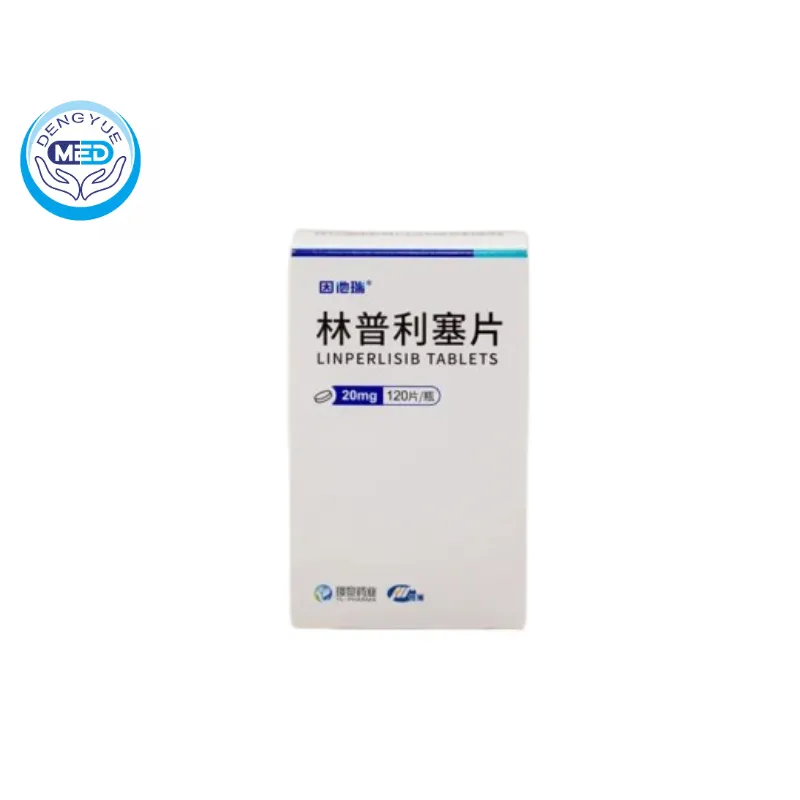
Yintarui (Linperlisib) – R/R FL | HongKong DengYue Medicine

Reviews
There are no reviews yet.