
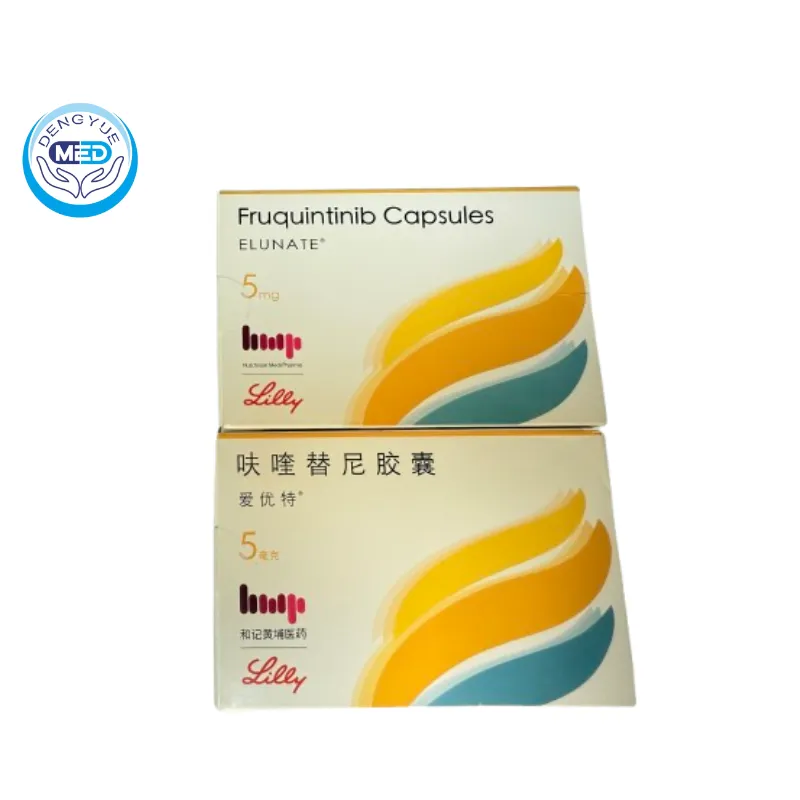
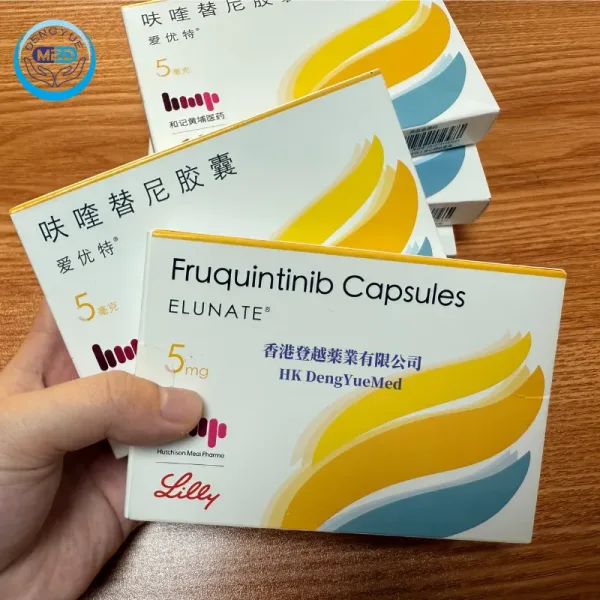
Fruquintinib Capsules | Colorectal Cancer | HK DengYue
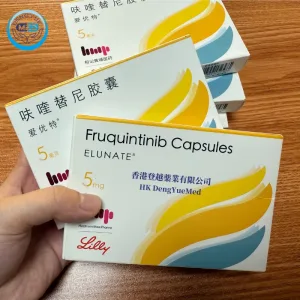
- Generic Name/Brand Name: Fruquintinib / ELUNATE®
- Indications: Treatment of adult patients with metastatic colorectal cancer (mCRC) who have been previously treated with standard therapies.
- Dosage Form: Oral capsules
- Specification: 1 mg and 5 mg capsules
Fruquintinib Application Scope
ELUNATE® is indicated for the treatment of adult patients with metastatic colorectal cancer (mCRC) who have been previously treated with fluoropyrimidine, oxaliplatin, and irinotecan-based chemotherapy, including those who have received prior anti-VEGF therapy and/or anti-EGFR therapy (RAS wild-type) .
Fruquintinib Characteristics
-
Ingredients: Each capsule contains fruquintinib as the active ingredient.
-
Properties: Fruquintinib is a highly selective and potent oral inhibitor of vascular endothelial growth factor receptors (VEGFR) -1, -2, and -3, designed to inhibit tumor angiogenesis with improved kinase selectivity to minimize off-target toxicities .
-
Specification: Available in 1 mg and 5 mg oral capsules.
-
Packaging Specification: Specific packaging details are not provided in the available sources.
-
Storage: Store at 20°C to 25°C (68°F to 77°F).
-
Expiry Date: Refer to the packaging for the expiration date.
-
Executive Standard: Not specified in the provided sources.
-
Approval Number: Approved by the China National Medical Products Administration (NMPA) in September 2018 .
-
Date of Revision: Not specified in the provided sources.
-
Manufacturer: HUTCHMED and Eli Lilly and Company co-market ELUNATE® in China
Guidelines for the Use of Fruquintinib
-
Dosage and Administration: The recommended dosage is 5 mg orally once daily on days 1 through 21 of each 28-day cycle. Fruquintinib can be taken with or without food. No dose adjustments are recommended for mild to moderate renal or hepatic impairment.
-
Adverse Reactions: Common adverse reactions include hypertension, hand-foot skin reaction (palmar-plantar erythrodysesthesia), proteinuria, dysphonia, abdominal pain, diarrhea, and asthenia.
-
Contraindications: There are no known contraindications.
-
Precautions:
-
Hypertension: Monitor blood pressure prior to and during treatment. Do not initiate treatment unless blood pressure is adequately controlled.
-
Hepatotoxicity: Monitor liver function tests before initiation and periodically during treatment.
-
Proteinuria: Monitor for proteinuria before and during treatment.
-
Impaired Wound Healing: Do not administer for at least 2 weeks before or after major surgery.
-
Embryo-Fetal Toxicity: Fruquintinib can cause fetal harm. Advise females of reproductive potential and males with female partners of reproductive potential to use effective contraception during treatment and for 2 weeks after the last dose.
-
Interactions
-
Drug Interactions:
-
Fruquintinib is metabolized primarily by CYP3A4.
-
Avoid concomitant use with strong CYP3A inducers (e.g., rifampin) as they may decrease fruquintinib plasma concentrations, potentially reducing efficacy.
-
If possible, avoid concomitant use with moderate CYP3A inducers (e.g., efavirenz). If unavoidable, continue fruquintinib at the recommended dosage.
-
No clinically significant interactions observed with strong CYP3A inhibitors (e.g., itraconazole), proton pump inhibitors (e.g., rabeprazole), or P-glycoprotein substrates (e.g., dabigatran etexilate).
-
Note:
- If there is a new packaging for the drug, the new packaging shall prevail. The above information is sourced from DengYue Medicine.
- It is only for internal discussion among medical staff and does not serve as a basis for medication. For specific medication guidelines, please consult the attending physician.
Related products
-

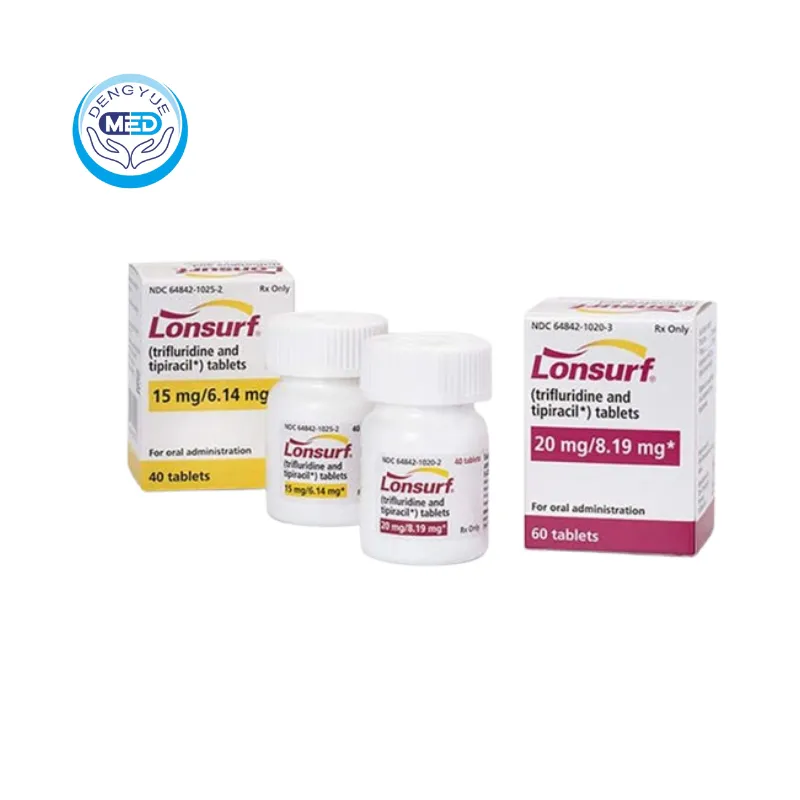
Lonsurf (Trifluridine/Tipiracil) – Colorectal Cancer | HongKong DengYue Medicine
-
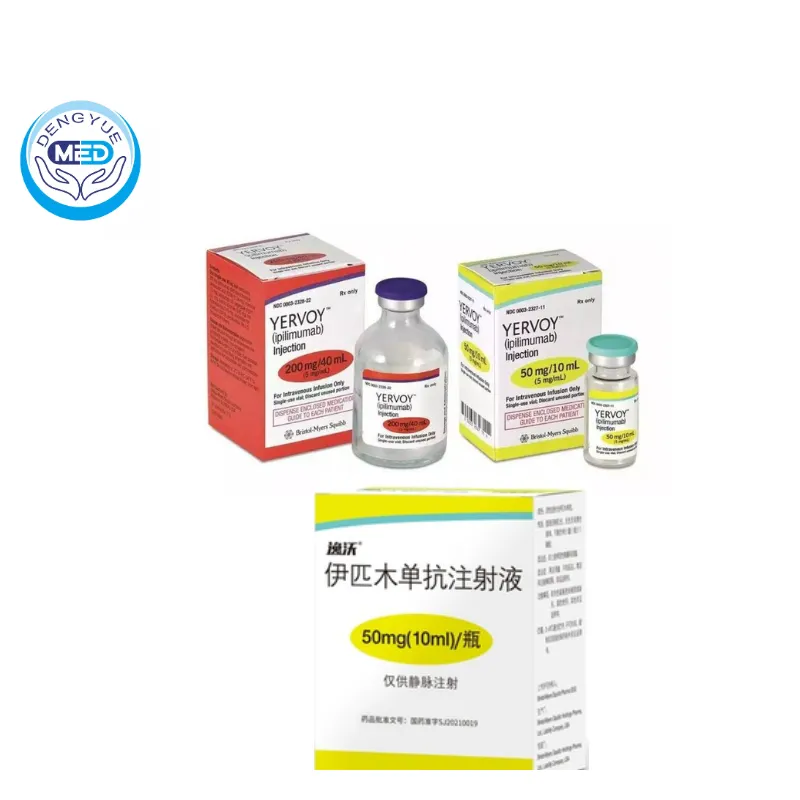
YERVOY (Ipilimumab) – Advanced Malignancies | HongKong DengYue Medicine
-
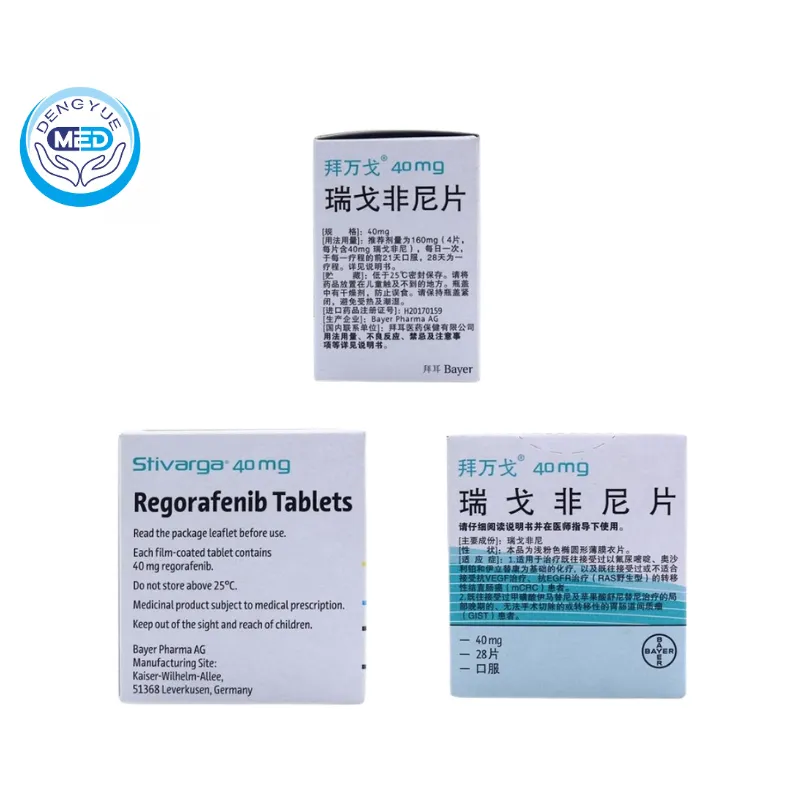
Stivarga (Regorafenib) – Colorectal cancer | HongKong DengYue Medicine
-
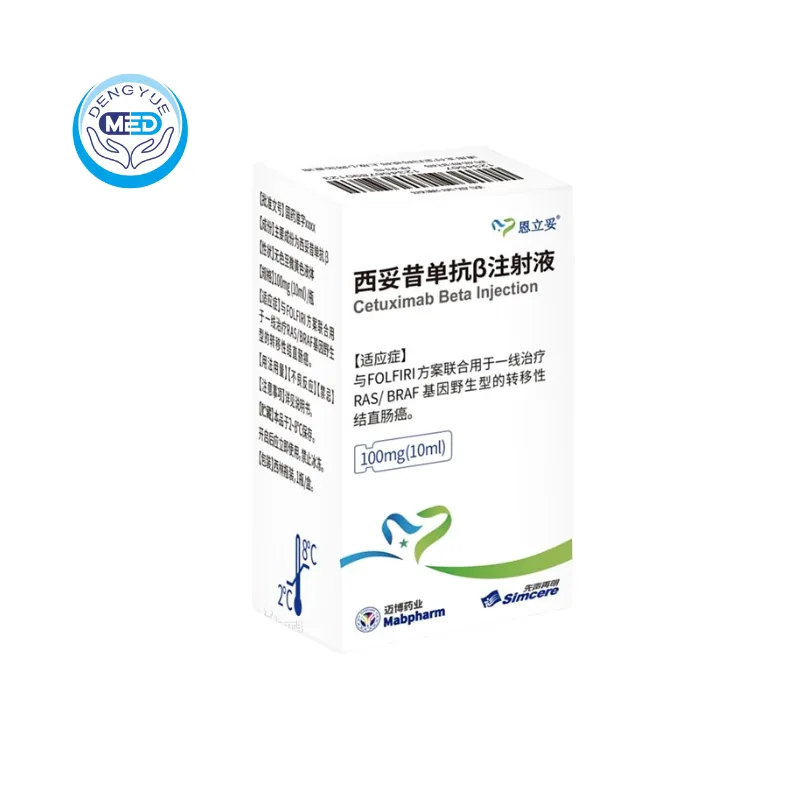
Enlitux (Cetuximab Beta Injection) – Colorectal Cancer | HongKong DengYue Medicine
-
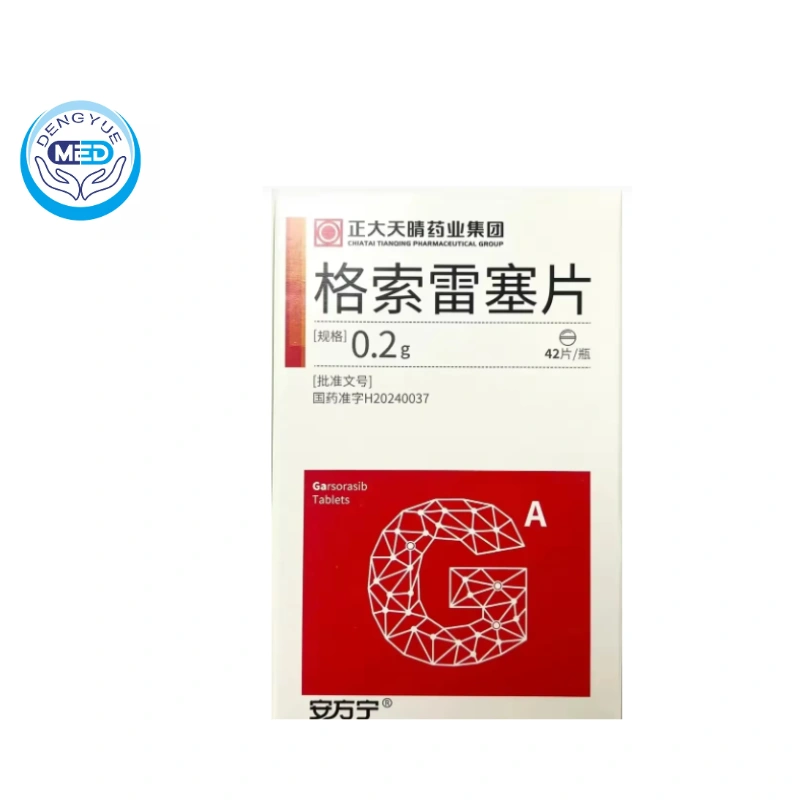
Anfangning (Garsorasib) – NSCLC | HongKong DengYue Medicine
-
Eloxatin (Oxaliplatin) – Colorectal Cancer | HongKong DengYue Medicine
-
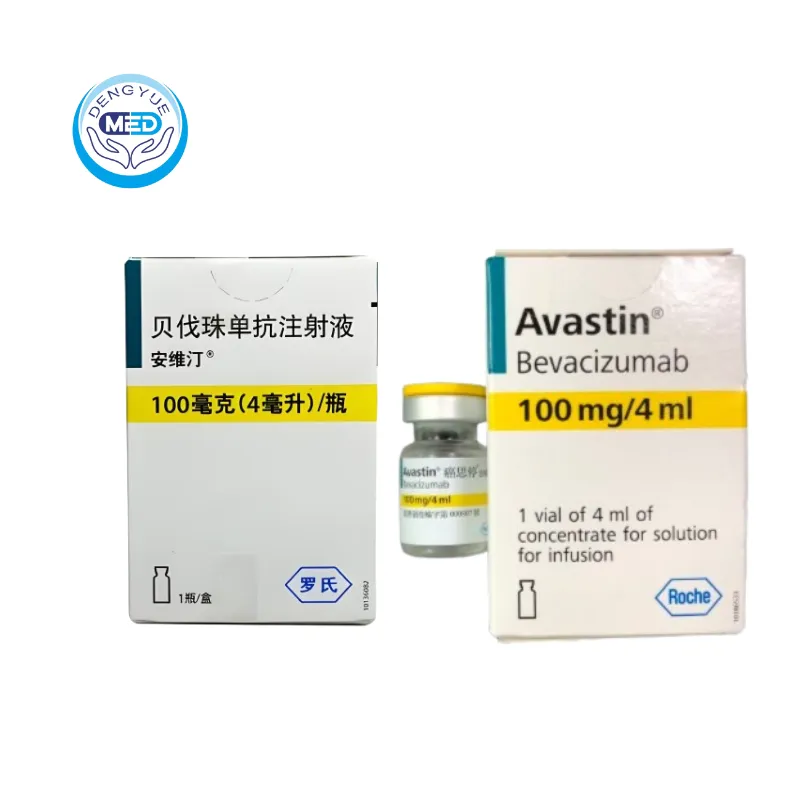
Avastin (Bevacizumab) – mCRC & NSCLC | HongKong DengYue Medicine
-
Azathioprine Tablets


Reviews
There are no reviews yet.