
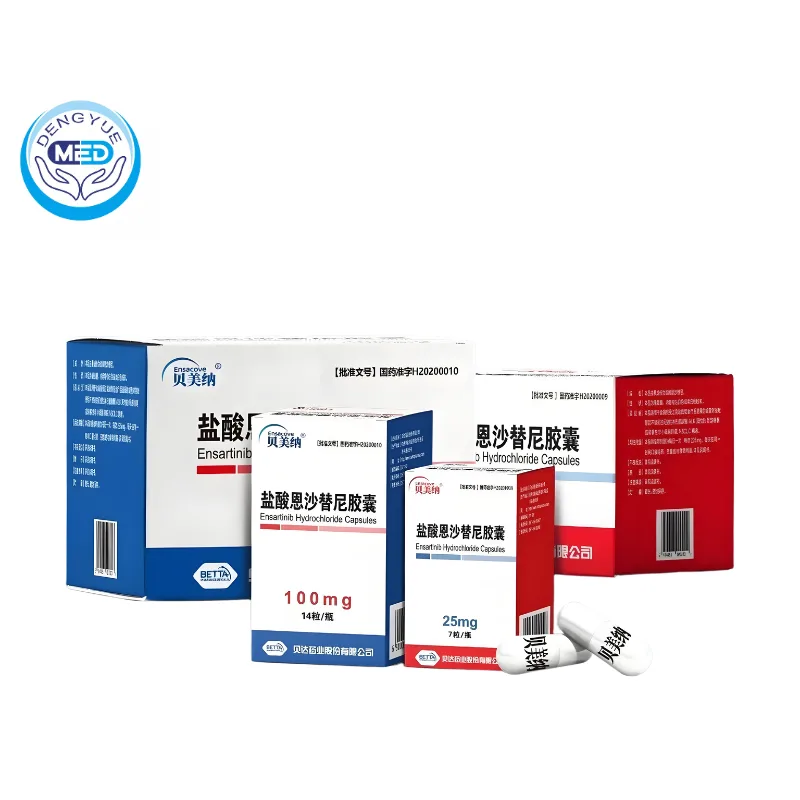
Ensartinib | Non-small Cell Lung Cancer | HongKong DengYue Medicine
- Generic Name/Brand Name: Ensartinib hydrochloride/Ensacove
- Indications:Non-small cell lung cancer
- Dosage Form: Capsules for oral administration.
- Specification: Available in 25 mg and 100 mg capsule strengths.
Ensartinib Application Scope
Ensartinib is primarily used for the treatment of ALK-positive non-small cell lung cancer (NSCLC). It is an oral, potent, second-generation ALK tyrosine kinase inhibitor (TKI) designed to overcome resistance seen with first-generation TKIs like crizotinib.
Ensartinib Characteristics
-
Ingredients:
-
Active Ingredient: Ensartinib hydrochloride
-
Inactive Ingredients: Microcrystalline cellulose, stearic acid.
-
-
Properties:Ensartinib is a small molecule kinase inhibitor that selectively targets ALK and its variants, inhibiting tumor cell proliferation.
-
Packaging Specification:Supplied in bottles containing 30 capsules.
-
Storage:Store at 20°C to 25°C (68°F to 77°F); excursions permitted between 15°C and 30°C (59°F and 86°F).
-
Expiry Date: 30 months from the date of manufacture when stored under recommended conditions.
-
Executive Standard: Refer to the prescribing information approved by regulatory authorities.
-
Approval Number:NDA 218171 (U.S. FDA)
-
Date of Revision: December 2024
-
Manufacturer:Xcovery Holdings, Inc.
Guidelines for the Use of Ensartinib
-
Dosage and Administration:
-
Recommended Dose: 225 mg orally once daily with or without food until disease progression or unacceptable toxicity.
-
Administration: Swallow capsules whole; do not crush, chew, or open.
-
-
Adverse Reactions:
-
Common Adverse Reactions (≥20%): Rash, pruritus, nausea, vomiting, diarrhea, fatigue, edema, and increased liver enzymes.
-
Serious Adverse Reactions: Interstitial lung disease/pneumonitis, hepatotoxicity, and visual disturbances.
-
-
Contraindications: Hypersensitivity to Ensacove or any of its components.
-
Precautions:
-
Hepatotoxicity: Monitor liver function tests periodically.
-
Interstitial Lung Disease/Pneumonitis: Monitor for pulmonary symptoms; discontinue if confirmed.
-
Visual Disturbances: Advise patients to report any visual symptoms.
-
Interactions
-
Drug Interactions:Coadministration with strong CYP3A inhibitors or inducers may affect Ensacove plasma concentrations; monitor accordingly.
Note:
- If there is a new packaging for the drug, the new packaging shall prevail. The above information is sourced from DengYue Medicine.
- It is only for internal discussion among medical staff and does not serve as a basis for medication. For specific medication guidelines, please consult the attending physician.
Related products
-

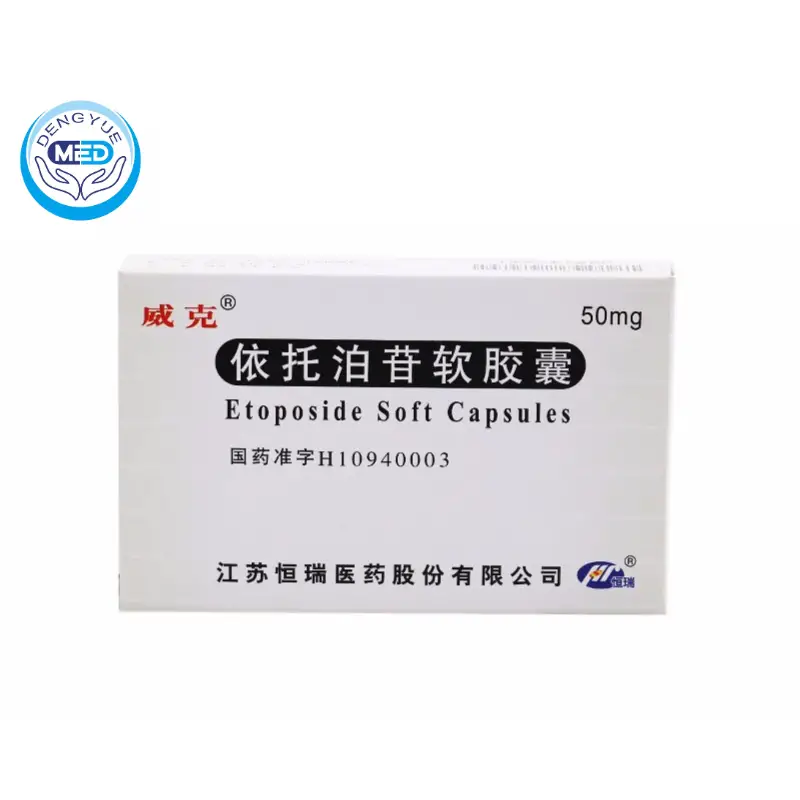
Etoposide Soft Capsules | Ovarian Cancer | China Medicine Wholesaler
-
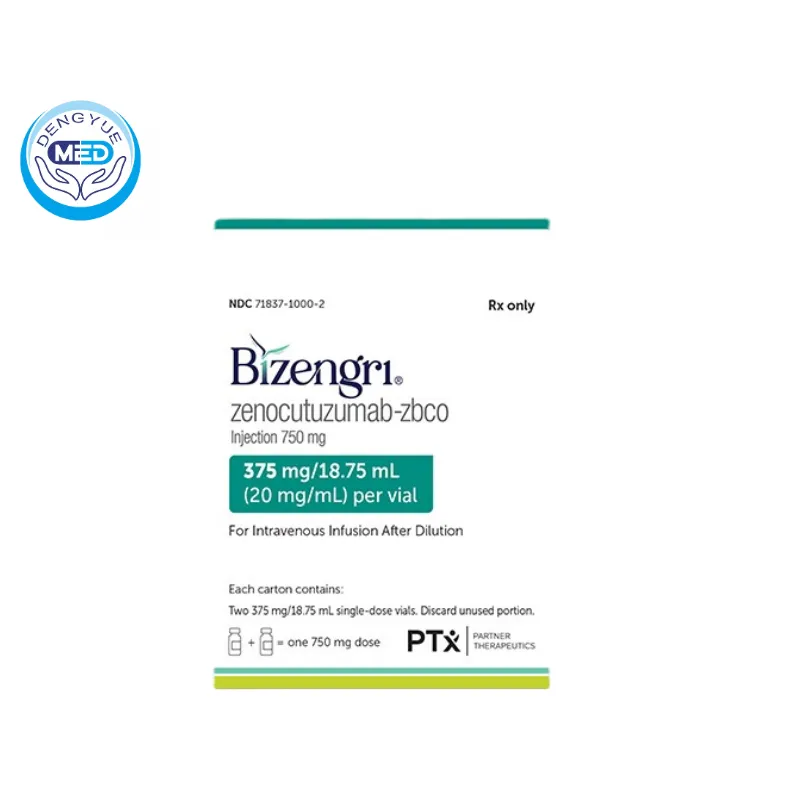
Zenocutuzumab-Zbco|Non-Small Cell Lung Cancer|HongKong DengYue Medicine
-
Methotrexate 2.5mg Tablets | Cancer Chemotherapy
-
Adagrasib Tablets | Lung Cancer | HK DengYueMed
-
Repotrectinib NTRK | Non-small Cell Lung Cancer
-
Fukewai (Anlotinib Hydrochloride) – NSCLC | HongKong DengYue Medicine
-
Keytruda (Pembrolizumab) – NSCLC | HongKong DengYue Medicine
-
Rezivertinib Mesylate Capsules|Non-Small Cell Lung Cancer (NSCLC)
Reviews
There are no reviews yet.