
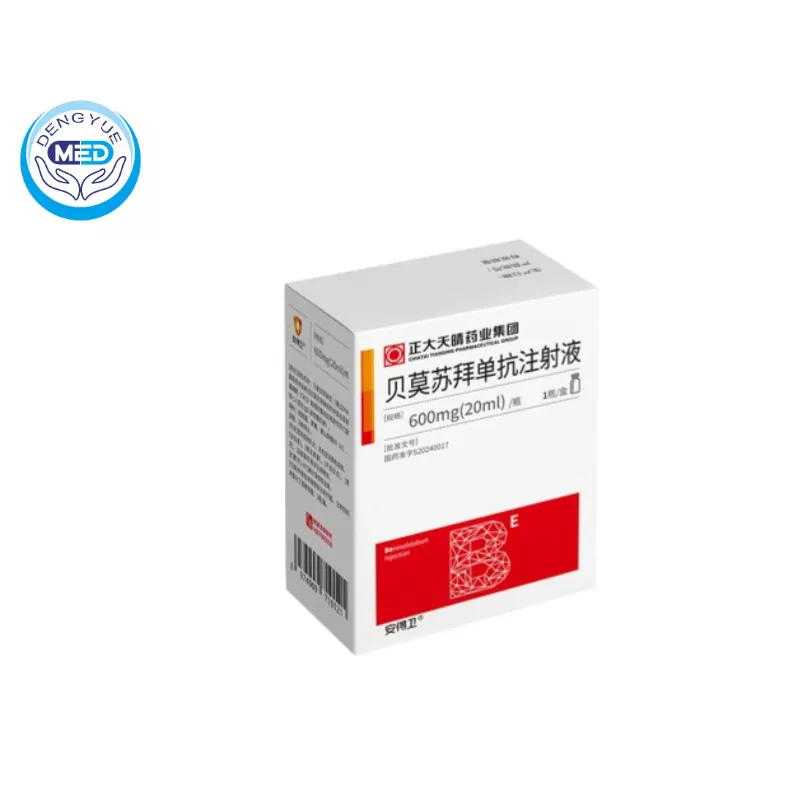
Andewei (Benmelstobart) – ES-SCLC | HongKong DengYue Medicine
- Generic Name/Brand Name: Benmelstobart/Andewei
- Indications: ES-SCLC, NSCLC
- Dosage Form: Sterile solution for intravenous infusion
- Specification: 600 mg × 1 vial
Benmelstobart Application Scope
Benmelstobart Injection (TQB2450 / CBT-502 / APL-502) is an anti-PD-L1 humanized IgG1 monoclonal antibody used as an immune checkpoint inhibitor.
It is being developed and authorized for use in multiple solid tumor indications and has been evaluated in first-line and later-line settings, commonly in combination with anti-angiogenic agent anlotinib and chemotherapy (notably in extensive-stage small-cell lung cancer, ES-SCLC).
Benmelstobart Characteristics
-
Ingredients: Benmelstobart
-
Properties:
-
Molecular type: Humanized monoclonal antibody, IgG1 isotype.
-
Target: Programmed death-ligand 1 (PD-L1) on tumor and immune cells.
-
Mechanism: Immune checkpoint blockade resulting in T-cell activation and anti-tumor immune response.
-
-
Packaging Specification: 600 mg (20 ml)/vial
-
Storage: Store refrigerated at 2–8°C; protect from light; do not freeze
-
Expiry Date: Determined by manufacturer and printed on the carton/vial
-
Executive Standard: See the approved label for the specific executive standard applied to the marketed product
-
Approval Number: See national regulatory approval documents
-
Date of Revision: Refer to the most recent package insert or regulatory approval notice
-
Manufacturer: Chia Tai Tianqing Pharmaceutical Group Co., Ltd.
Guidelines for the Use of Benmelstobart
-
Dosage and Administration:
-
Recommended Dose: The recommended dosage used in key clinical trials is 120 mg administered intravenously every 3 weeks (on Day 1 of each 21-day cycle), in combination with other drugs.
-
Administration:
-
Route: Intravenous infusion.
-
Infusion procedure: Administer under supervision of qualified oncology personnel with appropriate resuscitation equipment available. Infusion rate and pre-/post-infusion procedures should follow the product label and institutional protocols. Premedication may be given per institutional practice for infusion reactions.
-
-
Missed Dose: If a scheduled dose is missed, consult the prescribing information or treating oncologist to determine appropriate timing to resume therapy (dose delays or modifications may be required for toxicity). Follow local label guidance.
-
-
Adverse Reactions:
-
Common Adverse Reactions:
-
Immune-related events: Fatigue, rash, pruritus, diarrhea, and nausea (class-typical).
-
Infusion-related reactions (may occur with monoclonal antibodies).
-
With combination regimens: Treatment-related hematologic toxicities (neutropenia, anemia) and adverse events attributable to partner drugs (e.g., hypertension, proteinuria when combined with anti-angiogenic agents such as anlotinib).
-
-
Serious Adverse Reactions:
-
Immune-related adverse events (irAEs)—pneumonitis, hepatitis, colitis, endocrinopathies (hypophysitis, thyroid dysfunction), and severe dermatologic reactions—may be life-threatening and require prompt management (steroids/immunosuppression).
-
With anti-angiogenic combinations: Increased risk of hypertension, hemorrhage, thromboembolism, and wound-healing complications—monitor per label.
-
-
-
Contraindications:
-
Known hypersensitivity to benmelstobart or any excipient listed in the product label.
-
Other contraindications will be those specified in the local approved product information.
-
-
Precautions:
-
Immune-related toxicity monitoring: monitor patients closely for symptoms/signs of irAEs; institute established management algorithms (steroid therapy, immunosuppressants) when indicated.
-
Pregnancy & fertility: immune checkpoint inhibitors may cause fetal harm. Women of childbearing potential should use effective contraception; breastfeeding is not recommended during treatment. Consult label for full guidance.
-
Concomitant live vaccines: avoid during therapy and until immune recovery.
-
Combination regimens: when used with anti-VEGF/anti-angiogenic agents (e.g., anlotinib), monitor blood pressure, urine protein, and bleeding risk; combination increases overlapping toxicity risks.
-
Benmelstobart Interactions
-
Immunosuppressants: Concomitant systemic immunosuppressive agents may reduce the anti-tumor efficacy of immune checkpoint inhibitors; avoid unless clinically required.
-
Other immuno-oncology agents: Concurrent use of multiple checkpoint inhibitors increases the risk of immune-related toxicity and requires specialist management.
-
Anti-angiogenic agents/targeted therapies: Combining with agents such as anlotinib can increase risk of hypertension, proteinuria, bleeding, and other class-related toxicities—monitor per label.
Note:
- If there is a new packaging for the drug, the new packaging shall prevail. The above information is sourced from DengYue Medicine.
- This content is for reference only. Prescription drugs must be used under a doctor’s guidance and purchased from authorized sources.
Related products
-

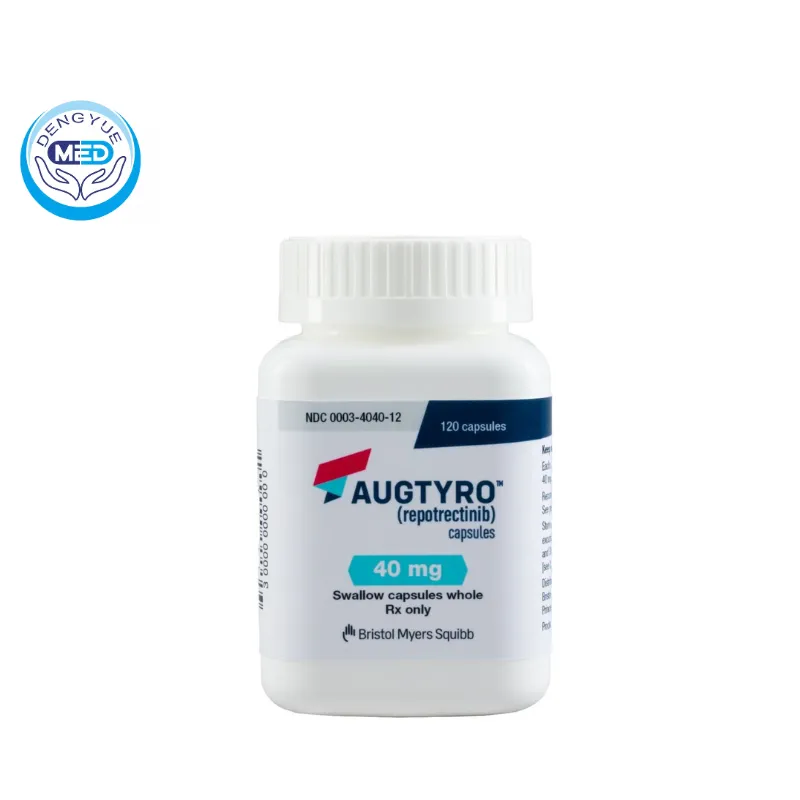
Augtyro Repotrectinib Capsules | Lung Cancer | DengYue
-
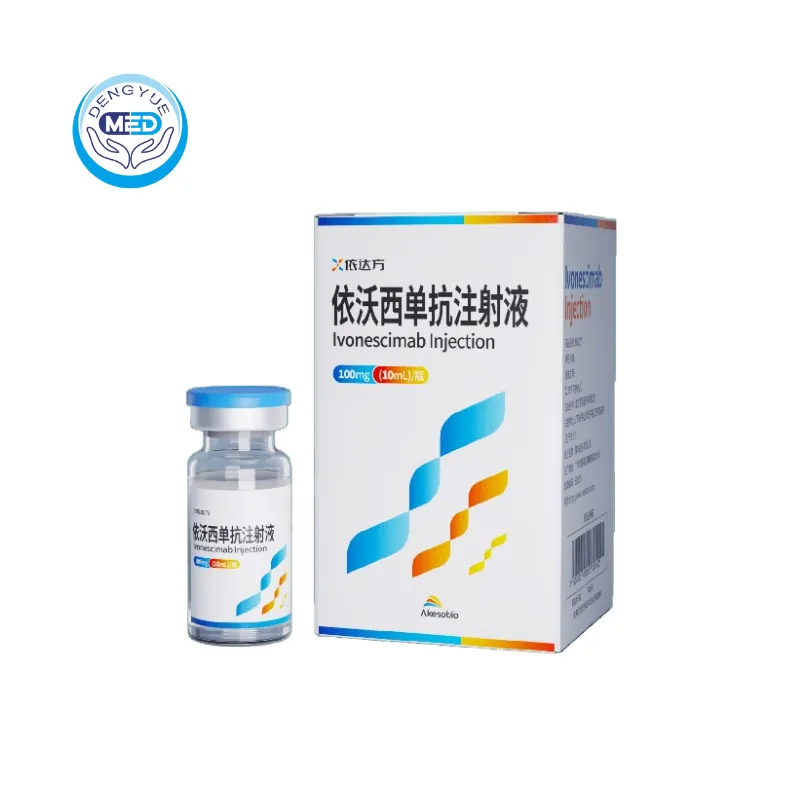
Yidafang (Ivonescimab) – NSCLC | HongKong DengYue Medicine
-
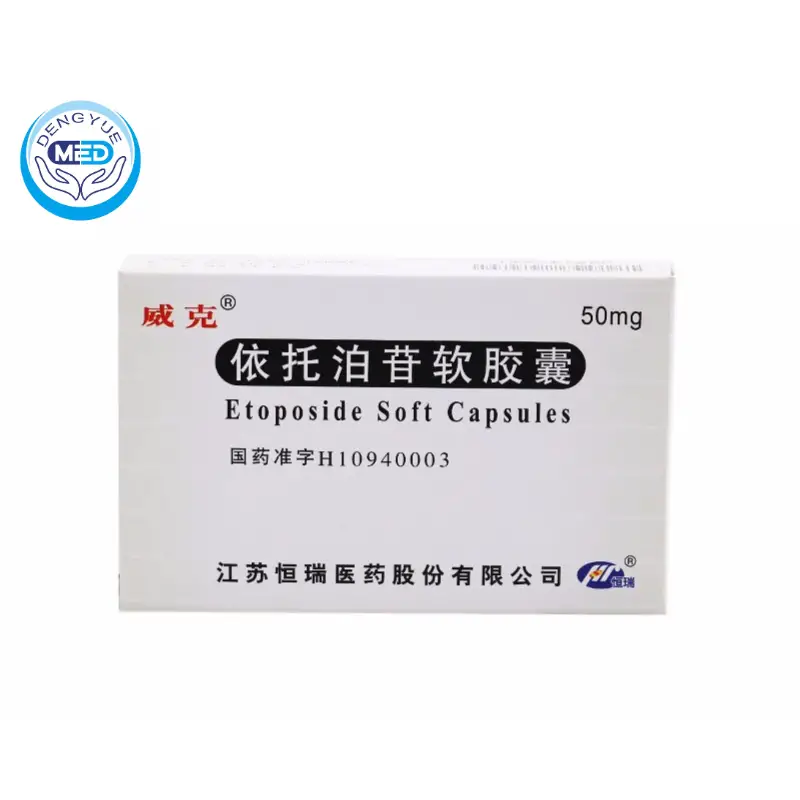
Etoposide Soft Capsules | Ovarian Cancer | China Medicine Wholesaler
-
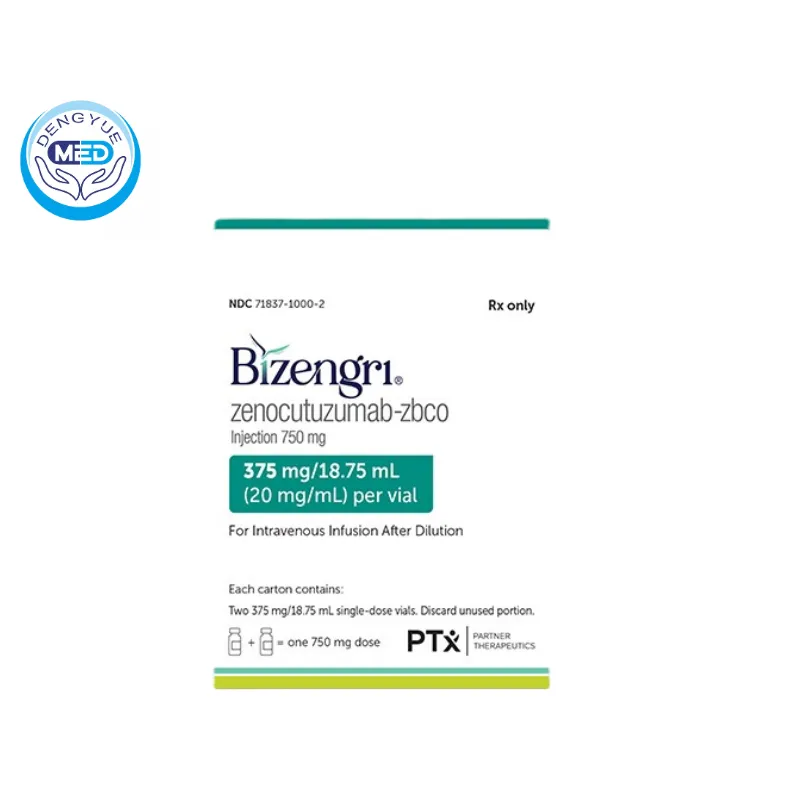
Zenocutuzumab-Zbco|Non-Small Cell Lung Cancer|HongKong DengYue Medicine
-
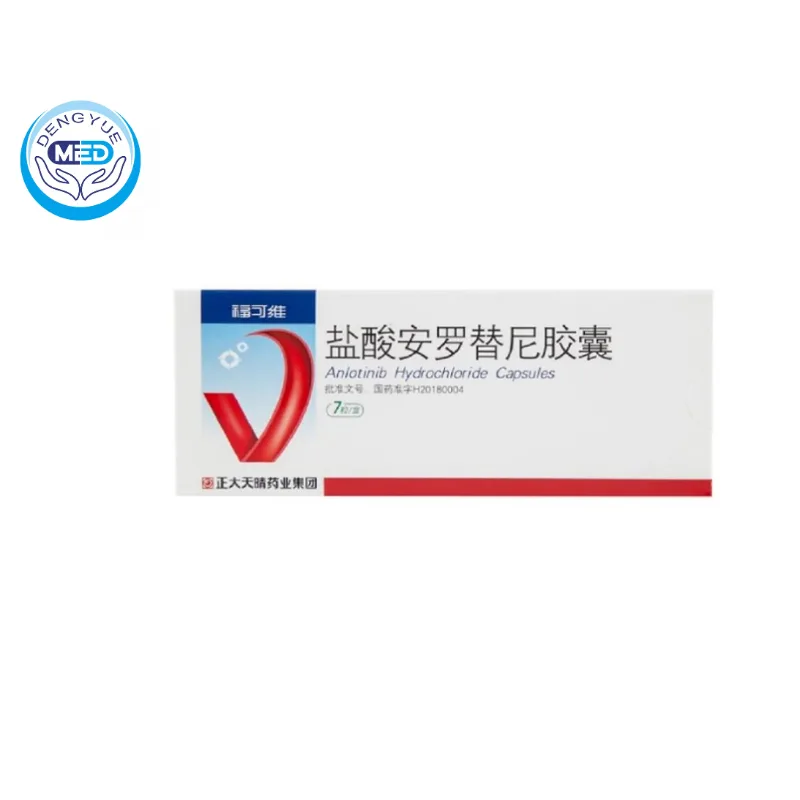
Fukewai (Anlotinib Hydrochloride) – NSCLC | HongKong DengYue Medicine
-
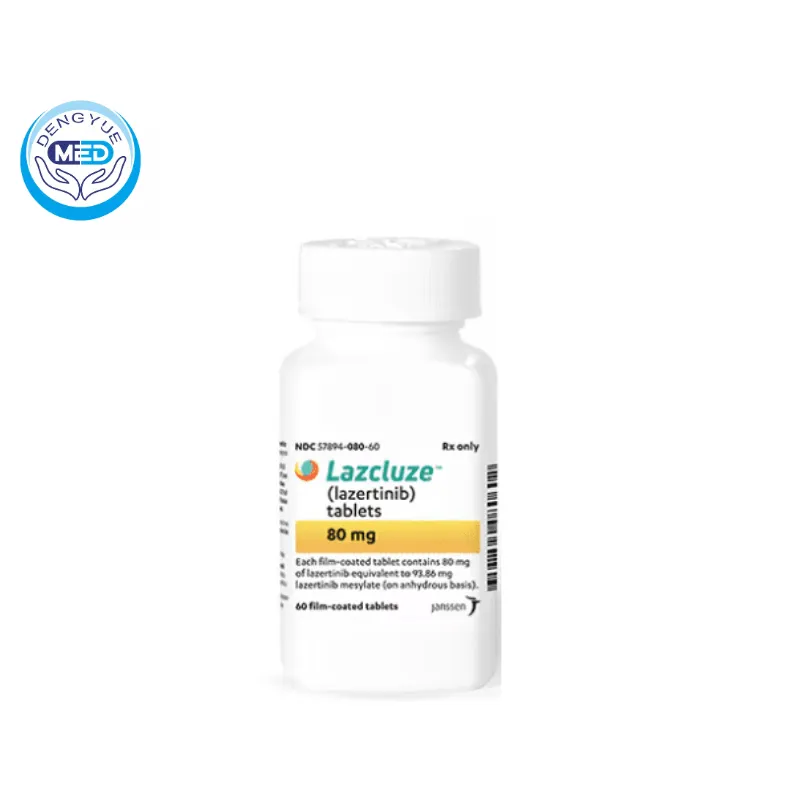
Lazertinib | Non-Small Cell Lung Cancer | HongKong DengYue Medicine
-
Lorbrena (Lorlatinib) – Lymphoma Kinase | HongKong DengYue Medicine
-
Transfer Factor Injection | Other Tumors | HK DengYueMed
Reviews
There are no reviews yet.