
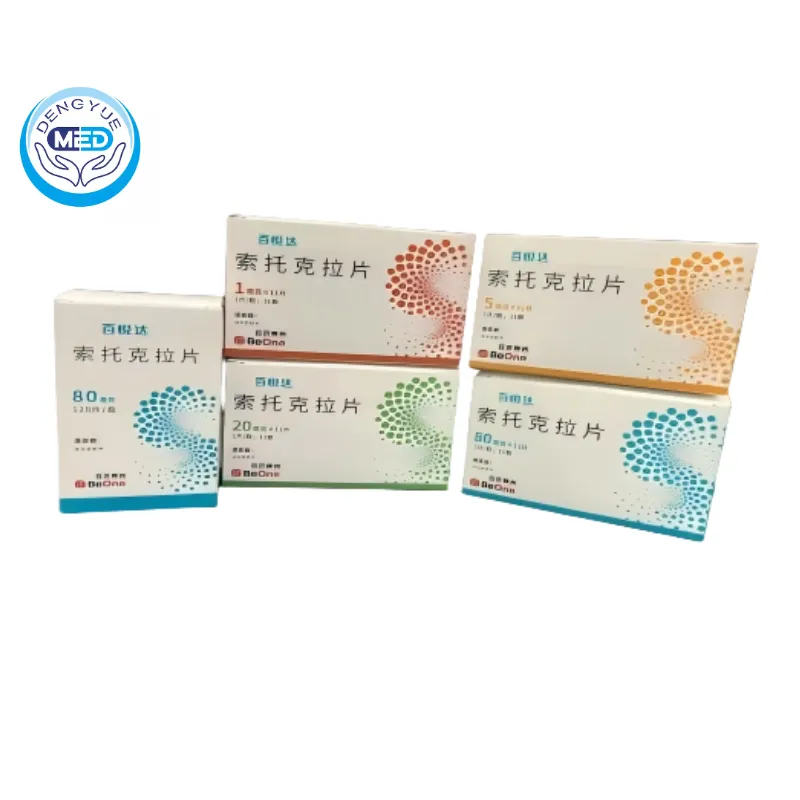
Baiyueda (Sonrotoclax) – CLL/SLL/MCL | HongKong DengYue Medicine
- Generic Name/Brand Name: Sonrotoclax/Baiyueda
- Indications: Chronic Lymphocytic Leukaemia; Small Lymphocytic Lymphoma; Mantle Cell Lymphoma
- Dosage Form: Tablet
- Specification: 1 mg/5mg/20mg/80mg per tablet
Baiyueda Sonrotoclax Application Scope
Baiyueda® is indicated for the following two patient populations:
-
Chronic lymphocytic leukaemia (CLL)/small lymphocytic lymphoma (SLL)
Adult patients with CLL/SLL who have previously received at least one prior systemic therapy, including a Bruton’s tyrosine kinase (BTK) inhibitor. -
Relapsed or refractory mantle cell lymphoma (MCL)
Adult patients with R/R MCL who have received at least two prior systemic therapies (including a BTK inhibitor).
Baiyueda Characteristics
-
Ingredients: Sonrotoclax
-
Properties: Sonrotoclax is a novel, highly selective oral B-cell lymphoma 2 (BCL-2) inhibitor exhibiting a short half-life and non-cumulative pharmacokinetic profile.
-
Packaging Specification: 1 mg / 5 mg / 20 mg / 80 mg per tablet
-
Storage: Store at room temperature
-
Expiry Date: See outer packaging
-
Executive Standard: See the approved package insert
-
Approval Number: The four specifications correspond to the following approval numbers: H20250077 / H20250076 / H20250075 / H20250074
-
Date of Revision: See the latest approved package insert
-
Manufacturer: BeiGene (Suzhou) Biotech Co., Ltd.
Guidelines for the Use of Baiyueda Sonrotoclax
-
Dosage and Administration:
-
Recommended Dose: In a pivotal Phase II clinical trial (BGB-11417-201) for MCL, 320 mg administered orally daily is the recommended dose for evaluating efficacy and safety. This drug typically requires a strict dose-escalation protocol to prevent tumour lysis syndrome. However, specific details regarding the initial dose, escalation rate, and dosing schedule remain undisclosed. The precise administration regimen must be referenced in the accompanying Prescribing Information and administered under the supervision of an experienced oncologist.
-
Administration: Oral
-
Missed Dose: Please consult your prescribing doctor.
-
-
Adverse Reactions:
-
Common Adverse Reactions: Common adverse reactions primarily manifest as haematological toxicity, including neutropenia, thrombocytopenia, leukopenia, and anaemia. Additionally, hyperuricaemia is also frequently observed.
-
Serious Adverse Reactions: Tumour lysis syndrome is a known risk requiring heightened vigilance with BCL-2 inhibitor drugs. Clinical trial data indicate a low incidence of such events, which are manageable through standardised protocols. Severe infectious adverse events, such as pneumonia, have also been reported in studies and represent a key risk requiring focused management.
-
-
Contraindications: Contraindicated in patients with known hypersensitivity to sonrotoclax or any component of the formulation. Contraindicated in patients with active, uncontrolled severe infections. For specific contraindications, refer to the latest version of the Product Information leaflet.
-
Precautions:
- Risk of tumour lysis syndrome: Assess risk prior to treatment and during dose escalation, implementing measures including adequate hydration, urate-lowering therapy, and close monitoring of blood biochemistry parameters.
- Haematological monitoring: Regularly monitor complete blood counts during treatment, promptly managing adverse events such as neutropenia.
- Infection: As neutropenia may occur, patients should be monitored for signs of infection.
- Special populations: Insufficient data exist regarding use in pregnant or breastfeeding women and children; exercise extreme caution when administering. Patients with hepatic or renal impairment should use under medical supervision.
Sonrotoclax Interactions
- Exercise caution when co-administered with other medicinal products metabolised by or affecting the activity of the same metabolic enzymes (e.g., the CYP450 enzyme system), as this may alter the plasma concentration of sonrotoclax.
- Concomitant use with medicinal products possessing bone marrow suppression effects may increase the risk of haematological toxicity.
- Close monitoring is advised when co-administered with potent P-glycoprotein inhibitors or inducers until further data become available. Consult your doctor or pharmacist for details regarding concomitant medication.
Note:
- If there is a new packaging for the drug, the new packaging shall prevail. The above information is sourced from DengYue Medicine.
- This content is for reference only. Prescription drugs must be used under a doctor’s guidance and purchased from authorized sources.
Related products
-

Folotyn (Pralatrexate) – T-cell lymphoma|HongKong DengYue Medicine
-
Pirtobrutinib|Chronic Lymphocytic Leukemia (CLL)
-
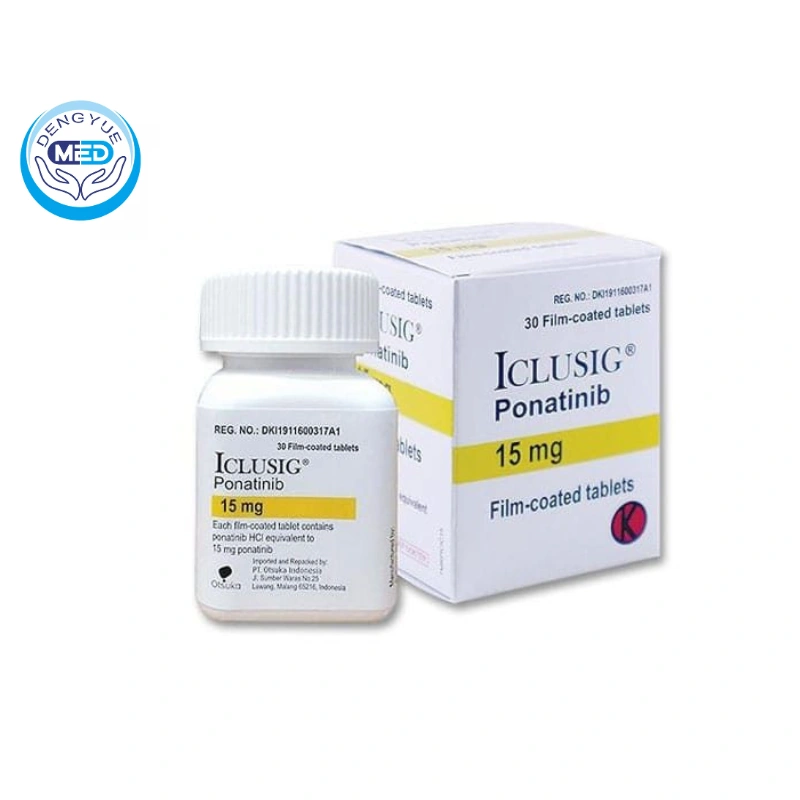
Ponatinib|Acute Lymphoblastic Leukemia|HongKong DengYue Medicine
-
Monjuvi (Tafasitamab-Cxix) – Lymphoma|HongKong DengYue Medicine
-
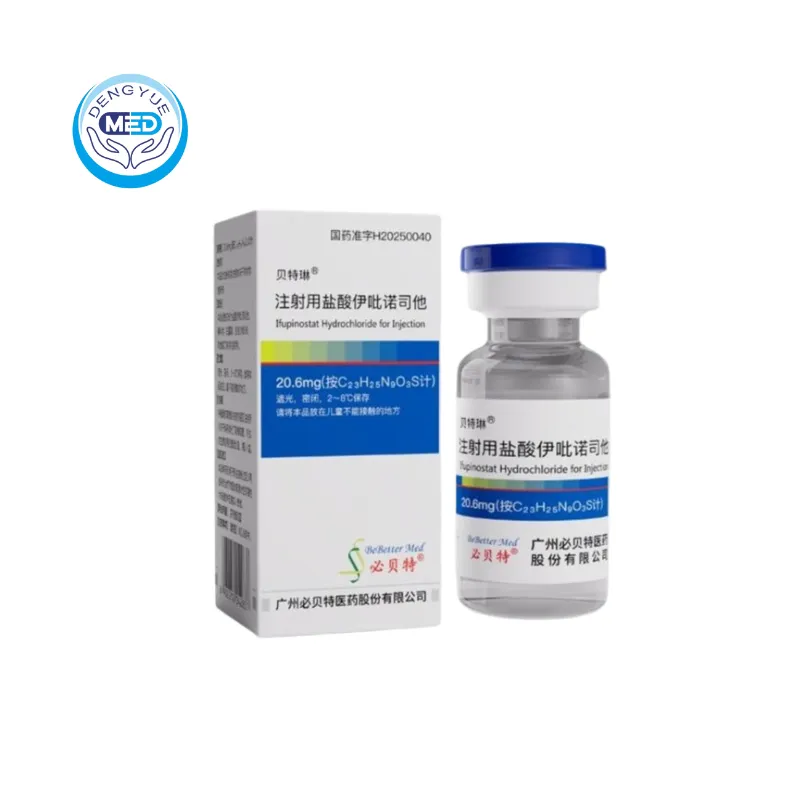
Beitelin (Ifupinostat) – R/R DLBCL | HongKong DengYue Medicine
-
Epidaza (Chidamide) – PTCL | HongKong DengYue Medicine
-

Loncastuximab Tesirine-Lpyl|B-cell Lymphoma
-
Vindesine Sulfate For Injection | Melanoma | HK DengYue




Reviews
There are no reviews yet.