Gumokimab Approved for Plaque Psoriasis in China: The IL-17A Therapy Landscape Continues to Evolve
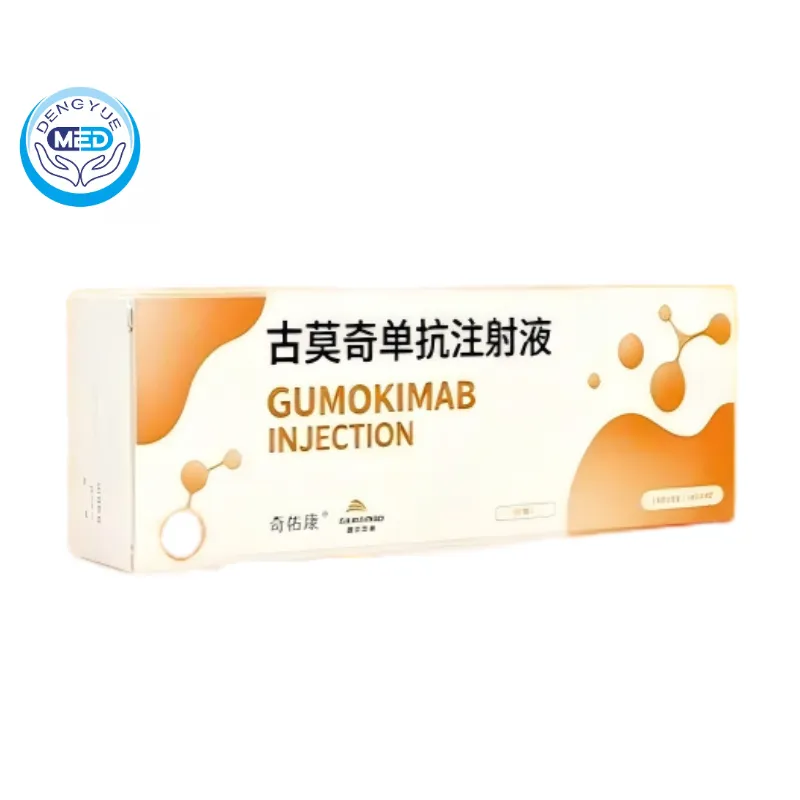
On June 11, Akeso announced that its self-developed IL-17A monoclonal antibody, Gumokimab (AK111, brand name Qiyoukang®), received approval from China’s National Medical Products Administration (NMPA) for the treatment of adults with moderate-to-severe plaque psoriasis.
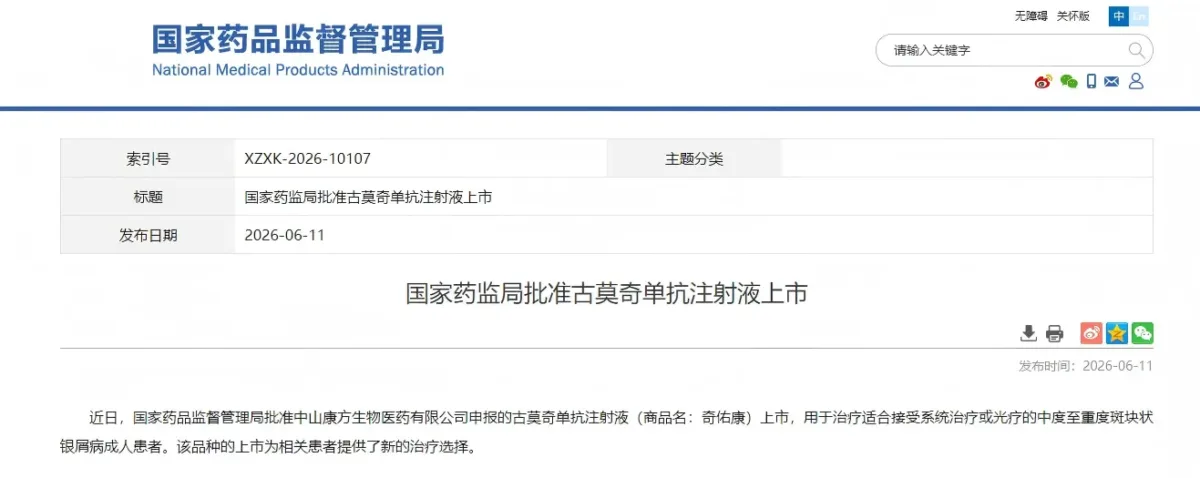
The approval of Gumokimab for plaque psoriasis further expands China’s IL-17A targeted therapy landscape and reflects the transition of the country’s autoimmune drug market from isolated innovation breakthroughs to a more competitive multi-product biologics era. 🐱🏍
Chinese pharmaceutical wholesaler DengYueMed reviews the approval of Gumokimab approved for plaque psoriasis in China from multiple perspectives, including disease burden, mechanism of action, clinical efficacy, and the evolving IL-17A biologics market.
Treatment Challenges in Plaque Psoriasis: A Chronic and Systemic Inflammatory Disease
Psoriasis is far more than a skin condition. It is a chronic systemic inflammatory disease driven by immune dysregulation, affecting more than 100 million people worldwide.
😢 Among all subtypes, moderate-to-severe plaque psoriasis represents one of the highest clinical burdens.
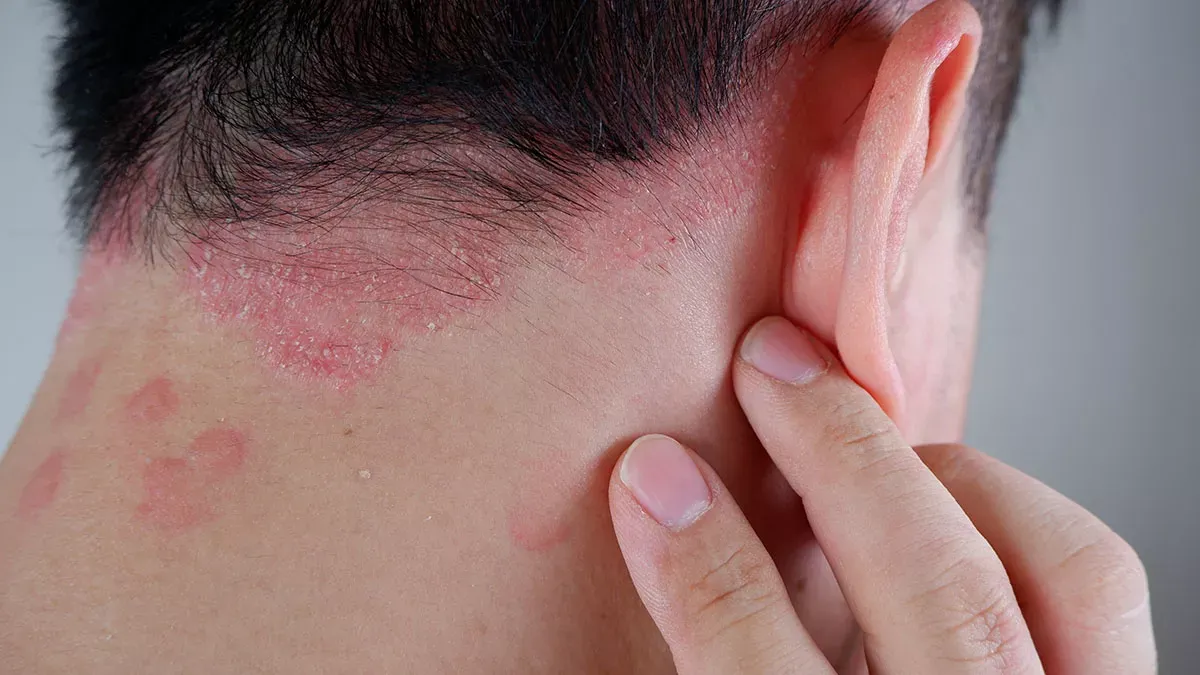
In real-world clinical settings, patients often face several long-term challenges:
- Recurrent skin lesions and prolonged disease duration
- Persistent itching, pain, and visible plaques that significantly affect quality of life
- Frequent comorbidities such as psoriatic arthritis and metabolic syndrome
- Poor long-term treatment adherence and therapy discontinuation
Traditional systemic therapies, including methotrexate and cyclosporine, can provide symptom control but are often limited by long-term safety concerns.
TNF-α inhibitors marked the beginning of the biologics era in psoriasis treatment, yet limitations remain in achieving deep skin clearance and long-term disease control.
As a result, targeted biologic therapies capable of delivering rapid onset, durable efficacy, and high PASI100 response rates have become a major focus in global psoriasis drug development.
IL-17A: A Core Driver of Psoriasis Inflammatory Pathways
IL-17 is a pro-inflammatory cytokine primarily secreted by Th17 cells, with IL-17A recognized as one of the central amplifiers in the inflammatory cascade of plaque psoriasis.
Its pathological role mainly involves: 👇
- Promoting abnormal keratinocyte proliferation
- Triggering inflammatory cytokine and chemokine release
- Amplifying local immune-inflammatory feedback loops
Once IL-17A signaling becomes persistently activated, chronic inflammatory cycles can sustain disease progression and recurrence.
Global IL-17A biologics have already established a mature competitive landscape, including secukinumab and ixekizumab, while Chinese biotech companies are rapidly expanding domestic development pipelines in this therapeutic area.
Gumokimab: Mechanism of Action and Development Strategy
Gumokimab is a humanized IL-17A monoclonal antibody independently developed by Akeso.
🎯 By selectively binding to IL-17A and blocking its interaction with the IL-17 receptor, the drug inhibits downstream inflammatory signaling pathways associated with psoriasis pathogenesis.
For moderate-to-severe plaque psoriasis, the development program of Gumokimab approved for plaque psoriasis in China included four clinical studies:
- One pivotal Phase III trial (AK111-301)
- Three supportive clinical studies
Together, these studies established the clinical evidence supporting Gumokimab approved for plaque psoriasis in China.
Clinical Results: Rapid Response and Deep Skin Clearance
AK111-301 was a randomized, double-blind, placebo-controlled, multicenter Phase III clinical trial, with PASI75 and sPGA0/1 serving as co-primary endpoints.
Week 12 Efficacy: Rapid and Strong Clinical Response
During the early treatment phase, Gumokimab approved for plaque psoriasis in China demonstrated rapid onset and strong efficacy:
- PASI75 response rate >94%
- sPGA0/1 response rate >88%
- PASI100 (complete skin clearance) reached 47.7%
Compared with other IL-17A inhibitors, this PASI100 outcome showed competitive potential, especially under a single-injection dosing regimen.
Week 52 Efficacy: Durable Long-Term Disease Control
Long-term follow-up data also highlighted sustained efficacy:
- PASI75 response rate >98%
- PASI90 response rate >85%
- PASI100 maintained above 60%
Overall, Gumokimab approved for plaque psoriasis in China demonstrated a combination of rapid onset, durable maintenance, and deep skin clearance.
Dosing Advantages: Improving Long-Term Patient Adherence
In chronic inflammatory diseases, dosing frequency can significantly affect long-term treatment adherence.
✅ Gumokimab uses a simplified single-injection regimen:
- Approximately 17 injections annually
- Reduced treatment burden compared with some competing biologics requiring around 34 injections per year
In addition, a Phase II study explored a Q8W (every 8 weeks) maintenance regimen. Results showed:
- Comparable efficacy versus Q4W dosing
- PASI75 maintenance rates approaching 100% at Week 32
These findings support the future potential of extended-interval biologic maintenance therapy in plaque psoriasis management.
Biologic Switching: An Important Real-World Treatment Scenario
Switching biologic therapies is increasingly common in real-world psoriasis management.
Phase II data for Gumokimab approved for plaque psoriasis in China showed that patients switching directly from other biologics, including IL-17 inhibitors, experienced:
- No required washout period
- Maintained or further improved efficacy
- Approximately 55.89% additional reduction in PASI scores from baseline
These results suggest potential value for multi-line biologic treatment strategies in moderate-to-severe plaque psoriasis.
Safety Profile: Overall Risks Remain Manageable
Based on pooled safety analyses involving more than 1,000 participants:
- Most adverse events were mild to moderate
- Serious adverse event rates remained low
- No significant increase in infection-related risks was observed
- No clear signals involving malignancy or cardiovascular risk emerged
Overall, the safety profile of Gumokimab approved for plaque psoriasis in China remained broadly consistent with other marketed IL-17A biologics.
China’s IL-17A Market Enters a High-Competition Commercial Stage
China’s IL-17A monoclonal antibody market has rapidly evolved into a highly competitive biologics segment.
1️⃣ Imported Products
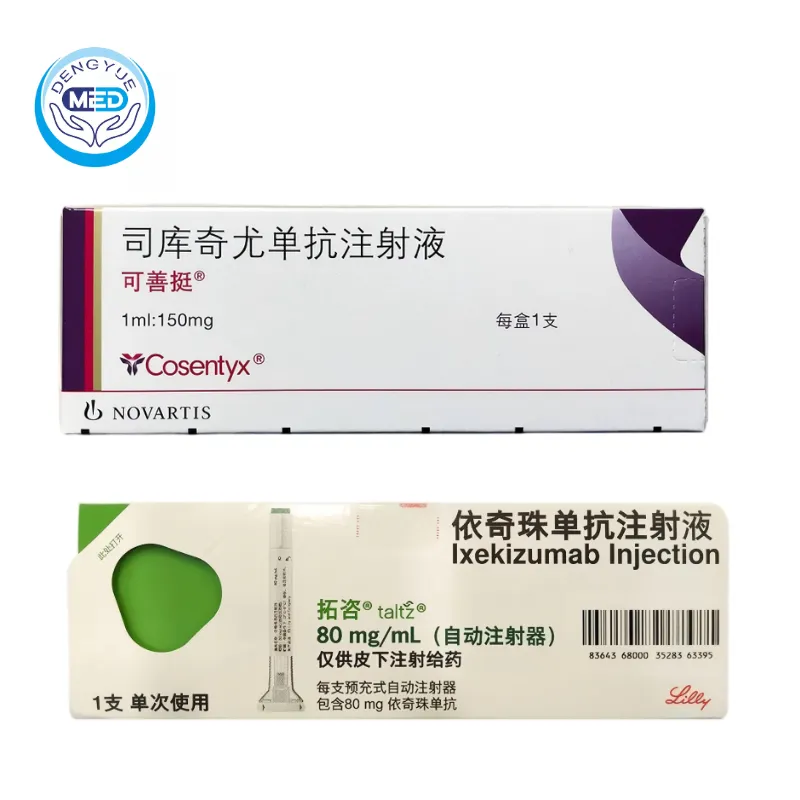
2️⃣ China-Developed Products
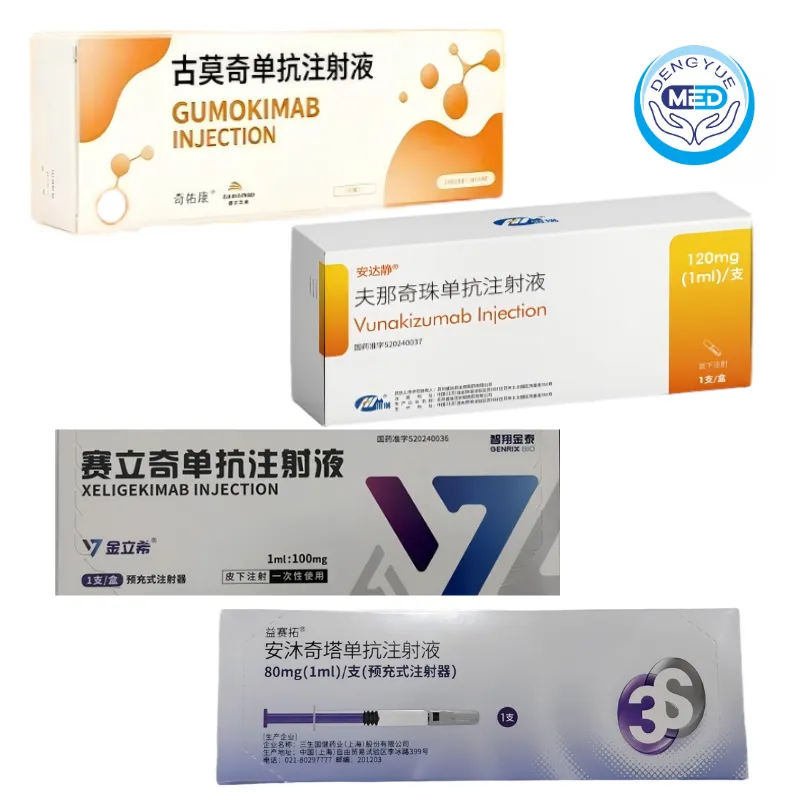
Several additional IL-17A biologics are currently in late-stage development or regulatory review.
The approval of Gumokimab for plaque psoriasis in China reflects how China’s IL-17A sector is shifting from early R&D competition toward broader competition in commercialization, clinical differentiation, and market access.
Future Directions: Beyond Psoriasis Into Broader Autoimmune Diseases
At present, IL-17A biologics in China are mainly focused on:
- Moderate-to-severe plaque psoriasis
- Ankylosing spondylitis
However, globally, the IL-17 pathway continues expanding into additional autoimmune indications, including:
- Psoriatic arthritis (PsA)
- Axial spondyloarthritis (axSpA)
- Hidradenitis suppurativa (HS)
Meanwhile, the rapid commercial growth of IL-17A/F dual-target therapies suggests that this pathway still holds substantial long-term market potential.
Chinese biotech companies are increasingly accelerating multi-indication expansion strategies within autoimmune disease therapeutics.
Conclusion: China’s Autoimmune Biologics Industry Continues Expanding Globally
The approval of Gumokimab approved for plaque psoriasis in China represents not only an important milestone for Akeso, but also a broader sign that China’s IL-17A targeted therapy ecosystem is maturing.
As more domestic biologics enter the market, China’s participation in the global autoimmune therapeutics landscape continues to expand.
✨ Chinese pharmaceutical wholesaler DengYueMed is actively tracking global developments involving IL-17A, IL-23, and other key autoimmune therapy targets, while providing international partners with insights into China’s innovative biologics market and pharmaceutical supply landscape.
FAQ about Gumokimab Approved for Plaque Psoriasis in China
How do you treat moderate to severe psoriasis?
Moderate to severe psoriasis is often treated with biologic therapies that target inflammatory pathways such as IL-17A. Drugs like Gumokimab can help improve skin clearance and support long-term disease control.
What if you have been diagnosed with moderate to severe plaque psoriasis?
If you are diagnosed with moderate to severe plaque psoriasis, treatment may include systemic or biologic therapies to control inflammation and improve skin symptoms. A dermatologist can help choose the most appropriate long-term treatment plan.
Is Gumokimab a biologic drug?
Yes. Gumokimab is a biologic drug and a humanized IL-17A monoclonal antibody developed for autoimmune diseases such as plaque psoriasis. It belongs to the growing class of targeted biologic therapies.
What are the latest new drugs for psoriasis?
New psoriasis treatments increasingly focus on targeted biologic therapies such as IL-17A and IL-23 inhibitors. Recently, Gumokimab (AK111), an IL-17A monoclonal antibody, was approved in China for moderate-to-severe plaque psoriasis.