

How To Use Agalsidase Alfa For Fabry Disease?
Fabry disease is a rare, life-threatening genetic disorder that affects individuals across all age groups. Characterized by a deficiency in the enzyme α-galactosidase A, this condition results in the accumulation of harmful substances in the body, leading to multi-organ complications.
Without timely intervention, it can progress to kidney failure, heart disease, or stroke. Agalsidase Alfa, a new and special drug and groundbreaking enzyme replacement therapy, offers hope to those living with this challenging condition.
Understanding Fabry Disease
Fabry disease is a lysosomal storage disorder caused by mutations in the GLA gene. This mutation results in insufficient activity of the α-galactosidase A enzyme, leading to the buildup of globotriaosylceramide (GL-3) in various tissues and organs.
Common Symptoms of Fabry Disease
- Early Signs: Chronic pain in the hands and feet (acroparesthesia), heat and cold intolerance, and gastrointestinal discomfort.
- Progressive Symptoms: Corneal opacities, hearing loss, and fatigue.
- Advanced Complications: Cardiac issues such as arrhythmias and hypertrophy, kidney dysfunction, and cerebrovascular incidents such as strokes.
Fabry disease often presents differently among patients, and symptoms may overlap with those of other conditions, leading to delayed diagnosis.
Early genetic testing and enzyme activity assays are vital for identifying the disease and initiating treatment.
What Is Agalsidase Alfa?
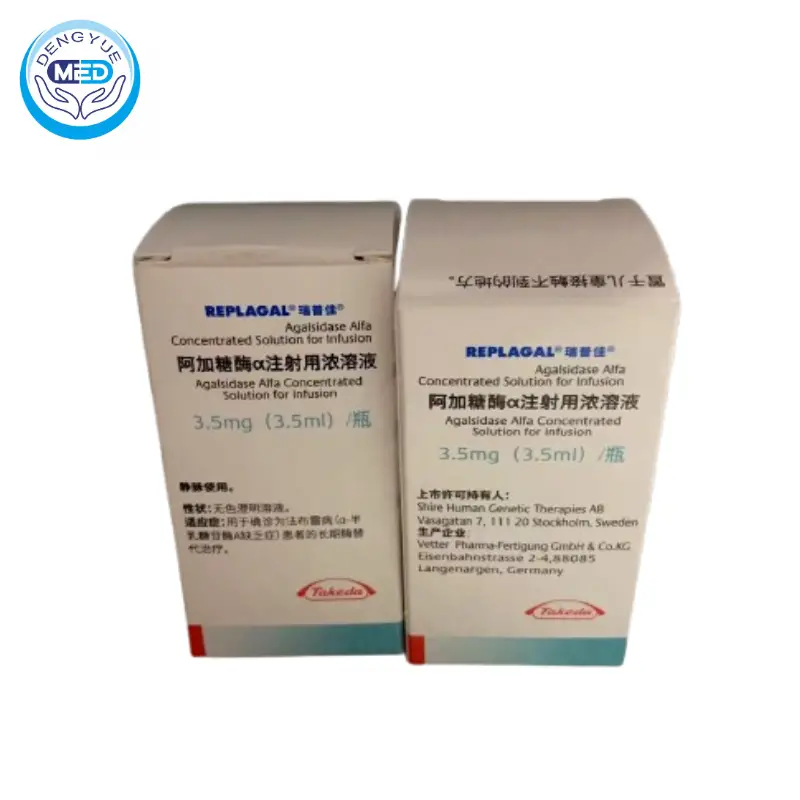
Agalsidase Alfa Concentrated Solution for Infusion is a recombinant form of the human α-galactosidase A enzyme. It is designed to replace the deficient enzyme in Fabry disease patients, helping to reduce the buildup of GL-3 and alleviate symptoms.
Approved for long-term enzyme replacement therapy, this medication is suitable for adults, children, and adolescents. However, its safety and efficacy in children under six years of age are not yet established.
Key Features of Agalsidase Alfa
- Dosage Form: Injection (concentrated solution for intravenous infusion).
- Specification: 3.5 mg (3.5 mL)/vial.
- Recommended Dosage: 0.2 mg/kg body weight, administered biweekly via intravenous infusion over a minimum of 40 minutes.
- Storage: Store at 2°C to 8°C (36°F to 46°F). Avoid freezing and protect from light.
Detailed Medication Guidance
The following are some tips for before, during, and after the administration of Agalsidase Alfa Concentrated Solution for Infusion to allay any concerns patients may have when administering the medication.
Pre-Infusion Preparation:
- Ensure the patient is well-hydrated before infusion.
- Discuss any allergies or previous adverse reactions with the healthcare provider.
- Premedication with antihistamines or corticosteroids may be recommended for patients with a history of infusion-related reactions.
During Infusion:
- Infusions must be performed under the supervision of a healthcare professional.
- Monitor vital signs, including blood pressure, heart rate, and oxygen saturation, throughout the procedure.
- Maintain a calm and comfortable environment to reduce patient anxiety.
Post-Infusion Care:
- Observe the patient for at least an hour after infusion for any delayed reactions.
- Encourage patients to report any unusual symptoms, such as rash, difficulty breathing, or dizziness, immediately.
Managing Adverse Reactions
Agalsidase Alfa Concentrated Solution for Infusion is generally well-tolerated, but some patients may experience side effects. Understanding how to handle these crucial:
Common Side Effects:
- Infusion-related reactions such as fever, chills, nausea, and headache. These typically subside after the infusion is complete.
Serious Side Effects:
- Severe allergic reactions (anaphylaxis) are characterized by swelling, difficulty breathing, or a drop in blood pressure.
Management Strategies:
- For mild reactions, slowing the infusion rate or administering additional antihistamines may help.
- For severe reactions, immediately stop the infusion and provide emergency medical care.
- Patients should keep a record of all side effects to share with their healthcare provider.
Tips for Patients and Families
- Stay Informed: Learn about Fabry disease and its impact on your health. Knowledge empowers you to make better decisions.
- Build a Support System: Connect with Fabry disease support groups to share experiences and gain emotional encouragement.
- Monitor Your Health: Keep track of symptoms and report any changes to your doctor promptly.
- Lifestyle Adjustments: Adopt a balanced diet, maintain regular hydration, and engage in light exercises to support organ health.
- Emotional Well-being: Seek counselling or therapy to cope with the emotional challenges of managing a chronic condition.
Conclusion
Agalsidase Alfa represents a significant advancement in the treatment of Fabry disease. While it is not a cure, it provides meaningful improvements in quality of life and disease management for many patients.
As with any medical treatment, consultation with a qualified healthcare professional is essential to determine its suitability for your condition.
Disclaimer: This article is for informational purposes only from DengYueMed and should not be used as a substitute for professional medical advice, diagnosis, or treatment.
Always seek the guidance of your physician or other qualified health provider with any questions regarding a medical condition.