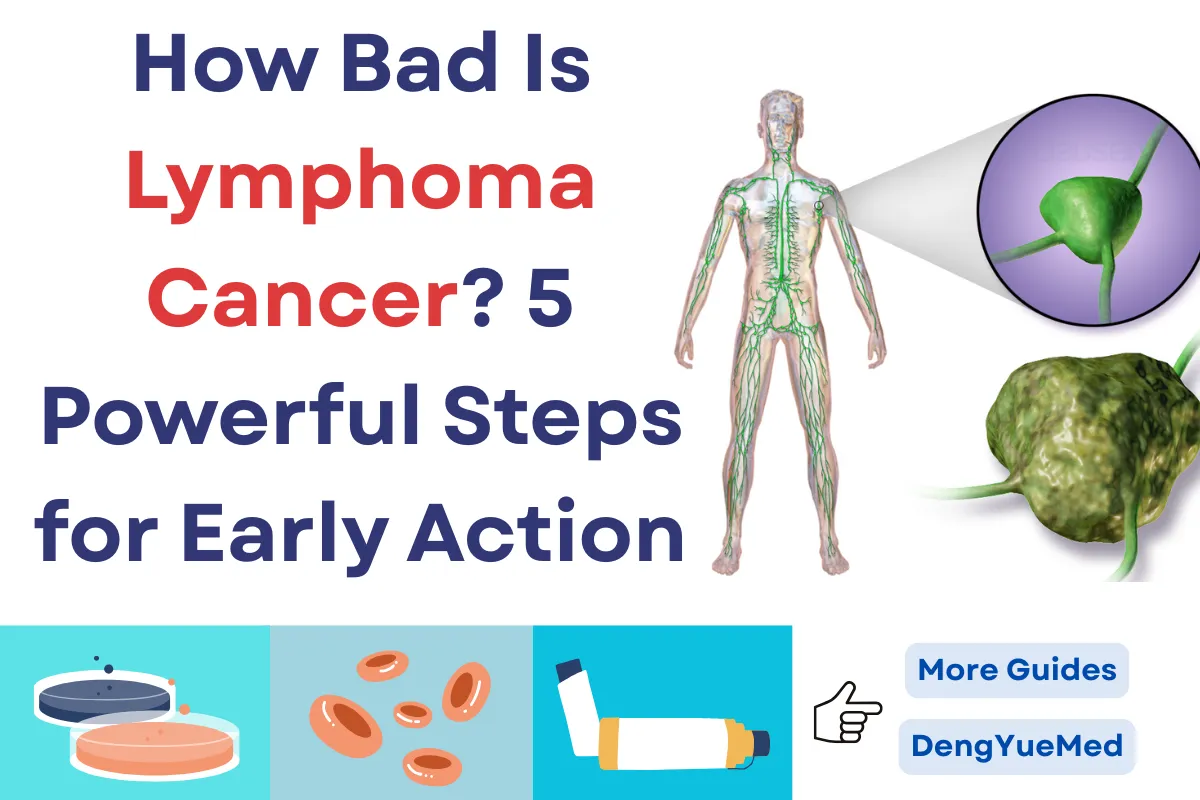
How Bad Is Lymphoma Cancer? 5 Powerful Steps for Early Action
Lymphoma cancer is a type of cancer that begins in the lymphatic system, where abnormal lymphocytes (a kind of white blood cell) grow uncontrollably and form tumors that can spread throughout the body.
It is one of the most common blood cancers worldwide, affecting both children and adults, and can impact the immune system’s ability to fight infections.
Because lymphoma cancer often develops silently, early stages may show few or subtle symptoms. This is why understanding the 5 powerful steps for early action is essential — it helps patients, families, and doctors recognize risks sooner, seek timely medical evaluation, and choose the most effective treatments.
At Hong Kong DengYue Medicine, we believe that knowledge is power. By raising awareness and providing reliable information, we aim to support patients, families, and healthcare professionals in making informed treatment decisions and improving outcomes.
Your 5-Step Roadmap to Outsmart Lymphoma
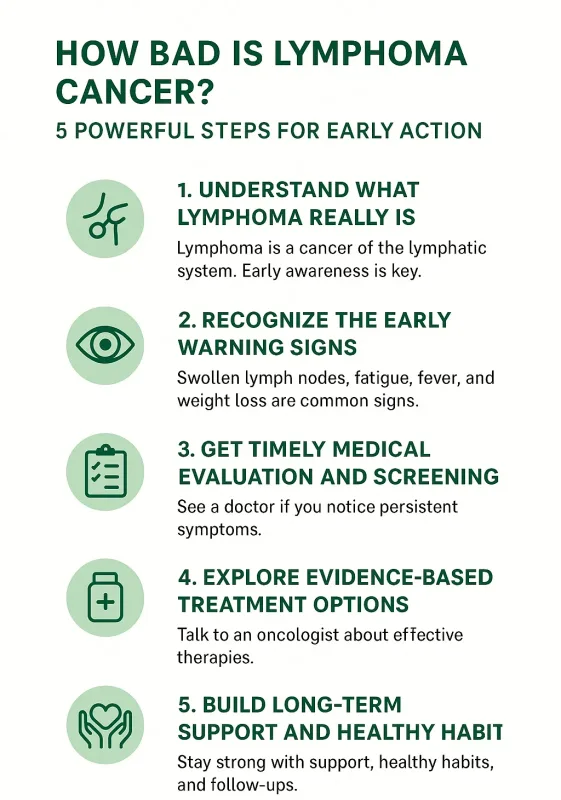
Step 1: Understand What Lymphoma Really Is
Lymphoma cancer is a type of blood cancer that begins in the lymphatic system, which is part of the immune system.
There are two main types — Hodgkin lymphoma and non-Hodgkin lymphoma — together accounting for about 3–4% of all cancers worldwide.
According to the American Cancer Society, roughly 80,620 new cases of non-Hodgkin lymphoma were diagnosed in the United States in 2024, making it a relatively common cancer.
Early awareness is critical because lymphoma cancer can often be slow-growing at first, giving patients a valuable window to seek treatment before it advances.
💚 Knowledge is your first shield — understanding lymphoma cancer helps you take control of your health.
Step 2: Recognize The Early Warning Signs
Common early symptoms include painless swelling of lymph nodes (in the neck, armpit, or groin), persistent fatigue, night sweats, unexplained weight loss, and fever without infection.
Clinical studies show that early detection can significantly improve survival rates — for example, localized non-Hodgkin lymphoma has a 5-year relative survival rate of about 74%, compared to only 59% when the cancer has spread.
Listening to your body and noticing subtle, persistent changes can make a life-saving difference. 🌱 Trust your instincts — early action can save your future.
Step 3: Get Timely Medical Evaluation And Screening
If you notice symptoms, it’s important that you visit a doctor right away. Diagnosis typically involves a physical examination, blood tests, imaging scans (such as CT and PET), and a biopsy to confirm the type of lymphoma cancer.
Clinical guidelines emphasize that an early, accurate diagnosis allows doctors to tailor therapy — such as chemotherapy, targeted therapy, or immunotherapy — to achieve better outcomes.
Delays in diagnosis are linked with more advanced disease and lower survival rates, so seeking timely medical advice is a powerful step toward control.
🩺 Don’t wait — your health is worth acting on today.
Step 4: Explore Evidence-Based Treatment Options
Treatment depends on the type and stage of lymphoma, ranging from watchful waiting (for indolent types) to aggressive regimens like R-CHOP chemotherapy, targeted therapies such as rituximab, or newer options like CAR-T cell therapy.
Clinical trials have shown that CAR-T therapy can achieve durable remission in some patients with relapsed lymphoma cancer, with response rates above 50% in certain studies.
Discussing treatment plans with an oncologist helps patients choose the most effective, evidence-backed approach for their situation.
💊 The right treatment plan can restore hope and strength.
Step 5: Build Long-Term Support And Healthy Habits
Managing lymphoma cancer does not end after treatment — survivorship care is essential for long-term health. Research shows that over 70% of people with lymphoma cancer live five years or longer after diagnosis, so regular follow-ups are crucial to detect relapse early and take timely action.
A balanced diet with fruits, vegetables, and lean proteins supports recovery, while moderate exercise — like 150 minutes of walking per week — helps boost immunity and reduce fatigue. Mental health care, including counseling or support groups, can ease anxiety and improve overall well-being.
Building a strong support system with family, friends, and healthcare professionals makes the journey easier. 🫂 You are not alone — stay supported, stay healthy, and keep moving forward with hope.
What Are the Early Warning Signs of Lymphoma?
Early signs of lymphoma cancer can be subtle, which is why many cases are only diagnosed once the disease has progressed.
The most common and often the first noticeable symptom is painless swelling of lymph nodes in the neck, armpit, or groin that does not go away for weeks.
Some patients also report a feeling of fullness or pressure in the chest or abdomen if internal lymph nodes enlarge.
Other early clues include persistent fatigue, night sweats that soak clothing or bedding, unexplained fevers, and unintentional weight loss without dieting — together called “B symptoms,” which occur in about 30% of patients according to the Leukemia & Lymphoma cancer Society.
These symptoms may appear gradually, making them easy to overlook or attribute to stress, infection, or aging.
Recognizing these subtle changes early is critical because early-stage lymphoma cancer is generally more treatable and has higher survival rates.
Seeking timely medical advice, even for vague or mild symptoms, can lead to faster diagnosis and better outcomes. 👀 Listen to your body — paying attention to small, persistent changes can make a life-saving difference.
Why Do People Get Lymphoma?
Lymphoma cancer develops when normal lymphocytes — a type of white blood cell essential for the immune system — mutate and grow uncontrollably, forming tumors in lymph nodes and other tissues.
The exact cause is often multifactorial, involving a mix of genetics, immune system function, and environmental exposures.
People with weakened immune systems, such as those living with HIV, autoimmune disorders, or those who have had organ transplants, face a higher risk.
Certain infections, including Epstein-Barr virus (EBV) or Helicobacter pylori, as well as exposure to chemicals like pesticides, may also contribute.
A family history of lymphoma cancer can further increase susceptibility. Despite these known risk factors, most cases occur without a clear cause, making prevention challenging.
🔬 However, understanding these factors empowers individuals to focus on what they can control, such as maintaining regular medical check-ups, adopting a healthy lifestyle, and monitoring for early symptoms.
Who Is Most at Risk for Lymphoma?
Lymphoma cancer can develop at any age, but certain populations are more vulnerable. Non-Hodgkin lymphoma (NHL) is more commonly diagnosed in people over 60, whereas Hodgkin lymphoma (HL) often affects young adults between 20 and 40 years old.
Men have a slightly higher risk than women. A family history of lymphoma cancer or any condition that weakens the immune system further increases the likelihood of developing the disease.
Additionally, individuals exposed to certain infections or environmental chemicals may face an elevated risk.
Knowing your personal risk profile helps guide proactive measures, including early screening and timely medical consultation.
🧭 Staying informed and vigilant is key — early detection can significantly improve treatment outcomes.
Where Does Lymphoma Usually Start?
Lymphoma cancer begins in the lymphatic system, most often in lymph nodes, but it can also arise in other parts of the body.
Doctors identify the starting point and extent of the disease through a process called staging, which is crucial for planning treatment. Here’s what you should know:
- Common Sites of Origin: Lymph nodes in the neck, armpits, or groin are the most frequent starting points. Lymphoma cancer can also begin in the spleen, thymus, tonsils, bone marrow, or even in organs like the stomach or skin (called extranodal lymphoma).
- Importance of Staging: PET-CT or CT scans help determine how far the lymphoma has spread. Stage I means it is localized to one region, while Stage IV indicates involvement of multiple organs or bone marrow.
- Impact on Treatment: Early-stage lymphoma (Stage I or II) is often easier to treat, sometimes with radiation or limited chemotherapy. Advanced stages (Stage III or IV) require systemic therapy but can still respond well — clinical data shows that many patients achieve remission even in later stages.
🗺️ Early discovery of where lymphoma starts allows doctors to create a precise, targeted treatment plan and gives patients the best chance for remission.
What Happens If You Have Lymphoma?
When lymphoma develops, cancerous lymphocytes multiply rapidly and crowd out healthy immune cells, reducing the body’s ability to fight infections. This can lead to several effects:
- Immune System Weakness: Patients become more prone to frequent or severe infections because their immune defense is compromised.
- Enlarged Lymph Nodes: Painless swelling in the neck, armpits, or groin is often the first visible sign.
- Systemic Symptoms: Persistent fever, night sweats, and unexplained weight loss — known as “B symptoms” — are seen in up to 30% of cases.
- Organ-Related Issues: If lymphoma spreads to organs like the spleen, liver, or bone marrow, it can cause pain, anemia, or low blood counts.
Without treatment, aggressive forms such as diffuse large B-cell lymphoma (DLBCL) can progress within weeks or months.
But clinical studies show that timely therapy — like R-CHOP chemotherapy — achieves remission in about 60–70% of patients with DLBCL.
For indolent lymphomas, treatment may start later but still helps maintain long-term disease control. 💡Act quickly — with today’s therapies and early action, many patients go into remission and regain a healthy life.
Lymphoma Treatments: Key Therapies You Should Know
Yintarui (Linperlisib)
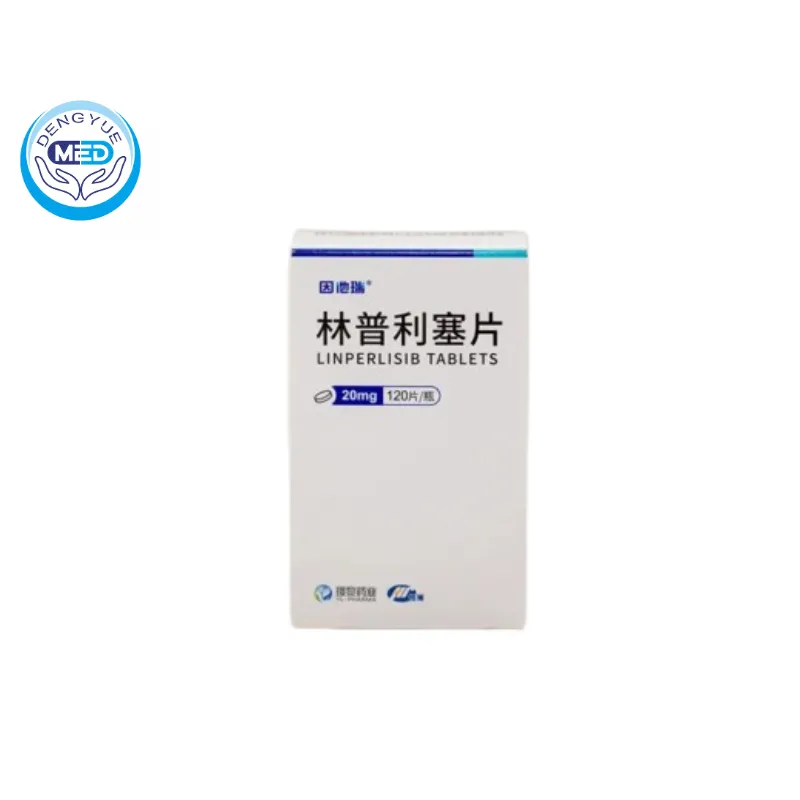
Yintarui (Linperlisib) is a targeted therapy designed to inhibit the PI3K pathway, which is often overactive in certain types of lymphoma. It helps slow the growth of cancer cells and can be used for patients with relapsed or refractory lymphoma. Regular monitoring by a healthcare professional ensures optimal safety and effectiveness.
Beitelin (Ifupinostat)
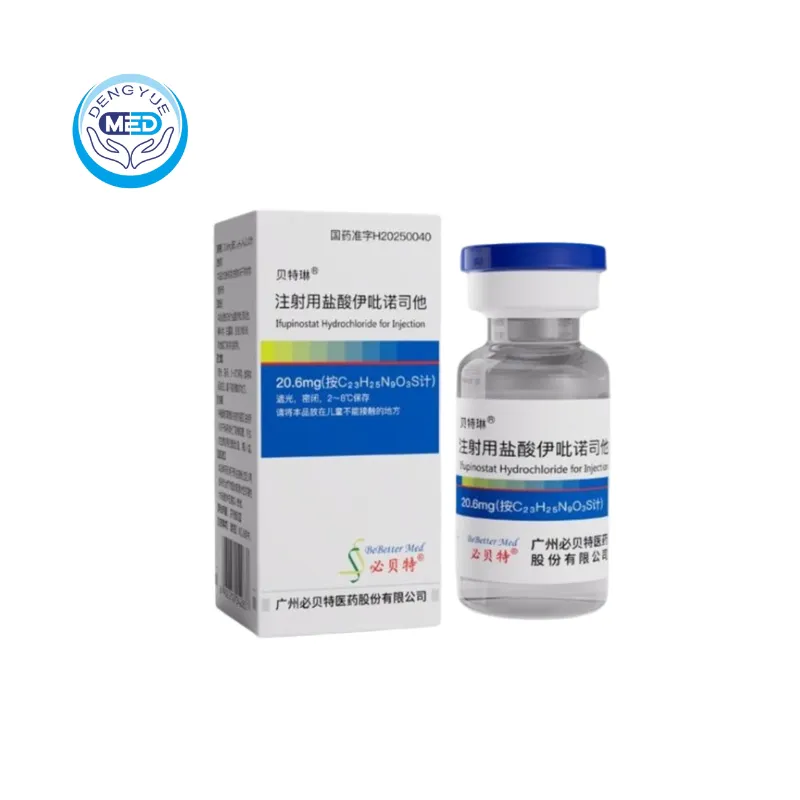
Beitelin (Ifupinostat) is an oral histone deacetylase (HDAC) inhibitor that interferes with cancer cell growth and survival. It is commonly used in clinical settings for patients with specific subtypes of lymphoma. The therapy may help improve disease control while maintaining quality of life.
Zolinza (Vorinostat)
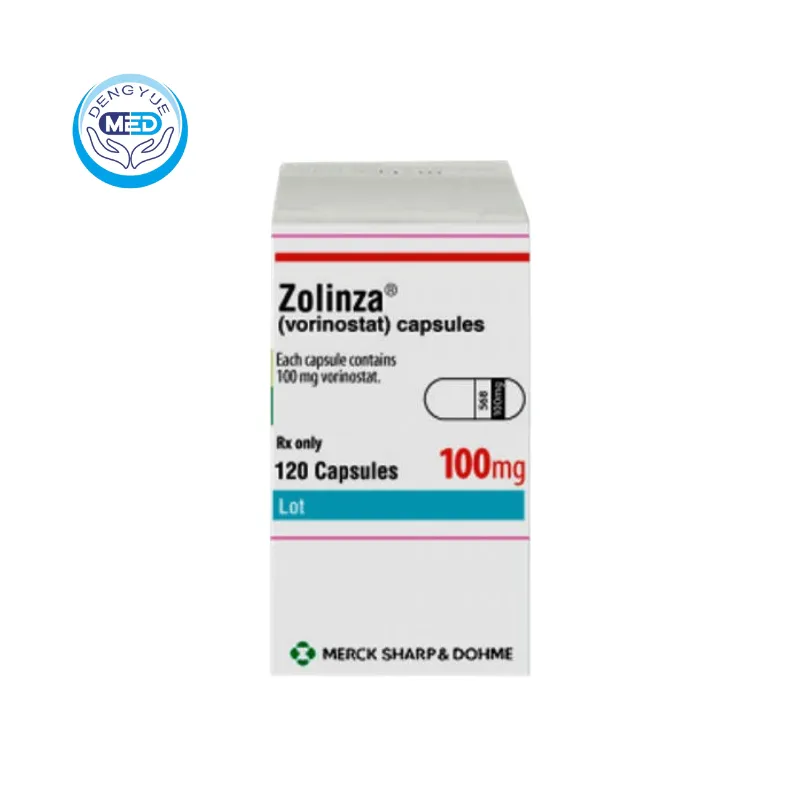
Zolinza (Vorinostat) is another HDAC inhibitor that works by restoring normal cell function and promoting cancer cell death. It is particularly effective for patients with cutaneous T-cell lymphoma and other resistant lymphoma forms. Side effects are generally manageable under medical supervision.
COPIKTRA (Duvelisib)
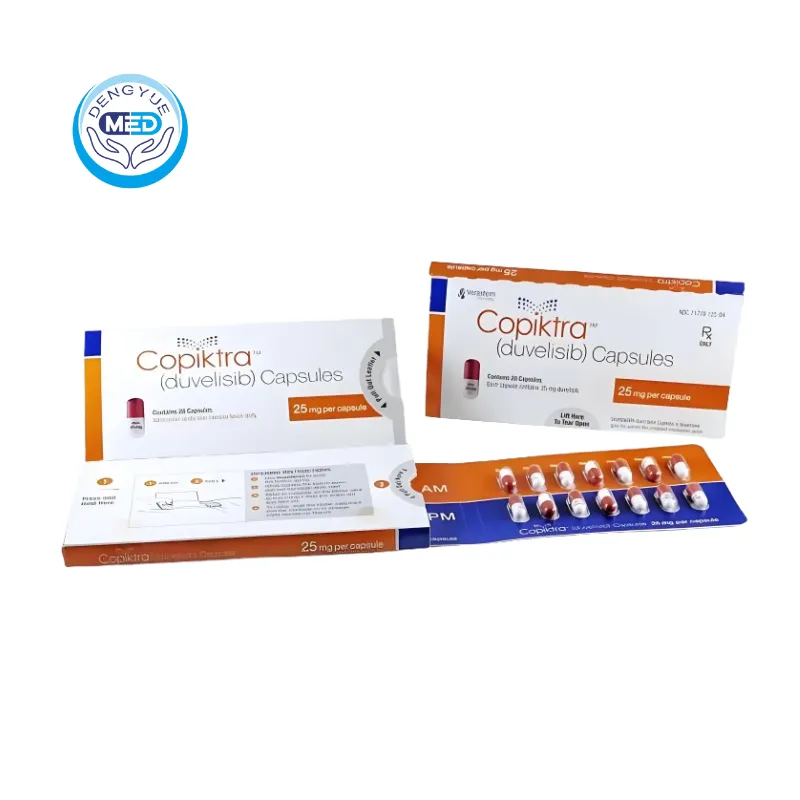
COPIKTRA (Duvelisib) targets both PI3K-delta and PI3K-gamma enzymes, which play a role in lymphoma cell survival. This therapy is often prescribed for relapsed or refractory chronic lymphocytic leukemia (CLL) and small lymphocytic lymphoma (SLL). Continuous monitoring ensures the best balance between efficacy and safety.
Can Lymphoma Be Cured?
Yes — many types of lymphoma are highly treatable, and some are even considered curable. Hodgkin lymphoma, for example, has a 5-year survival rate of around 89% according to SEER data.
Aggressive forms of non-Hodgkin lymphoma cancer can also respond very well to standard therapies like R-CHOP chemotherapy, often achieving long-term remission in a large proportion of patients.
Slower-growing or indolent lymphomas may not always be “curable,” but modern treatments can control the disease for many years, allowing patients to maintain a good quality of life.
The key to success lies in early detection, individualized treatment plans, and careful follow-up.
🌟With timely and tailored care, a cure is possible — and even when a cure isn’t achievable, long-term control lets you live well and stay empowered.
Can You Live a Long Life With Lymphoma?
Thanks to advances in treatment, many people with lymphoma now live long, fulfilling lives. According to the American Cancer Society, the overall 5-year survival rate for non-Hodgkin lymphoma is about 74%, while Hodgkin lymphoma fares even better.
Some patients achieve complete remission and never experience a relapse, while others manage lymphoma as a chronic condition with periodic therapy.
Supportive care, healthy lifestyle choices, and regular follow-ups all play a crucial role in improving long-term outcomes.
💚 A lymphoma cancer diagnosis is not the end — with proper care and attention, many patients thrive and live for decades, maintaining a high quality of life.
FAQ about How Bad Is Lymphoma Cancer? 5 Powerful Steps for Early Action
How Can You Detect Lymphoma Early?
Early detection of lymphoma often relies on recognizing unusual signs like swollen lymph nodes that don’t go away. Doctors may use physical exams, blood tests, imaging scans, or biopsies to confirm the diagnosis.
Where Does It Hurt If You Have Lymphoma?
Lymphoma itself may not always cause pain, but swollen lymph nodes can feel tender in the neck, armpits, or groin. Some patients might experience abdominal discomfort or chest pressure if lymph nodes in those areas are affected.
Does Lymphoma Show in a Blood Test?
Routine blood tests may hint at lymphoma through abnormal blood cell counts or unusual levels of certain proteins.
However, blood tests alone cannot definitively diagnose lymphoma. A biopsy or imaging is usually required for an accurate diagnosis.
How Does Your Body Feel When You Have Lymphoma?
People with lymphoma may experience fatigue, unexplained weight loss, or night sweats. Some notice persistent fever or itching without an obvious cause.
These symptoms can be subtle at first, so paying attention to ongoing changes in your body is important.