
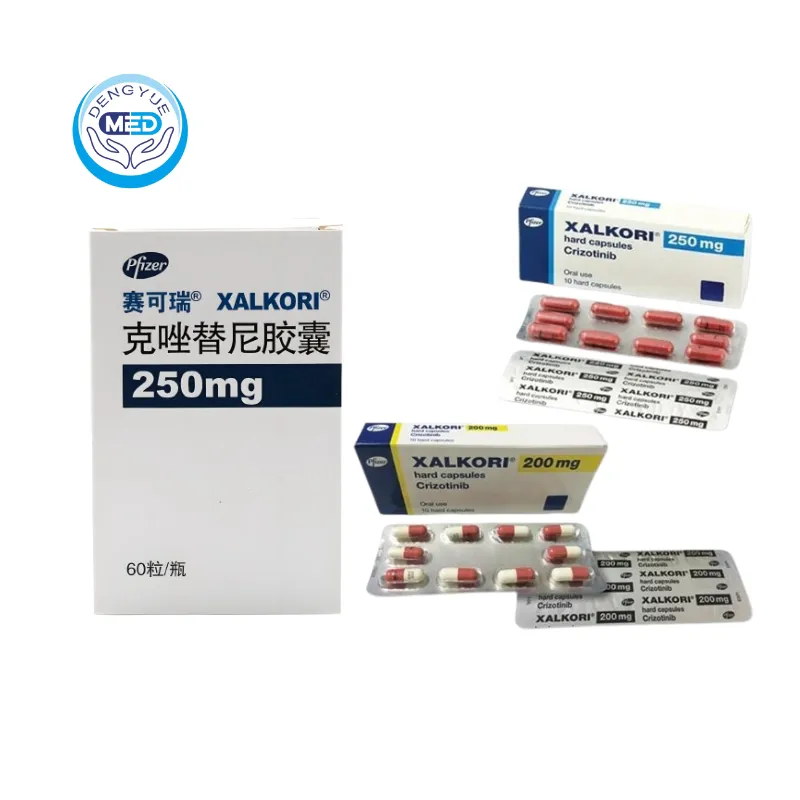
Xalkori (Crizotinib) – NSCLC | HongKong DengYue Medicine
- Generic Name/Brand Name: Crizotinib / Xalkori®
- Indications: NSCLC
- Dosage Form: Capsule
- Specification: 200mg, 250 mg × 60 capsules/box
Crizotinib Application Scope
It is indicated for the treatment of:
-
ALK-positive advanced or metastatic non-small cell lung cancer (NSCLC)
-
ROS1-positive advanced or metastatic NSCLC
It is used as first-line treatment or in patients who have previously received systemic therapy.
Crizotinib Characteristics
-
Ingredients: Crizotinib
-
Properties: Hard gelatin capsules, white opaque/pink opaque, containing white to off-white powder
-
Packaging Specification:
-
250 mg × 60 capsules/box
-
200 mg × 60 capsules/box (depending on market availability)
-
-
Storage: Store at 20–25 °C, protect from moisture and light
-
Expiry Date: 24 months (see packaging for exact date)
-
Executive Standard: In accordance with NMPA / US FDA-approved standard
-
Approval Number: Refer to country-specific registration (e.g., NMPA: H20150012)
-
Date of Revision: See most recent prescribing information
-
Manufacturer: Pfizer Inc.
Guidelines for the Use of Xalkori
-
Dosage and Administration:
-
Recommended Dose: 250 mg orally twice daily (total daily dose: 500 mg)
-
Administration: Administer orally, with or without food. Swallow capsules whole.
-
Missed Dose: If a dose is missed, take it as soon as remembered unless it is <6 hours until next dose. Do not double dose.
-
-
Adverse Reactions:
-
Common Adverse Reactions:
-
Visual disturbances (blurred vision, photophobia)
-
Nausea, vomiting, diarrhea, constipation
-
Edema
-
Fatigue
-
Elevated liver enzymes (ALT/AST)
-
-
Serious Adverse Reactions:
-
Interstitial lung disease/pneumonitis
-
QT interval prolongation
-
Severe hepatotoxicity
-
Bradycardia
-
Neutropenia
-
-
-
Contraindications: Known hypersensitivity to it or any excipient
-
Precautions:
-
Monitor liver function tests regularly
-
ECG monitoring recommended for patients at risk of QT prolongation
-
Use caution in patients with bradycardia or on drugs that lower heart rate
-
Ophthalmologic evaluation if vision changes occur
-
Crizotinib Interactions
-
CYP3A Inhibitors: (e.g., ketoconazole, clarithromycin) increase its plasma levels → avoid or monitor closely
-
CYP3A Inducers: (e.g., rifampin, carbamazepine) decrease crizotinib exposure → avoid
-
CYP3A Substrates: Crizotinib may increase plasma concentration of drugs metabolized by CYP3A (e.g., midazolam)
-
QT-prolonging drugs: Avoid concurrent use if possible
Note:
- If there is a new packaging for the drug, the new packaging shall prevail. The above information is sourced from DengYue Medicine.
- This content is for reference only. Prescription drugs must be used under a doctor’s guidance and purchased from authorized sources.
Related products
-

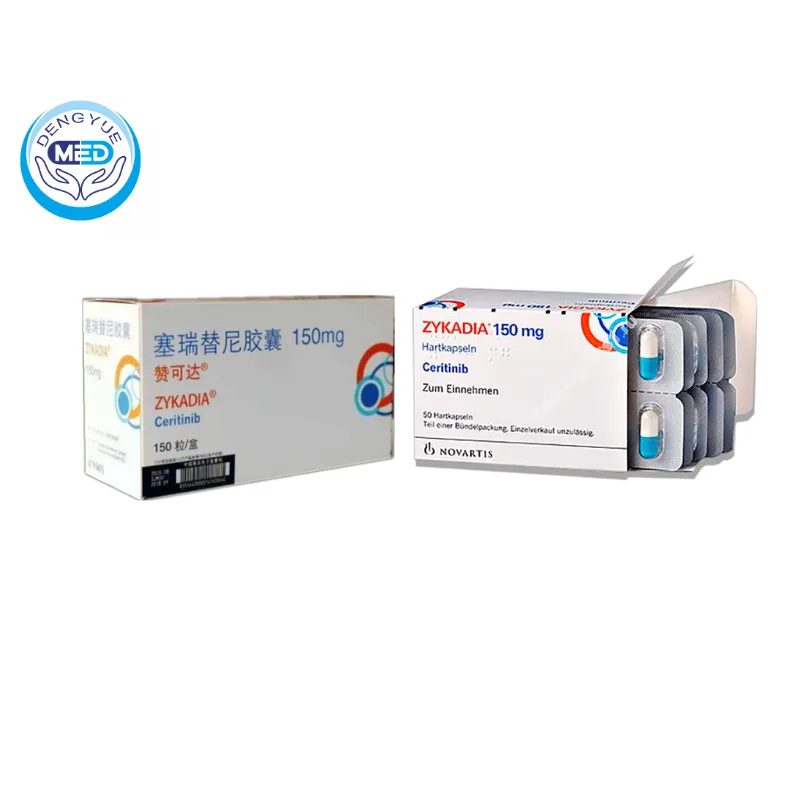
Zykadia (Ceritinib) – NSCLC | HongKong DengYue Medicine
-
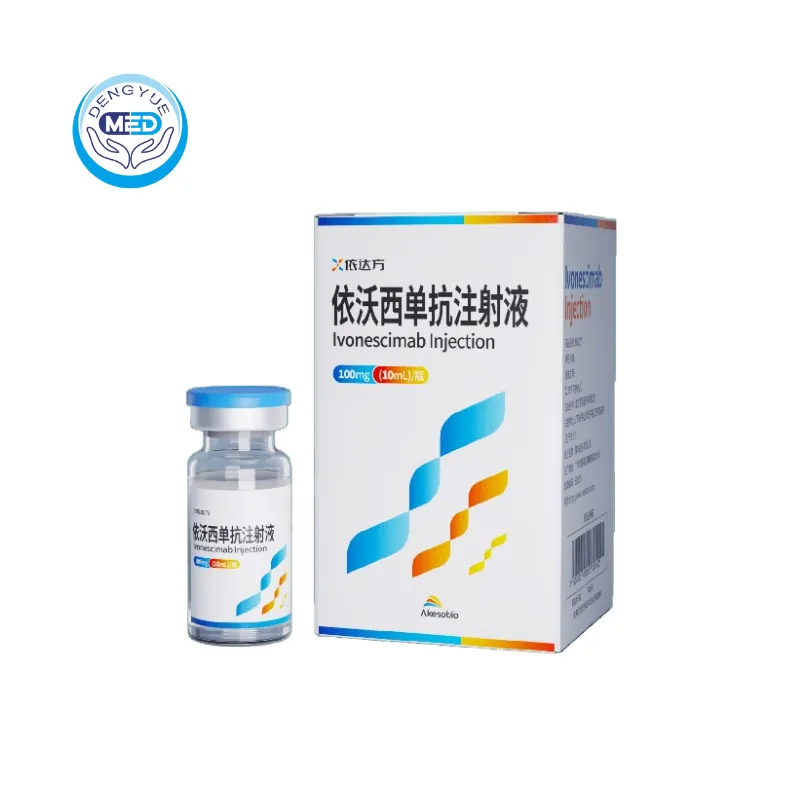
Yidafang (Ivonescimab) – NSCLC | HongKong DengYue Medicine
-
Transfer Factor Injection | Other Tumors | HK DengYueMed
-
Zepzalca (Lurbinectedin) – NSCLC|HongKong DengYue Medicine
-
Adagrasib Tablets | Lung Cancer | HK DengYueMed
-
Augtyro Repotrectinib Capsules | Lung Cancer | DengYue
-
Tarlatamab-Dlle|Extensive-Stage Small Cell Lung Cancer
-
Selpercatinib|Thyroid Cancer|HongKong DengYue Medicine
Reviews
There are no reviews yet.