
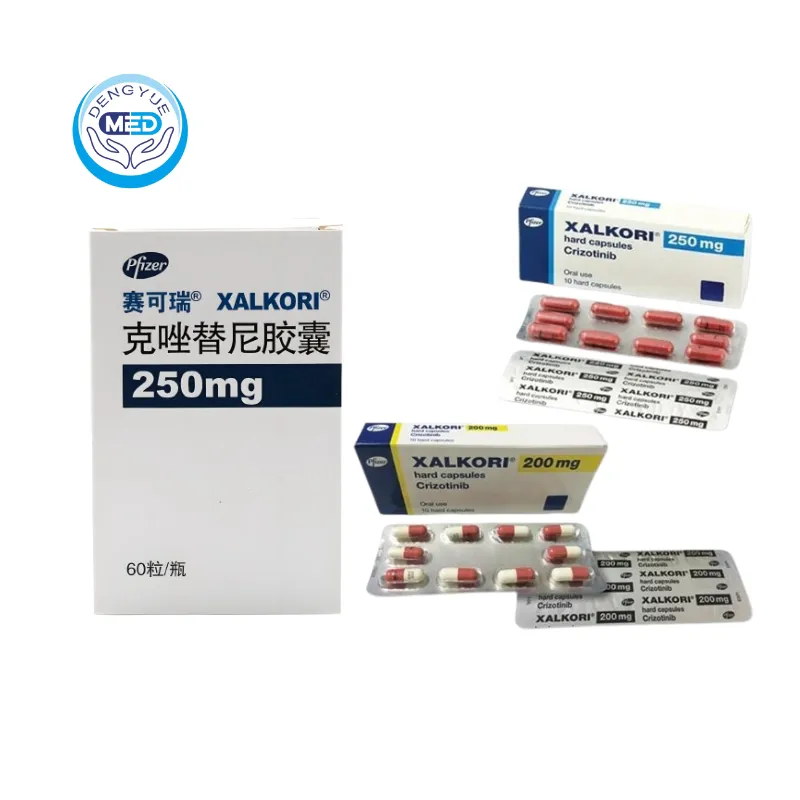
Xalkori (Crizotinib) – NSCLC | HongKong DengYue Medicine
- Generic Name/Brand Name: Crizotinib / Xalkori®
- Indications: NSCLC
- Dosage Form: Capsule
- Specification: 200mg, 250 mg × 60 capsules/box
Crizotinib Application Scope
It is indicated for the treatment of:
ALK-positive advanced or metastatic non-small cell lung cancer (NSCLC)
ROS1-positive advanced or metastatic NSCLC
It is used as first-line treatment or in patients who have previously received systemic therapy.
Crizotinib Characteristics
Ingredients: Crizotinib
Properties: Hard gelatin capsules, white opaque/pink opaque, containing white to off-white powder
Packaging Specification:
250 mg × 60 capsules/box
200 mg × 60 capsules/box (depending on market availability)
Storage: Store at 20–25 °C, protect from moisture and light
Expiry Date: 24 months (see packaging for exact date)
Executive Standard: In accordance with NMPA / US FDA-approved standard
Approval Number: Refer to country-specific registration (e.g., NMPA: H20150012)
Date of Revision: See most recent prescribing information
Manufacturer: Pfizer Inc.
Guidelines for the Use of Xalkori
Dosage and Administration:
Recommended Dose: 250 mg orally twice daily (total daily dose: 500 mg)
Administration: Administer orally, with or without food. Swallow capsules whole.
Missed Dose: If a dose is missed, take it as soon as remembered unless it is <6 hours until next dose. Do not double dose.
Adverse Reactions:
Common Adverse Reactions:
Visual disturbances (blurred vision, photophobia)
Nausea, vomiting, diarrhea, constipation
Edema
Fatigue
Elevated liver enzymes (ALT/AST)
Serious Adverse Reactions:
Interstitial lung disease/pneumonitis
QT interval prolongation
Severe hepatotoxicity
Bradycardia
Neutropenia
Contraindications: Known hypersensitivity to it or any excipient
Precautions:
Monitor liver function tests regularly
ECG monitoring recommended for patients at risk of QT prolongation
Use caution in patients with bradycardia or on drugs that lower heart rate
Ophthalmologic evaluation if vision changes occur
Crizotinib Interactions
CYP3A Inhibitors: (e.g., ketoconazole, clarithromycin) increase its plasma levels → avoid or monitor closely
CYP3A Inducers: (e.g., rifampin, carbamazepine) decrease crizotinib exposure → avoid
CYP3A Substrates: Crizotinib may increase plasma concentration of drugs metabolized by CYP3A (e.g., midazolam)
QT-prolonging drugs: Avoid concurrent use if possible
Note:
- If there is a new packaging for the drug, the new packaging shall prevail. The above information is sourced from DengYue Medicine.
- This content is for reference only. Prescription drugs must be used under a doctor’s guidance and purchased from authorized sources.
Related products

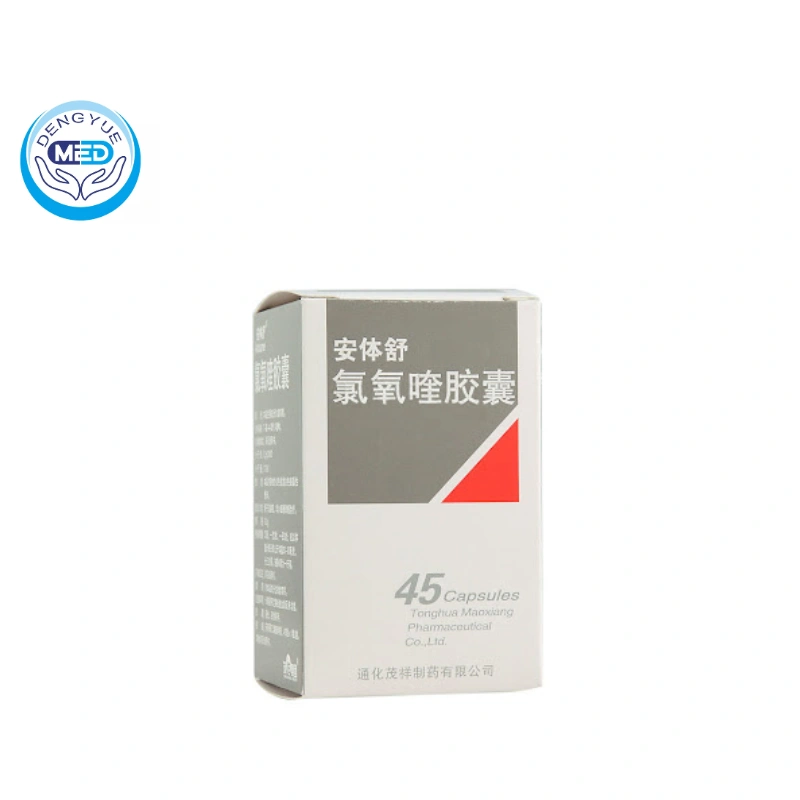
Chloroxoquinoline Capsules | Lung Cancer
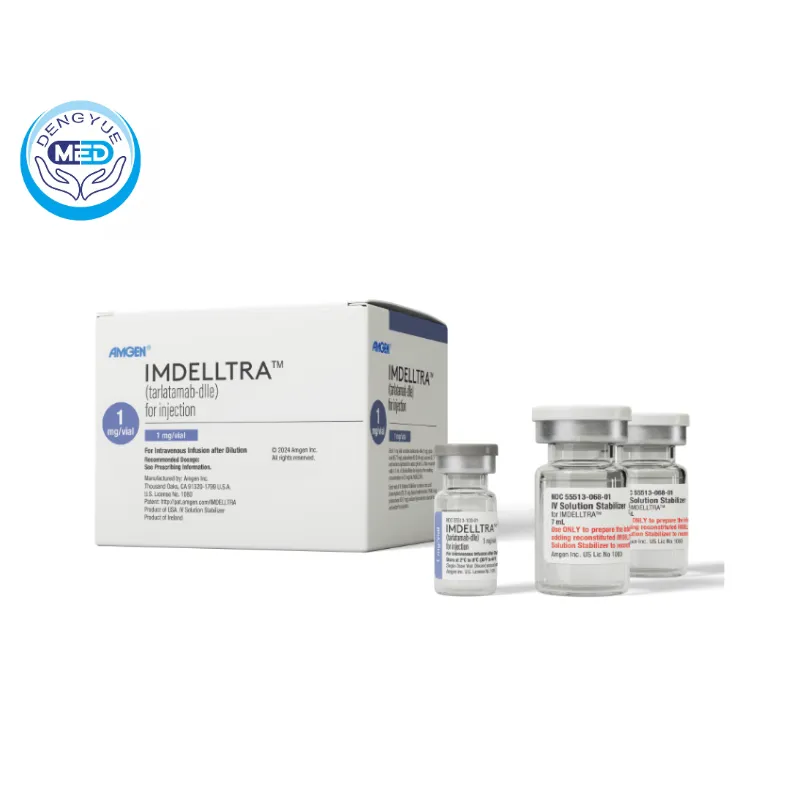
Tarlatamab-Dlle|Extensive-Stage Small Cell Lung Cancer
Transfer Factor Injection | Other Tumors | HK DengYueMed
Vindesine Sulfate For Injection | Melanoma | HK DengYue
Lazertinib | Non-Small Cell Lung Cancer | HongKong DengYue Medicine
Anfangning (Garsorasib) – NSCLC | HongKong DengYue Medicine
Opdivo (Nivolumab) – NSCLC | HongKong DengYue Medicine
Adagrasib Tablets | Lung Cancer | HK DengYueMed
Reviews
There are no reviews yet.