
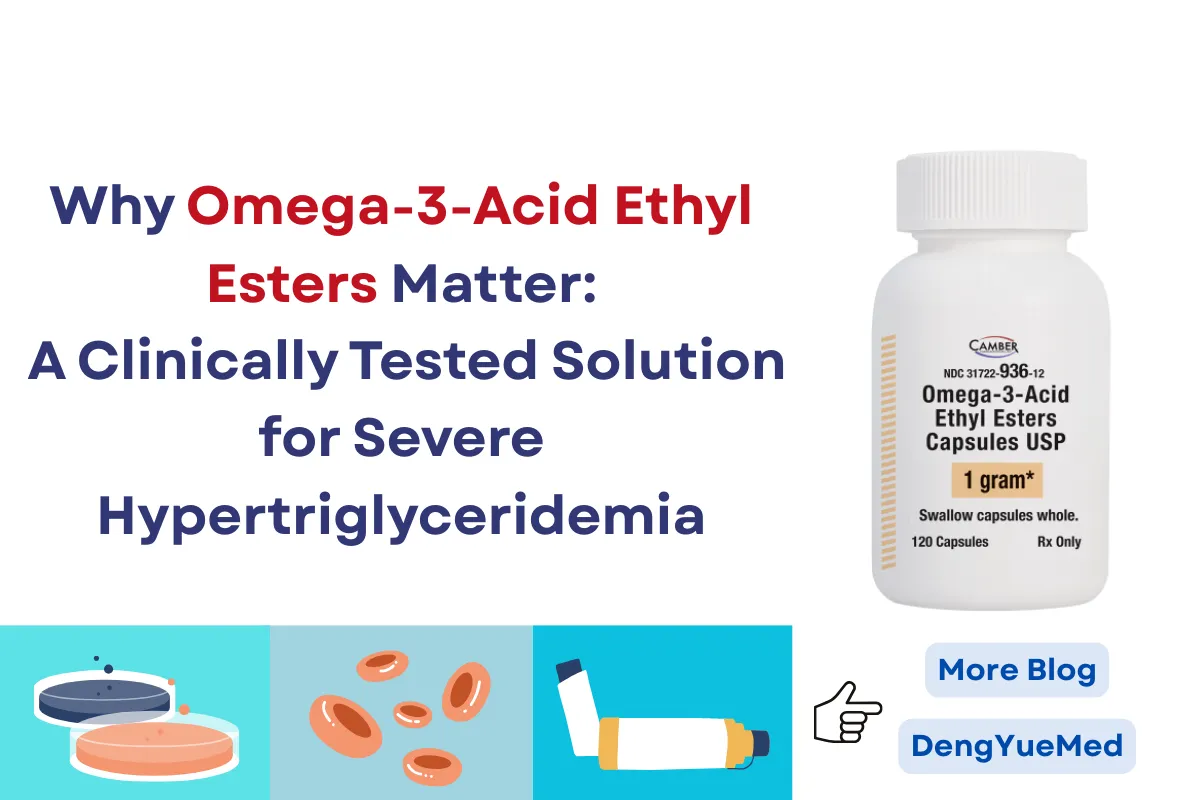
Why Omega-3-Acid Ethyl Esters Matter: A Clinically Tested Solution for Severe Hypertriglyceridemia
🍔 In recent years, the prevalence of metabolic disorders has continued to rise, driven by changes in diet, sedentary lifestyles, and increasing rates of obesity and type 2 diabetes.
👉 Among these conditions, hypertriglyceridemia—elevated triglyceride levels in the blood—has become particularly common.
Triglycerides are essential molecules that store energy for the body, but when their levels remain excessively high, they can contribute to serious health issues.
Mild to moderate elevations often go unnoticed, but when triglycerides reach severe levels (≥500 mg/dL), the risk of acute pancreatitis increases dramatically.
Chronic elevation is also associated with insulin resistance, fatty liver disease, and cardiovascular disease.
🧑⚕️ While lifestyle changes such as diet modification, increased physical activity, and weight management remain fundamental strategies for controlling triglycerides, these interventions sometimes fall short—especially for patients with very high triglyceride levels.
In such cases, physicians often turn to pharmacological options.
✨ One widely used and clinically validated prescription therapy is Omega-3-acid ethyl esters, a highly purified and standardized form of omega-3 fatty acids designed specifically for medical treatment of severe hypertriglyceridemia.
What Are Omega-3-Acid Ethyl Esters?
💊 Omega-3-acid ethyl esters (marketed under brand names such as Lovaza or Omacor) are prescription-strength omega-3 fatty acids approved for lowering severely elevated triglycerides in adults.
The formulation consists primarily of ethyl esters of EPA (Eicosapentaenoic acid) and DHA (Docosahexaenoic acid)—two biologically active long-chain omega-3 fatty acids derived from fish oil.
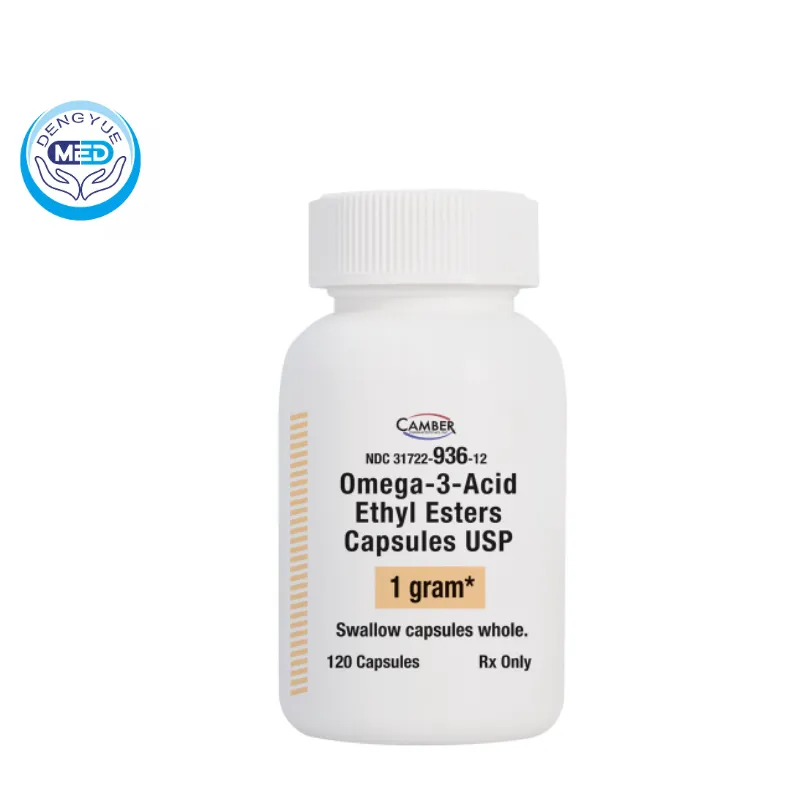
However, Omega-3-acid ethyl esters are fundamentally different from over-the-counter fish oil supplements. Their distinguishing characteristics include:
1️⃣ High purity and controlled composition
The concentrations of EPA and DHA are far higher and more consistent than what is found in dietary supplements.
2️⃣ Manufactured under pharmaceutical-grade standards
This ensures rigorous testing for contaminants, oxidation, and heavy metals.
3️⃣ Clinical validation through randomized trials
Omega-3-acid ethyl esters have demonstrated measurable triglyceride-lowering effects at therapeutic doses.
4️⃣ Regulatory approval
They are approved by agencies such as the U.S. FDA for treatment of severe hypertriglyceridemia—something no dietary supplement is approved for.
👉 Because of these factors, Omega-3-acid ethyl esters are considered a drug, not merely a nutritional product. They require a prescription and medical supervision.
How Omega-3-acid Ethyl Esters Work
The therapeutic action of Omega-3-acid ethyl esters is based on several complementary mechanisms. Collectively, these mechanisms reduce triglyceride levels, primarily by affecting lipid metabolism in the liver:
- Reduction of hepatic triglyceride synthesis
The drug decreases the liver’s production of triglycerides by inhibiting enzymes involved in their formation.
- Lowering of VLDL (very low-density lipoprotein)
VLDL particles are the main transporters of triglycerides in the bloodstream. By reducing VLDL secretion, overall triglyceride levels fall.
- Enhanced clearance of triglycerides
Omega-3-acid ethyl esters increase the breakdown and removal of triglycerides from circulating blood.
✅ At the FDA-approved dosage of 4 grams per day, omega-3-acid ethyl esters typically reduce triglyceride levels by 20% to 45%, depending on baseline values and individual metabolic conditions.
One important note: because the formulation contains DHA, some patients may experience a mild increase in LDL cholesterol.
‼️ This is why physicians monitor not only triglycerides but also the full lipid panel during treatment.
Approved Indications of Omega-3-acid Ethyl Esters
The primary approved indication for Omega-3-acid ethyl esters is:
→ Treatment of adults with severe hypertriglyceridemia (≥500 mg/dL)
⚠️ Severely elevated triglycerides are considered a high-risk condition due to their association with acute pancreatitis—a potentially life-threatening inflammatory disorder of the pancreas.
In such scenarios, aggressive triglyceride reduction is medically necessary.
Additionally, in some clinical settings and depending on regulatory guidelines in each country, Omega-3-acid ethyl esters may be used:
- In combination with statins for mixed dyslipidemia
- In patients who cannot tolerate statins but require triglyceride control
- In metabolic disorders such as diabetes-related high triglycerides
However, these additional uses should always be guided by a healthcare professional.
Why Omega-3-acid Ethyl Esters Require Medical Supervision
Although Omega-3-acid ethyl esters are derived from fish oil, their pharmacological potency and specific therapeutic role mean they are not appropriate for everyone. Certain considerations make medical supervision essential:
- Allergy considerations
🐟 Individuals with known fish or shellfish allergies may require special evaluation before use. - Bleeding risk
🩸 Omega-3-acid ethyl esters can potentially prolong bleeding time. Patients taking anticoagulants or antiplatelet medications need careful monitoring. - Liver function monitoring
👤 As the drug is metabolized in the liver, patients with hepatic impairment require periodic liver enzyme tests. - Drug interactions
💊 Although interactions are relatively uncommon, clinicians evaluate the full medication list to avoid complications.
These safety measures ensure that the benefits of Omega-3-acid ethyl esters outweigh any potential risks.
Conclusion
Omega-3-acid ethyl esters represent an important therapeutic option in the management of severe hypertriglyceridemia.
Unlike typical fish oil supplements, this medication is a highly purified, clinically tested, and tightly regulated pharmaceutical product with proven triglyceride-lowering effects.
✨ By reducing triglyceride synthesis, lowering VLDL production, and enhancing triglyceride clearance, Omega-3-acid ethyl esters help decrease the risk of serious complications such as acute pancreatitis.
For individuals whose triglyceride levels remain dangerously high despite lifestyle interventions, Omega-3-acid ethyl esters provide a safe and effective treatment pathway under professional medical guidance.
🔬 As research continues to evolve, this drug remains a cornerstone therapy in lipid management and metabolic health.
🙂 As part of our ongoing commitment to providing clear and reliable medical insights, DengYue Medicine continues to observe the evolving research landscape surrounding Omega-3-acid ethyl esters and their clinical use in managing elevated triglyceride levels.
FAQ about Omega-3-Acid Ethyl Esters
What is omega-3 acid ethyl ester used for?
Omega-3-acid ethyl esters are used together with a proper diet to lower very high triglyceride (fat-like substance) levels in the blood.
What is the difference between omega-3 and omega-3 ethyl esters?
To start, here is one difference between the two forms: the omega-3 fatty acids EPA and DHA occur naturally in fish in the triglyceride form, while those in the ethyl ester form are synthesized from the triglyceride form.
Which form of omega-3 is better, ethyl ester or triglyceride?
In studies where omega-3 supplementation spanned several weeks or more, there were generally no significant differences in absorption
What are the side effects of omega-3-acid ethyl esters?
Omega-3 fatty acids may cause side effects. Tell your doctor if any of these symptoms are severe or do not go away:
1. Burping.
2. Heartburn.
3. Stomach pain or discomfort.
4. Joint pain.
5. Vomiting.
6. Constipation.
7. Diarrhea.
8. Nausea.