
Antimicrobial Peptides Against Antibiotic Resistance: A Key Direction in the Global Anti-Infective Market
As antibiotic resistance continues to worsen worldwide, the pharmaceutical industry is searching for next-generation anti-infective solutions. Among the most promising approaches, antimicrobial peptides against antibiotic resistance are emerging as a major focus of research and development.
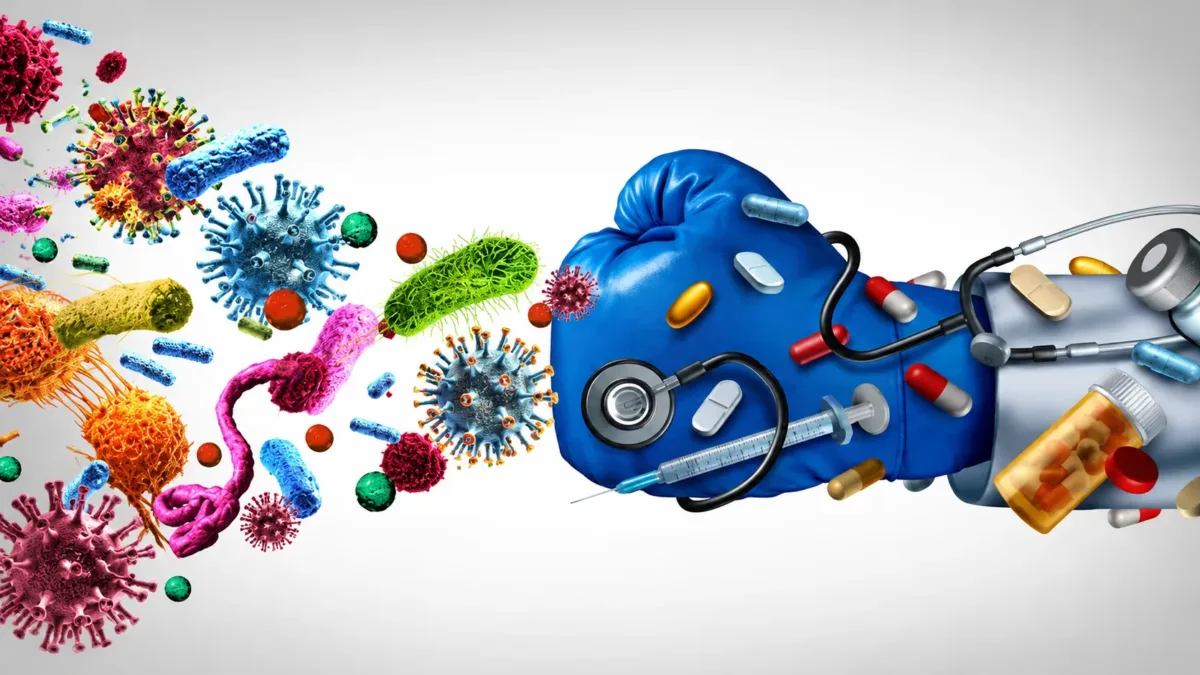
On June 22, NMPA approved Peceleganan Spray, the world’s first Ganan-class antimicrobial peptide drug.
The approval attracted significant industry attention because it represents more than the launch of a new medicine—it signals the growing reality of a new technological pathway for combating multidrug-resistant bacteria.
Against the backdrop of the escalating global antibiotic resistance crisis, antimicrobial peptides (AMPs) are evolving from a laboratory concept into one of the core directions of global anti-infective drug research and development. 👨🔬
In this article, Hong Kong-based DengYueMed reviews the latest industry developments, explores the mechanisms of antimicrobial peptides, examines their commercialization progress, and discusses their future potential in addressing antibiotic resistance challenges.
The Global Antibiotic Resistance Crisis Is Escalating
Antimicrobial resistance (AMR) refers to the ability of bacteria, fungi, and other pathogens to develop resistance to medications after prolonged exposure.
The World Health Organization (WHO) has identified AMR as one of the top ten global public health threats.
A 2022 Global Burden of Disease study published in The Lancet estimated that approximately 1.27 million deaths in 2019 were directly attributable to antimicrobial resistance, while nearly 5 million deaths were associated with AMR-related infections.
Today, several resistant pathogens are spreading rapidly worldwide, including: 🔽
- Methicillin-resistant Staphylococcus aureus (MRSA)
- Carbapenem-resistant Enterobacterales (CRE)
- Carbapenem-resistant Acinetobacter baumannii (CRAB)
- Multidrug-resistant tuberculosis (MDR-TB)
Infections caused by these organisms are often difficult to treat, lead to prolonged hospital stays, and significantly increase healthcare costs and mortality.
As the pace of new antibiotic development slows, identifying alternative anti-infective therapies has become a critical priority for the global pharmaceutical industry. This challenge is one of the key drivers behind the growing interest in antimicrobial peptides against antibiotic resistance.
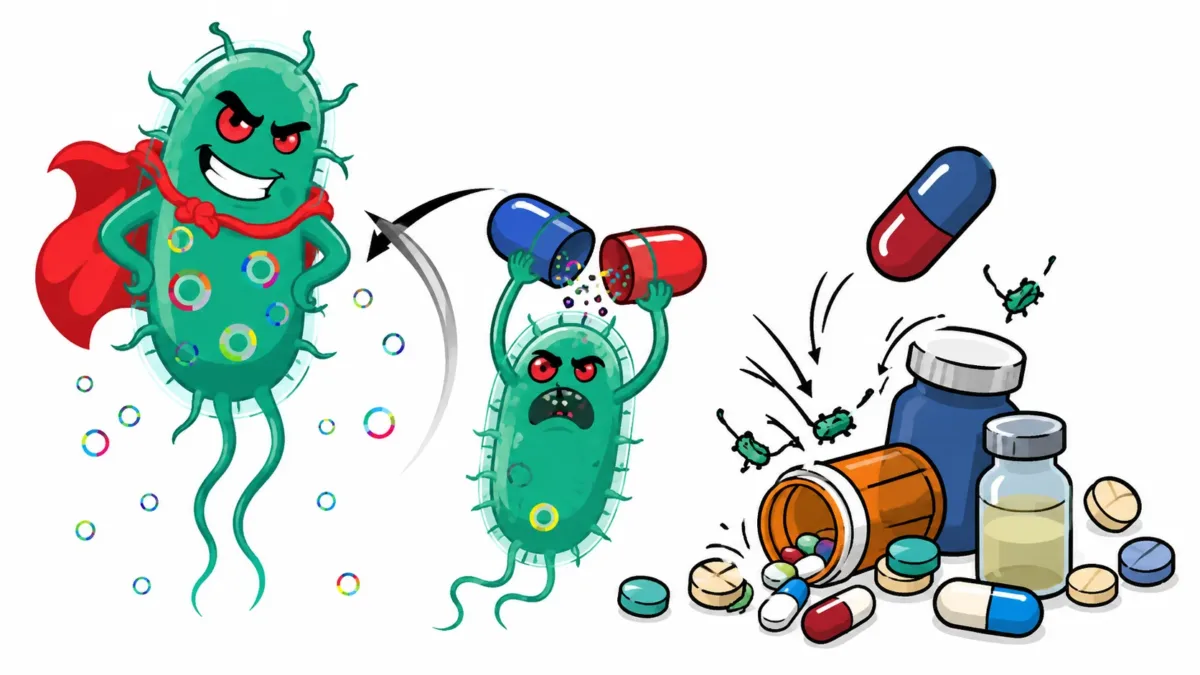
What Are Antimicrobial Peptides?
Antimicrobial peptides are short-chain peptides naturally found in humans, animals, plants, and microorganisms. They are an essential component of the innate immune system.
They can be found in a wide range of biological sources, from frog skin to human saliva.
Antimicrobial peptides typically possess the following characteristics:
- Small molecular size, usually consisting of 10–50 amino acids
- Positively charged structures that selectively bind to negatively charged bacterial membranes
- Amphipathic properties, containing both hydrophilic and hydrophobic regions
- Rapid activity, capable of recognizing and attacking pathogens within minutes
These molecules are considered one of the body’s first natural lines of defense against infection.
How Do Antimicrobial Peptides Differ from Traditional Antibiotics?
| Comparison | Traditional Antibiotics | Antimicrobial Peptides |
|---|---|---|
| Mechanism of Action | Usually target a single pathway, such as cell wall synthesis or protein synthesis | Multiple mechanisms, primarily membrane disruption |
| Resistance Risk | Resistance can develop through mutations and other mechanisms | Generally higher resistance barriers |
| Chemical Nature | Mostly small-molecule compounds | Primarily short peptides |
| Antimicrobial Spectrum | Often narrow-spectrum or pathogen-specific | Some possess broad-spectrum activity against bacteria, fungi, and certain viruses |
| Development Status | Long-established field | Emerging area of innovation |
These mechanistic differences make antimicrobial peptides against antibiotic resistance an important candidate strategy for addressing resistant infections.
Four Key Advantages of Antimicrobial Peptides Against Antibiotic Resistance
1️⃣ Rapid Disruption of Bacterial Cell Membranes
Many antimicrobial peptides bind directly to bacterial membranes and disrupt their structural integrity.
Once the membrane is compromised, intracellular contents leak out, ultimately leading to bacterial death.
Compared with traditional antibiotics that often target a single biological process, this physical mode of attack makes it more difficult for bacteria to develop resistance through simple genetic mutations.
2️⃣ Reduced Likelihood of Resistance Development
Bacteria can develop resistance to conventional antibiotics through mutations, enzymatic degradation, efflux pumps, and other mechanisms.
However, antimicrobial peptides often act on multiple targets simultaneously and may directly disrupt membrane structures.
As a result, the barrier to resistance development is generally higher, although resistance cannot be entirely ruled out.
This characteristic is one of the primary reasons why researchers are increasingly studying antimicrobial peptides against antibiotic resistance.
3️⃣ Broad-Spectrum Antimicrobial Activity
Many antimicrobial peptides can act against:
- Gram-positive bacteria
- Gram-negative bacteria
- Fungi
- Certain viruses
This broad-spectrum activity offers potential advantages in complex infectious environments.
4️⃣ Potential Activity Against Biofilms
Biofilms are a major contributor to chronic infections, including:
- Diabetic foot infections
- Chronic wound infections
- Medical device-associated infections
Biofilms can significantly reduce the effectiveness of conventional antibiotics.
Research suggests that certain antimicrobial peptides may disrupt biofilm structures, making them an attractive area of investigation within the field of antimicrobial peptides against antibiotic resistance.
Commercialization Progress: From Traditional Products to Next-Generation Innovative Drugs
Although antimicrobial peptides have been studied for decades, relatively few products have successfully reached commercialization and regulatory approval.
First Generation: Naturally Derived Antimicrobial Peptides
- Bacitracin: Isolated from Bacillus species and widely used for localized infections
- Gramicidin: Membrane-active peptide used for superficial infections
- Polymyxin B and Polymyxin E (Colistin): Considered last-resort treatments for multidrug-resistant Gram-negative infections despite concerns regarding nephrotoxicity
Second Generation: Important Peptide-Based Drugs for Resistant Infections
- Vancomycin: A glycopeptide antibiotic that, while not a membrane-active antimicrobial peptide, established the success of peptide-based approaches against resistant bacteria
- Daptomycin: A lipopeptide antibiotic targeting bacterial membranes and effective against MRSA and VRE
- Dalbavancin and Oritavancin: Long-acting glycopeptides used to treat acute bacterial skin infections
🎯 These medicines are widely used in the treatment of resistant Gram-positive bacterial infections.
Third Generation: Innovative Antimicrobial Peptides Enter a New Era
- Peceleganan Spray (Puyike®): Approved in China on June 22, 2026, as the world’s first Ganan-class antimicrobial peptide drug. Its approved indication is secondary wound infection associated with first-degree and superficial second-degree burns caused by Staphylococcus epidermidis, Staphylococcus haemolyticus, and Acinetobacter baumannii, administered as a topical spray.
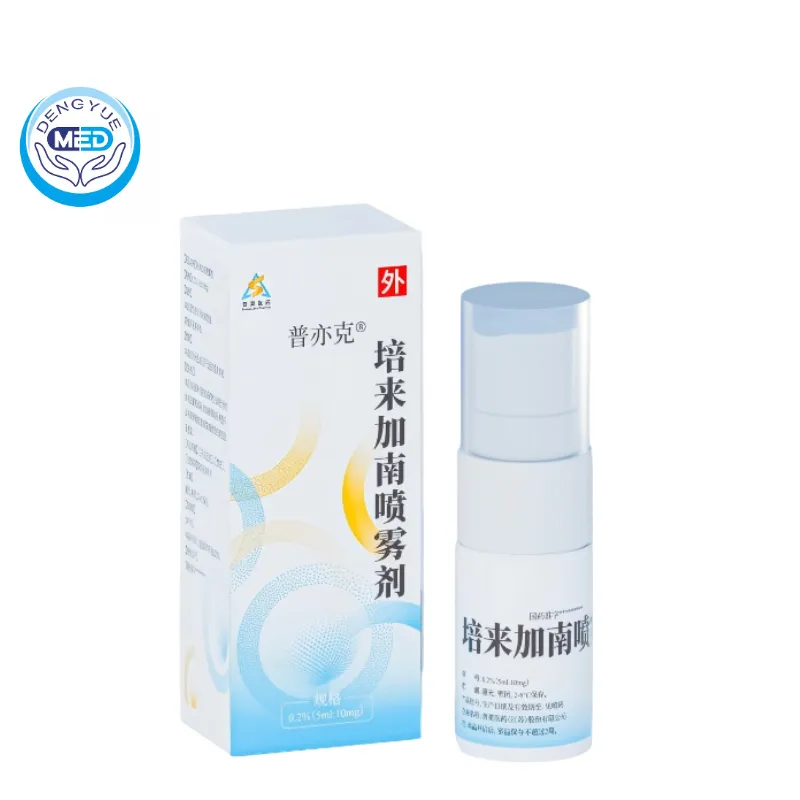
This approval not only demonstrates the feasibility of translating antimicrobial peptide research into commercial products but also highlights accelerating global efforts to develop antimicrobial peptides against antibiotic resistance beyond traditional antibiotics.
What Challenges Still Face Antimicrobial Peptide Development?
Despite their promise, antimicrobial peptides still face several barriers to widespread clinical adoption.
- Limited Stability: Many peptides are susceptible to enzymatic degradation in the human body, reducing their duration of action.
- Challenges with Oral Administration: Many antimicrobial peptides are poorly absorbed through the gastrointestinal tract, requiring injection or topical delivery.
- High Manufacturing Costs: Peptide production is generally more expensive than the manufacture of traditional small-molecule antibiotics.
- Safety Considerations: At higher concentrations, some antimicrobial peptides may exhibit toxicity toward healthy cells, requiring further optimization.
Addressing these challenges remains a major focus for researchers developing antimicrobial peptides against antibiotic resistance.
Future Trends in Antimicrobial Peptide Development
As biotechnology advances, antimicrobial peptides are entering a new phase of innovation.
1. Combination Therapy with Antibiotics
Combining antimicrobial peptides with existing antibiotics may enhance treatment efficacy and help delay resistance development.
2. AI-Assisted Antimicrobial Peptide Design
Artificial intelligence is helping researchers rapidly identify and design novel peptide candidates.
3. Synthetic Biology Innovation
Synthetic biology technologies are enabling the development of antimicrobial peptides with improved stability and stronger antimicrobial activity.
4. Precision Anti-Infective Therapy
Future antimicrobial peptides may be integrated with pathogen detection technologies to support more personalized infection management.
5. Advanced Drug Delivery Systems
Liposomes, nanoparticles, hydrogels, and other delivery platforms are being developed to improve peptide stability and local retention, supporting clinical translation.
These advances are expected to further strengthen the role of antimicrobial peptides against antibiotic resistance in future anti-infective strategies.
Conclusion
Antibiotics remain an indispensable pillar of modern medicine. However, the growing threat of antimicrobial resistance is driving the search for new therapeutic solutions.
As a vital component of the body’s innate immune system, antimicrobial peptides are becoming one of the most important directions in global anti-infective drug development due to their unique mechanisms of action, broad-spectrum antimicrobial activity, and relatively low risk of resistance development.
✨ With continued advances in artificial intelligence, synthetic biology, peptide engineering, and novel drug delivery technologies, antimicrobial peptides against antibiotic resistance may become an important complement to traditional antibiotics and provide new pathways for addressing the global AMR crisis.
DengYueMed, a global pharmaceutical distributor, will continue to monitor innovations in China’s and the world’s anti-infective drug markets, providing international clients with professional pharmaceutical supply chain solutions and pharmaceutical market insights.
FAQ about Antimicrobial Peptides Against Antibiotic Resistance
What are the 4 types of antimicrobial peptides?
The four commonly recognized categories of antimicrobial peptides are α-helical peptides, β-sheet peptides, extended peptides, and loop peptides. These classes are distinguished by their structural characteristics, which influence how they interact with and eliminate microorganisms.
Why are antimicrobial peptides better than antibiotics?
Antimicrobial peptides can attack pathogens through multiple mechanisms, often by disrupting microbial cell membranes directly, making it harder for bacteria to develop resistance. Many also exhibit broad-spectrum activity against bacteria, fungi, and some viruses.
What is the role of antimicrobial peptides?
Antimicrobial peptides play a key role in the innate immune system as a first line of defense against infections. They help protect the body by rapidly identifying, attacking, and eliminating harmful microorganisms such as bacteria, fungi, and certain viruses.
How are antimicrobial peptides made?
Antimicrobial peptides are naturally produced by living organisms as part of their immune system. They can also be manufactured in laboratories using modern biotechnology and peptide synthesis techniques.