What Are the 8 Signs of Liver Cancer Getting Worse? Symptoms of Advanced Liver Cancer
Liver cancer is one of the most serious and life-threatening cancers worldwide. According to the International Agency for Research on Cancer (IARC), liver cancer remains one of the leading causes of cancer-related deaths globally.
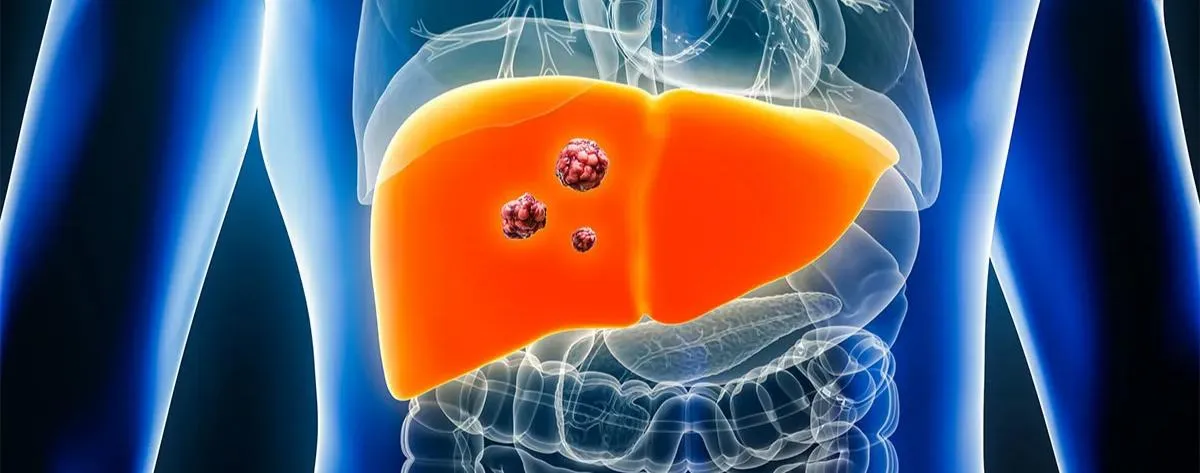
As the condition advances, many patients and families begin to ask an important question: what are the 8 signs of liver cancer getting worse?
In general, when the tumor continues to grow or liver function becomes further impaired, patients may experience worsening abdominal pain, jaundice, ascites, rapid weight loss, and other symptoms. Recognizing these warning signals early can help patients seek medical care in time.
As a global pharmaceutical distributor, DengYueMed closely follows developments in oncology medicines and provides information and supply channels for many anticancer drugs used worldwide.
In this article, we will explain what are the 8 signs of liver cancer getting worse, the causes of disease progression, and the common treatment options for advanced liver cancer.
1. What Are the 8 Signs of Liver Cancer Getting Worse?
When liver cancer progresses to a more advanced stage, symptoms usually become more noticeable and severe. Understanding what are the 8 signs of liver cancer getting worse can help patients and caregivers recognize the warning symptoms of advanced liver cancer.
1. Persistent or Worsening Upper Right Abdominal Pain
The liver is located in the upper right area of the abdomen. As the tumor grows larger or begins to invade nearby tissues, it can stretch the liver capsule and cause discomfort or pain.
Patients may experience:
- Persistent pain in the upper right abdomen
- A dull aching sensation or pressure
- Pain that radiates to the right shoulder or back
In some cases, the pain may gradually become stronger over time. Increasing abdominal pain can be one of the most noticeable symptoms of advanced liver cancer.
2. Unexplained Rapid Weight Loss
Rapid and unexplained weight loss is a common symptom in many advanced cancers, including liver cancer.
This occurs because:
- Cancer cells consume a large amount of the body’s energy
- Liver dysfunction affects nutrient metabolism
- Loss of appetite reduces food intake
Patients may notice:
- Sudden weight loss over several weeks or months
- Reduced muscle mass
- General weakness
When weight loss occurs without dieting or lifestyle changes, it may be a sign that liver cancer is progressing.
3. Severe Fatigue and Weakness
Another common worsening liver cancer symptom is persistent fatigue.
The liver plays an essential role in metabolism, detoxification, and energy production. When liver function declines due to cancer, the body may struggle to maintain normal energy levels.
Patients may experience:
- Extreme tiredness throughout the day
- Difficulty performing daily activities
- Reduced physical endurance
This fatigue often does not improve with rest and may worsen as the disease progresses.
4. Worsening Jaundice
One important answer to the question what are the 8 signs of liver cancer getting worse is worsening jaundice, which often indicates serious liver dysfunction.
Jaundice occurs when bilirubin builds up in the body due to impaired liver function or blocked bile ducts.
Common symptoms include:
- Yellowing of the skin
- Yellowing of the whites of the eyes
- Dark urine
- Pale or clay-colored stools
When jaundice worsens, it may indicate significant liver damage or obstruction of the bile ducts by a tumor.
5. Ascites (Abdominal Fluid Accumulation)
Ascites refers to the buildup of fluid in the abdominal cavity, which often occurs in advanced stage liver cancer symptoms.
This happens when:
- Liver function becomes severely impaired
- Blood flow through the liver is disrupted
- Pressure increases in the portal vein system
Patients may notice:
- Visible abdominal swelling
- Tightness or discomfort in the abdomen
- Shortness of breath due to pressure on the diaphragm
Ascites is commonly seen in patients with both liver cancer and liver cirrhosis.
6. Significant Loss of Appetite
Digestive problems are also common in patients with advanced liver cancer.
Symptoms may include:
- Lack of appetite
- Feeling full quickly after eating small amounts
- Nausea or indigestion
This reduced appetite often contributes to weight loss and weakness, making it an important sign that the disease may be worsening.
7. Hepatic Encephalopathy (Confusion or Mental Changes)
When the liver becomes severely damaged, it may no longer be able to remove toxins from the bloodstream effectively. These toxins can accumulate and affect brain function.
This condition is known as hepatic encephalopathy.
Patients may develop symptoms such as:
- Difficulty concentrating
- Memory problems
- Confusion or disorientation
- Personality changes
- Excessive sleepiness
These neurological symptoms may indicate significant liver failure and require immediate medical attention.
8. Difficulty Breathing
In later stages of liver cancer, some patients may develop breathing problems.
This can happen due to several factors:
- Large amounts of ascites pressing against the diaphragm
- Fluid buildup around the lungs
- Cancer spreading to the lungs
- General physical weakness
Breathing difficulties may worsen gradually and should always be evaluated by a healthcare professional.
2. Why Do Liver Cancer Symptoms Become Worse?
Understanding why symptoms worsen can help patients better manage the disease.
Several factors may contribute to the progression of liver cancer.
Tumor Growth
As the tumor grows larger, it can compress nearby tissues and blood vessels. This may cause pain, swelling, and other symptoms.
Declining Liver Function
The liver performs hundreds of important functions in the body, including detoxification, protein production, and metabolism.
When cancer damages healthy liver tissue, the organ may gradually lose its ability to function properly.
Cancer Metastasis
Advanced liver cancer may spread to other organs in the body. According to the American Cancer Society, liver cancer can metastasize to organs such as the lungs, bones, or lymph nodes.
When cancer spreads, new symptoms may appear depending on the organs involved.
3. Treatment Options for Advanced Liver Cancer
Once patients understand what are the 8 signs of liver cancer getting worse, doctors can evaluate disease progression and recommend appropriate treatments.
Treatment options usually depend on:
- Tumor stage
- Liver function
- Overall health of the patient
Targeted Therapy for Liver Cancer
Targeted therapy drugs block specific molecular pathways that allow cancer cells to grow and spread.
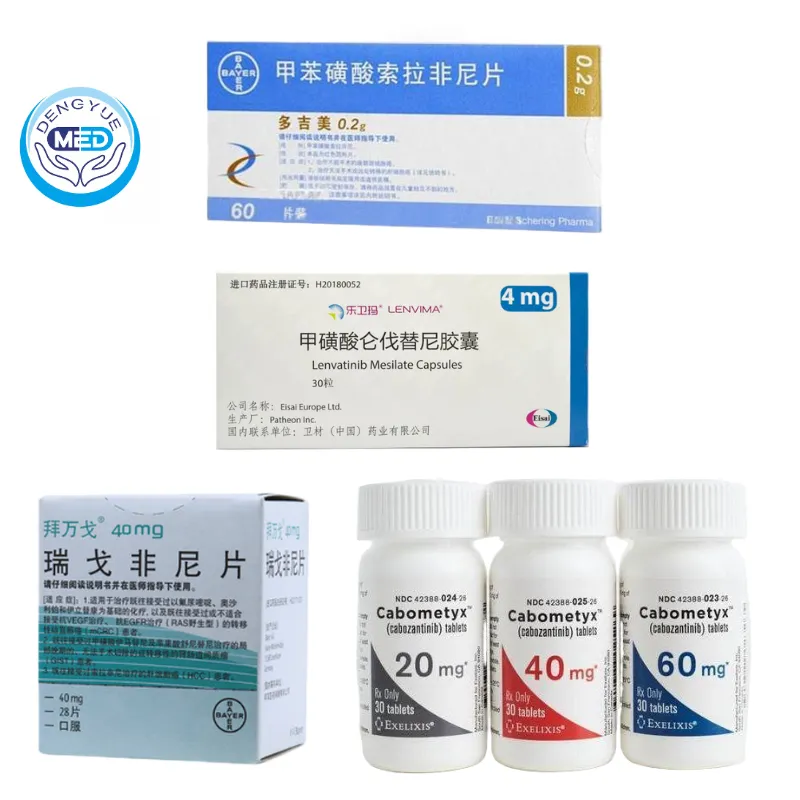
Common targeted therapies used for liver cancer include:
Sorafenib was one of the first targeted therapies approved for advanced liver cancer. It inhibits multiple signaling pathways involved in tumor growth and angiogenesis.
Lenvatinib targets VEGFR and FGFR pathways and is widely used as a first-line therapy for advanced liver cancer.
Regorafenib is often used as second-line treatment after sorafenib.
Cabozantinib blocks multiple cancer-related signaling pathways and is used in later treatment lines.
Immunotherapy for Liver Cancer
Immunotherapy works by helping the immune system recognize and attack cancer cells.
Common immunotherapy drugs include:
Nivolumab is a PD-1 immune checkpoint inhibitor that helps restore immune responses against tumors.
Pembrolizumab is another PD-1 inhibitor used in several cancer treatments, including liver cancer.
Tislelizumab has been widely studied in Asian populations and shows promising therapeutic potential.
Atezolizumab plus Bevacizumab
This combination therapy has become an important treatment strategy for advanced liver cancer.

Local Therapies
Some patients may still benefit from localized treatments aimed at controlling tumor growth.
These treatments may include:
- Transarterial chemoembolization (TACE)
- Radiofrequency ablation (RFA)
- Radiation therapy
These approaches can help slow tumor progression and relieve symptoms.
4. Who Should Monitor for Worsening Liver Cancer Symptoms?
Certain groups of people are at higher risk for liver cancer progression and should monitor symptoms carefully.
High-risk groups include:
- Patients with chronic hepatitis B or hepatitis C
- Individuals with liver cirrhosis
- Long-term heavy alcohol users
- People with non-alcoholic fatty liver disease (NAFLD)
- Patients already diagnosed with liver cancer
Doctors often recommend regular ultrasound examinations and blood tests, such as AFP (alpha-fetoprotein), for monitoring.
Conclusion
Knowing what are the 8 signs of liver cancer getting worse is important for patients and caregivers, as early recognition of these symptoms may lead to timely medical care.
Common signs liver cancer is getting worse include:
- Increasing upper right abdominal pain
- Rapid weight loss
- Jaundice
- Ascites
- Severe fatigue
- Loss of appetite
- Mental confusion
- Difficulty breathing
Recognizing these symptoms early can help patients seek medical attention and receive appropriate treatment.
With the development of targeted therapy and immunotherapy, treatment options for advanced liver cancer continue to expand, offering new hope for patients worldwide.
HongKong DengYueMed remains committed to monitoring advances in oncology medicines and providing information and supply channels for important anticancer drugs to healthcare providers and patients worldwide.
For more information about oncology medicines, please feel free to contact us.
FAQ about What Are the 8 Signs of Liver Cancer Getting Worse?
When cancer spreads to the liver, how long to live?
When cancer spreads to the liver, life expectancy can vary widely depending on factors such as the type of primary cancer, the extent of liver involvement, overall health, and available treatments. In some cases, patients may live months to several years with modern therapies such as targeted therapy, immunotherapy, or local treatments.
When does liver cancer start to hurt?
Liver cancer often does not cause pain in the early stages. Pain usually appears when the tumor grows larger or begins to press on the liver capsule or surrounding tissues, typically causing discomfort or pain in the upper right abdomen.
What are the end signs of liver cancer?
End-stage liver cancer may cause severe fatigue, significant weight loss, worsening jaundice, abdominal swelling (ascites), confusion due to liver failure, and increasing pain or breathing difficulties as the disease progresses.
Does liver cancer spread quickly?
Yes, liver cancer can spread relatively quickly, especially in advanced stages. It may spread to nearby blood vessels, lymph nodes, or other organs such as the lungs and bones if not treated in time.