
5 Key Types of Lung Cancer Everyone Should Know for Early Action
Lung cancer is a disease where abnormal cells grow uncontrollably in the lungs, forming tumors that can spread to other parts of the body.
It is one of the most common and deadliest cancers worldwide, responsible for more cancer deaths than breast, colon, and prostate cancers combined.
Because lung cancer often develops silently, early stages may show few or no symptoms. This is why understanding the 5 powerful types of lung cancer is essential — it helps patients, families, and doctors recognize risks earlier, seek timely screening, and choose the most effective treatments.
At Hong Kong DengYue Medicine, we believe that knowledge is power. By raising awareness and providing reliable information, we aim to support patients, families, and healthcare professionals in making informed treatment decisions and enhancing the survival rate.
What Is The Main Cause Of Lung Cancer?
Understanding lung cancer causes is the first step to prevention. Lung cancer develops when lung cells accumulate genetic damage over time, usually from repeated exposure to carcinogens.
Major causes include:
- Smoking: The leading cause, linked to about 80–85% of cases. Risk increases with the number of cigarettes and years smoked, and even after quitting, risk remains higher for years.
- Secondhand smoke: Non-smokers living with smokers face a 20–30% higher risk compared with those in smoke-free homes.
- Radon gas: A naturally occurring radioactive gas that can build up in poorly ventilated homes and directly damage lung tissue.
- Air pollution & occupational exposures: Long-term exposure to PM2.5, asbestos, diesel exhaust, or silica dust can trigger cellular changes that lead to cancer.
- Genetic predisposition: Some people inherit variants that make their lungs more susceptible to damage or less able to repair DNA errors.
💪 Reducing smoking, testing homes for radon, and improving air quality are key steps to protect lung health.
Who Mostly Gets Lung Cancer?
While lung cancer can affect anyone, certain patterns are well recognized.
Typical characteristics include:
- Age: Most cases occur in people over 50, with a median diagnosis age of around 70.
- Gender: Historically, it has been more common in men, but rates are increasing; women are catching up, partly due to changing smoking habits.
- Smoking status: Heavy smokers are most affected, though cases in never-smokers are rising — especially in Asia.
- Environmental impact: Living in areas with significant air pollution or secondhand smoke exposure increases overall risk.
🌷 Understanding who is most affected helps doctors focus prevention and screening efforts on those who need it most.
Who Is At High Risk Of Lung Cancer?
People with heavy smoking history are considered highest risk, especially those with a pack-year history over 20.
But risk is not limited to smokers. Those exposed to carcinogens at work — such as asbestos, arsenic, or chromium — or to high levels of radon gas face increased vulnerability.
Chronic lung diseases like COPD and pulmonary fibrosis also raise risk, as does a family history of lung cancer.
Age compounds these factors, making screening programs crucial for those over 50 with multiple risk factors. 💡 If you belong to a high-risk group, annual low-dose CT screening can detect cancer before symptoms appear and significantly improve survival chances.
How To Detect Lung Cancer?
Early detection is the most powerful tool we have against lung cancer. Low-dose CT (LDCT) is the gold standard for screening high-risk individuals — typically those aged 50–80 with a significant smoking history — and has been shown in large trials like the NLST (National Lung Screening Trial) to reduce lung cancer mortality by about 20%.
Annual LDCT scans can spot tiny nodules before symptoms develop, allowing doctors to intervene when the disease is still curable.
If suspicious nodules are detected, doctors may recommend further tests such as PET-CT scans to check for metabolic activity, bronchoscopy, or needle biopsy to confirm diagnosis, and molecular profiling to identify actionable mutations (e.g., EGFR, ALK, KRAS).
This genetic information guides targeted therapy selection, giving patients more personalized and effective treatment options.
🩺 If you are in a high-risk group, talk to your doctor about annual LDCT screening — it could save your life by catching lung cancer at its most treatable stage.
What Are The First Signs Of Lung Cancer?
Early-stage lung cancer can be sneaky, often developing silently until it grows large enough to cause noticeable symptoms. Recognizing these subtle changes in your health is crucial.
Common early warning signs include:
- Persistent cough: Especially if it changes in pattern, becomes harsher, or lasts more than eight weeks.
- Coughing up blood: Even small streaks of blood or rust-colored sputum should be investigated immediately.
- Shortness of breath or wheezing: May indicate partial airway blockage caused by a tumor.
- Chest pain or discomfort: Often dull and persistent, sometimes radiating to the shoulder or back, and worsens with deep breathing or coughing.
- Unexplained weight loss, fatigue, or loss of appetite: Systemic symptoms that may signal cancer is affecting the body’s metabolism.
Other subtle signs can include hoarseness, recurrent respiratory infections, or swelling in the face and neck due to blocked blood flow. Detecting these symptoms early enables timely diagnosis and treatment, which significantly improves survival rates.
💛 Listen to your body — if you notice persistent changes in breathing, cough, or energy levels, seek medical advice promptly. Early action can make all the difference.
5 Key Types Of Lung Cancer Everyone Should Know For Early Action

Non-Small Cell Lung Cancer (NSCLC)
Non-Small Cell Lung Cancer (NSCLC) is the most prevalent form of lung cancer, accounting for approximately 85% of all cases.
It encompasses several subtypes, including adenocarcinoma, squamous cell carcinoma, and large cell carcinoma.
The survival rates for NSCLC vary significantly depending on the stage at diagnosis. According to the American Cancer Society, the 5-year relative survival rates are as follows:
- Localized: 67%
- Regional: 40%
- Distant: 12%
- All stages combined: 32%
Recent advancements in treatment have improved outcomes for NSCLC patients. Targeted therapies and immunotherapies have shown promise in treating specific genetic mutations and enhancing the body’s immune response against cancer cells.
Clinical trials continue to explore new combinations of treatments to further improve survival rates.💪 Remember, early detection and personalized treatment plans can significantly improve outcomes. Stay proactive and consult with your healthcare provider regularly.
Small Cell Lung Cancer (SCLC)
Small Cell Lung Cancer (SCLC) is a highly aggressive form of lung cancer, representing about 10–15% of all cases.
It is strongly associated with smoking and tends to grow and spread rapidly. The survival rates for SCLC are notably lower compared to NSCLC. The American Cancer Society reports the following 5-year relative survival rates:
- Localized: 34%
- Regional: 20%
- Distant: 4%
- All stages combined: 9%
However, recent clinical advancements offer hope. A 2025 study demonstrated that the drug Imdelltra reduced the risk of death by 40% in patients with extensive-stage SCLC whose disease had progressed after initial chemotherapy.
Patients treated with Imdelltra had a median overall survival of 13.6 months, compared to 8.3 months for those receiving standard chemotherapy.
🌟 While SCLC presents challenges, ongoing research and new treatments are improving survival rates. Stay informed and discuss treatment options with your oncologist.
Adenocarcinoma
Adenocarcinoma is the most common subtype of NSCLC, particularly prevalent among non-smokers and women.
It originates in the peripheral areas of the lungs and is often diagnosed at an early stage. The survival rates for adenocarcinoma vary based on the stage at diagnosis.
According to the U.S. National Library of Medicine, the 5-year survival rate is approximately 12% overall, but it can be as high as 70–85% for patients diagnosed at stage I.
Advancements in targeted therapies have significantly improved outcomes for patients with specific genetic mutations, such as EGFR mutations.
Drugs like osimertinib have been shown to reduce the risk of cancer recurrence and increase survival rates when used in combination with chemotherapy.
🌱 Early detection and personalized treatment are key to improving outcomes. Regular screenings and genetic testing can help identify the most effective treatment strategies.
Squamous Cell Carcinoma
Squamous Cell Carcinoma is another subtype of NSCLC, often linked to smoking and typically arising in the central parts of the lungs.
The survival rates for squamous cell carcinoma are influenced by the stage at diagnosis and the patient’s overall health. The average 5-year survival rate is approximately 24%, but early detection and aggressive treatment can improve outcomes.
Treatment options include surgery, chemotherapy, and radiation therapy. Recent studies have shown that early-stage squamous cell carcinoma has a high cure rate when treated promptly.
For instance, when detected early, the 5-year survival rate can be as high as 99%.🔥
Large Cell Carcinoma
Large Cell Carcinoma is a rare and aggressive form of NSCLC, accounting for about 2–5% of all lung cancer cases.
It is characterized by large, undifferentiated cells and tends to grow rapidly. The survival rates for large cell carcinoma are generally lower compared to other subtypes.
The 5-year survival rate is approximately 15.6%, with early-stage diagnosis offering the best chance for successful treatment.
Treatment typically involves surgery, chemotherapy, and radiation therapy. However, due to its aggressive nature, large cell carcinoma often requires a combination of treatments to achieve the best outcomes.
🌈 While large cell carcinoma presents challenges, advancements in treatment and early detection are improving survival rates. Stay hopeful and consult with your healthcare team for personalized treatment options.
Lung Cancer Treatments: Key Therapies You Should Know
Avastin (Bevacizumab)

Avastin is a targeted anti-angiogenesis therapy that blocks VEGF, a protein responsible for creating new blood vessels that feed tumors.
By cutting off this blood supply, it slows tumor growth and helps make chemotherapy more effective. It is used to treat several cancers, including non-small cell lung cancer, colorectal cancer, and kidney cancer. Common side effects may include high blood pressure, bleeding, or delayed wound healing.
Conmana (Icotinib)
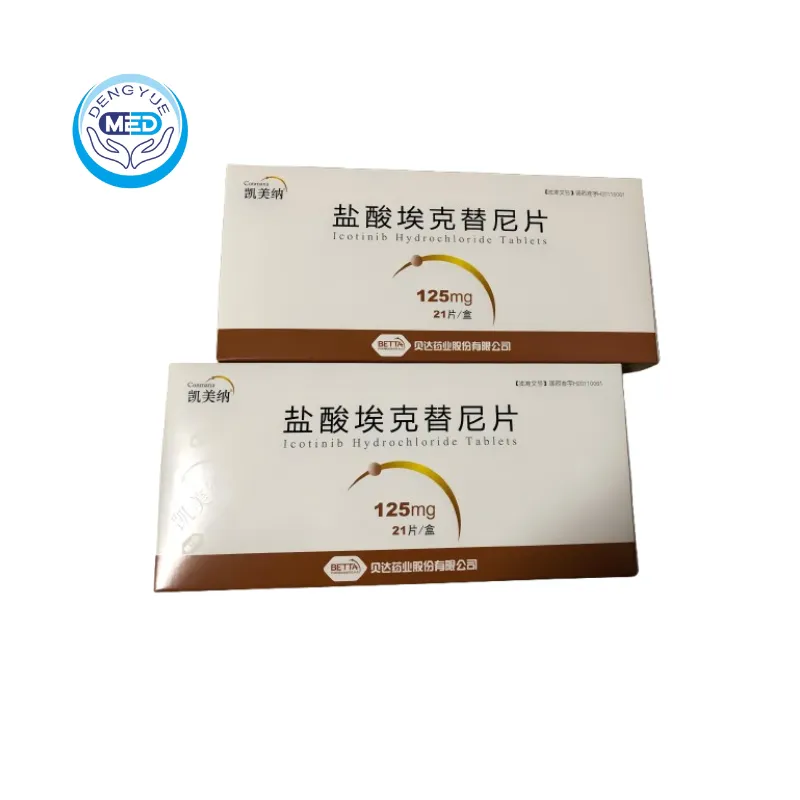
Conmana is an oral EGFR tyrosine kinase inhibitor (TKI) specifically designed to block abnormal EGFR signaling in cancer cells.
It is mainly used for patients with EGFR-mutated non-small cell lung cancer, helping to shrink tumors and improve breathing symptoms. Conmana is known for its convenient dosing and relatively manageable side effects, such as rash and diarrhea.
Xalkori (Crizotinib)
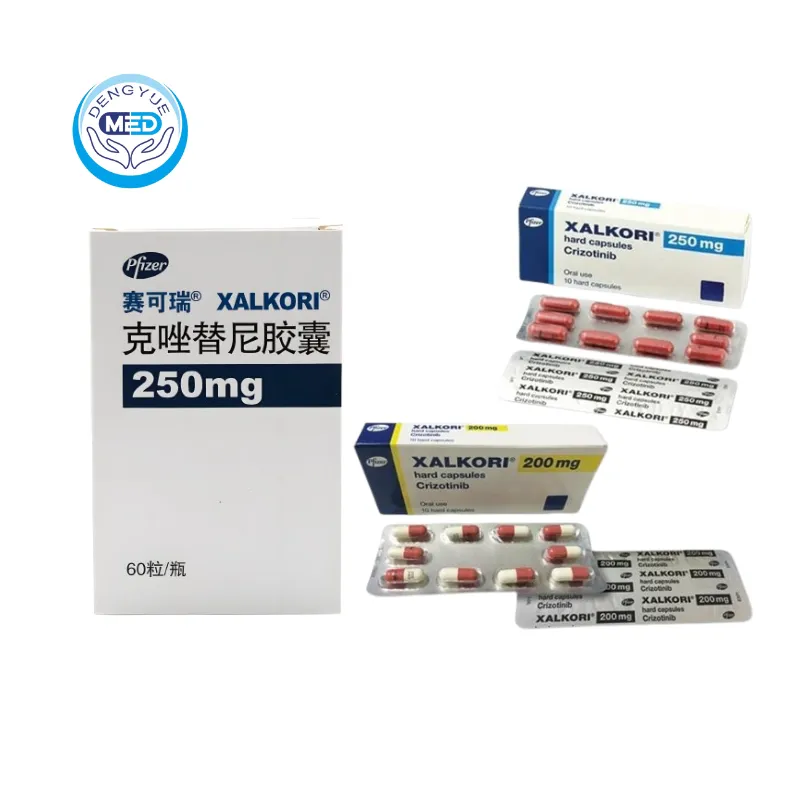
Xalkori is a precision medicine that targets ALK and ROS1 gene rearrangements, which drive tumor growth in a subset of non-small cell lung cancers.
By blocking these abnormal signals, Xalkori can slow or stop cancer progression and shrink tumors. It is often used as a first-line therapy for patients who test positive for ALK or ROS1. Some patients may experience vision changes, nausea, or fatigue while on treatment.
Iressa (Gefitinib)

Iressa is a first-generation EGFR tyrosine kinase inhibitor that works by blocking EGFR signals, which are responsible for uncontrolled cell division in some lung cancers.
It is recommended for patients with EGFR mutations, especially in the early treatment of advanced non-small cell lung cancer.
Iressa can significantly improve quality of life, delay disease progression, and is generally well-tolerated, though rash and diarrhea are common side effects.
💖 Modern lung cancer treatment offers more targeted and less toxic options than ever before.
Can Stage 4 Lung Cancer Be Cured?
Stage 4 lung cancer indicates distant spread, so a cure is rare, but treatment can still achieve major benefits.
Targeted drugs can control disease for years in patients with genetic mutations like EGFR or ALK, while immunotherapies have allowed some patients to live much longer than expected.
In certain limited (“oligometastatic”) cases, combining systemic therapy with surgery or radiation may even offer long-term remission.
❤️ Even when a cure isn’t possible, care focuses on prolonging survival, reducing symptoms, and helping patients live as fully as possible.
How Long Can Someone Live With Lung Cancer?
Survival times vary widely. Patients diagnosed at an early stage have a 5-year survival rate above 60% after surgery, whereas advanced-stage patients historically lived less than a year — but new therapies have improved this significantly.
Some patients with driver mutations now live several years with well-controlled disease. Small-cell lung cancer is more aggressive, but even here, timely chemotherapy and radiation can induce remission and extend life.
🌟 Your outcome depends on many factors — statistics can guide expectations, but they don’t define individual hope.
FAQ about 5 Key Types of Lung Cancer Everyone Should Know for Early Action
What Is The Hardest Cancer To Cure?
Pancreatic cancer is considered the hardest to cure because it’s often found late. It tends to spread quickly and is resistant to many treatments. Early detection and aggressive therapy offer the best chance for survival.
Which Country Has The Highest Cancer Rate?
Australia currently reports the highest overall cancer rate worldwide. This is partly due to high rates of skin cancer from sun exposure. Good screening programs also mean more cancers are detected early.
What Is The Cancer Rate In China?
China has one of the highest numbers of cancer cases globally due to its large population. Lung, stomach, liver, and colorectal cancers are the most common.
Prevention efforts focus on reducing smoking and improving early screening.
What To Do To Avoid Cancer?
Avoid tobacco, limit alcohol, and maintain a healthy diet and weight. Exercise regularly and protect your skin from too much sun. Go for routine checkups and cancer screenings recommended for your age.