
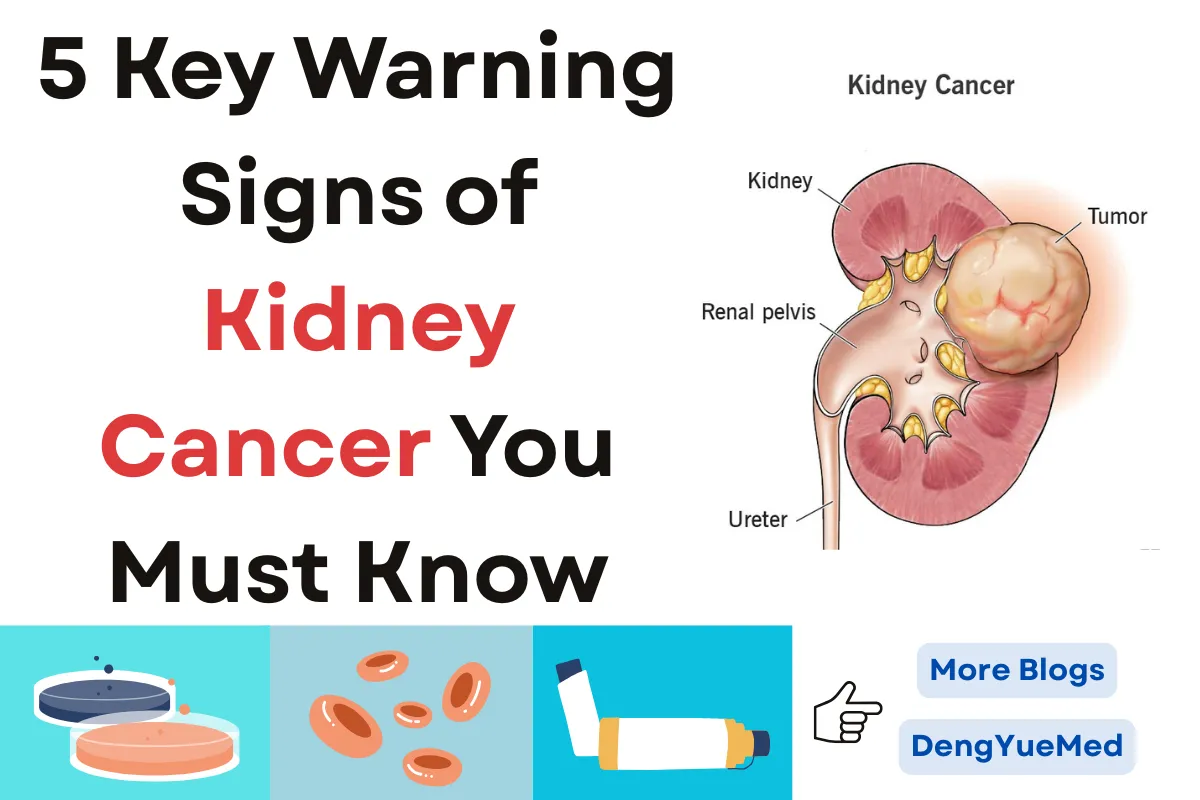
5 Key Warning Signs of Kidney Cancer You Must Know
Kidney cancer is a type of cancer that starts in the kidneys — two bean-shaped organs that filter waste and excess fluid from your blood. This disease often develops quietly, without obvious symptoms in its early stages.
Because of its silent nature, early detection is critical. Recognizing the warning signs can make a big difference in successful treatment. Here are 5 key warning signs of kidney cancer you must know to protect your health and take action early.
At Hong Kong DengYue Medicine, we are dedicated to spreading awareness about kidney cancer, sharing breakthroughs in early detection, treatment, and patient care.
✨ With today’s advanced therapies, patients have more hope than ever for better outcomes and longer, healthier lives.
What Are the First Signs of Kidney Cancer?
Early kidney cancer is often silent, but certain clues can trigger timely evaluation. The most common presenting sign is blood in the urine (visible or microscopic hematuria), followed by persistent flank or side pain, a palpable abdominal lump, unexplained fever, fatigue, or weight loss.
The classic triad of hematuria, flank pain, and a palpable mass is now rare, as many cases are detected earlier through imaging.
Recognizing these kidney cancer symptoms is critical, as early detection significantly improves treatment options and outcomes.
💡 If you notice blood in your urine or persistent flank pain, seek medical evaluation early — catching it early gives you more options. 🩺
5 Key Warning Signs of Kidney Cancer You Must Know
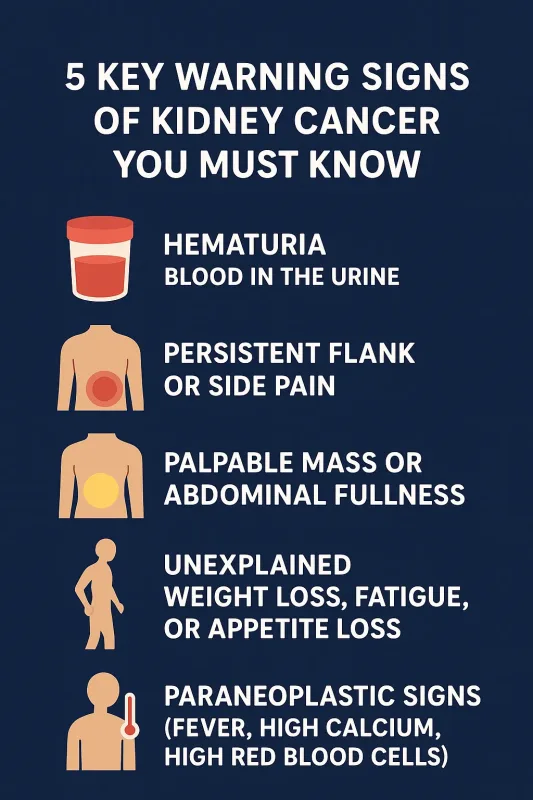
Hematuria (Blood in the Urine)
Hematuria is the most common symptom of kidney cancer, present in up to 40–60% of patients at diagnosis.
It can be gross (visible red or cola-colored urine) or microscopic (only seen under a microscope). Importantly, hematuria may be intermittent — a single episode is enough reason to see a doctor.
Clinicians usually order a urinalysis, urine culture, and imaging such as an ultrasound or CT scan to locate the bleeding source.
Hematuria can also result from kidney stones, infection, or benign tumors, but in adults, it must be taken seriously until cancer is ruled out.
❤️ Even one episode of blood in your urine deserves attention — early evaluation saves time and gives you more treatment options.
Persistent Flank or Side Pain
Flank pain occurs when a kidney tumor stretches the renal capsule, invades nearby structures, or causes internal bleeding.
The pain is usually dull and constant rather than sharp and colicky (like kidney stone pain), and it often stays on one side.
Doctors may recommend an ultrasound or a CT scan to determine whether the pain is from a tumor, stones, infection, or another abdominal issue.
Persistent pain lasting more than a few weeks — especially without a clear injury — should never be ignored.
🤝 Listen to your body. If the pain lingers or worsens, schedule a check-up — finding the cause early can bring peace of mind.
Palpable Mass or Abdominal Fullness
Feeling a lump or swelling in the side of your abdomen or lower back can be alarming. A palpable mass usually means the tumor is large enough to be felt through the abdominal wall and may indicate more advanced disease.
Doctors will use imaging to measure tumor size, check whether it involves nearby blood vessels (like the renal vein or vena cava), and plan surgery accordingly.
In some cases, a biopsy may be taken to confirm the tumor type before treatment.🧑⚕️ Don’t wait if you feel an unusual lump — early staging scans can guide safe and effective surgery.
Unexplained Weight Loss, Fatigue, or Appetite Loss
Systemic symptoms like weight loss, fatigue, or appetite loss often occur in later stages of kidney cancer, but they can sometimes appear earlier.
They may result from the body’s immune response to the tumor or metabolic effects known as cancer cachexia.
Laboratory tests may reveal anemia, abnormal liver enzymes, or elevated inflammatory markers, all of which can signal more widespread disease.
Prompt imaging is essential when these symptoms are unexplained, as they can affect treatment planning and prognosis.
💛 If you’re losing weight without trying or feeling persistently drained, don’t dismiss it — your health is worth investigating.
Paraneoplastic Signs (Fever, High Calcium, High Red Blood Cells)
Kidney cancers are unique because they can produce hormones or hormone-like substances that disrupt normal body functions.
Some patients develop hypercalcemia (causing confusion, nausea, or muscle weakness), erythrocytosis (too many red blood cells leading to thick blood), or new or worsening high blood pressure.
Others experience unexplained fevers or night sweats that don’t respond to antibiotics. These findings may appear before any obvious tumor symptoms and are often picked up through routine blood work.
Treating the underlying tumor typically improves or resolves these paraneoplastic effects. 🌟 If blood tests or blood pressure readings are unexpectedly abnormal, ask about imaging — it might be the first clue to something important.
How Long Can You Have Kidney Cancer Without Knowing?
Kidney cancer can be present silently for a surprisingly long time. Many small renal masses grow very slowly — often only 2–3 mm per year — and may remain asymptomatic for years.
Large population-based studies show that over 50–60% of kidney cancers are now discovered incidentally during imaging performed for unrelated issues (such as abdominal pain, gallstones, or trauma).
However, not all tumors behave the same way. High-grade clear cell RCC or sarcomatoid variants may grow more aggressively, spreading within months if not treated.
That is why active surveillance programs carefully monitor tumor size and growth rate with imaging every 3–6 months before deciding on surgery or ablation.
🕊️ A slow-growing mass doesn’t always mean immediate surgery — your care team can design a safe monitoring plan tailored to you.
How Is Kidney Cancer Usually Found?
In modern practice, kidney cancer is usually found using imaging-based evaluation rather than physical symptoms.
Contrast-enhanced CT scan remains the gold standard for diagnosis and staging, offering detailed information on tumor size, location, vascular involvement (renal vein or vena cava thrombus), and possible metastasis.
Ultrasound often serves as the first-line tool, especially for screening or in primary care, and MRI is preferred for patients who cannot receive contrast or for precise vascular assessment.
Biopsy is not routinely done for all kidney masses but is recommended before ablation therapy, when imaging is inconclusive, or when systemic treatment is considered for metastatic disease.
The shift toward image-guided diagnosis has dramatically improved early-stage detection and curability.
🔍 Modern imaging gives doctors a precise map to guide treatment — it’s the first step toward clarity and control.
Where Is the First Place Kidney Cancer Spreads To?
Metastatic kidney cancer most often spreads via blood vessels and lymphatics. The lungs are the first site in over 50% of cases, which is why chest CT is routinely performed at staging.
Other common early sites include regional lymph nodes, bones (20–35%), and liver (10–15%).
Detecting metastases early is crucial because oligometastatic disease (a small number of metastatic sites) may still be amenable to surgical removal or stereotactic radiotherapy, leading to prolonged survival or even remission in selected patients.
Clinical guidelines (NCCN/ESMO) recommend regular surveillance imaging after surgery to catch recurrence early.
🩺 Report new cough, shortness of breath, or bone pain promptly — timely scans may keep treatment options open and more effective.
What Are the Last Stages of Kidney Cancer?
Stage IV kidney cancer means the tumor has invaded major veins, nearby organs, or distant sites such as lungs, liver, bones, or brain.
Symptoms may include persistent pain, coughing blood, severe fatigue, anemia, cachexia (weight and muscle loss), or complications from venous thrombus.
Treatment at this stage focuses on systemic therapy — including PD-1/PD-L1 checkpoint inhibitors, combination immunotherapy (e.g., nivolumab + ipilimumab), and targeted tyrosine kinase inhibitors (TKIs).
Palliative radiation and surgery may still be used to control pain or complications. Studies show that combination immunotherapy has nearly doubled median overall survival for advanced RCC in the past decade.
🤗 Even at an advanced stage, there are powerful therapies and supportive care strategies to improve comfort and extend life — you are never fighting alone.
Kidney Cancer Treatments: Key Therapies You Should Know
Stivarga (Regorafenib)
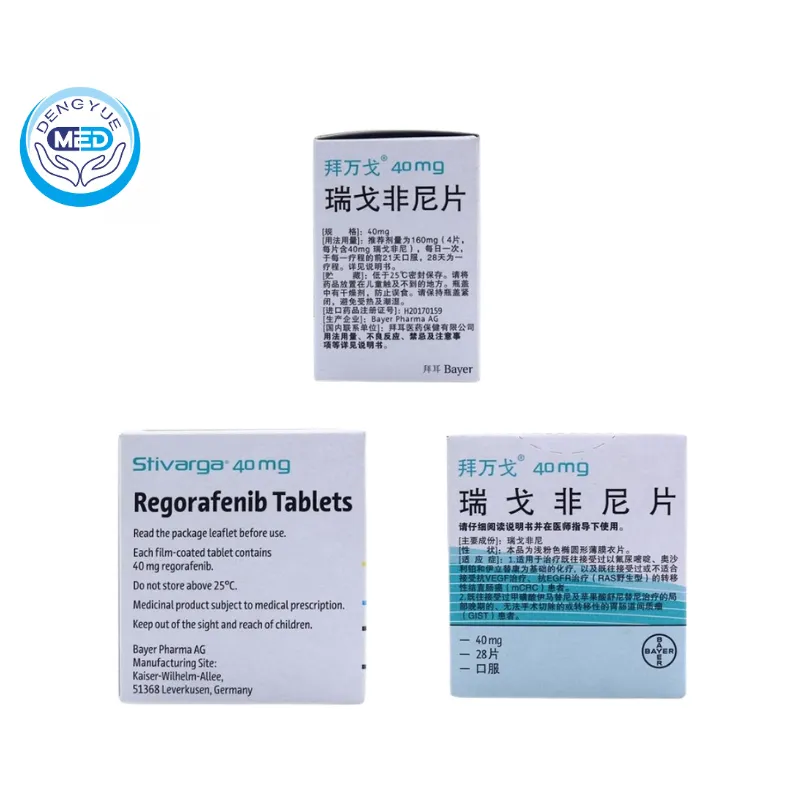
Stivarga is an oral multikinase inhibitor used to treat advanced liver, colorectal, and gastrointestinal stromal cancers. It works by blocking tumor growth and angiogenesis. This targeted therapy is often used when other treatments are no longer effective.
YERVOY (Ipilimumab)

YERVOY is an immune checkpoint inhibitor that targets CTLA-4 to boost the immune system’s ability to fight cancer. It is commonly used in melanoma and other advanced cancers. Combination therapy with other immunotherapies can enhance its effect.
Lenvima (Lenvatinib)

Lenvima is a targeted therapy that blocks multiple receptor tyrosine kinases involved in tumor growth. It is approved for liver, kidney, and thyroid cancers. Lenvima can be used alone or with other drugs for better outcomes.
Belzutifan

Belzutifan is a HIF-2α inhibitor designed to block cancer cell survival pathways in certain kidney cancers. It is used for von Hippel–Lindau disease-associated RCC and other tumors. This innovative therapy offers a new option for patients with limited choices.
Sorafenib Tosylate Tablets

Sorafenib is an oral targeted drug that inhibits tumor cell proliferation and angiogenesis. It is widely used for liver, kidney, and thyroid cancers. Sorafenib helps slow disease progression and improve patient survival.
How Treatable Is Kidney Cancer?
Kidney cancer treatment outcomes depend heavily on stage and histology. Localized kidney cancer (stage I–II) is highly treatable, with 5-year survival rates above 90% after partial or radical nephrectomy.
Minimally invasive options, like radiofrequency ablation or cryoablation, can treat tumors under 3–4 cm in patients who are not surgical candidates.
For metastatic disease, the treatment landscape has transformed with immune checkpoint inhibitors, VEGF-targeted TKIs, and HIF-2α inhibitors like belzutifan, which have extended median survival beyond 4 years in some studies (CheckMate 214, KEYNOTE-426).
Multi-agent combinations are now the standard of care for most patients with advanced disease.
🌈 Treatment has never been more effective — a personalized, evidence-based plan can give patients more years and a better quality of life.
What Is the Survival Rate for Kidney Cancer?
Survival statistics reflect the importance of the stage at diagnosis. According to SEER data, the 5-year relative survival rate is about 93% for localized disease, 75% for regional spread, and 18% for distant metastases.
The introduction of targeted therapy and immunotherapy has significantly improved outcomes for advanced kidney cancer over the last decade.
Long-term survivors are increasingly common, and some patients on immunotherapy achieve complete responses lasting years even after stopping treatment.
This underscores the importance of early detection, appropriate staging, and ongoing follow-up.
💪 Every stage offers hope — early diagnosis and cutting-edge therapy can change the course of the disease.
FAQ about 5 Key Warning Signs of Kidney Cancer You Must Know
Who Gets Kidney Cancer the Most?
Kidney cancer is more common in adults over 45, with men at slightly higher risk than women. Smoking, obesity, high blood pressure, and a family history of kidney cancer can all increase risk.
How Fast Does Kidney Cancer Happen?
Kidney cancer usually grows slowly, which is why it may not cause symptoms early on. However, some types can grow more aggressively and spread quickly if untreated. Early diagnosis greatly improves treatment success.
Can a Blood Test Detect Kidney Cancer?
No single blood test can confirm kidney cancer, but blood tests can show changes in kidney function or overall health that may suggest a problem.
Imaging tests, such as CT scans or ultrasounds, are necessary for diagnosis.
What Should You Not Drink with Kidney Cancer?
Avoid excessive alcohol, as it can stress your kidneys and affect treatment. Sugary drinks and high-sodium beverages may worsen kidney strain and should be limited. Stick to water or healthy, low-sugar options to support overall kidney function.