

NBP (Butylphthalide) – Stroke | HongKong DengYue Medicine
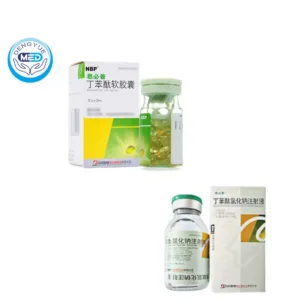
- Generic Name/Brand Name: Butylphthalide/NBP
- Indications: Acute Ischemic Stroke (AIS)
- Dosage Form: Soft Capsules (Oral)/Injection
- Specification: Soft Capsules: 0.1 g × 24 capsules/injection: 25 mg × 1 vial
NBP Application Scope
Butylphthalide (NBP) is indicated for the treatment of acute ischemic stroke (AIS) and for improving neurological function in the recovery phase after ischemic stroke.
NBP Characteristics
-
Ingredients: Butylphthalide
-
Properties:
-
Soft capsules: Yellow to deep-yellow oily liquid inside gelatin soft capsule.
-
Injection: Transparent solution containing butylphthalide (25 mg) plus sodium chloride 0.9 g per 100 mL bag (specification).
-
-
Packaging Specification:
-
Soft capsules: Commonly 0.1 g per capsule (pack sizes vary; typical blister packs/boxes; check local package).
-
Injection: 100 mL per bag containing 25 mg butylphthalide + 0.9 g sodium chloride.
-
-
Storage: Store sealed; keep in a cool, dry place away from light
-
Expiry Date: 24 months
-
Executive Standard: Product quality and testing follow the approved product standard filed with the National Medical Products Administration
-
Approval Number:
-
Butylphthalide Soft Capsules: NMPA Approval No. 国药准字H20050299.
-
Butylphthalide and Sodium Chloride Injection: NMPA Approval No. 国药准字H20100041.
-
-
Date of Revision: The most recent revision date appears on the printed package insert / electronic product information
-
Manufacturer: CSPC Enbipu Pharmaceutical Co., Ltd.
Guidelines for the Use of NBP
-
Dosage and Administration:
-
Recommended Dose:
-
Soft capsules: Oral, on an empty stomach or as per label/physician instructions.
-
Injection: Intravenous infusion as described above; use appropriate infusion materials.
-
-
Administration:
-
Butylphthalide Soft Capsules (oral): Recommended dose (common regimen): 0.2 g (two 0.1 g capsules) three times daily (i.e., 200 mg TID). A typical course is often reported as 20 days per treatment cycle or as directed by physician.
-
Butylphthalide and Sodium Chloride Injection (IV): Recommended dose (common regimen): 25 mg (in 100 mL) intravenously, twice daily; infusion duration not less than 50 minutes per dose; interval between doses ≥6 hours; typical course 14 days. Treatment is generally started within 48 hours of stroke onset when indicated. Use PE infusion set (avoid PVC due to adsorption).
-
-
Missed Dose: General guidance: take missed oral dose as soon as remembered; do not double the next dose to make up. For IV dosing in hospital, follow clinician instructions.
-
-
Adverse Reactions:
-
Common Adverse Reactions:
-
Gastrointestinal: Nausea, abdominal discomfort, diarrhea (uncommon).
-
Hepatic: Transient elevation of liver enzymes (ALT/AST), usually reversible on discontinuation.
-
Dermatologic: Rash, pruritus (uncommon).
-
Others reported in trials: Dizziness, headache, transient changes in heart rate, and infusion-related local reactions for injection.
-
-
Serious Adverse Reactions: Serious adverse events are uncommon. Large randomized trials found similar rates of serious adverse events between butylphthalide and control groups; symptomatic intracranial hemorrhage and mortality rates were comparable in major studies. However, clinicians must monitor for bleeding complications and other serious events during acute stroke care.
-
-
Contraindications:
-
Known hypersensitivity/allergy to butylphthalide or any excipient.
-
Other contraindications may be listed on the local product label—consult the package insert.
-
-
Precautions:
-
Liver function: Monitor liver enzymes during treatment; use with caution in patients with hepatic impairment.
-
Bleeding risk / Hemorrhagic stroke: Use caution when assessing for hemorrhagic risk; safety beyond studied windows is not established.
-
Cardiac conduction: Exercise caution in patients with severe bradycardia or sick sinus syndrome.
-
Renal impairment: Follow local label cautions—certain excipients may affect dosing in severe renal dysfunction.
-
Infusion materials: For the injection formulation, use PE infusion sets only (PVC tubing may adsorb the drug).
-
NBP Interactions
- Drug-drug interaction data are limited. No major, well-established pharmacokinetic interactions have been widely reported in label documents. In clinical practice, Butylphthalide has been used concomitantly with standard antiplatelet agents (aspirin, clopidogrel), thrombolysis, and statins in stroke care; monitor for combined safety effects (e.g., bleeding risk) as per clinical context.
Note:
- If there is a new packaging for the drug, the new packaging shall prevail. The above information is sourced from DengYue Medicine.
- This content is for reference only. Prescription drugs must be used under a doctor’s guidance and purchased from authorized sources.
Related products
-

Ocrevus (Ocrelizumab) – RMS/PPMS | HongKong DengYue Medicine
-
OLUMIANT (Baricitinib) – Rheumatoid Arthritis | HongKong DengYue Medicine
-
Cuprior (Trientrine Tetrahydrochloride) – Wilson’s Disease | HongKong DengYue Medicine
-
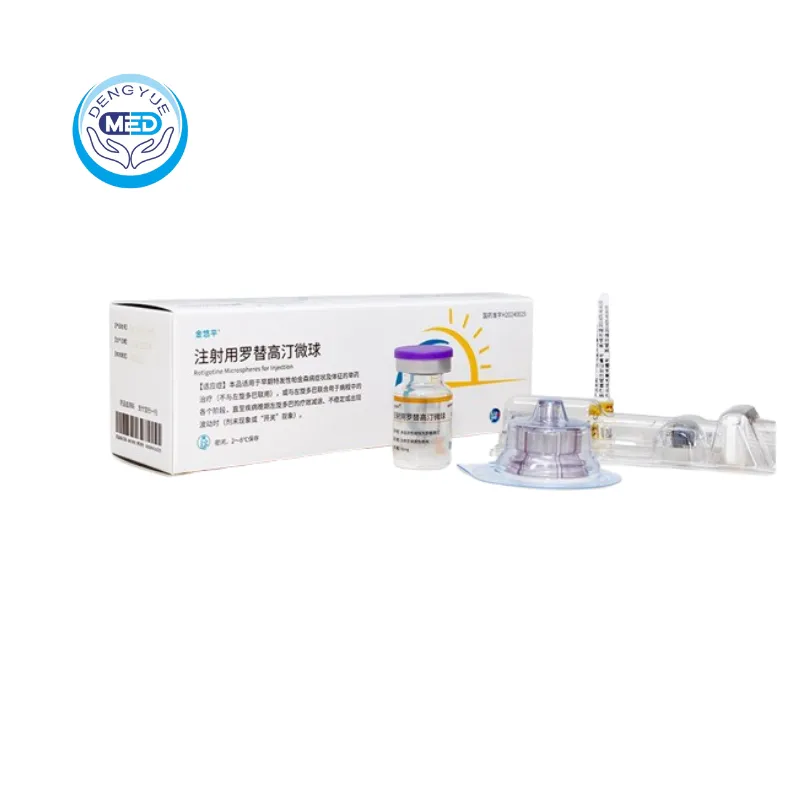
Jinyouping (Rotigotine) – PD | HongKong DengYue Medicine
-
Taituotuo (Tunodafil Hydrochloride) – Erectile Dysfunction | HongKong DengYue Medicine
-
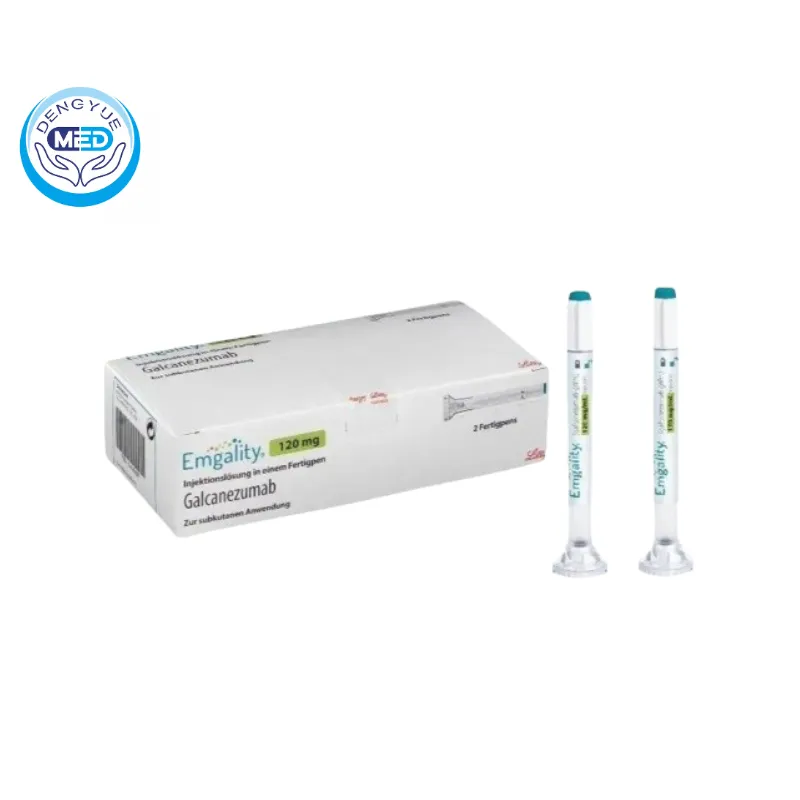
Emgality (Galcanezumab) – Anti-Migraine | HongKong DengYue Medicine
-
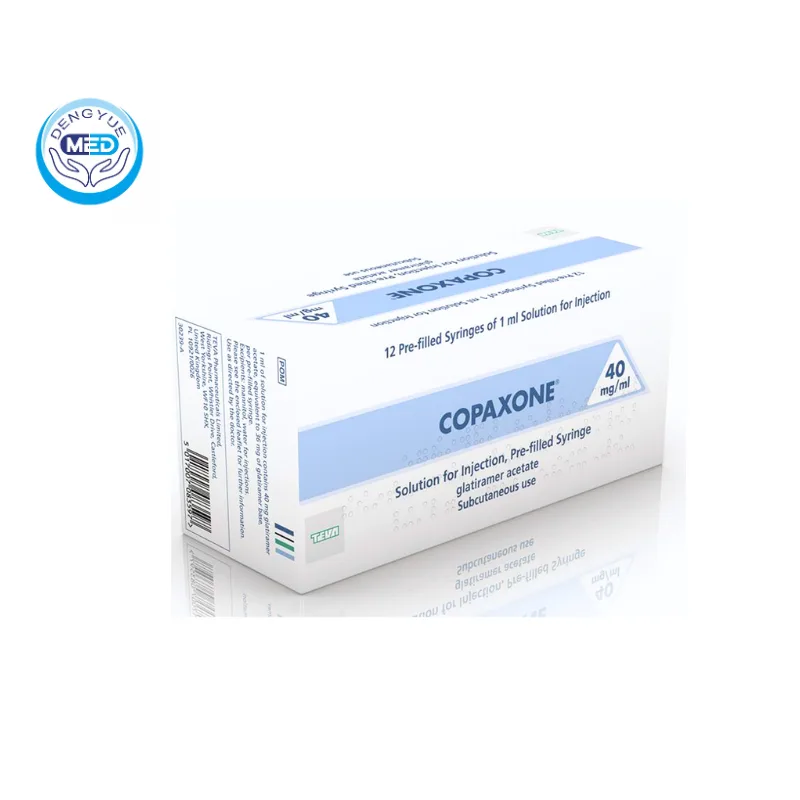
Copaxone (Glatiramer Acetate) – Multiple Sclerosis | DengYue
-
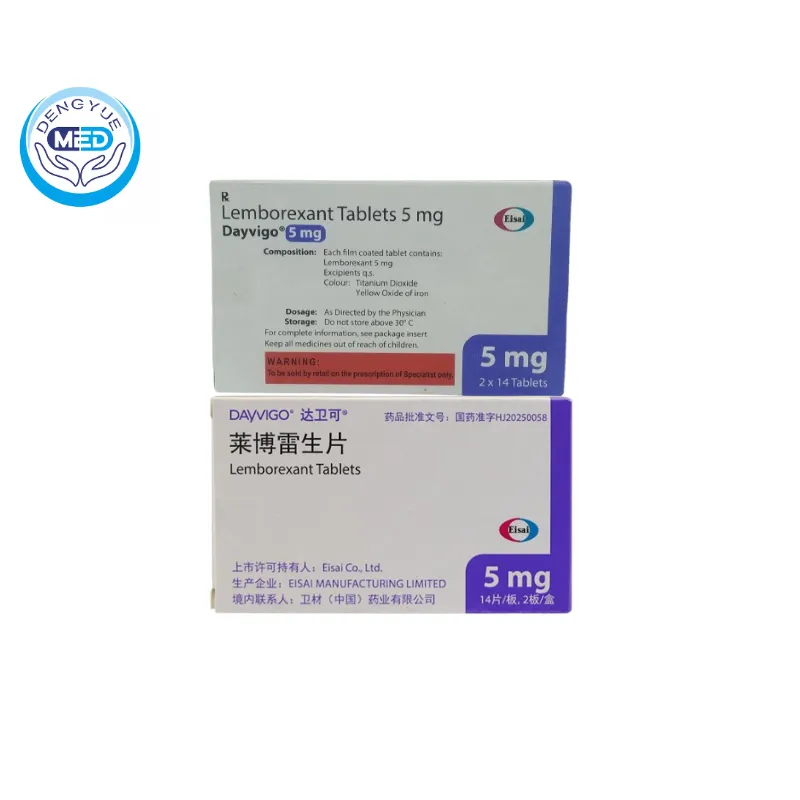
Dayvigo (Lemborexant Tablets) – NREM/REM | HongKong DengYue Medicine
Reviews
There are no reviews yet.