

What Are the Top 5 Autoimmune Diseases to Watch in 2026? Insights into Immunotherapy Trends and Innovation
Over the past decade, autoimmune diseases have remained one of the most stable and high-growth areas in global drug innovation. From TNF-α inhibitors to IL-17/IL-23 biologics and the rise of JAK inhibitors, the field has undergone multiple waves of therapeutic evolution.
As the industry enters 2025–2026, the landscape is shifting. Traditional high-competition indications are nearing saturation, while R&D is increasingly focused on refractory diseases and novel mechanisms.
At the same time, emerging modalities such as CAR-T, bispecific antibodies, and RNA-based therapies are expanding beyond oncology into the autoimmune space.
👉 Against this backdrop, a key question naturally arises: what are the top 5 autoimmune diseases to watch in 2026? Based on global pipeline activity, clinical progress, and mechanism innovation, DengYueMed highlights five priority indications: IBD, SLE, AD, vitiligo, and alopecia areata.
| Disease | Global Patient Population | Representative Approved Drugs | Key Characteristics |
|---|---|---|---|
| Inflammatory Bowel Disease (IBD) | 7–10 million | Vedolizumab (α4β7), Risankizumab (IL-23), Upadacitinib (JAK1) | Multi-pathway driven, large market, shift toward oral therapies |
| Systemic Lupus Erythematosus (SLE) | 4–5 million | Belimumab (BAFF), Anifrolumab (IFNAR) | Complex biology, cell therapy breakthroughs, immune reset potential |
| Atopic Dermatitis (AD) | 200–300 million | Dupilumab (IL-4Rα), Upadacitinib (JAK1), Tralokinumab (IL-13) | Platform for new targets, strong cross-indication expansion |
| Vitiligo | 30–40 million | Ruxolitinib (topical, JAK1/2) | JAK-driven, clear endpoints, efficient development pathway |
| Alopecia Areata | 50–80 million | Baricitinib (JAK1/2), Ritlecitinib (JAK3/TEC) | Strong unmet need, emerging mechanisms, high growth potential |
Inflammatory Bowel Disease (IBD): The Next Phase of Competition Driven by Multi-Pathway Mechanisms
When discussing what are the top 5 autoimmune diseases to watch in 2026, inflammatory bowel disease (IBD), including ulcerative colitis and Crohn’s disease, remains a cornerstone indication.
Although it is already a well-established market, IBD is evolving into a more complex and competitive space rather than reaching maturity. Its underlying biology is driven by multiple immune pathways, including the IL-23/Th17 axis, TNF-α inflammatory cascades, α4β7 integrin-mediated gut homing, and the JAK/STAT signaling pathway.
🎯 This multi-pathway nature makes IBD particularly suitable for combination therapies and multi-target approaches, positioning it as a central focus in the autoimmune disease pipeline.
Clinically, despite the availability of drugs such as vedolizumab, risankizumab, and upadacitinib, several unmet needs remain: 🔽
- Deep remission, especially mucosal healing, is still limited
- Long-term relapse and drug resistance persist
- Cost and administration of biologics affect patient adherence
From an industry perspective, IBD continues to attract strong investment. The acquisition of Morphic Therapeutic by Eli Lilly highlights growing interest in oral integrin therapies.
The direction is clear: future competition will focus not only on efficacy, but also on convenience, durability, and combination potential.

Systemic Lupus Erythematosus (SLE): Moving Toward Immune System Reset
Systemic lupus erythematosus (SLE) is one of the most complex autoimmune diseases and a key answer to what are the top 5 autoimmune diseases to watch in 2026.
The disease is characterized by systemic immune dysregulation, including hyperactive B cells, dysfunctional T cells, and persistent interferon signaling, leading to multi-organ damage.
Historically, treatment relied heavily on broad immunosuppression. However, this paradigm is shifting rapidly.
💊 The success of belimumab validated B-cell targeting as a viable strategy. Building on this, therapies targeting CD19 and CD20 are advancing toward more precise depletion of pathogenic B cells.
More recently, next-generation approaches are driving a major shift: 🔽
- T-cell engagers (TCEs) enabling targeted B-cell clearance
- CAR-T therapies offering the possibility of immune system reprogramming
In early studies, CAR-T has demonstrated sustained drug-free remission in some patients, suggesting a potential path toward functional cure.
Major players such as Novartis and Bristol Myers Squibb are actively investing in this area, reinforcing its long-term strategic importance.

Atopic Dermatitis (AD): A Key Platform for Novel Targets and Multi-Mechanism Therapies
Atopic dermatitis (AD) has become one of the most influential indications in modern autoimmune drug development and remains central when asking what are the top 5 autoimmune diseases to watch in 2026.
The success of dupilumab not only transformed the AD market but also confirmed the importance of the Th2 inflammatory pathway.
🎯 More importantly, AD is now serving as a testing ground for new mechanisms. Targets such as OX40/OX40L, IL-31, TSLP, and STAT6 are often first validated in AD before expanding into other indications.
Two major trends are shaping the field: 🔽
- Monotherapy approaches are reaching efficacy limits, driving interest in combination strategies
- Successful targets in AD can quickly expand into larger markets such as asthma and allergic diseases
Companies like Sanofi are also advancing bispecific antibodies and multi-mechanism therapies, positioning AD as a hub within immune-mediated diseases.

Vitiligo: An Emerging Immunotherapy Frontier Driven by the JAK Pathwa
Vitiligo has recently emerged as a high-potential indication and is increasingly included in discussions around what are the top 5 autoimmune diseases to watch in 2026.
🎯 Its pathogenesis is driven by IFN-γ-mediated CD8+ T-cell destruction of melanocytes, with the JAK-STAT pathway playing a central role.
The introduction of JAK inhibitors has fundamentally changed the treatment landscape, offering effective therapeutic options for the first time.
From a clinical standpoint, vitiligo offers several advantages: 🔽
- Clearly defined endpoints (e.g., VASI score, repigmentation rate)
- Visually measurable outcomes
- Faster evaluation of treatment response
From a pipeline perspective, the field is still relatively early: 🔽
- Limited number of advanced-stage therapies
- Lack of long-acting or systemic treatments
- Combination strategies are still underexplored
This suggests that JAK inhibitors are just the beginning, with significant room for future innovation.

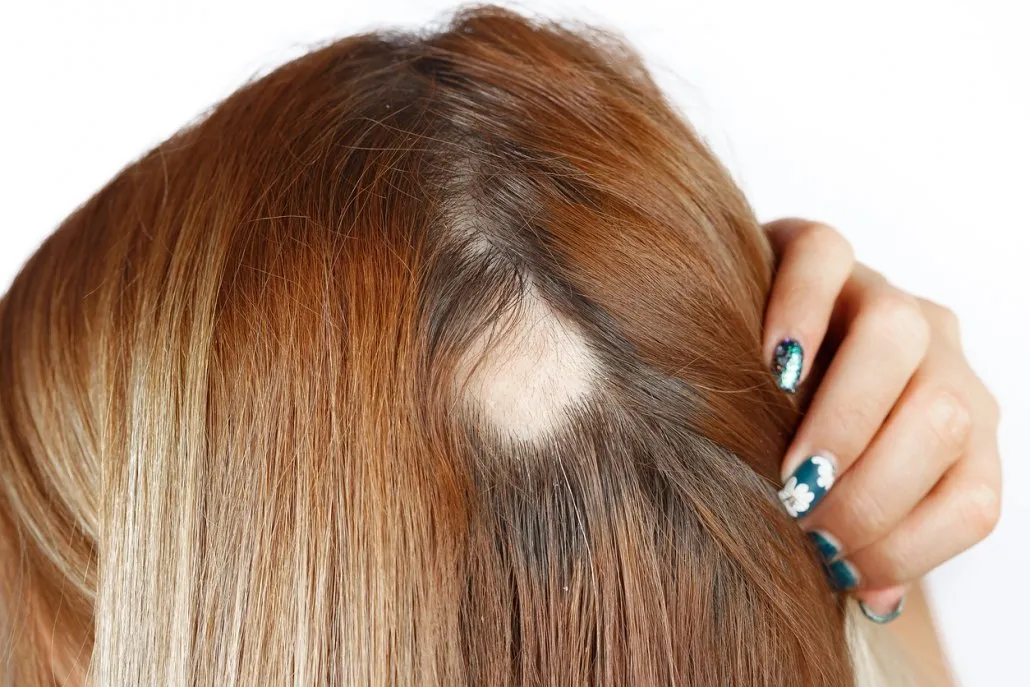
Alopecia Areata: A High-Demand, Fast-Growing Indication
Alopecia areata is one of the fastest-growing autoimmune indications and completes the picture of what are the top 5 autoimmune diseases to watch in 2026.
🎯 Its mechanism involves CD8+ NKG2D+ T-cell-mediated attack on hair follicles, sustained by IL-15-driven inflammatory loops, leading to loss of immune privilege.
This strong link to the JAK pathway has made JAK inhibitors a key breakthrough, with baricitinib marking a major milestone.
Beyond biology, market dynamics play an important role: 🔽
- Visible symptoms drive strong patient demand
- Treatment outcomes are easy to perceive
- High acceptance of innovative therapies among patients and physicians
From a development perspective, alopecia areata also benefits from: 🔽
- Mechanistic overlap with AD
- Reusability of multiple therapeutic targets
- Shorter development timelines
These factors make it an attractive, high-efficiency growth area within autoimmune therapeutics.
Conclusion: From Targets to Mechanisms and Treatment Strategies
Overall, autoimmune diseases are undergoing a fundamental shift. The focus of competition is no longer limited to individual targets, but is increasingly centered on deeper mechanistic understanding and integrated therapeutic strategies.
This is why the question what are the top 5 autoimmune diseases to watch in 2026 continues to gain importance across the industry.
Future opportunities are likely to concentrate in three key areas:
- Mechanistically complex diseases with high breakthrough potential (e.g., SLE, IBD)
- Indications that serve as innovation platforms (e.g., AD)
- Emerging, high-demand diseases (e.g., vitiligo, alopecia areata)
In this evolving landscape, DengYueMed, as a global pharmaceutical distribution and partnership network, is playing an increasingly important role in connecting innovative therapies with global markets.



It’s fascinating to see how autoimmune diseases like IBD and SLE are being tackled with novel therapies like CAR-T and RNA-based treatments. As we move into 2026, it will be interesting to see how these approaches change patient outcomes in hard-to-treat conditions.