
The China Pharmaceutical Market: A Deep Dive into Trends, Challenges, and Opportunities
The China pharmaceutical market is no longer just a story of volume and generics. It is a compelling narrative of rapid, strategic transformation.
🌍Having solidified its position as the world’s second-largest pharmaceutical market, its ambition has decisively shifted from being a generic drug supplier to becoming a global innovation powerhouse.
This evolution is reshaping the global healthcare landscape.
For investors, multinational corporations, and industry stakeholders, understanding the intricacies of the China pharmaceutical market is no longer optional—it is essential.
This blog post provides a comprehensive analysis of the forces driving this change, the challenges that remain, and the immense opportunities that lie ahead.
Understanding the Scale: A Market of Staggering Proportions
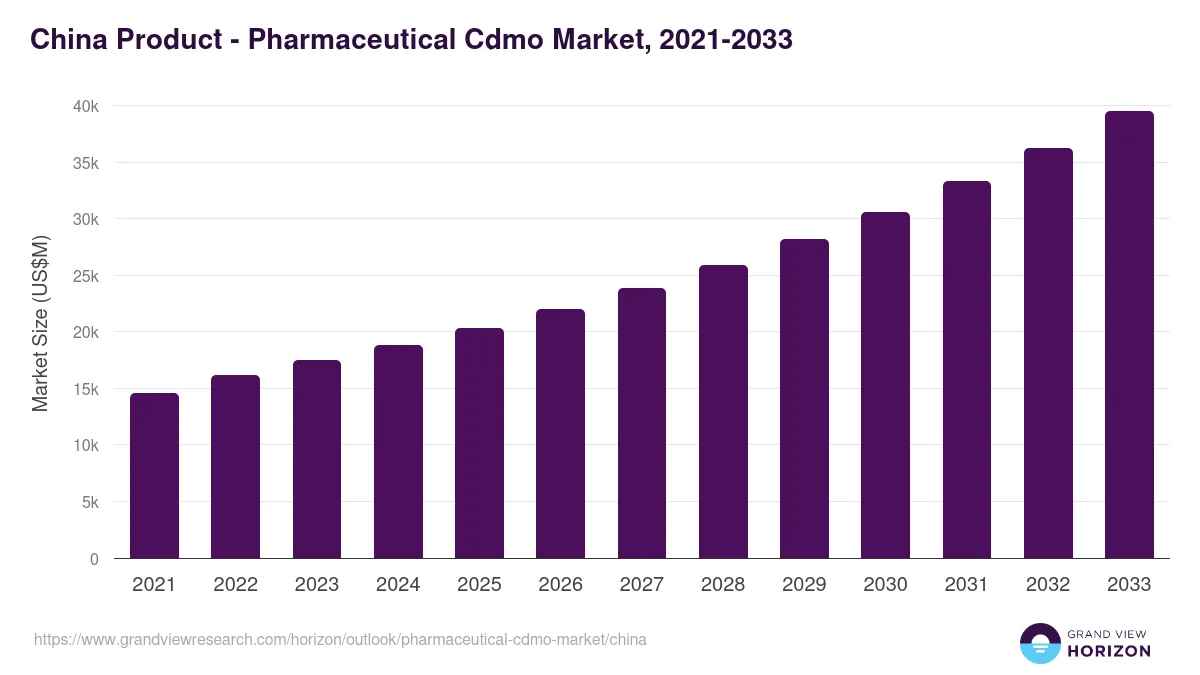
The sheer size and growth trajectory of the China pharmaceutical market are unparalleled. To grasp its scale, consider these key metrics:
👉The market was valued at over USD 252 billion in 2024.
👉 It is projected to reach a staggering USD 540 billion by 2032, growing at a compelling CAGR of 10.16%.
👉The innovative drug segment alone is expected to be a cornerstone of this expansion, projected to be worth hundreds of billions.
This remarkable growth is fueled by a powerful trifecta of drivers:
- Demographic Shifts: An aging population and a rising burden of chronic diseases like cancer and diabetes are creating sustained, long-term demand for pharmaceutical products.
- Government Investment: National initiatives like “Healthy China 2030” explicitly prioritize healthcare and pharmaceutical innovation, creating a supportive policy environment.
- Enhanced Reimbursement: Dynamic updates to the National Reimbursement Drug List (NRDL) significantly improve patient access to and affordability of novel therapies, accelerating market uptake for new drugs.
Key Trends Reshaping the China Pharmaceutical Market
The evolution of the China pharmaceutical market is characterized by several dominant and interconnected trends.
The Strategic Leap from Generics to Innovation
The most significant trend is the industry-wide pivot towards innovative R&D.
Government policies, especially the widespread implementation of Volume-Based Procurement (VBP), have drastically compressed profits for mature generic drugs.
This has forcefully incentivized companies to innovate.
The result is a booming and competitive pipeline of novel biologics, antibody-drug conjugates (ADCs), and cell and gene therapies (CGT).
The China pharmaceutical market is now a hotbed for cutting-edge research, with domestic companies increasingly competing at the global level.
The Digital Health Revolution
Digitalization is permeating every layer of the China pharmaceutical market.
Artificial Intelligence (AI) is being leveraged to accelerate drug discovery and clinical trial design, potentially reducing costs and development times.
Concurrently, the rise of online pharmacies and telemedicine platforms, bolstered by supportive regulations, is creating new, efficient distribution channels and patient engagement models.
This fusion of technology and pharmaceuticals is becoming a key competitive advantage for agile players in the China pharmaceutical market.
The Oncology Dominance and Specialty Focus
The oncology segment is the fastest-growing therapeutic area within the China pharmaceutical market.
Driven by high incidence rates and significant R&D investment from both domestic biotech firms and multinational corporations, it represents a highly dynamic and competitive landscape.
Beyond oncology, other specialty areas like immunology, metabolic diseases (e.g., diabetes and obesity), and rare diseases are also gaining substantial traction.
The Regulatory Environment: A Powerful Double-Edged Sword
Government policy remains the most influential force in shaping the China pharmaceutical market. Its impact is profoundly twofold:
The Accelerator: Regulatory reforms over the past decade have dramatically streamlined clinical trial and drug approval processes.
The NRDL negotiations, while featuring tough price discussions, provide successful drugs with rapid access to a massive patient pool, enabling swift commercial success for truly innovative products.
The Disruptor: The VBP program aggressively negotiates drug prices for public hospitals, creating extreme price pressure for off-patent drugs.
This policy is the primary catalyst for the industry’s structural shift away from generics and towards a more sustainable, innovation-driven model.
Competitive Landscape: A Three-Headed Race
The China pharmaceutical market features a fascinating and evolving competitive ecosystem:
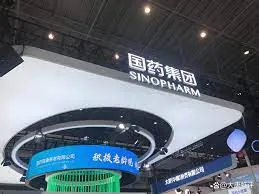
Domestic Distributors: Giants like Sinopharm and Shanghai Pharma control extensive, entrenched distribution networks that are critical for market access.
Innovative Domestic Players: Companies like Jiangsu Hengrui, BeiGene, and countless emerging biotechs are leading the charge in R&D.
They are demonstrating a growing capability for original drug discovery, with an increasing number of products being approved internationally through strategic out-licensing deals.
Multinational Corporations (MNCs): MNCs continue to view the China pharmaceutical market as critical for global growth.
However, they are adapting their strategies, moving beyond simply importing drugs to forging deeper local partnerships, establishing local R&D centers, and more carefully aligning their portfolios with China’s specific unmet medical needs.
Future Outlook: Navigating Challenges and Seizing Opportunities
The path forward for the China pharmaceutical market is paved with both significant hurdles and immense potential.
Challenges:
- Internal Competition (“Involution”): R&D pipelines are becoming crowded in hot areas like PD-1 inhibitors and GLP-1 drugs, leading to intense competition.
- Sustained Pricing Pressure: The push for cost containment from the healthcare system is relentless, demanding greater efficiency from all players.
- Global Ambitions: While “going global” is a key strategy, navigating international regulations, clinical development, and commercial competition remains a complex challenge for many Chinese firms.
Opportunities:
- Massive Unmet Clinical Needs: Significant patient needs remain in many disease areas, offering a vast potential patient pool for innovative therapies.
- Global Licensing and Collaboration: The China pharmaceutical market is increasingly a source of innovation, with a record number of out-licensing deals to global partners. This trend is set to continue and expand.
- Technological Leapfrogging: Leadership in areas like AI-driven drug discovery offers a chance to redefine and accelerate R&D processes, creating a distinct competitive edge on the global stage.
Conclusion: An Unstoppable Force in Global Pharma
In conclusion, the China pharmaceutical market has decisively matured into a sophisticated, innovation-driven arena.
Its remarkable journey from imitation to innovation is actively reshaping the global pharmaceutical order.
Understanding the complex interplay of government policy, technological adoption, and shifting competitive dynamics is crucial for anyone operating in the global health sector.
The future of the China pharmaceutical market is not just about its formidable domestic growth; it is increasingly about its influence on the future of medicine worldwide, solidifying its role as an unstoppable force in global pharma.
About DengYue Medicine

In this era of unprecedented opportunity and challenge within the China pharmaceutical market, success is inextricably linked to having a forward-thinking and reliable partner.
As an industry pioneer, DengYue Medicine is proactively embracing this profound transformation.
We are more than just a pharmaceutical distributor; we are a connector of innovation and a creator of value.
By building an intelligent supply chain network, expanding into innovative digital healthcare services, and actively forming strategic alliances with domestic innovative pharma companies, DengYueMed is committed to transcending the boundaries of traditional distribution to provide our partners with future-ready, comprehensive solutions.
To partner with HK DengYue is to walk in step with the future of the market.
FAQ about China Pharmaceutical Market
Which country is best for pharma?
Top 3 Medicine-Producing Countries in the world
1. United States.
2. China.
3. Germany.
What do you mean by pharmaceutical market?
The pharmaceutical market is defined as a heavily regulated sector that encompasses the demand and supply of drugs.
Balancing clinical and economic interests while facing challenges such as high drug prices and access to medicines for disadvantaged populations.
What are the 4 Ps of pharmacy?
Product, Price, Place, and Promotion
What is a blockbuster drug?
A blockbuster drug is an extremely popular drug that generates annual sales of at least $1 billion for the company that sells it.