

Early Warning Signs of Ovarian Cancer: Don’t Ignore Your Body’s Silent Cries
Early warning signs of ovarian cancer are subtle and easily overlooked or misdiagnosed.
Approximately 70% of ovarian cancer patients are diagnosed at advanced stages, making treatment significantly more challenging.
However, ovarian cancer isn’t completely silent—it does send subtle warning signals. Recognizing these signs and taking timely action is crucial for improving cure rates.
The five-year survival rate for early-stage ovarian cancer (Stage I) exceeds 90%, while it drops significantly for advanced stages.
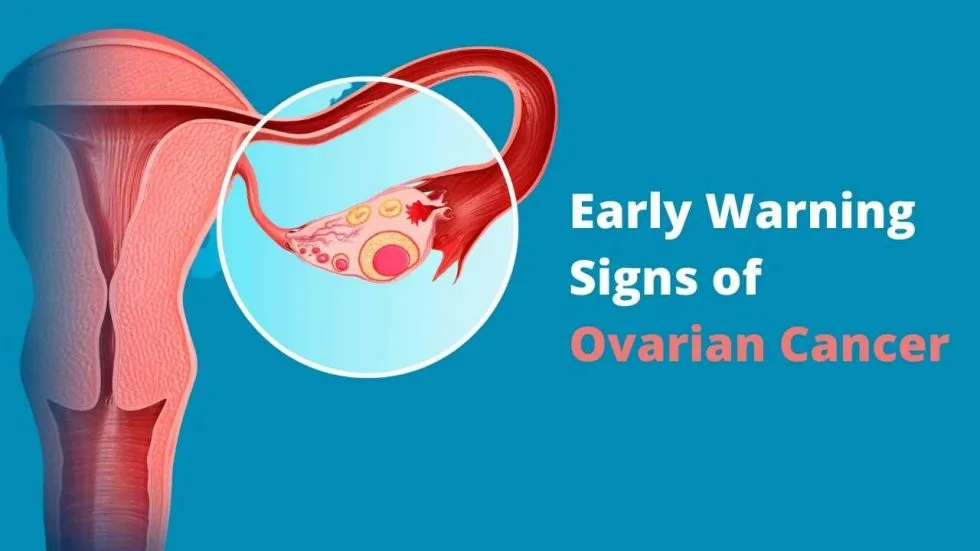
The Stealth Nature of Ovarian Cancer and Importance of Early Detection
Ovarian cancer ranks among the deadliest malignancies of the female reproductive system.
Its lethality primarily stems from difficulties in early detection, related to its anatomical location and symptomatic characteristics.
Ovaries are deep within the pelvis, making early lesions difficult to detect through routine gynecological exams.
Combined with the lack of specific symptoms in early stages, many patients are diagnosed only after the cancer has spread.
According to 2025 data from the American Cancer Society, approximately 20,890 women in the U.S. are newly diagnosed with ovarian cancer annually, with about 12,730 expected to die from the disease.
Globally, ovarian cancer is the fourteenth most common cause of cancer death among women, with over 206,800 estimated deaths from the disease in 2022.
Facing such a severe situation, enhancing awareness of ovarian cancer’s early symptoms is particularly important.
Recognizing Early Warning Signs of Ovarian Cancer
Early symptoms of ovarian cancer may be mild and non-specific but should raise concern if they persist. Here are common signals to watch for:
Bloating
Bloating is one of the most common symptoms.This isn’t occasional indigestion but persistent and worsening bloating, often with visible abdominal distension. Tumor growth or abdominal fluid (ascites) puts pressure on the intestines, causing fullness even after small meals.
Pelvic or Abdominal Pain
Pelvic or abdominal pain is another significant signal. This pain may feel like a constant dull ache or pressure, sometimes mistaken for menstrual discomfort or digestive issues.
Difficulty Eating or Feeling Full Quickly
Difficulty eating or feeling full quickly is also common. Many patients feel unusually full after eating only small amounts, potentially leading to reduced appetite and weight loss.
Urinary Frequency or Urgency
Urinary frequency or urgency likewise warrants attention.When enlarging tumors press on the bladder or ureters, women may experience changes in urinary habits, usually without typical UTI symptoms like pain.
Other
Additionally, unusual fatigue, unexplained weight loss, and changes in bowel habits (constipation or diarrhea) can also signal ovarian cancer.
Clinically, bloating, urinary frequency, and loss of appetite often occur together, termed the “triad of symptoms” for ovarian cancer.
While these seem ordinary, if they persist for over 2 weeks without clear cause, they should be taken seriously.
Why Are Ovarian Cancer’s Early Signs Often Missed?
Several reasons explain why early warning signs of ovarian cancer are easily overlooked:
Lack of Symptom Specificity
Lack of symptom specificity is a major factor. Bloating is often mistaken for gastrointestinal issues, urinary frequency for UTIs, while appetite loss and weight loss are attributed to general unwellness or stress.
Many patients self-medicate with digestive aids or adjust their diet, masking the true problem.
The Gradual Nature of Symptoms
The gradual nature of symptoms complicates detection. Early ovarian cancer symptoms often fluctuate, progressively worsening.
For instance, minimal ascites might temporarily improve when lying down; small tumors might cause variable bladder pressure, leading patients to believe the issue has resolved.
Cognitive Biases
Cognitive biases also play a role. Younger women may attribute bloating to menstrual cycles; middle-aged and older women might mistake abdominal swelling for “middle-age spread.”
Even doctors might initially consider more common conditions based on age, potentially missing ovarian cancer.
Risk Factors and High-Risk Groups for Ovarian Cancer
Understanding risk factors helps identify high-risk individuals who should be particularly vigilant about symptoms. Elevated risk applies to:
- Women with a family history. Risk increases if a mother, sister, or daughter had ovarian or breast cancer.
- BRCA1/2 gene mutation carriers need special vigilance. Their lifetime risk reaches 40%-60%. Over 25% of ovarian cancer patients carry BRCA1 or BRCA2 mutations.
- Reproductive factors influence risk. Nulliparity or late first childbirth increases risk, while full-term pregnancy and breastfeeding are protective.
- Age is another key factor. Risk is higher in women over 50, though recent trends show a rise in younger patients.
Other risk factors include long-term hormone replacement therapy, obesity, high-fat diet, early menarche, or late menopause.
Advances in Early Detection of Ovarian Cancer
Medical advances are continuously improving early detection methods.
Currently, transvaginal ultrasound and CA-125 blood tests are common screening tools.
Recently, researchers identified a new ultrasound feature—the “popcorn” sign.
This might be the first early ultrasound indication of serous ovarian parenchymal cancer in BRCA mutation carriers, aiding early diagnosis in high-risk groups.
Emerging detection technologies are also evolving.
Exosome biosensors, a cutting-edge technology, detect exosomes in blood, urine, and other fluids, offering new possibilities for early diagnosis.
These biosensors boast high sensitivity and are non-invasive, some capable of detecting concentrations as low as a few dozen particles per microliter.
Machine learning also contributes to early detection.
A 2025 study developed an interpretable machine learning model for early clinical detection of ovarian cancer, achieving 95% accuracy, 96.2% sensitivity, and 93.5% specificity.
Furthermore, blood tests combining protein and lipid markers with machine learning have shown over 90% accuracy in symptomatic women.
Researchers are also investigating whether urine or self-collected vaginal samples can detect molecular changes associated with ovarian cancer.
When to Seek Medical Help and How to Prevent Ovarian Cancer?
Seeking prompt medical attention when warning signs appear is crucial. Consult a doctor if you experience:
Bloating, urinary frequency, appetite loss, etc., persisting over 2 weeks without clear cause; noticeable increase in abdominal girth, clothes feeling tighter; unexplained weight loss exceeding 5% in six months; persistent pelvic pain or pain during intercourse, especially worsening at night.
For prevention, consider these measures:
Lifestyle modifications: Balanced diet, weight management, regular exercise (30 minutes daily aerobic exercise may reduce risk by 30%);
Cautious use of hormonal medications: Postmenopausal women should avoid unguided estrogen supplements;
Consider oral contraceptives: Long-term use under medical guidance can reduce ovarian cancer risk by 30%-50%;
Regular check-ups: Annual gynecological ultrasound for women over 30; add CA-125, HE4 tumor marker tests for women over 40.
High-risk individuals (family history, BRCA mutations) should start regular screenings earlier and consider preventive measures under medical advice.
Ovarian Cancer Treatment and Future Outlook
Upon diagnosis, treatment typically combines surgery and chemotherapy, alongside targeted or immunotherapy.
Surgery is the first step, aiming to remove as much cancerous tissue as possible. Chemotherapy targets remaining cancer cells.
Recent years have seen significant advances in targeted therapy. PARP inhibitors (e.g., Olaparib) for BRCA mutation patients can reduce recurrence risk by 60%. Anti-angiogenic drugs (e.g., Bevacizumab) inhibit tumor blood supply, prolonging progression-free survival.

Lynparza (Olaparib) – Ovarian Cancer | HongKong DengYue Medicine
- Generic Name/Brand Name: Olaparib / Lynparza®
- Indications: BRCA-mutated ovarian, breast, pancreatic, and prostate cancers
- Dosage Form: Film-coated tablets
- Specification: 150 mg × 60 tablets per box
At Hong Kong DengYue Medicine, we emphasize that with advances in early detection and innovative treatments, the prognosis for ovarian cancer is gradually improving.
Listening to your body, paying attention to its every “whisper,” is our most powerful weapon against this “silent killer.”
Early detection not only significantly improves treatment outcomes but also grants countless women precious time.
FAQ about The Early Warning Signs of Ovarian Cancer
What are red flags for ovarian cancer?
Bloating, diarrhea, and abdominal pain are three of the most common symptoms of ovarian cancer.
What happens if ovarian cancer goes untreated?
If left untreated, the tumor can spread to other parts of the body.
Where do you hurt when you have ovarian cancer?
Pain or tenderness in your tummy or the area between the hips (pelvis), no appetite, or feeling full quickly after eating.
What are the bowel changes with ovarian cancer?
You may have diarrhoea, constipation or stomach cramps.