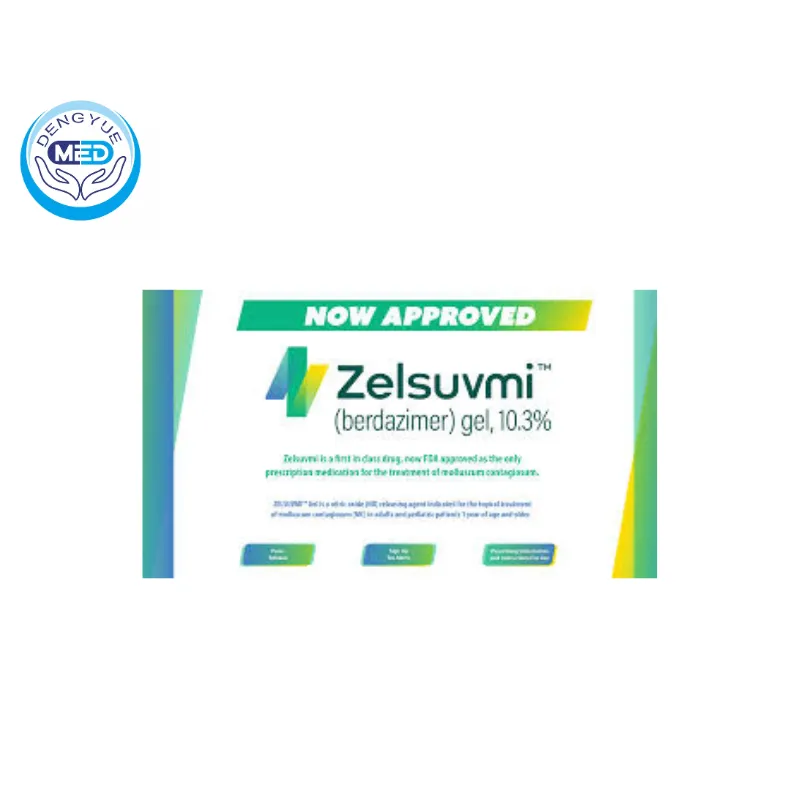
Zelsuvmi (Berdazimer) | Molluscum Contagiosum | HongKong DengYue Med
- Generic Name/Brand Name: Berdazimer / Zelsuvmi
- Indications: Molluscum contagiosum in adults and pediatric patients aged 1 year and older
- Dosage Form: Topical gel
- Specification: 10.3% berdazimer sodium
Zelsuvmi (Berdazimer) Application Scope
Topical treatment of molluscum contagiosum in adults and pediatric patients aged 1 year and older
Berdazimer Characteristics
-
Ingredients:
Zelsuvmi is supplied as two separate gel components that are mixed immediately before application
-
Tube A (14 g): Contains 240 mg of berdazimer sodium per gram of gel. Inactive ingredients include:
-
Cyclomethicone
-
Hexylene glycol
-
Hydroxypropyl cellulose
-
Isopropyl alcohol
-
-
Tube B (17 g): Contains the following inactive ingredients:
-
Benzoic acid
-
Carboxymethylcellulose sodium
-
Cyclomethicone
-
Ethanol (13% v/v)
-
Glycerin
-
Potassium phosphate monobasic
-
Purified water
-
-
-
Properties: Berdazimer sodium is a topical nitric oxide (NO)–releasing agent used to treat molluscum contagiosum. It comprises a polysiloxane backbone with covalently bound N-diazeniumdiolate NO donors.
-
Packaging Specification: Supplied as two tubes: Tube A contains 14 g of berdazimer gel, and Tube B contains 17 g of hydrogel
-
Storage:
-
Before dispensing: Store in a refrigerator between 2°C to 8°C (36°F to 46°F). Do not freeze.
-
After dispensing: store at room temperature between 20°C to 25°C (68°F to 77°F) in a dry location.
-
Discard 60 days after removing from the refrigerator
-
-
Expiry Date: Refer to the product packaging for the expiration date.
-
Executive Standard: Unknown
-
Approval Number: Approved by the U.S. FDA in January 2024
-
Date of Revision: Unknown
-
Manufacturer: Ligand Pharmaceuticals
Guidelines for the Use of Berdazimer
-
Dosage and Administration:
-
Preparation: Dispense equal amounts (0.5 mL each) from Tube A and Tube B onto the provided dosing guide. Mix thoroughly.
-
Application: Apply the mixed gel immediately as a thin, even layer to each molluscum contagiosum lesion. Allow the gel to dry for 10 minutes after application.
-
Frequency: Once daily to each lesion for up to 12 weeks.
-
-
Adverse Reactions:
Common adverse reactions (≥1%) include:
-
Application site pain (burning or stinging sensations): 18.7%
-
Erythema (redness): 11.7%
-
Pruritus (itching): 5.7%
-
Exfoliation (peeling): 5.0%
-
Dermatitis: 4.9%
-
Swelling: 3.5%
-
Erosion: 1.6%
-
Discoloration: 1.5%
-
Vesicles (blisters): 1.5%
-
Irritation: 1.2%
-
Infection: 1.1%
Serious allergic reactions, including allergic contact dermatitis, have been reported. If symptoms such as pain, pruritus, swelling, or erythema at the application site persist longer than 24 hours, discontinue use and consult a healthcare provider.
-
-
Contraindications: Unknown
-
Precautions:
-
Pregnancy: There are no available data on berdazimer use in pregnant women to evaluate for a drug-associated risk. Animal studies have shown adverse effects at high systemic exposures.
-
Lactation: It is unknown whether berdazimer or its metabolites are present in human milk. Caution should be exercised when administered to nursing mothers.
-
Pediatric Use: Safety and effectiveness have been established in pediatric patients aged 1 year and older.
-
Geriatric Use: Clinical studies did not include sufficient numbers of subjects aged 65 and over to determine whether they respond differently from younger subjects.
-
Berdazimer Interactions
- Drug Interactions: Berdazimer topical gel has minimal systemic absorption, and no significant drug interactions have been reported.
Note:
- If there is a new packaging for the drug, the new packaging shall prevail. The above information is sourced from DengYue Medicine.
- It is only for internal discussion among medical staff and does not serve as a basis for medication. For specific medication guidelines, please consult the attending physician.
Related products
-

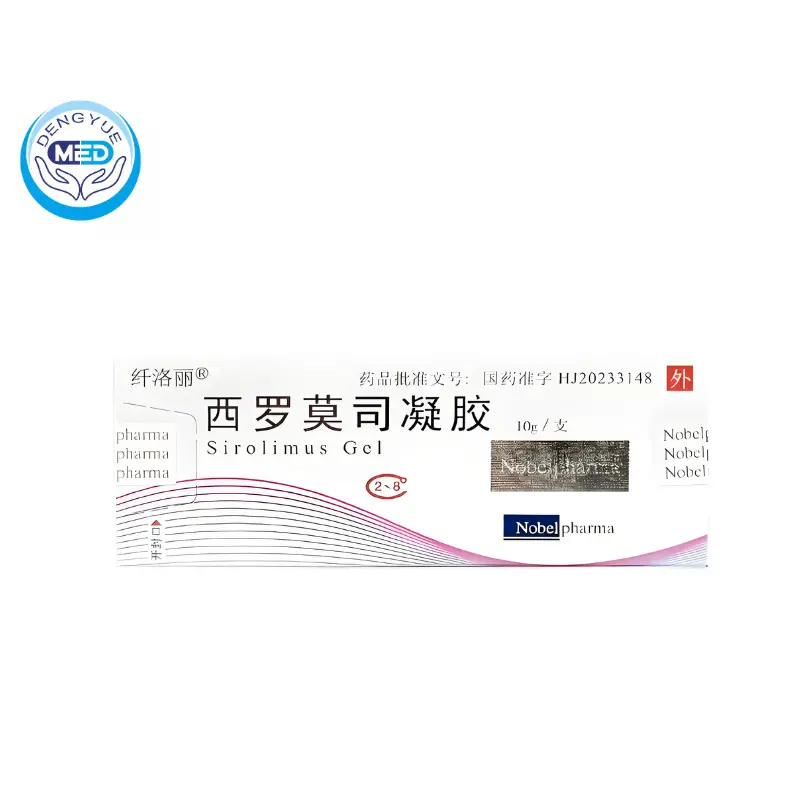
Sirolimus Gel | Facial Angiofibroma
-
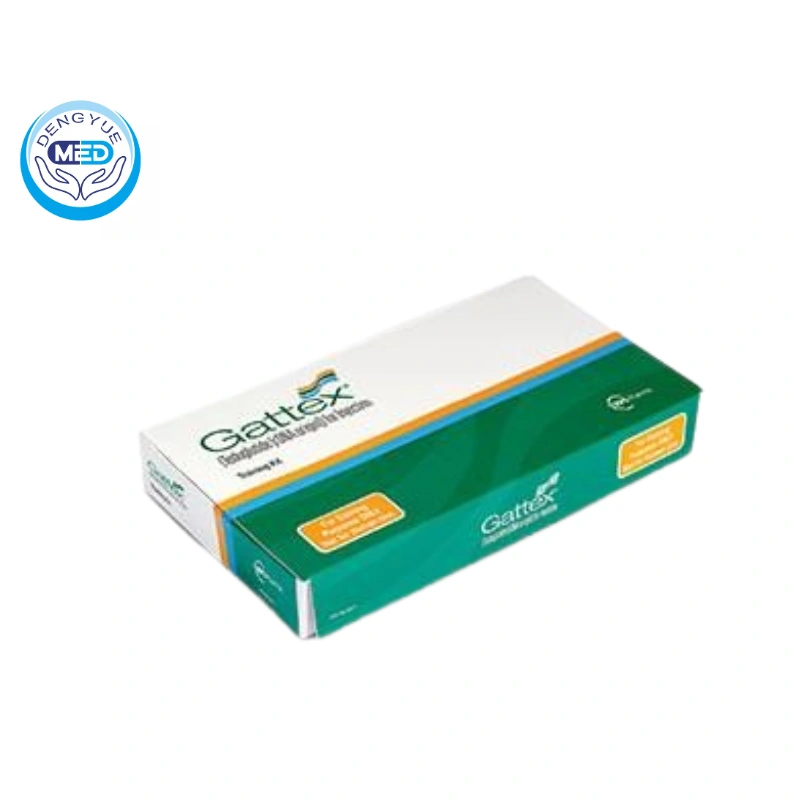
Gattex Teduglutide | Short Bowel Syndrome | DengYueMedicine
-
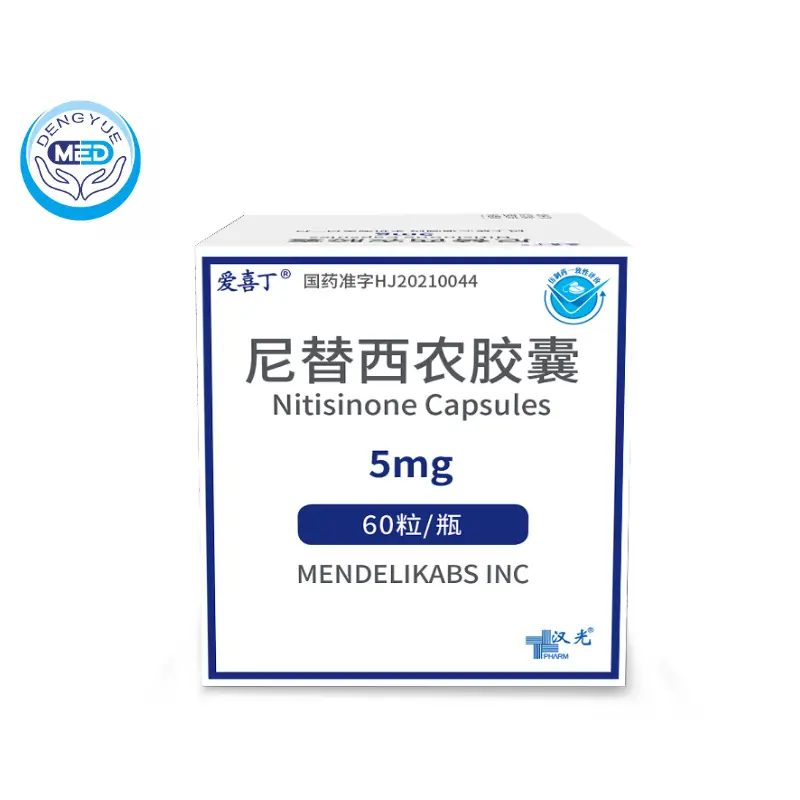
Nitisinone Capsules | Hereditary Tyrosinemia Type 1
-
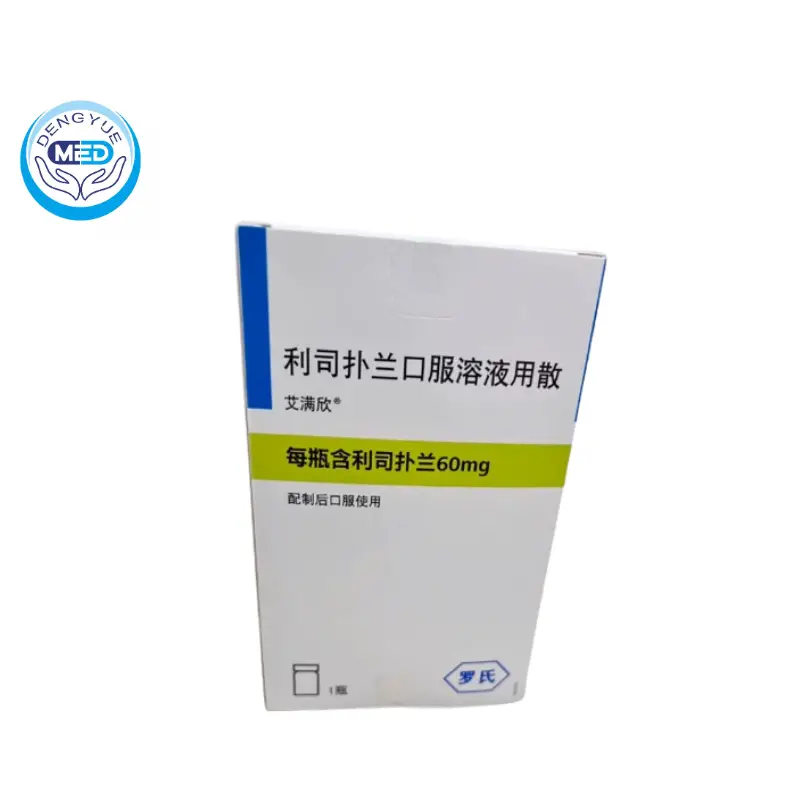
Risdiplam Oral Solution For Spinal Muscular Atrophy
-
Vimizim Elosulfase Alpha | Mucopolysaccharidosis Type IV
-
Myozyme(Alglucosidase Alfa )- Pompe Disease
-
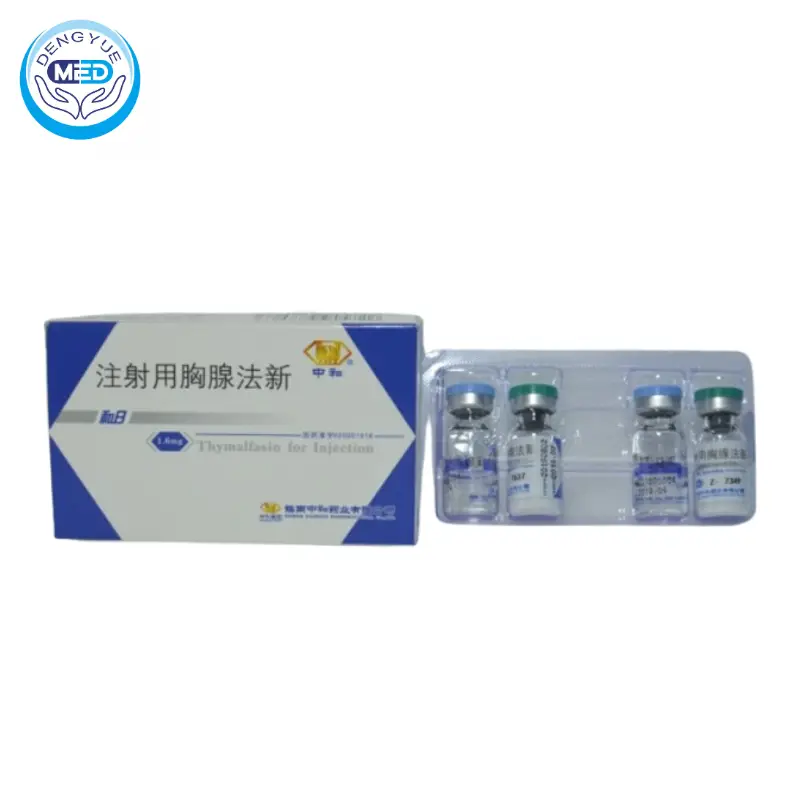
Thymalfasin for Injection – Adjuvant for Influenza Vaccine
-

Nusinersen Injection – Spinal Muscular Atrophy
.webp "Vimizim Elosulfase Alpha | Mucopolysaccharidosis Type IV")
.webp "Myozyme(Alglucosidase Alfa )- Pompe Disease")

Reviews
There are no reviews yet.