
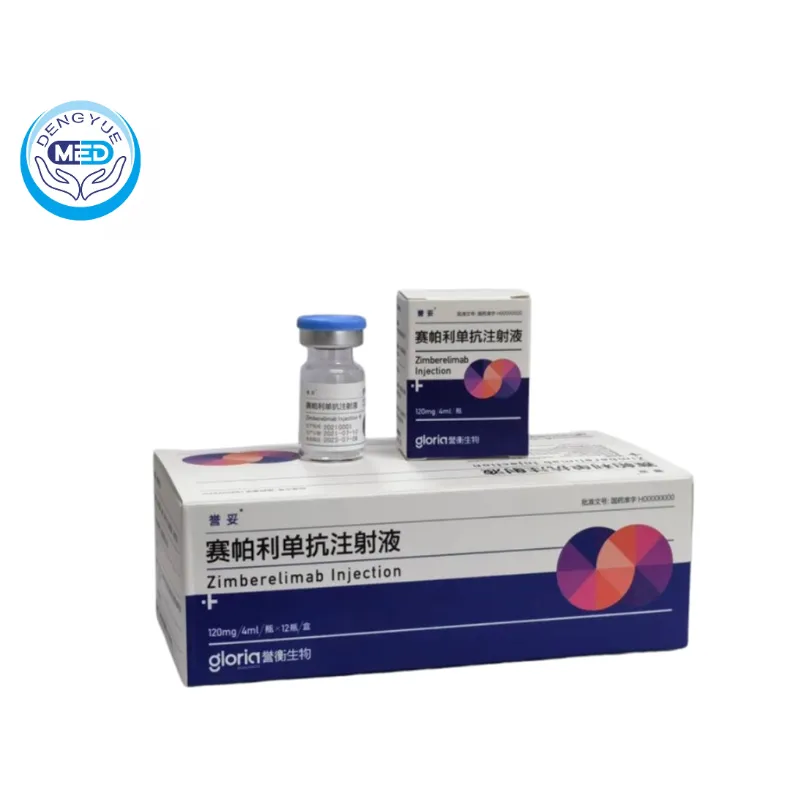
YuTuo (Zimberelimab Injection) – cHL | HongKong DengYue Medicine
- Generic Name/Brand Name: Zimberelimab/YuTuo
- Indications: Relapsed or refractory classical Hodgkin lymphoma (r/r cHL),Recurrent or metastatic cervical cancer (PD-L1 positive, CPS≥1)
- Dosage Form: Injection
- Specification: 120 mg/4 mL × 12 vial/bottle
Zimberelimab Injection Application Scope
Relapsed or refractory classical Hodgkin lymphoma (r/r cHL): Adult patients who have failed at least two lines of systemic chemotherapy. This approval was granted based on the objective response rate (ORR) and duration of response (DOR) from a single-arm trial.
Recurrent or metastatic cervical cancer: Patients with recurrent or metastatic cervical cancer whose disease has progressed after at least one line of platinum-based chemotherapy and whose tumors express PD-L1 (Combined Positive Score [CPS] ≥1).

yutuo zimberelimab injection
Zimberelimab Injection Characteristics
Ingredients: Zimberelimab
Properties: Clear to slightly opalescent, colorless to slightly yellow liquid for injection
Packaging Specification: 120 mg/4 mL × 12 vial/bottle
Storage: Store at 2-8°C. Do not freeze. Keep the vial in the original outer carton to protect from light
Expiry Date: Please refer to the expiration date printed on the vial and packaging
Executive Standard: National Drug Standards of China.
Approval Number: National Drug Approval Number S20210034
Date of Revision: The latest revision date should be checked on the approved package insert
Manufacturer: Wuxi Biologics Co., Ltd
Guidelines for the Use of Zimberelimab Injection
Dosage and Administration:
Recommended Dose: 240 mg administered intravenously every 2 weeks until disease progression or unacceptable toxicity.
Administration:
Administer via intravenous infusion over no less than 45 minutes. Do not administer as an intravenous push or bolus injection.
Prior to administration, the vial must be allowed to reach room temperature (≤25°C).
Aseptically withdraw 4 mL (120 mg) from each of two vials (total 240 mg dose) and dilute into an intravenous bag containing either 0.9% Sodium Chloride Injection or 5% Glucose Injection to achieve a final concentration of 2.4 mg/mL.
- Missed Dose: If a dose is missed, administer it as soon as possible. Subsequent doses should be rescheduled according to the prescribed interval (every 2 weeks) based on the date of the last administered dose. Decisions should be made under a physician’s guidance
Adverse Reactions:
Common Adverse Reactions: Anemia, hypothyroidism, decreased white blood cell count, increased aspartate aminotransferase (AST), increased alanine aminotransferase (ALT), fever, hyperbilirubinemia, rash, decreased neutrophil count, proteinuria
Serious Adverse Reactions: Immune-related adverse reactions (irAEs) can be severe or fatal and may involve any organ system, including pneumonitis, colitis, hepatitis, endocrinopathies (such as thyroid disorders, adrenal insufficiency, type 1 diabetes), nephritis, and severe skin reactions. Other serious reactions include severe infections and infusion-related reactions.
Contraindications: Hypersensitivity to the active substance or any excipient
Precautions:
Immune-Related Adverse Reactions (irAEs): irAEs may occur during or after treatment discontinuation. Monitor patients closely. Most irAEs are manageable with corticosteroids and/or treatment modification (dose delay or discontinuation) according to established guidelines.
Infusion-Related Reactions: Monitor for signs during and after infusion. Interrupt or slow the infusion rate or discontinue based on severity.
Special Populations:
Hepatic or Renal Impairment: Not recommended in patients with moderate or severe hepatic or renal impairment. Use with caution in patients with mild impairment.
Elderly: Use with caution due to limited data.
Pregnancy and Breastfeeding: Based on its mechanism, may cause fetal harm. Effective contraception is recommended during and for several months after treatment. Discontinue breastfeeding during treatment and for at least 5 months after the last dose.
Pediatric Use: Safety and effectiveness have not been established.
Zimberelimab Injection Interactions
- Formal drug-drug interaction studies have not been conducted. As a monoclonal antibody, zimberelimab is not metabolized by cytochrome P450 enzymes; interactions with drugs that are substrates, inducers, or inhibitors of these enzymes are unlikely.
Note:
- If there is a new packaging for the drug, the new packaging shall prevail. The above information is sourced from DengYue Medicine.
- This content is for reference only. Prescription drugs must be used under a doctor’s guidance and purchased from authorized sources.
Related products

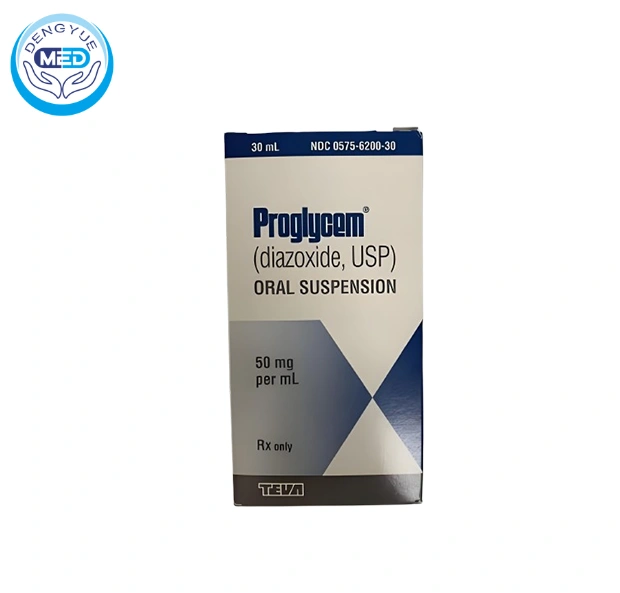
Proglycem Diazoxide | Hyperinsulinemic Hypoglycemia | DengYueMedicine

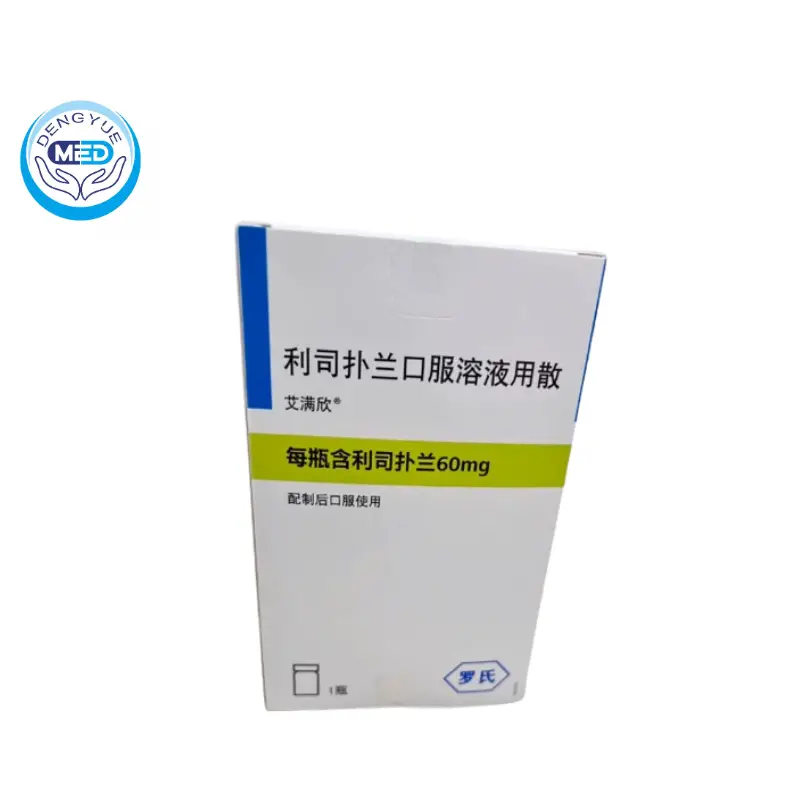
Risdiplam Oral Solution For Spinal Muscular Atrophy
Tetrabenazine Tablets | Huntington’s Disease | DengYueMedicine
Spesolimab Injection | Psoriatic Arthritis Treatment
Thiamazole Cream | Anti Hyperthyroidism
Nusinersen Injection – Spinal Muscular Atrophy
Sodium Phenylbutyrate Granules | Urea Cycle Disorders
Pitolisant Hydrochloride Tablets


Reviews
There are no reviews yet.