
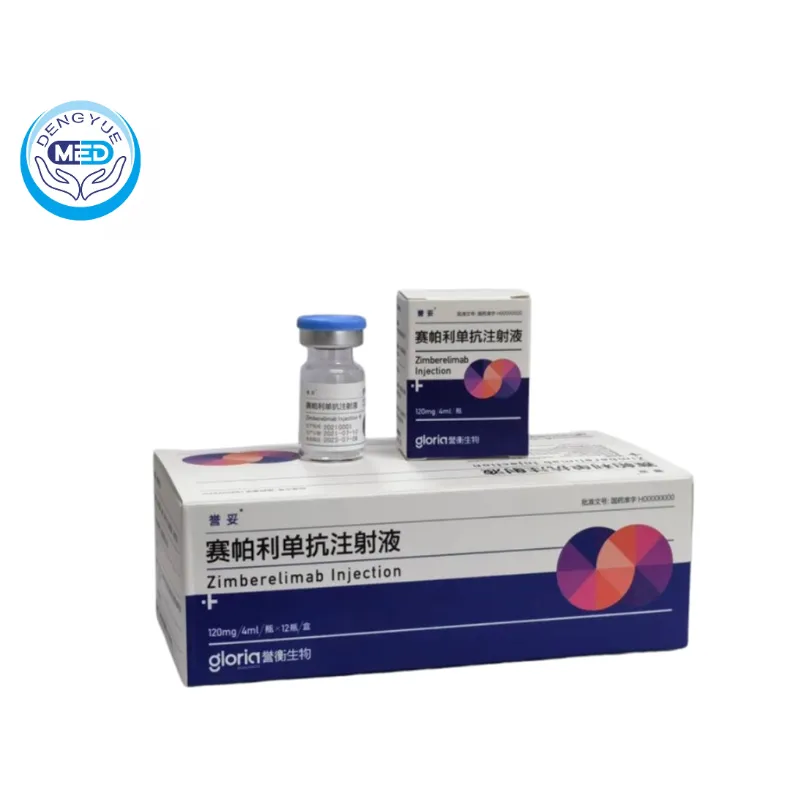
YuTuo (Zimberelimab Injection) – cHL | HongKong DengYue Medicine
- Generic Name/Brand Name: Zimberelimab/YuTuo
- Indications: Relapsed or refractory classical Hodgkin lymphoma (r/r cHL),Recurrent or metastatic cervical cancer (PD-L1 positive, CPS≥1)
- Dosage Form: Injection
- Specification: 120 mg/4 mL × 12 vial/bottle
Zimberelimab Injection Application Scope
-
Relapsed or refractory classical Hodgkin lymphoma (r/r cHL): Adult patients who have failed at least two lines of systemic chemotherapy. This approval was granted based on the objective response rate (ORR) and duration of response (DOR) from a single-arm trial.
-
Recurrent or metastatic cervical cancer: Patients with recurrent or metastatic cervical cancer whose disease has progressed after at least one line of platinum-based chemotherapy and whose tumors express PD-L1 (Combined Positive Score [CPS] ≥1).
yutuo zimberelimab injection
Zimberelimab Injection Characteristics
-
Ingredients: Zimberelimab
-
Properties: Clear to slightly opalescent, colorless to slightly yellow liquid for injection
-
Packaging Specification: 120 mg/4 mL × 12 vial/bottle
-
Storage: Store at 2-8°C. Do not freeze. Keep the vial in the original outer carton to protect from light
-
Expiry Date: Please refer to the expiration date printed on the vial and packaging
-
Executive Standard: National Drug Standards of China.
-
Approval Number: National Drug Approval Number S20210034
-
Date of Revision: The latest revision date should be checked on the approved package insert
-
Manufacturer: Wuxi Biologics Co., Ltd
Guidelines for the Use of Zimberelimab Injection
-
Dosage and Administration:
-
Recommended Dose: 240 mg administered intravenously every 2 weeks until disease progression or unacceptable toxicity.
-
Administration:
-
Administer via intravenous infusion over no less than 45 minutes. Do not administer as an intravenous push or bolus injection.
-
Prior to administration, the vial must be allowed to reach room temperature (≤25°C).
-
Aseptically withdraw 4 mL (120 mg) from each of two vials (total 240 mg dose) and dilute into an intravenous bag containing either 0.9% Sodium Chloride Injection or 5% Glucose Injection to achieve a final concentration of 2.4 mg/mL.
-
- Missed Dose: If a dose is missed, administer it as soon as possible. Subsequent doses should be rescheduled according to the prescribed interval (every 2 weeks) based on the date of the last administered dose. Decisions should be made under a physician’s guidance
-
-
Adverse Reactions:
-
Common Adverse Reactions: Anemia, hypothyroidism, decreased white blood cell count, increased aspartate aminotransferase (AST), increased alanine aminotransferase (ALT), fever, hyperbilirubinemia, rash, decreased neutrophil count, proteinuria
-
Serious Adverse Reactions: Immune-related adverse reactions (irAEs) can be severe or fatal and may involve any organ system, including pneumonitis, colitis, hepatitis, endocrinopathies (such as thyroid disorders, adrenal insufficiency, type 1 diabetes), nephritis, and severe skin reactions. Other serious reactions include severe infections and infusion-related reactions.
-
-
Contraindications: Hypersensitivity to the active substance or any excipient
-
Precautions:
-
Immune-Related Adverse Reactions (irAEs): irAEs may occur during or after treatment discontinuation. Monitor patients closely. Most irAEs are manageable with corticosteroids and/or treatment modification (dose delay or discontinuation) according to established guidelines.
-
Infusion-Related Reactions: Monitor for signs during and after infusion. Interrupt or slow the infusion rate or discontinue based on severity.
-
Special Populations:
-
Hepatic or Renal Impairment: Not recommended in patients with moderate or severe hepatic or renal impairment. Use with caution in patients with mild impairment.
-
Elderly: Use with caution due to limited data.
-
Pregnancy and Breastfeeding: Based on its mechanism, may cause fetal harm. Effective contraception is recommended during and for several months after treatment. Discontinue breastfeeding during treatment and for at least 5 months after the last dose.
-
Pediatric Use: Safety and effectiveness have not been established.
-
-
Zimberelimab Injection Interactions
- Formal drug-drug interaction studies have not been conducted. As a monoclonal antibody, zimberelimab is not metabolized by cytochrome P450 enzymes; interactions with drugs that are substrates, inducers, or inhibitors of these enzymes are unlikely.
Note:
- If there is a new packaging for the drug, the new packaging shall prevail. The above information is sourced from DengYue Medicine.
- This content is for reference only. Prescription drugs must be used under a doctor’s guidance and purchased from authorized sources.
Related products
-

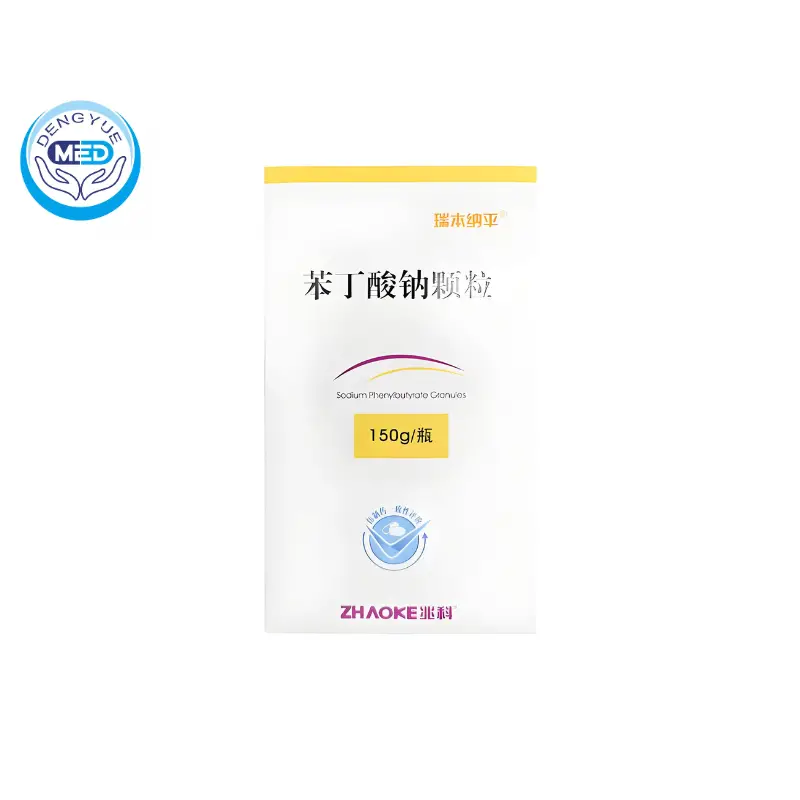
Sodium Phenylbutyrate Granules | Urea Cycle Disorders
-
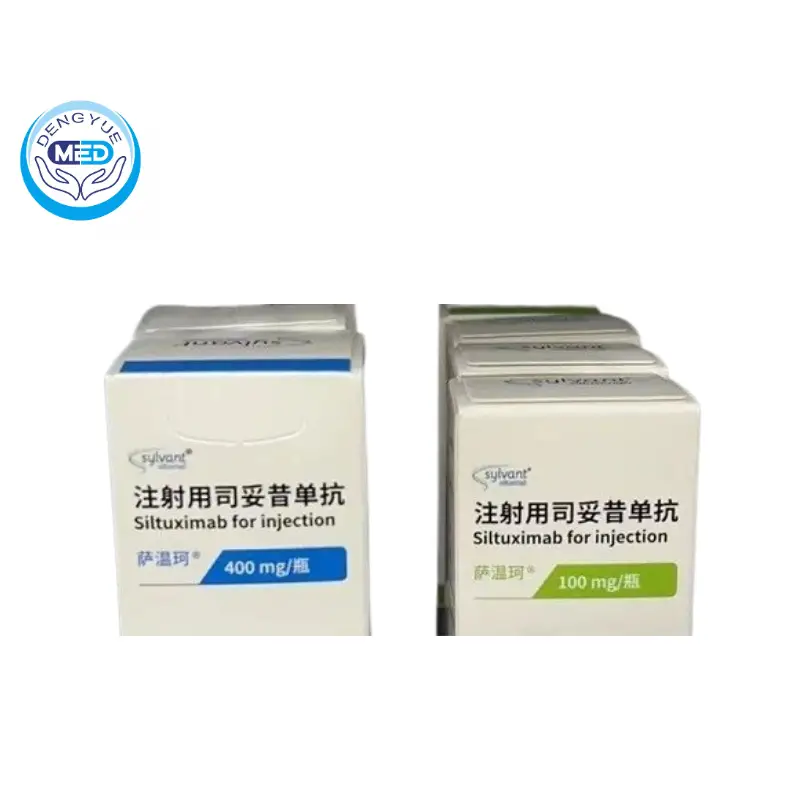
Siltuximab For Injection | Castleman’s Disease
-
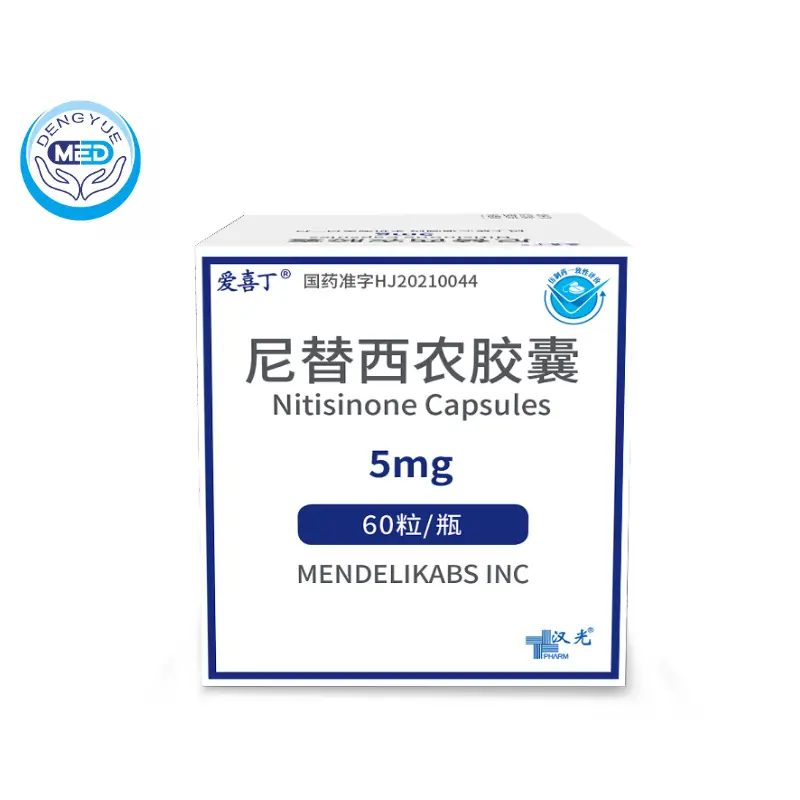
Nitisinone Capsules | Hereditary Tyrosinemia Type 1
-
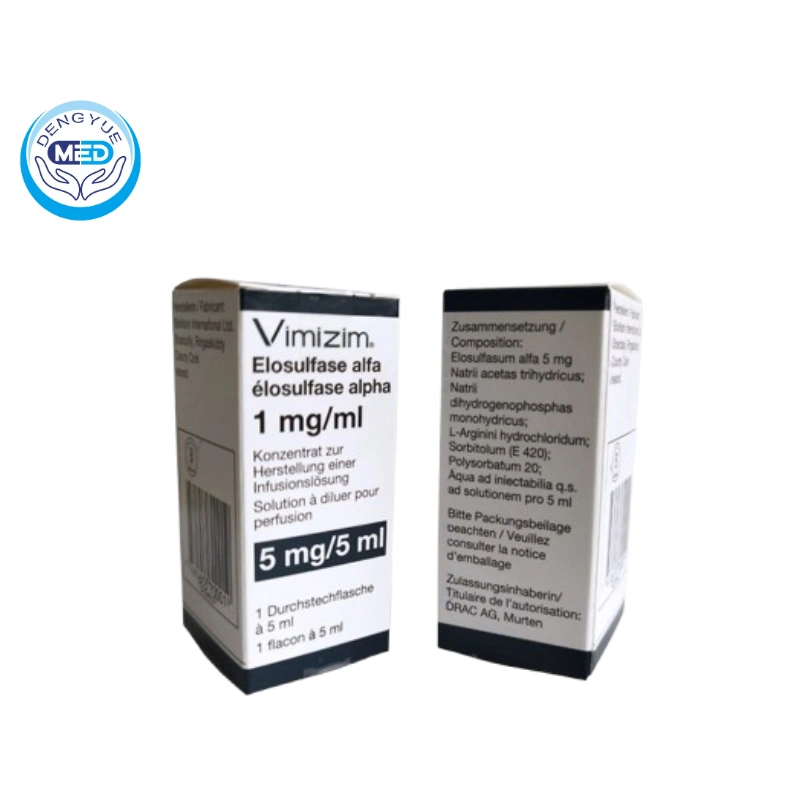
Vimizim Elosulfase Alpha | Mucopolysaccharidosis Type IV
-
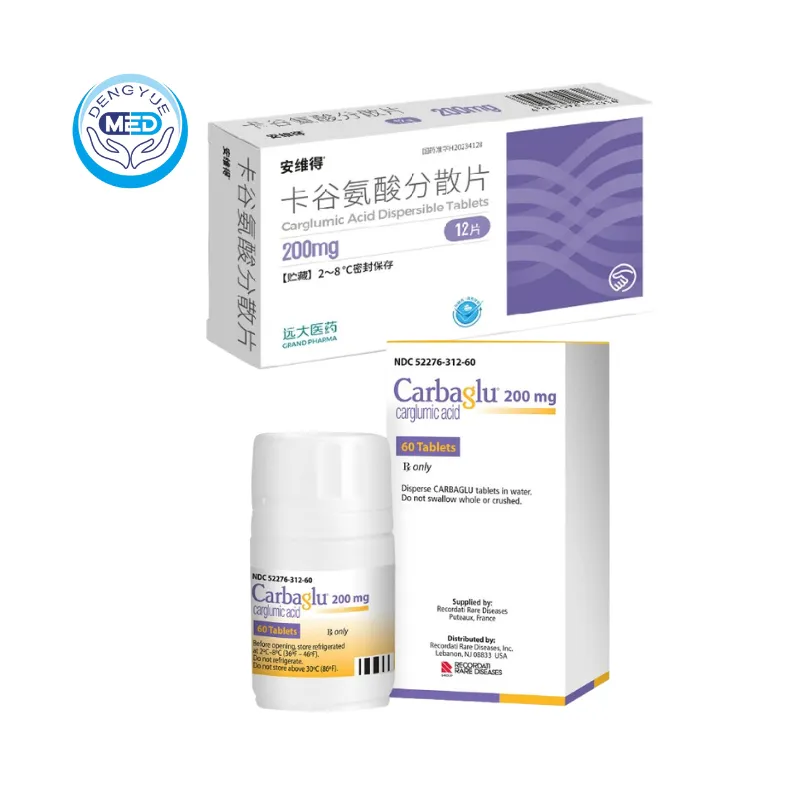
Carbaglu Carglumic Acid | Urea Cycle Disorders | HK DengYueMedicine
-
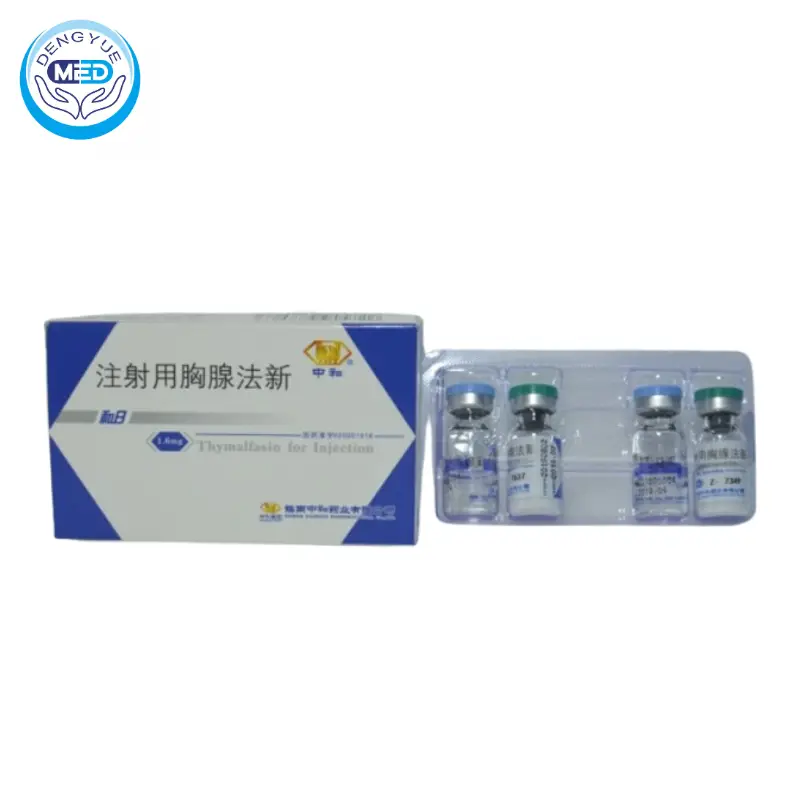
Thymalfasin for Injection – Adjuvant for Influenza Vaccine
-

Nusinersen Injection – Spinal Muscular Atrophy
-
Tetrabenazine Tablets | Huntington’s Disease | DengYueMedicine

Reviews
There are no reviews yet.