
Yorvipath (Palopegteriparatide) | Hypoparathyroidism | DengYue Medicine
- Generic Name/Brand Name: Palopegteriparatide/ Yorvipath
- Indications: Hypoparathyroidism
- Dosage Form: Solution for subcutaneous injection in a prefilled pen
- Specification: 294 mcg/0.98 mL
Yorvipath Application Scope
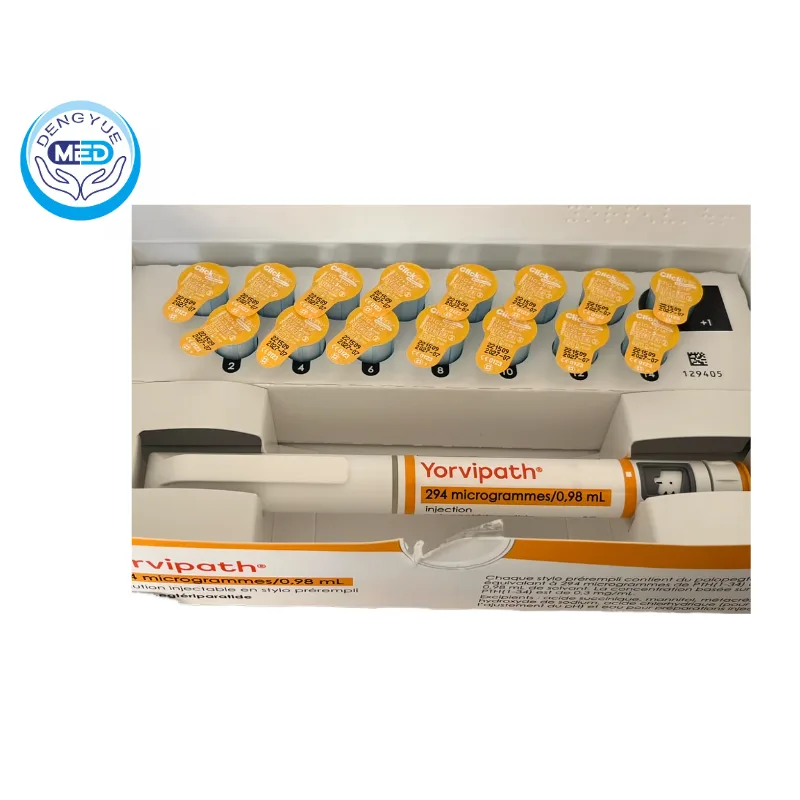
Yorvipath is a once-daily injectable parathyroid hormone analog used to treat adults with hypoparathyroidism, helping regulate calcium levels in the blood.
Characteristics
Ingredients: Palopegteriparatide
Properties:
Yorvipath is a long-acting parathyroid hormone (PTH) analog designed for once-daily subcutaneous injection.
It helps regulate calcium and phosphate balance in patients with hypoparathyroidism.
Packaging Specification:
Available in prefilled, disposable, 14-dose pen injectors.
Each pack contains 2 pens and 28 needles (plus 2 spare needles).
Storage:
Before first use: Store in the refrigerator at 2°C to 8°C (36°F to 46°F).
After first use: Store at room temperature below 30°C (86°F) for up to 14 days.
Do not freeze. Keep in original packaging to protect from light.
Expiry Date: Discard the pen 14 days after first use, even if it still contains medication.
Executive Standard: Approved under NDA 216490 by the U.S. Food and Drug Administration (FDA).
Approval Number: NDA 216490 .
Date of Revision: August 2024 .
Manufacturer:
Ascendis Pharma Bone Diseases A/S
Tuborg Boulevard 12, DK-2900 Hellerup, Denmark
Distributed by: Ascendis Pharma Endocrinology, Inc., Princeton, NJ, USA .
Guidelines for the Use of Yorvipath
Dosage and Administration:
Administer once daily via subcutaneous injection in the abdomen or thigh.
Rotate injection sites to avoid tissue irritation.
Dosage is individualized based on serum calcium levels and patient response.
Use only one injection per day; do not split doses.
Monitor serum calcium 7–10 days after any dose change and periodically thereafter .
Adverse Reactions:
Common (≥5%) side effects include:
Injection site reactions (39%)
Vasodilatory symptoms (28%)
Headache (21%)
Diarrhea (10%)
Back pain (8%)
Hypercalcemia (8%)
Oropharyngeal pain (7%)
Contraindications:
Do not use in patients with:
Severe hypersensitivity to palopegteriparatide or its excipients.
Increased risk of osteosarcoma (e.g., Paget’s disease, unexplained elevations of alkaline phosphatase, bone metastases, skeletal malignancies, prior radiation therapy involving the skeleton) .
Precautions:
Monitor for signs of hypercalcemia and hypocalcemia.
Use caution in patients with cardiovascular conditions due to potential for orthostatic hypotension.
Not recommended for use in pediatric patients or during pregnancy unless clearly needed .
Yorvipath Interactions
- Drug Interactions:
Concomitant use with digoxin may increase the risk of digitalis toxicity due to changes in serum calcium levels.
Drugs affecting serum calcium (e.g., diuretics, lithium, vitamin D supplements) may alter the therapeutic response to Yorvipath.
Monitor serum calcium more frequently when used with these agents .
Note:
- If there is a new packaging for the drug, the new packaging shall prevail. The above information is sourced from DengYue Medicine.
- It is only for internal discussion among medical staff and does not serve as a basis for medication. For specific medication guidelines, please consult the attending physician.
Related products

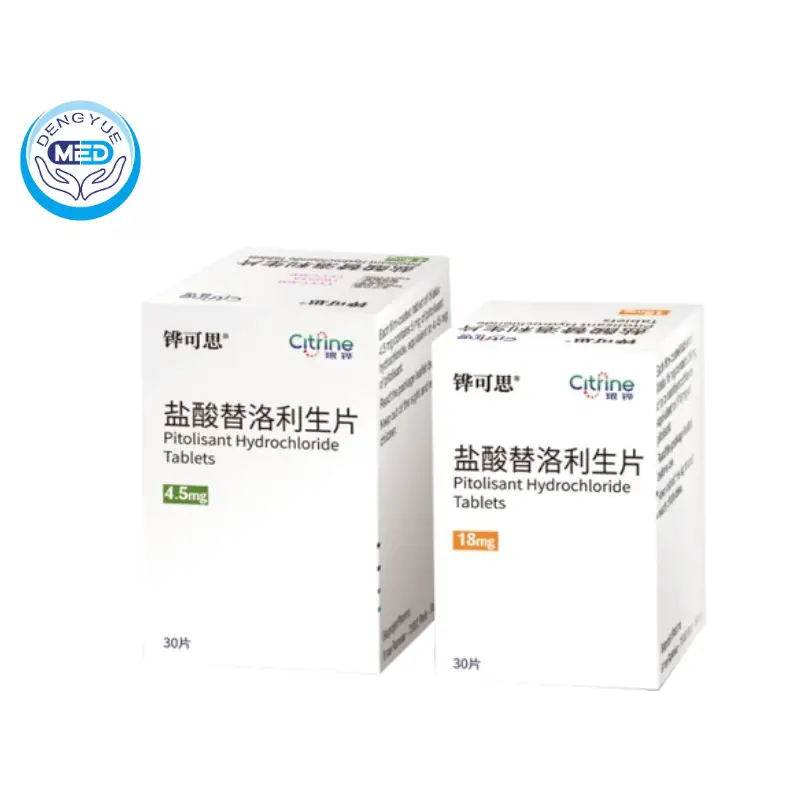
Pitolisant Hydrochloride Tablets
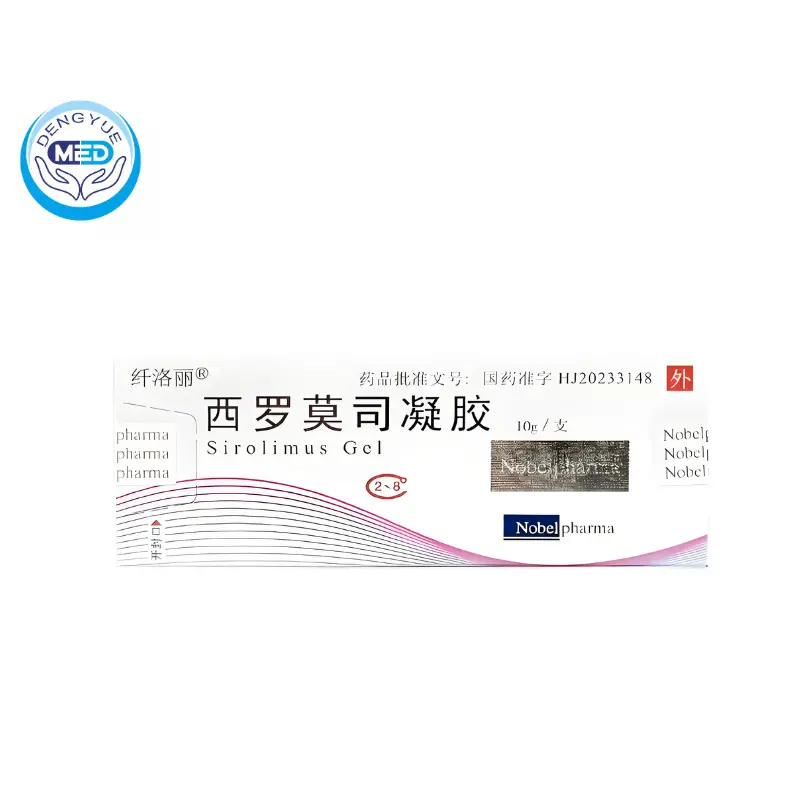
Sirolimus Gel | Facial Angiofibroma
Marinolone Urea Ointment | Chapped Hands And Feet | HK DengYueMedicine
Gattex Teduglutide | Short Bowel Syndrome | DengYueMedicine
Hydroxycarbamide Tablets | Treatment of Leukemia
Vimizim Elosulfase Alpha | Mucopolysaccharidosis Type IV
Prednisone Acetate Tablets|Immune Inflammatory Diseases

Proglycem Diazoxide | Hyperinsulinemic Hypoglycemia | DengYueMedicine
.webp "vimizim(elosulfase alpha)")
Reviews
There are no reviews yet.