Vindesine sulfate is a chemotherapy drug used primarily for the treatment of certain types of cancer. It belongs to the vinca alkaloids class of chemotherapy agents, which work by inhibiting cancer cell division. It is most commonly used in combination with other chemotherapeutic agents for the treatment of advanced or metastatic cancers.
- Primary Uses:
- Treatment of acute lymphoblastic leukemia (ALL).
- Used as part of combination chemotherapy regimens in non-Hodgkin lymphoma, solid tumors, and other hematologic malignancies.
- Mechanism of Action: Vindesine sulfate works by binding to tubulin, a protein that is essential for microtubule formation during cell division. By disrupting microtubule dynamics, it halts cell division, leading to cell cycle arrest and cell death.
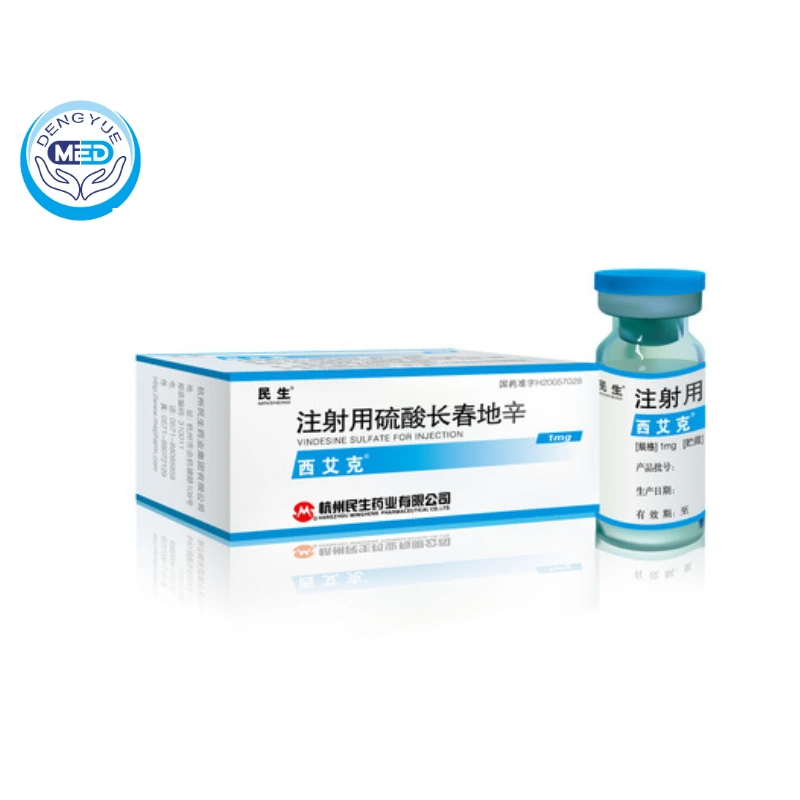
Vindesine Sulfate For Injection – Characteristics
- Ingredients:
- Active Ingredient: Vindesine sulfate (C₁₉H₂₃NO₄S).
- Inactive Ingredients: These may include stabilizers, buffers, and excipients such as water for injection, sodium chloride, and other formulations to maintain sterility and stability.
- Properties:
- Specification:
- Available in concentrations such as 1 mg/ml or 5 mg/ml, depending on the product and manufacturer.
- Typically supplied in vials or ampoules.
- Packaging Specification:
- Usually packaged in single-dose vials (e.g., 1 mg or 5 mg per vial) under sterile conditions.
- Some manufacturers may provide multi-dose vials.
- Storage:
- Room temperature storage is generally recommended (15°C–30°C).
- Refrigeration may be required for longer-term storage depending on the manufacturer.
- Protect from light to preserve stability.
- Ensure proper sterile storage to avoid contamination.
- Expiry Date: 24 months
- Executive Standard: Chinese Pharmacopoeia, 2005 edition, Part II
- Approval Number: National Drug Code H20057028
- Date of Revision: Check the specific packaging for the last revision date.
- Manufacturer:Hangzhou Minsheng Pharmaceutical
Guidelines For The Use Of Vindesine Sulfate For Injection
- Dosage and Administration:
- Adult Dose:
- Typically administered as 2–3 mg/m² intravenously, every 1–3 weeks, depending on the specific protocol used.
- The dose may be adjusted based on the type of cancer, patient’s overall health, and response to therapy.
- Pediatric Dose:
- Dosing is based on the child’s weight and the specific regimen being used.
- Pediatric doses generally range from 1.5–2.5 mg/m².
- Administration:
- IV infusion is typically used.
- It may be given slowly over 5–10 minutes or in some cases as a longer infusion depending on the treatment plan.
- Pre-medication with anti-emetics is recommended to prevent nausea and vomiting associated with chemotherapy.
- Reconstitution: Follow the manufacturer’s guidelines for reconstitution and dilution with compatible fluids like normal saline.
- Adverse Reactions:
- Common:
- Gastrointestinal: Nausea, vomiting, mucositis, constipation.
- Hematologic: Myelosuppression (low blood counts), neutropenia (low white blood cell count), thrombocytopenia (low platelets).
- Peripheral neuropathy: Tingling, numbness, or weakness in limbs.
- Serious:
- Extravasation: If the drug leaks outside the vein during administration, it can cause severe local tissue damage.
- Anaphylaxis: Rare but serious allergic reactions.
- Liver toxicity: Hepatic dysfunction, elevated liver enzymes.
- Severe infection: Due to myelosuppression.
Medication Limitations
- Contraindications:
- Hypersensitivity: Contraindicated in patients with a known allergy to Vindesine or any of the excipients in the formulation.
- Pregnancy: Vindesine is teratogenic and should be avoided during pregnancy.
- Severe liver impairment: Due to potential toxicity in patients with compromised liver function.
- Precautions:
- Bone marrow suppression: Regular monitoring of blood cell counts is required during treatment.
- Neuropathy: Caution is advised in patients with existing neuropathies, as Vindesine can exacerbate this condition.
- Infection: Close monitoring for signs of infection is essential, as chemotherapy can suppress the immune system.
- Hydration: Adequate hydration should be maintained to reduce the risk of kidney toxicity.
Vindesine Sulfate For Injection Interactions
- Drug Interactions:
- Other chemotherapy agents: May enhance the toxicity of other chemotherapy drugs, especially those that also cause bone marrow suppression (e.g., cyclophosphamide, doxorubicin).
- Corticosteroids: Potential for increased risk of gastrointestinal side effects and infections when combined with corticosteroids.
- Anticoagulants: Use caution when combined with anticoagulants like warfarin due to potential bleeding risks.
- CYP3A4 inhibitors/inducers: Vindesine is metabolized by CYP3A4, so inhibitors or inducers of this enzyme (e.g., ketoconazole, rifampin) may alter its levels and efficacy.
- Vaccines: Live vaccines should be avoided during chemotherapy as the immune system may be compromised.


Reviews
There are no reviews yet.