
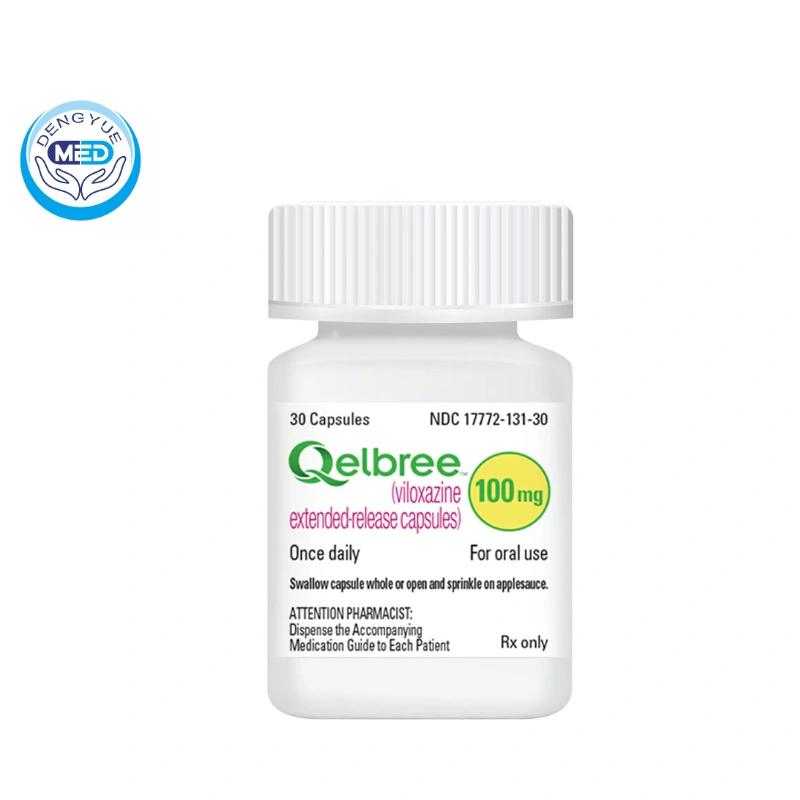
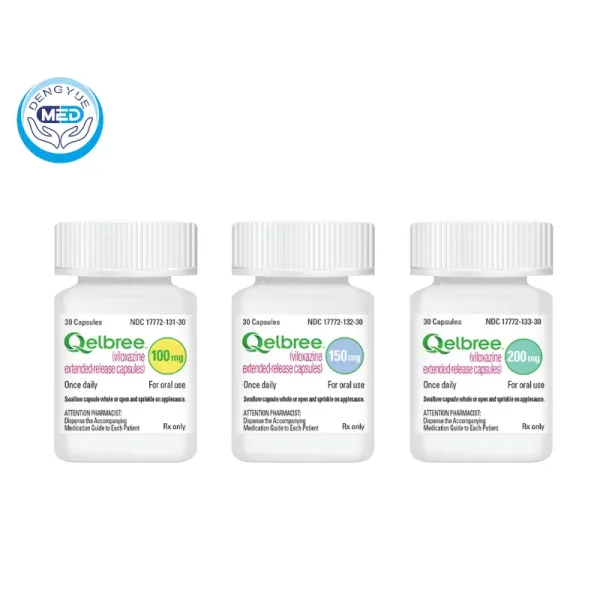
Viloxazine|Attention-Deficit/Hyperactivity Disorder(ADHD)
- Generic Name/Brand Name: Viloxazine/Qelbree
- Indications: Attention-Deficit/Hyperactivity Disorder(ADHD)
- Dosage Form: Capsules
- Specification: 100 mg, 150 mg, and 200 mg strengths
Viloxazine Application Scope
Viloxazine is a selective norepinephrine reuptake inhibitor indicated for the treatment of attention-deficit/hyperactivity disorder(ADHD) in adults and pediatric patients aged 6 years and older.
Viloxazine Characteristics
Ingredients:
Active Ingredient: Viloxazine hydrochloride.
Inactive Ingredients: Sucrose, corn starch, hypromellose, triacetin, polyethylene glycol 3350, lactose monohydrate, titanium dioxide, ethylcellulose, water, ammonia, medium-chain triglycerides, oleic acid, talc, D&C Yellow No. 10, FD&C Yellow No. 6, gelatin, shellac, alcohol, isopropyl alcohol, butyl alcohol, propylene glycol, ferrosoferric oxide, potassium hydroxide.
Properties:
Viloxazine functions as a selective norepinephrine reuptake inhibitor, which is thought to contribute to its therapeutic effects in ADHD.
Specification:
Extended-release capsules available in 100 mg, 150 mg, and 200 mg strengths.
Packaging Specification:
Supplied in bottles containing 30, 60, 90, or 100 capsules.
Storage:
Store at controlled room temperature, 20°C to 25°C (68°F to 77°F); excursions permitted between 15°C and 30°C (59°F and 86°F).
Expiry Date:
Refer to the packaging for the expiration date.
Executive Standard:
Approved by the U.S. Food and Drug Administration (FDA) under New Drug Application (NDA) number 211964.
Approval Number:
NDA 211964.
Date of Revision:
Refer to the latest prescribing information for the most current revision date.
Manufacturer:
Supernus Pharmaceuticals, Inc.
Dosage and Administration:
Pediatric Patients (6 to 11 years): Start with 100 mg orally once daily; may titrate in increments of 100 mg weekly based on response and tolerability, up to a maximum dose of 400 mg/day.
Adolescents (12 to 17 years): Start with 200 mg orally once daily; may titrate in increments of 200 mg weekly based on response and tolerability, up to a maximum dose of 400 mg/day.
Adults: Start with 200 mg orally once daily; may titrate in increments of 200 mg weekly based on response and tolerability, up to a maximum dose of 600 mg/day.
Capsules may be swallowed whole or opened and sprinkled over applesauce.
Adverse Reactions:
Common adverse reactions include somnolence, fatigue, decreased appetite, and irritability.
Monitor for increases in heart rate and blood pressure.
Increased risk of suicidal thoughts and behaviors, particularly in pediatric patients; monitor closely for clinical worsening or emergence of suicidal thoughts and behaviors.
Contraindications:
Concomitant use with monoamine oxidase inhibitors (MAOIs) or within 14 days after discontinuing an MAOI, due to the risk of hypertensive crisis.
Concomitant use with sensitive CYP1A2 substrates or CYP1A2 substrates with a narrow therapeutic range.
Precautions:
Suicidal Thoughts and Behaviors: Monitor patients for clinical worsening and emergence of suicidal thoughts and behaviors, especially during the initial few months of treatment or at times of dose changes.
Activation of Mania or Hypomania: Screen patients for bipolar disorder and monitor for signs of mania or hypomania.
Cardiovascular Effects: Monitor heart rate and blood pressure regularly; use caution in patients with pre-existing cardiovascular conditions.
CNS Depressant Effects: May cause somnolence and fatigue; caution patients against driving or operating hazardous machinery until they know how viloxazine affects them.
Viloxazine Interactions
Drug Interactions:
CYP1A2 Substrates: Viloxazine is a strong inhibitor of CYP1A2; concomitant use with sensitive CYP1A2 substrates or those with a narrow therapeutic range is contraindicated.
Note:
- If there is a new packaging for the drug, the new packaging shall prevail. The above information is sourced from DengYue Medicine.
- It is only for internal discussion among medical staff and does not serve as a basis for medication. For specific medication guidelines, please consult the attending physician.
Related products

Ubenimex Capsules|Enhancement of immune function
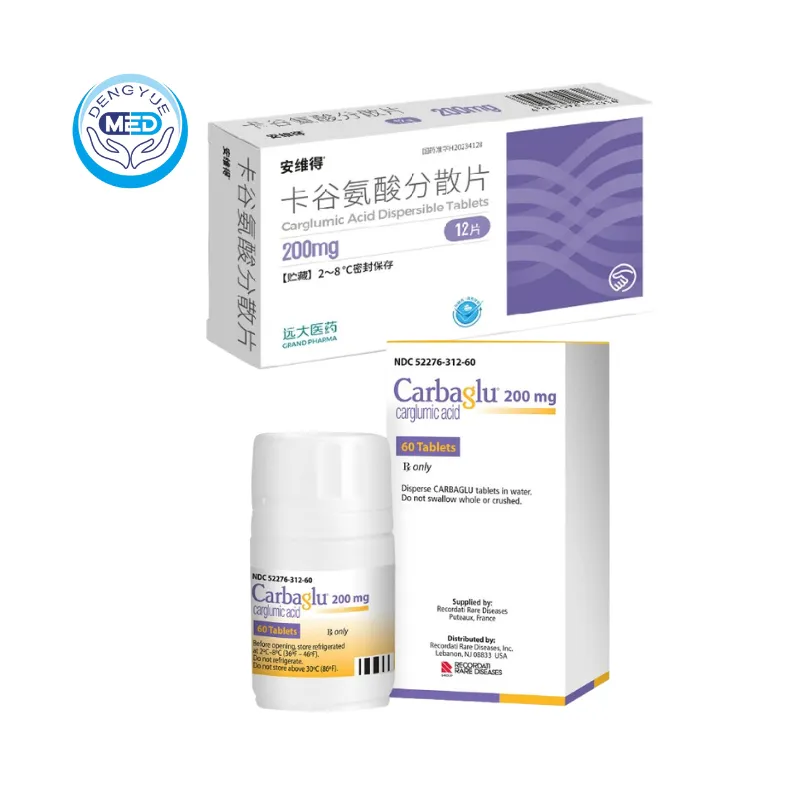
Carbaglu Carglumic Acid | Urea Cycle Disorders | HK DengYueMedicine
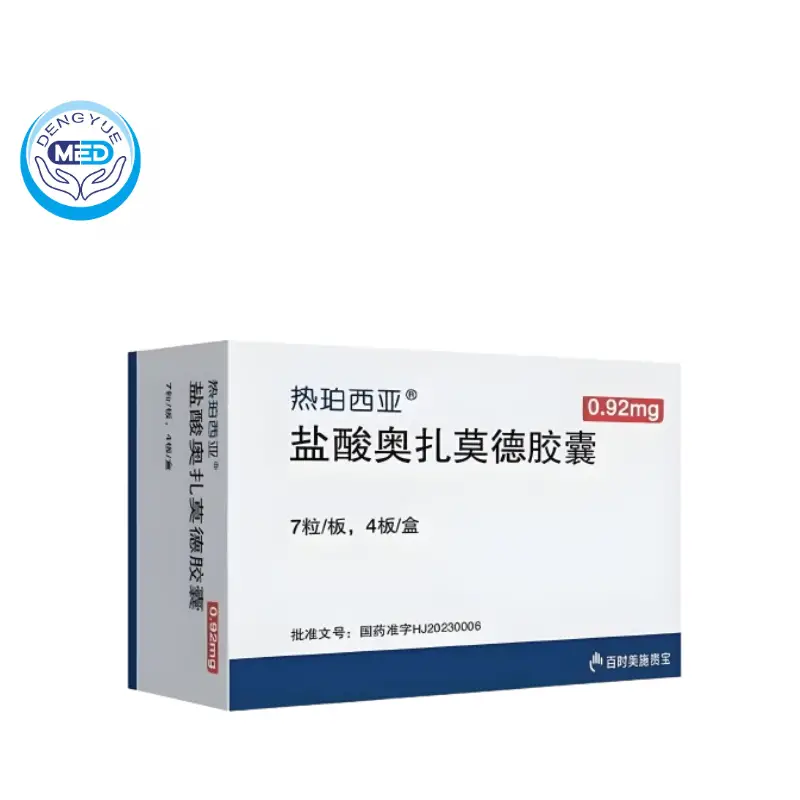
Ozamode/Ozanimod Hydrochloride Capsules
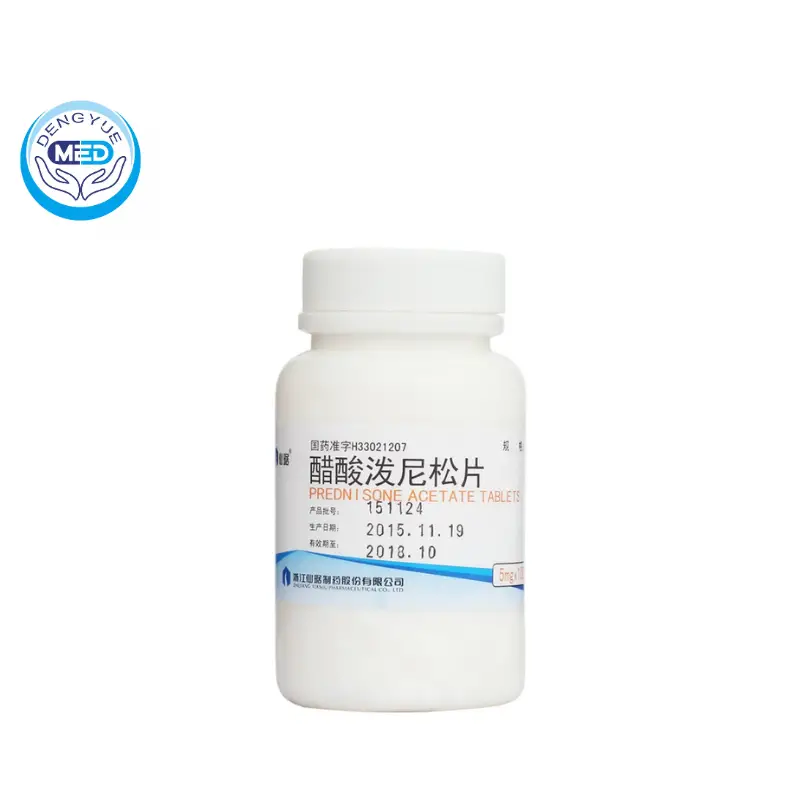
Prednisone Acetate Tablets|Immune Inflammatory Diseases
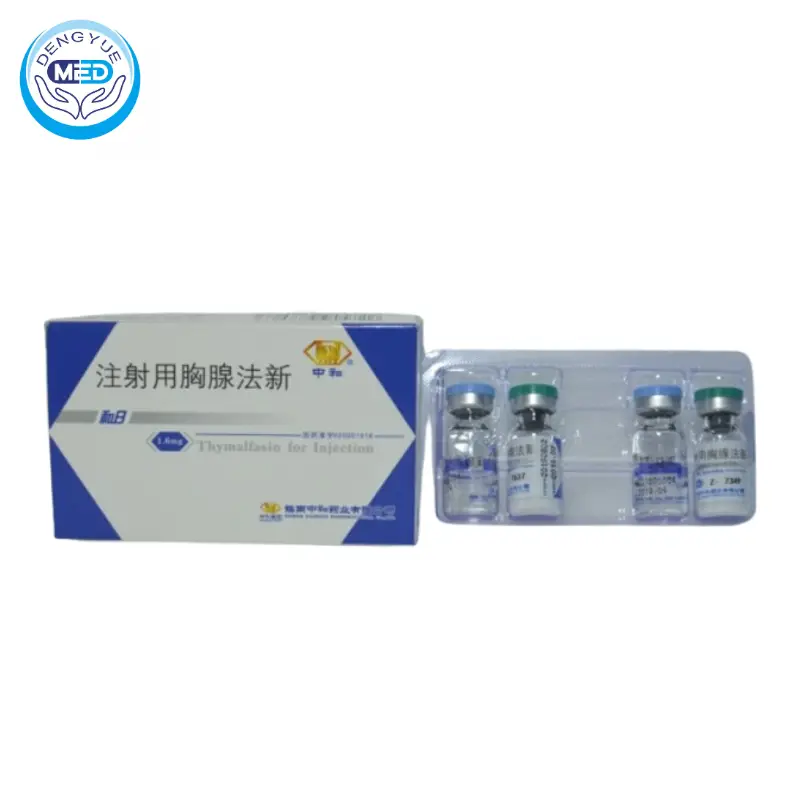
Thymalfasin for Injection – Adjuvant for Influenza Vaccine
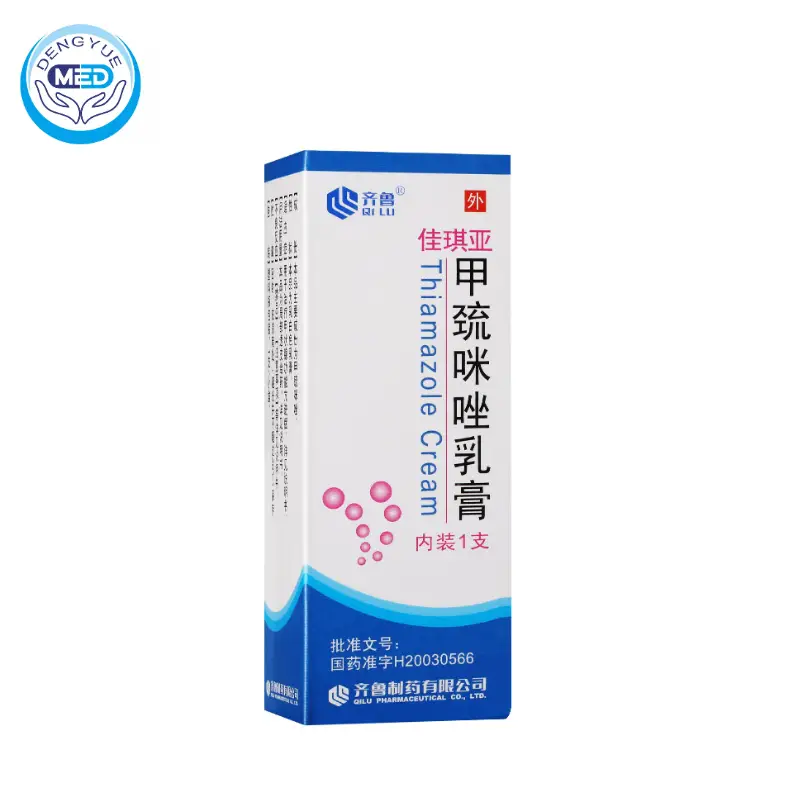
Thiamazole Cream | Anti Hyperthyroidism
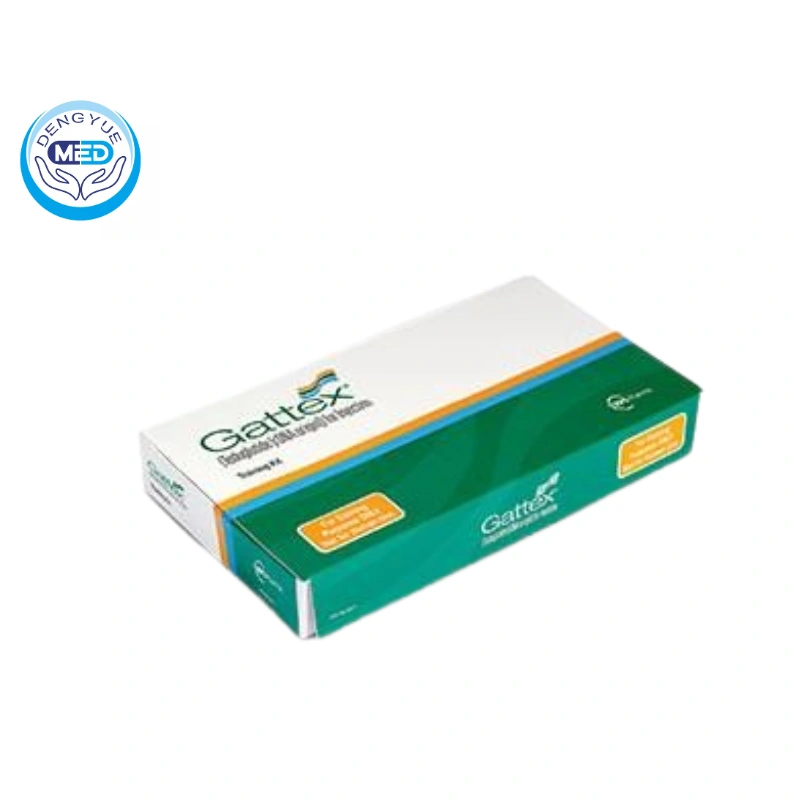
Gattex Teduglutide | Short Bowel Syndrome | DengYueMedicine
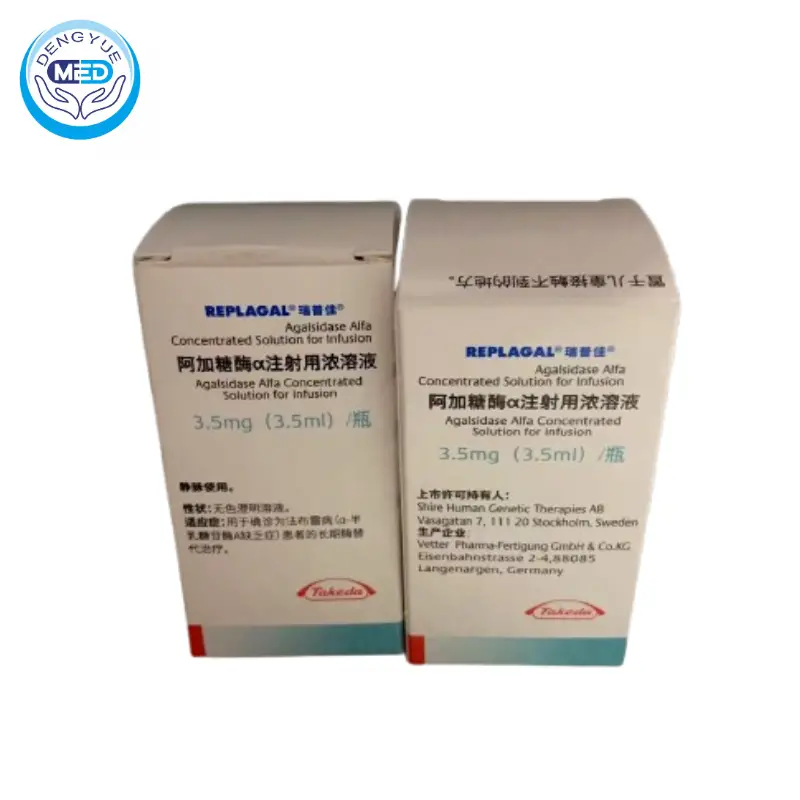
Agalsidase Alfa | Anti Fabry Disease
Reviews
There are no reviews yet.