
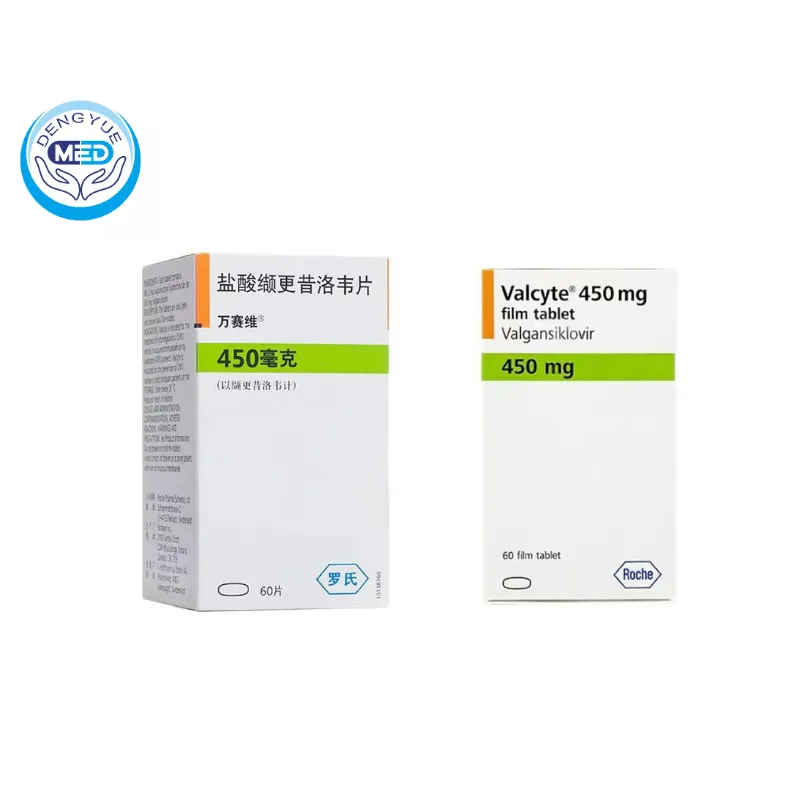
Valcyte (Valganciclovir) – CMV | HongKong DengYue Medicine
- Generic Name/Brand Name: Valganciclovir/Valcyte
- Indications: CMV disease
- Dosage Form: Film-coated tablet for oral administration
- Specification: 450 mg × 60 tablets
Valcyte Valganciclovir Application Scope
Valcyte is indicated for:
-
Treatment of CMV retinitis in immunocompromised patients (e.g., patients with AIDS).
-
Prevention (prophylaxis) of CMV disease in high-risk patients following solid organ transplantation (e.g., kidney, heart) who are at risk for CMV infection.
valcyte valganciclovir
Valcyte Valganciclovir Characteristics
-
Ingredients: Valganciclovir
-
Properties: Oral antiviral, prodrug
-
Packaging Specification: Varies by region (e.g., tablets in bottles, blister packs; solution in bottles with dispensing syringe)
-
Storage: Store at 15°C – 30°C (59°F – 86°F). Keep the bottle tightly closed
-
Expiry Date: As indicated on the product packaging
-
Executive Standard: Comply with pharmacopeial standards applicable in the country (e.g., USP, EP) and regulatory labeling
-
Approval Number: Varies by country/region (e.g., NDA 021304 in the US, EU/1/01/180/001 in the EU). Check local packaging
-
Date of Revision: Latest published versions (e.g., Roche “VALCYTE (valganciclovir)”) include revision dates
-
Manufacturer: Roche (Genentech/Roche subsidiary)
Guidelines for the Use of Valcyte Valganciclovir
-
Dosage and Administration:
-
Recommended Dose: The dose is highly dependent on the indication and renal function (creatinine clearance—CrCl). The following are examples; the physician will calculate the exact dose:
-
Induction Treatment for CMV Retinitis: 900 mg (two 450 mg tablets) twice daily for 21 days.
-
Maintenance Treatment for CMV Retinitis: 900 mg once daily.
-
Prevention in Solid Organ Transplant: 900 mg once daily, starting within 10 days of transplantation and continuing for 100 to 200 days post-transplant.
-
-
Administration: Tablets must be swallowed whole with food to maximize absorption. Do not crush, break, or chew the tablets.
-
Missed Dose: If a dose is missed, take it as soon as you remember. If it is almost time for the next dose, skip the missed dose and continue with the regular schedule. Do not take a double dose to make up for a missed one.
-
-
Adverse Reactions:
-
Common Adverse Reactions:
-
Diarrhea, nausea, vomiting, fever, headache, insomnia, anemia, neutropenia, and thrombocytopenia.
-
-
Serious Adverse Reactions:
-
Severe Bone Marrow Suppression: (Neutropenia, agranulocytosis, thrombocytopenia, pancytopenia). This is the most significant risk and requires frequent blood monitoring.
-
Renal impairment.
-
Seizures.
-
Potential for carcinogenicity and teratogenicity.
-
-
-
Contraindications:
-
Known hypersensitivity to valganciclovir, ganciclovir, or any of the excipients.
-
Severe neutropenia, anemia, or thrombocytopenia unless benefits outweigh risks (must monitor).
-
Pregnancy (unless strictly required)—due to potential teratogenicity.
-
Lactation—risks to the nursing infant must be weighed.
-
-
Precautions:
-
Hematologic Monitoring: Frequent monitoring of complete blood cell counts (CBC) with differential and platelet counts is essential, especially during induction therapy or in patients with pre-existing cytopenias.
-
Renal Function: Dose adjustment is required for patients with renal impairment. Renal function must be monitored regularly.
-
Pregnancy and Lactation: Valcyte may cause birth defects and is contraindicated in pregnancy. Women of childbearing potential should use effective contraception during and for at least 30 days after treatment. Men should use barrier contraception during and for at least 90 days after treatment. It is not recommended during breastfeeding.
-
Carcinogenicity and Mutagenicity: Valganciclovir is considered a potential carcinogen.
-
Valcyte Interactions
-
Co-administration with zidovudine: Additive hematologic toxicity (especially neutropenia).
-
Probenecid may increase ganciclovir exposure (reduced renal clearance) → increased toxicity risk.
-
Mycophenolate mofetil (in renal transplant patients)—possible increased ganciclovir levels, requiring monitoring.
-
Didanosine: Ganciclovir may increase didanosine levels—use with caution.
-
Other agents that cause myelosuppression may exacerbate hematologic toxicity when used concomitantly.
Note:
- If there is a new packaging for the drug, the new packaging shall prevail. The above information is sourced from DengYue Medicine.
- This content is for reference only. Prescription drugs must be used under a doctor’s guidance and purchased from authorized sources.
Related products
-

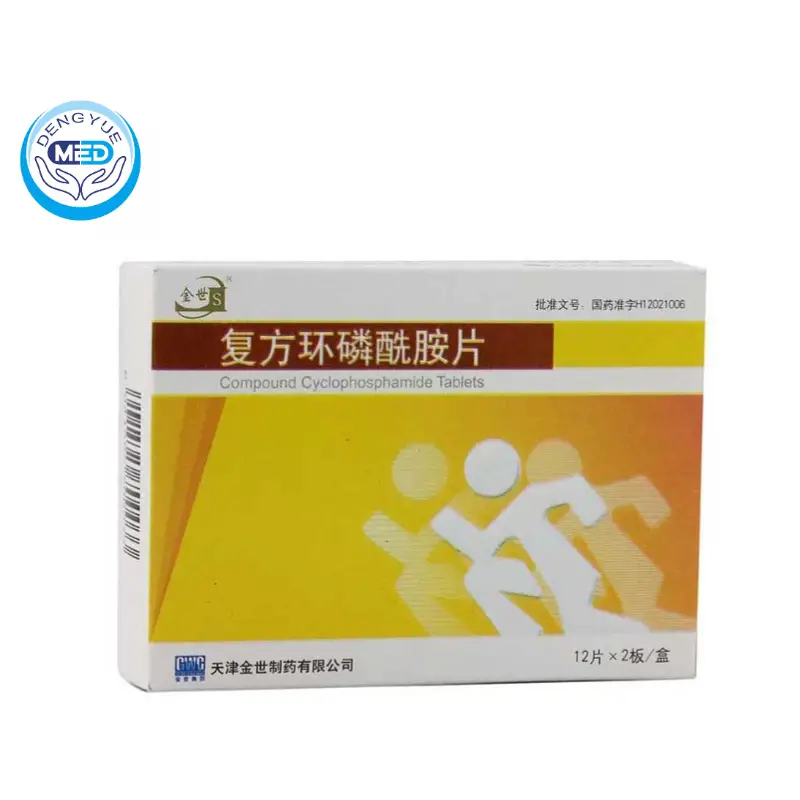
Compound Cyclophosphamide Tablets | Ovarian Cancer | DengYueMed
-
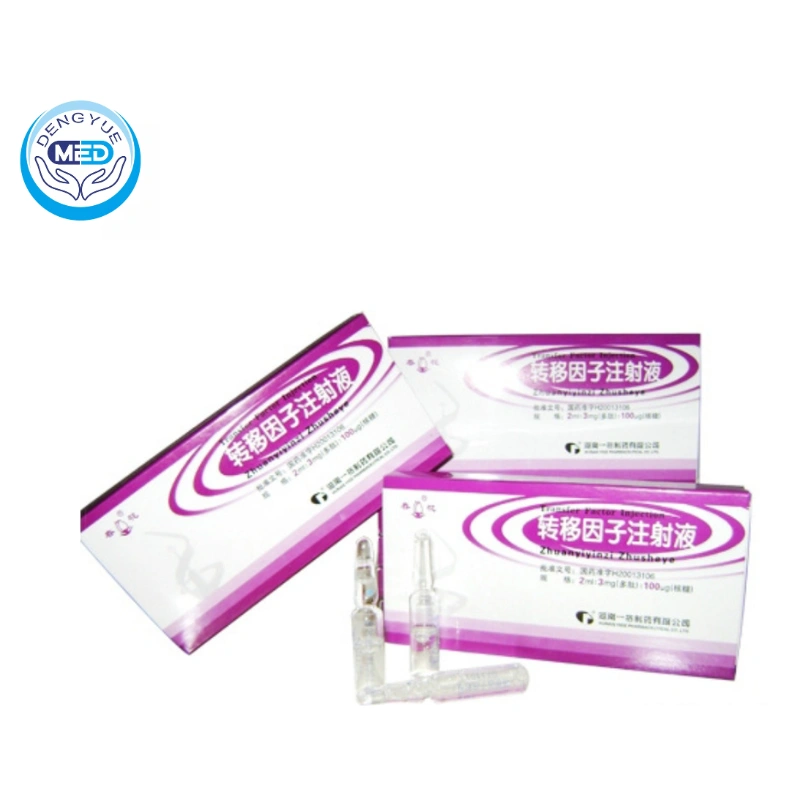
Transfer Factor Injection | Other Tumors | HK DengYueMed
-
Gemcitabine Hydrochloride Injection | Pancreatic Cancer
-
Quinlock Ripretinib – GIST | HongKong DengYue Medicine
-
Nirogacestat|Fibroid Tumor|HongKong DengYue Medicine
-
Pretomanid|Tuberculosis (TB)|HongKong DengYue Medicine
-
Golidocitinib Capsules|T-cell Lymphoma|HongKong DengYue Medicine
-
Crysvita Burosumab | X-linked Hypophosphatemia | DengYueMedicine



Reviews
There are no reviews yet.