Tretinoin Tablets | Hematology|HongKong DengYue Medicine
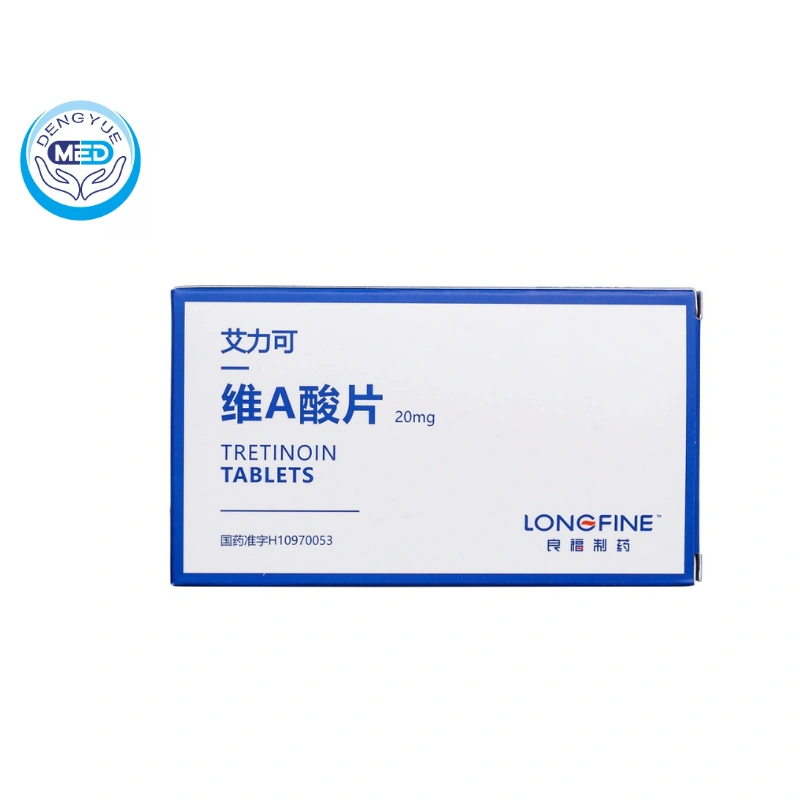
- Generic Name/Brand Name: Tretinoin Tablets/AiliKe
- Indications: leukaemia
- Dosage Form: Yellowish tablets
- Specification: 20mg
Tretinoin Tablets Application Scope
Tretinoin Tablets (all-trans retinoic acid) is a retinoid used primarily in the treatment of Acute Promyelocytic Leukemia (APL) and severe acne. It works by promoting the differentiation of abnormal blood cells in leukemia and by reducing the proliferation of skin cells in acne and other dermatologic conditions.
- Primary Uses:
- Treatment of Acute Promyelocytic Leukemia (APL).
- Treatment of severe acne, especially in cases where topical treatments fail.
- Skin aging treatment (off-label use) for photoaged skin.
- Mechanism of Action: Tretinoin binds to nuclear retinoic acid receptors (RAR), promoting cell differentiation, decreasing cell proliferation, and increasing apoptosis in abnormal cells, such as cancerous or acne-prone skin cells.
Tretinoin Tablets – Characteristics
- Ingredients:
- Active Ingredient: Tretinoin (all-trans retinoic acid).
- Inactive Ingredients: These may include excipients such as lactose, magnesium stearate, and starch, depending on the formulation.
- Properties:
- Tretinoin tablets are oral formulations.
- Retinoid Class: These are synthetic derivatives of Vitamin A and are well known for their ability to modulate gene expression involved in cell growth and differentiation.
- Specification:20mg
- Packaging Specification: 20mg*10s*1plate/box, 20mg*10s*1plate/box
- Storage:
- Store in a cool, dry place away from direct light and moisture.
- Ideal storage temperature: Room temperature (15°C–30°C).
- Keep out of reach of children.
- Expiry Date: 24 months
- Approval Number: National Drug Code H10970053
- Date of Revision: Check product packaging for the date when the information was last revised.
- Manufacturer: Shandong Liangfu Pharmaceutical
Guidelines For The Use Of Tretinoin Tablets
- Dosage and Administration:
- Acute Promyelocytic Leukemia (APL):
- Standard initial dose: 45 mg/m²/day, given in two divided doses.
- Continue for 30 days or until remission is achieved.
- Severe Acne:
- Start with 10 mg to 25 mg daily, gradually increasing based on response and tolerability.
- Take with food: To minimize gastrointestinal discomfort.
- Acute Promyelocytic Leukemia (APL):
- Adverse Reactions:
- Common:
- Skin dryness, irritation, peeling, and redness (especially for acne treatment).
- Photosensitivity (increased sensitivity to sunlight).
- Nausea, headache, and dizziness.
- Serious:
- Leukopenia (low white blood cell count), thrombocytopenia (low platelet count) in APL treatment.
- Elevated liver enzymes or liver toxicity.
- Severe skin irritation (for acne treatment).
- Bone pain, fever, or fatigue (for APL).
- Common:
Medication Limitations
- Contraindications:
- Pregnancy: Tretinoin is teratogenic (causes birth defects), so it is contraindicated during pregnancy.
- Breastfeeding: Avoid if breastfeeding, as tretinoin can be excreted in breast milk.
- Hypersensitivity: Contraindicated in individuals with a known allergy to tretinoin or any excipient in the tablet formulation.
- Precautions:
- Liver function: Regular monitoring of liver enzymes is recommended for patients on high-dose or long-term tretinoin therapy.
- Sun exposure: Patients should use sunscreen and wear protective clothing due to increased photosensitivity.
- Mental health: Caution in patients with a history of depression or mental health disorders (especially in APL treatment).
- Regular blood tests may be needed for APL patients to monitor white blood cell and platelet counts.
Tretinoin Tablets Interactions
- Drug Interactions:
- Oral contraceptives: May reduce the effectiveness of birth control due to the effect of tretinoin on the liver enzymes.
- Corticosteroids: Caution when using concurrently, as it may increase the risk of skin irritation or dryness.
- Anticoagulants: May increase the risk of bleeding when taken with warfarin or other blood thinners.
- Phenytoin: Tretinoin may affect phenytoin metabolism, leading to higher or lower serum levels of phenytoin.
- Other retinoids: Use of multiple retinoids (topical or oral) can increase the risk of adverse effects like skin irritation.
Note:
- If there is a new packaging for the drug, the new packaging shall prevail. The above information is sourced from HongKong DengYue Medicine. It is only for internal discussion among medical staff and does not serve as a basis for medication. For specific medication guidelines, please consult the attending physician.
Contact Us
Related products
-

Turoctocog Alfa|Hemophiliac|HongKong DengYue Medicine
-
Vonicog Alfa|Hemophiliac|HongKong DengYue Medicine
-

Proglycem Diazoxide | Hyperinsulinemic Hypoglycemia | DengYueMedicine
-

Dotinurad|Hyperuricemia|HongKong DengYue Medicine
-
Meisoindigo Tablets | Chronic Myelogenous Leukemia
-
Hydroxycarbamide Tablets | Treatment of Leukemia
-
Caffeic Acid Tablets|Thrombocytopenia | China Medicine Wholesaler
-
Eculizumab Injection | Paroxysmal Sleep Hemoglobinuria


Reviews
There are no reviews yet.