
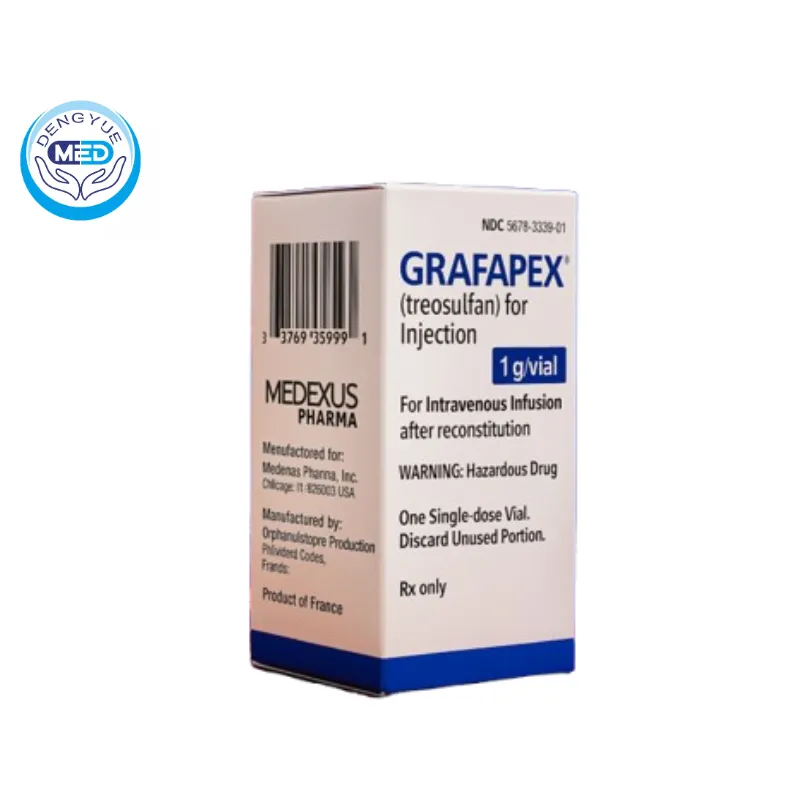
Treosulfan | AlloHSCT | HongKong DengYue Medicine
- Generic Name/Brand Name: Treosulfan / Grafapex
- Indications: AlloHSCT in combination with fludarabine for AML and MDS; advanced epithelial ovarian cancer
- Dosage Form: Lyophilized powder for intravenous infusion
- Specification: 1 g/vial and 5 g/vial
Treosulfan Application Scope

-
Primary Indication: Conditioning treatment prior to allogeneic hematopoietic stem cell transplantation (alloHSCT) in combination with fludarabine
-
FDA Approval: Adults and pediatric patients aged ≥1 year with acute myeloid leukemia (AML) or myelodysplastic syndromes (MDS)
-
EMA Approval: Adults with malignant and non-malignant diseases; children >1 month with malignant diseases Drugs.com
-
-
Other Uses (off-label or regional approvals):
-
Palliative treatment of advanced epithelial ovarian cancer
-
Investigational use in breast cancer and malignant melanoma
-
Treosulfan Characteristics
-
Ingredients: (active ingredient) Treosulfan; No excipients
-
Properties: White, crystalline powder; soluble in water
-
Packaging Specification:
-
1 g and 5 g vials of lyophilized powder for reconstitution
-
Packaged in colorless Type I glass vials with rubber stoppers and aluminum caps
-
-
Storage:
-
Unopened Vials: Store at 20°C to 25°C (68°F to 77°F); excursions permitted between 15°C and 30°C
-
Reconstituted Solution: Stable for up to 24 hours at room temperature (20°C to 25°C); do not refrigerate
-
-
Expiry Date:
-
Unopened Vials: Treosulfan has a shelf life of 5 years when stored under recommended conditions.
-
Reconstituted Solution: After reconstitution with 0.45% sodium chloride solution, the chemical and physical stability of Treosulfan has been demonstrated for 3 days at 25°C. It is important to note that the reconstituted solution should not be refrigerated (2°C–8°C) as this might cause precipitation.
-
-
Executive Standard: Approved by the U.S. Food and Drug Administration (FDA) under the brand name Grafapex.
-
Approval Number: Grafapex (USA): NDC 59137-0335
-
Date of Revision: January 2025 (Grafapex FDA approval)
-
Manufacturer: Grafapex: Medexus Pharma USA
Guidelines for the Use of Treosulfan
-
Dosage and Administration:
-
Conditioning Regimen:
-
10 g/m² body surface area (BSA) per day
-
Administered as a 2-hour intravenous infusion on three consecutive days (Day -4, -3, -2) prior to hematopoietic stem cell infusion (Day 0)
-
Used in combination with fludarabine RxList+1PMC+1
-
-
Ovarian Cancer (Palliative Treatment):
-
Monotherapy: 5–8 g/m² every 3–4 weeks
-
Combination with cisplatin: 5 g/m² every 3–4 weeks
-
Typically, 6 treatment courses are administered
-
-
-
Adverse Reactions:
-
Common Adverse Reactions:
-
Musculoskeletal pain, stomatitis, fever, nausea, edema, infections, vomiting
-
-
Severe Adverse Events:
-
Grade 3 or 4 laboratory abnormalities: elevated liver enzymes (ALT, AST), increased bilirubin, elevated creatinine
-
Myelosuppression leading to pancytopenia is expected and requires supportive care
-
-
Pediatric Considerations:
-
High incidence of treatment-emergent adverse events; common severe events include oral mucositis, infections, nausea, vomiting, and diarrhea
-
-
-
Contraindications:
-
Hypersensitivity to treosulfan
-
Severe and lasting bone marrow depression
-
Pregnancy and breastfeeding
-
Severe renal or hepatic impairment
-
Severe cardiac or pulmonary impairment
-
Active uncontrolled infections
-
DNA repair disorders (e.g., Fanconi anemia)
-
-
Precautions:
-
Monitor for signs of infection; provide appropriate antimicrobial therapy as needed
-
Regular blood count monitoring is essential due to myelosuppressive effects
-
Potential for seizures; monitor neurological status
-
Advise patients on fertility preservation options, as treosulfan may impair fertility in both men and women
-
Use effective contraception during treatment and for 6 months after the last dose
-
Avoid live attenuated vaccines during treatment
-
Treosulfan Interactions
- Drug Interactions:
-
Treosulfan may increase exposure to drugs metabolized by CYP2C19 and CYP3A4 enzymes
-
Medicinal products with a narrow therapeutic index (e.g., digoxin) that are substrates for CYP3A4 or CYP2C19 should not be administered during treosulfan treatment
-
To minimize interaction potential, concomitant medications should be administered at least 2 hours before or 8 hours after treosulfan infusion
Note:
- If there is a new packaging for the drug, the new packaging shall prevail. The above information is sourced from DengYue Medicine.
- It is only for internal discussion among medical staff and does not serve as a basis for medication. For specific medication guidelines, please consult the attending physician.
Related products
-

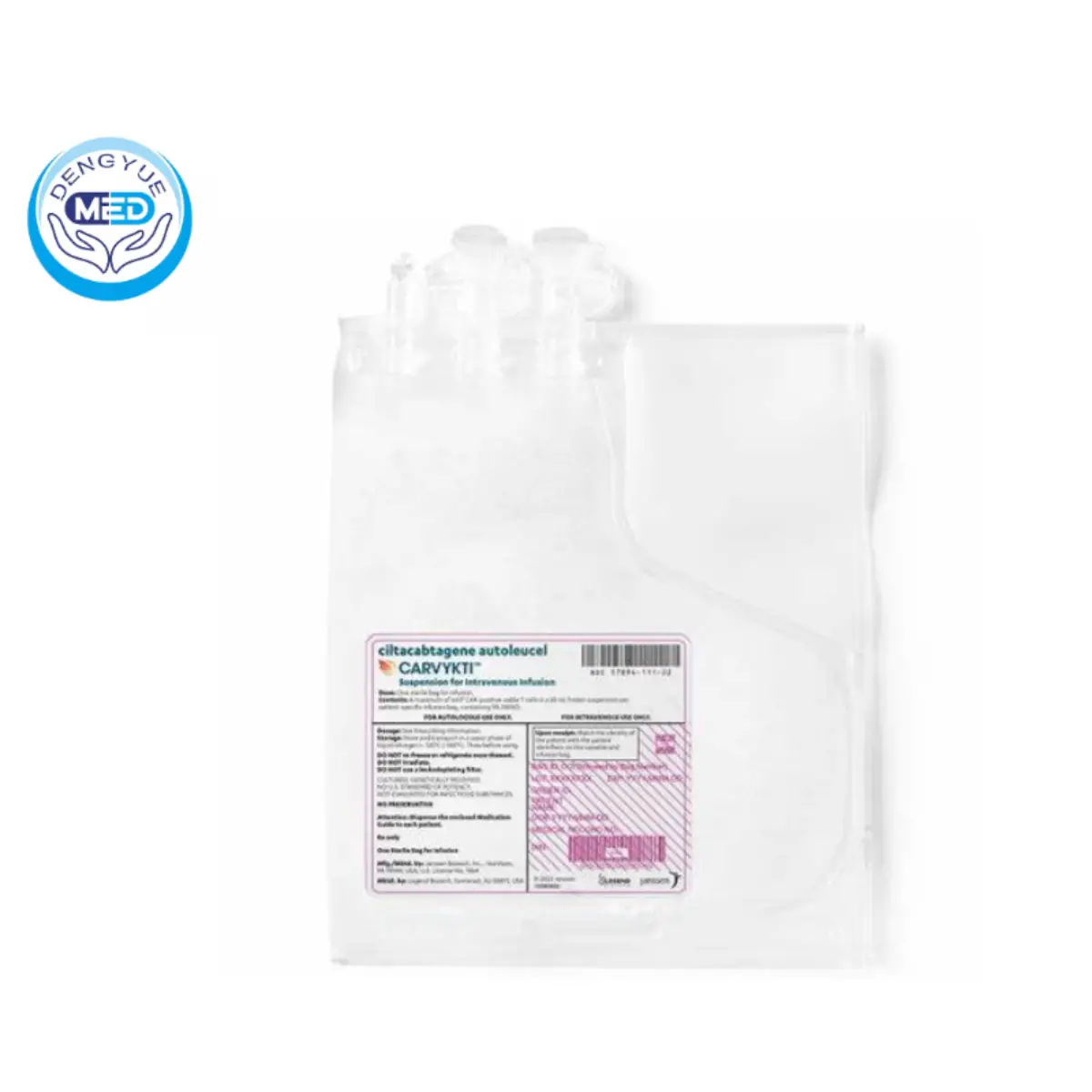
Ciltacabtagene Autoleucel|Multiple Myeloma
-

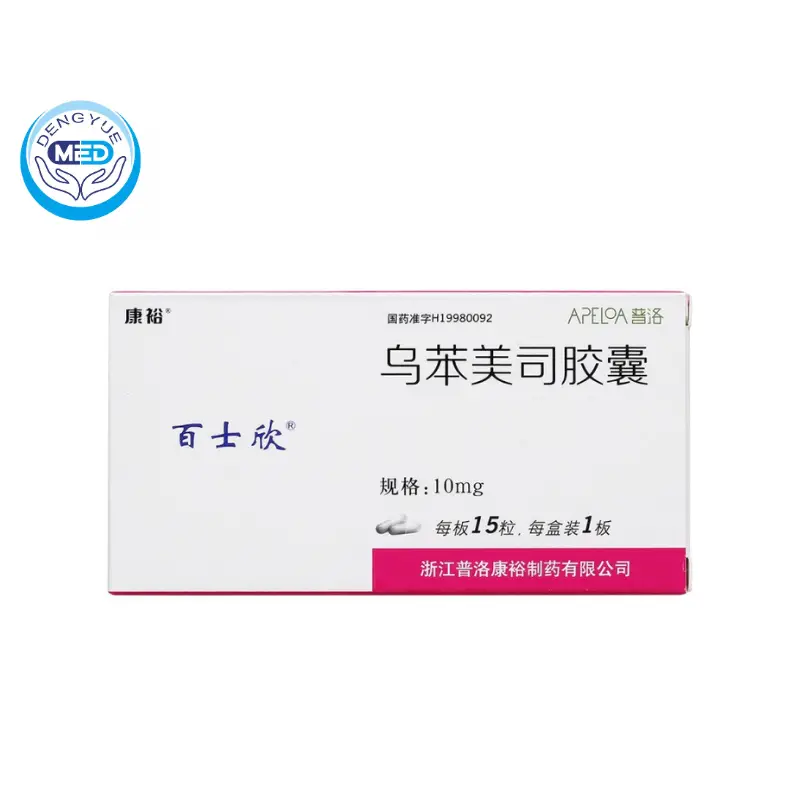
Ubenimex Capsules|Enhancement of immune function
-
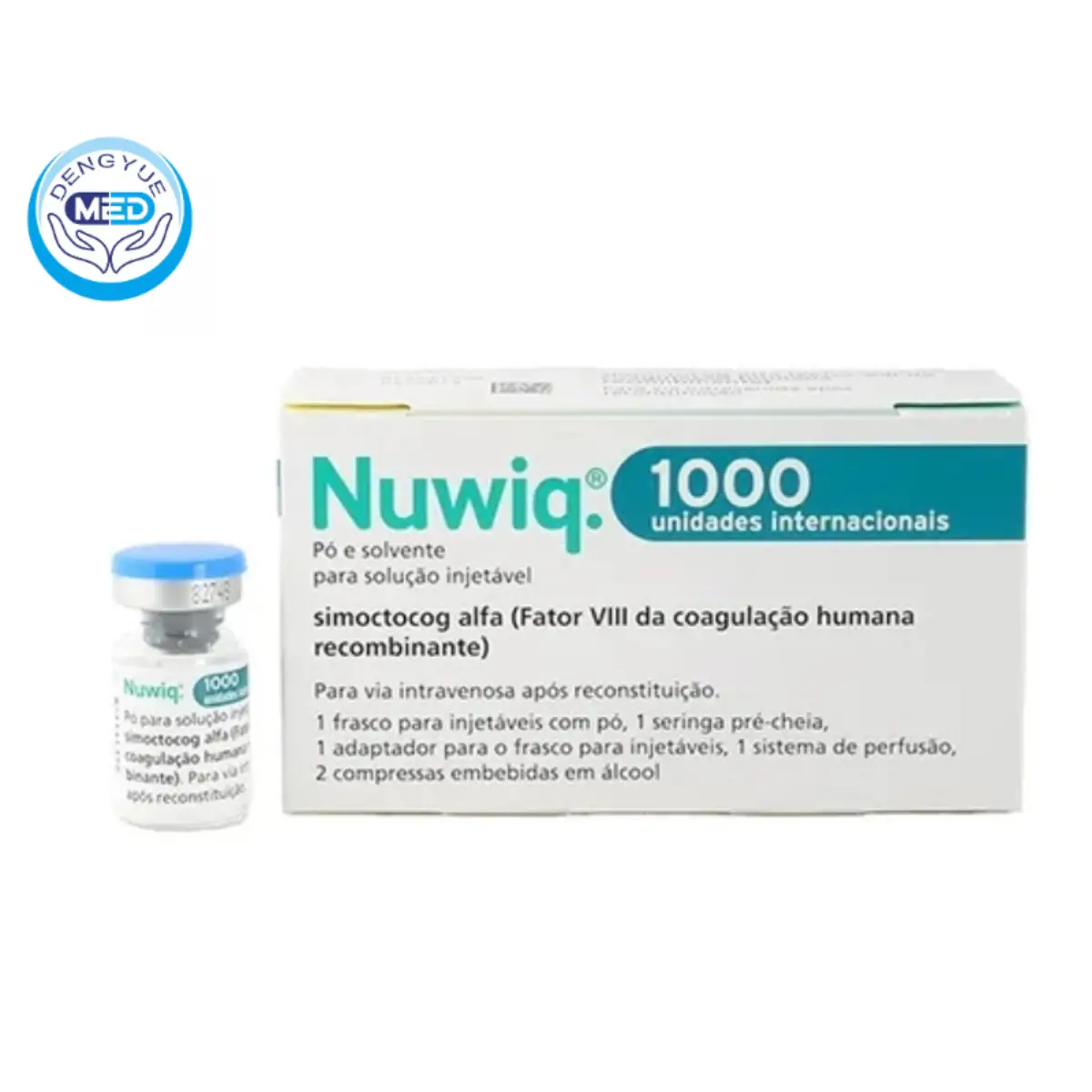
Simoctocog Alfa|Hemophilia A|HongKong DengYue Medicine
-
Zevorcabtagene Autoleucel Injection|Multiple Myeloma
-
Meisoindigo Tablets | Chronic Myelogenous Leukemia
-
Vonicog Alfa|Hemophiliac|HongKong DengYue Medicine
-
Caffeic Acid Tablets|Thrombocytopenia | China Medicine Wholesaler
-
Hydroxycarbamide Tablets | Treatment of Leukemia


Reviews
There are no reviews yet.