
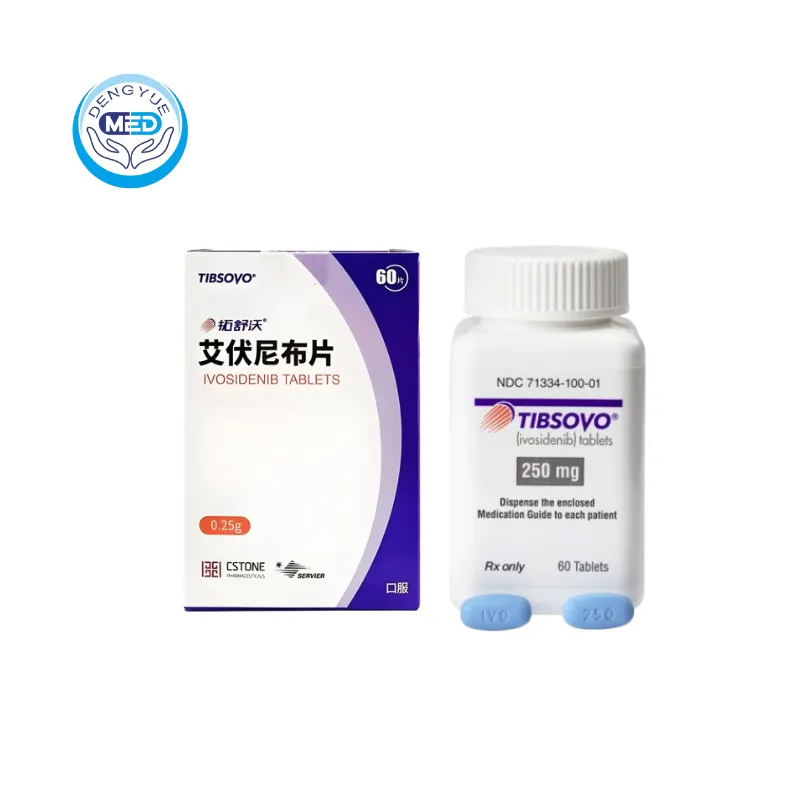
Tibsovo (Ivosidenib) – AML | HongKong DengYue Medicine
- Generic Name/Brand Name: Ivosidenib / Tibsovo®
- Indications: AML
- Dosage Form: Tablet
- Specification: 250 mg × 60 tablets/bottle
Ivosidenib Application Scope
Treatment of adult patients with acute myeloid leukemia (AML) with a susceptible IDH1 mutation:
As monotherapy for relapsed or refractory AML.
As monotherapy or in combination with azacitidine for newly diagnosed AML patients ≥75 years old or those unfit for intensive chemotherapy.
Ivosidenib Characteristics
Ingredients: Active ingredient: Ivosidenib (as ivosidenib fumarate).
Properties: An oral small-molecule inhibitor of mutated isocitrate dehydrogenase-1 (IDH1), promoting differentiation of leukemic cells and inhibiting tumor growth.
Packaging Specification: 250 mg film-coated tablets, supplied in blister packs or bottles
Storage: Store at 20–25°C (68–77°F); excursions permitted to 15–30°C (59–86°F). Protect from moisture and light.
Expiry Date: As indicated on the package (typically 24–36 months from manufacture).
Executive Standard: Manufactured according to international GMP and regulatory standards.
Approval Number: As issued by the relevant health authority (e.g., FDA, EMA).
Date of Revision: See the latest prescribing information update.
Manufacturer: Originally developed by Agios; marketed in many regions by Servier Pharmaceuticals.
Guidelines for the Use of Tibsovo
Dosage and Administration:
Recommended Dose: 500 mg orally once daily (two 250 mg tablets). Continue until disease progression or unacceptable toxicity.
Administration: Take at the same time each day, with or without food. Swallow tablets whole; do not crush or chew.
Missed Dose: If a dose is missed or vomited, take the next scheduled dose at the regular time. Do not double up doses.
Adverse Reactions:
Common Adverse Reactions:
Fatigue
Diarrhea
Nausea
Edema
Joint or muscle pain
Decreased blood counts (anemia, leukopenia, thrombocytopenia)
Elevated liver enzymes (ALT/AST)
Electrolyte abnormalities
Serious Adverse Reactions:
Differentiation syndrome (potentially life-threatening; requires prompt corticosteroid treatment)
QT prolongation (risk of ventricular arrhythmias)
Severe hepatotoxicity
Pancreatitis
Infections (sometimes fatal)
Rare: Posterior reversible encephalopathy syndrome (PRES)
Contraindications: Known hypersensitivity to ivosidenib or any component of the formulation.
Precautions:
Monitor ECGs and electrolytes due to risk of QT prolongation.
Monitor for signs of differentiation syndrome; initiate corticosteroids immediately if suspected.
Regular monitoring of liver function, pancreatic enzymes, and complete blood counts.
Use caution in patients with severe hepatic or renal impairment.
Ivosidenib Interactions
CYP3A4 inhibitors (e.g., ketoconazole, itraconazole, clarithromycin): Increase ivosidenib exposure → risk of toxicity.
CYP3A4 inducers (e.g., rifampin, carbamazepine, St. John’s Wort): Decrease exposure → reduced efficacy.
QT-prolonging drugs (e.g., amiodarone, sotalol, fluoroquinolones): Additive risk of cardiac arrhythmia.
P-gp and other transporter substrates: Potential interactions; monitor closely.
Note:
- If there is a new packaging for the drug, the new packaging shall prevail. The above information is sourced from DengYue Medicine.
- This content is for reference only. Prescription drugs must be used under a doctor’s guidance and purchased from authorized sources.
Related products

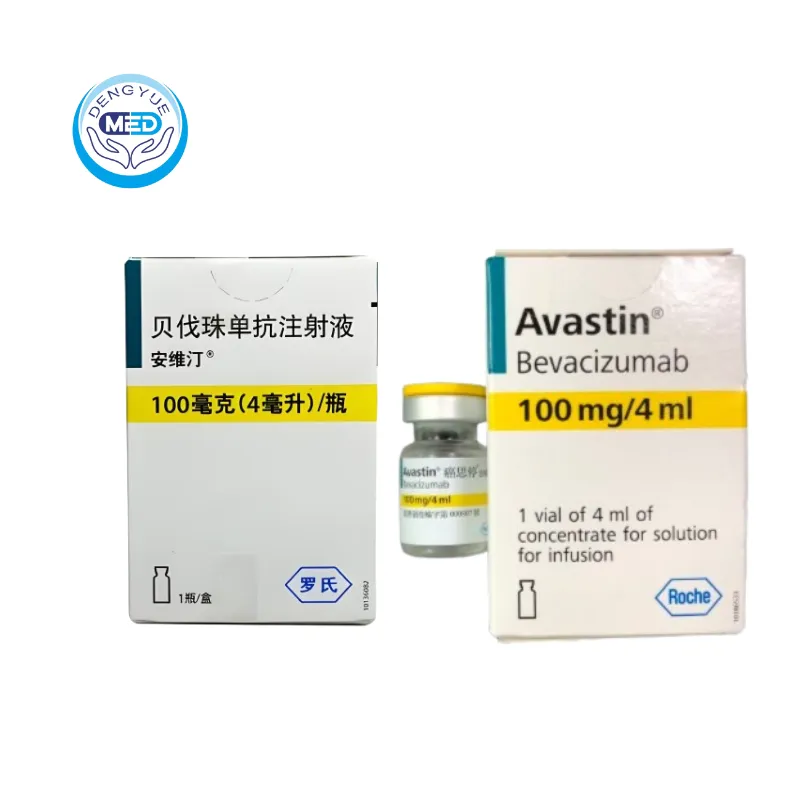
Avastin (Bevacizumab) – mCRC & NSCLC | HongKong DengYue Medicine
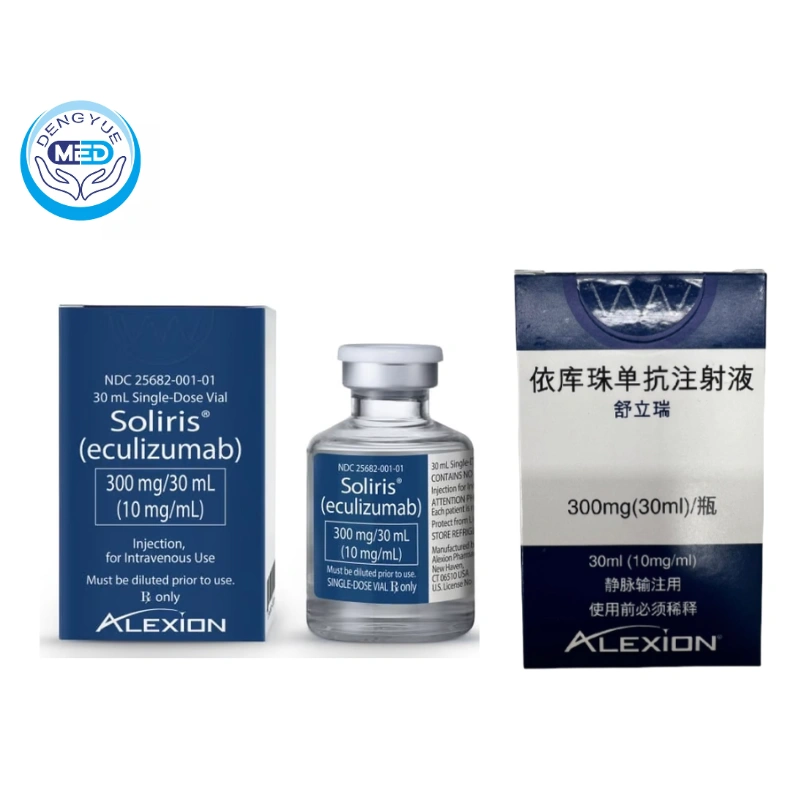
Eculizumab Injection | Paroxysmal Sleep Hemoglobinuria
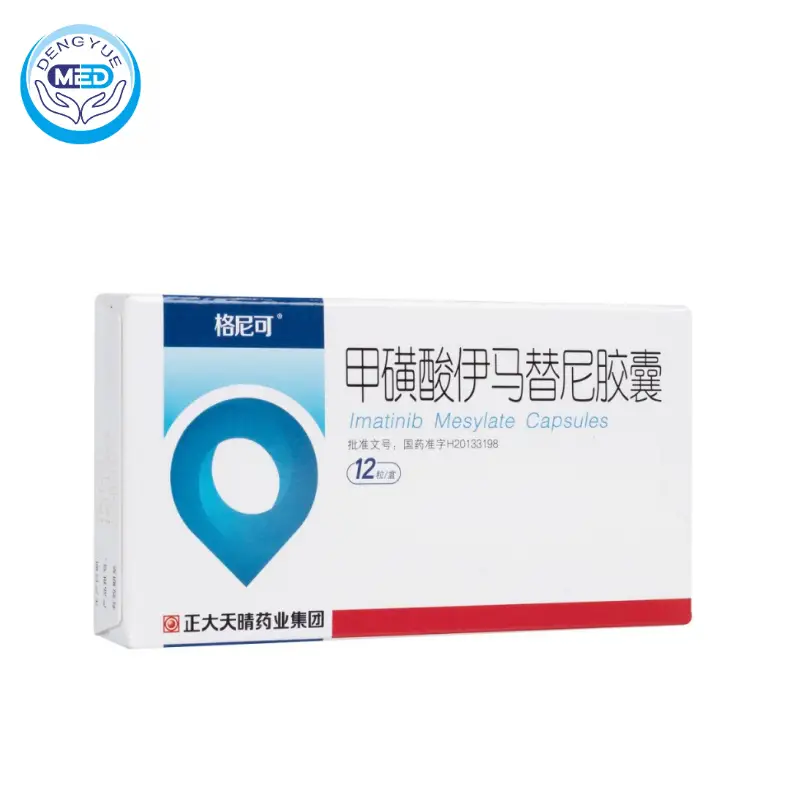
Imatinib Mesylate Capsules | Leukemia Treatment
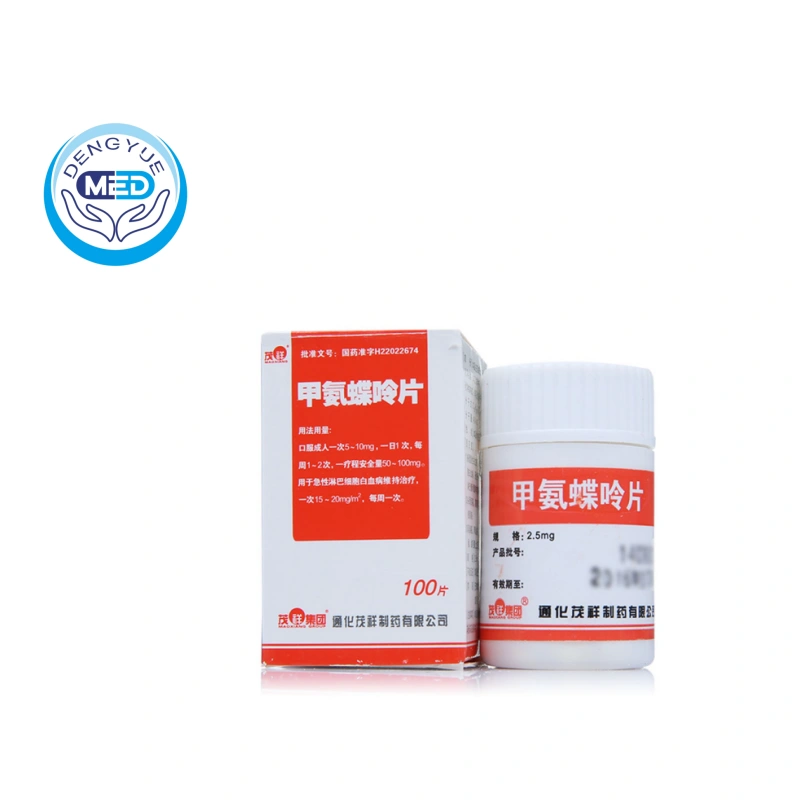
Methotrexate 2.5mg Tablets | Cancer Chemotherapy
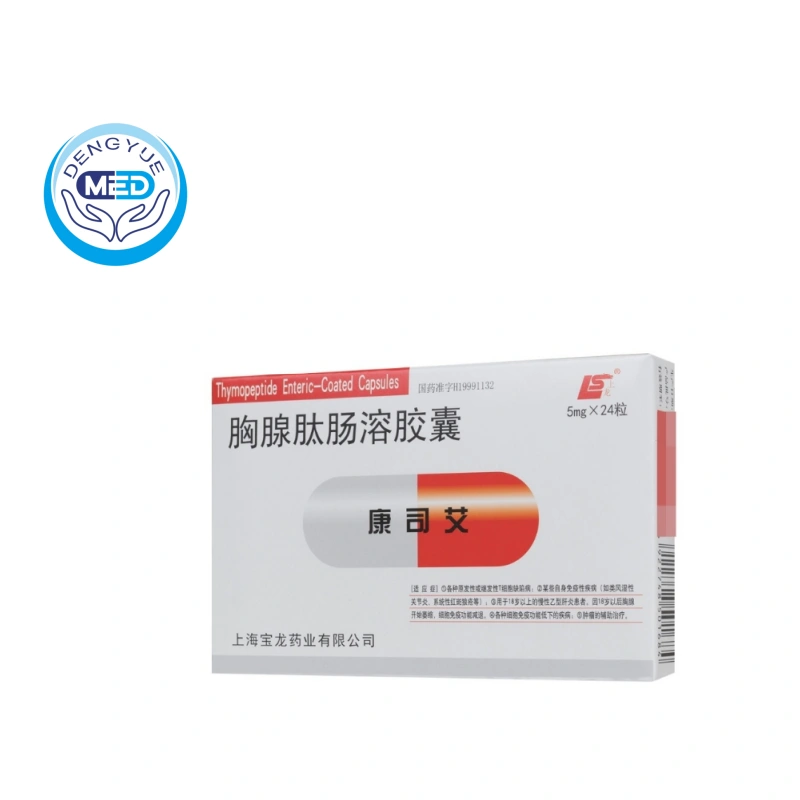
Thymopeptide Enteric-Coated Capsules
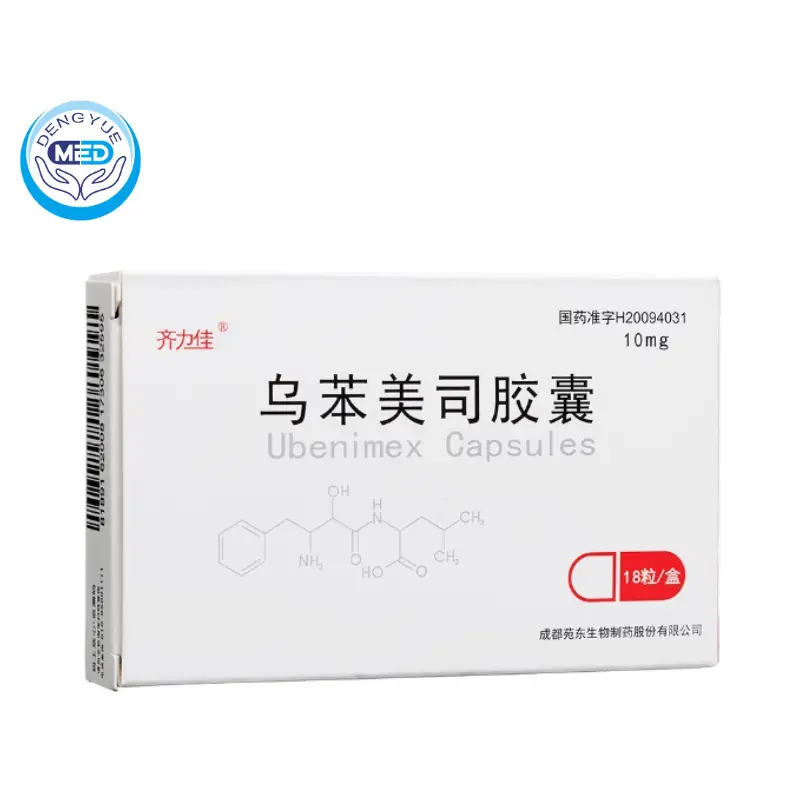
Ubenimex Capsules | Anti-Cancer Chemotherapy

Proglycem Diazoxide | Hyperinsulinemic Hypoglycemia | DengYueMedicine
Likating (Iodine131I Metuximab) – HCC | HongKong DengYue Medicine
Reviews
There are no reviews yet.