

Sulanda (Surufatinib) – NETs | HongKong DengYue Medicine
- Generic Name/Brand Name: Surufatinib / Sulanda
- Indications: Non-pancreatic/Pancreatic NETs
- Dosage Form: Oral capsule
- Specification: 50 mg × 28 capsules
Surufatinib Application Scope
Surufatinib is indicated for the treatment of adult patients with locally advanced or metastatic, well‐differentiated (Grade 1 or 2) neuroendocrine tumors (NETs) whose disease has progressed, including:
• Pancreatic NETs (pNETs)
• Non‐pancreatic (extrapancreatic) NETs

Surufatinib Characteristics
-
Ingredients: Surufatinib
-
Properties: Oral capsule
-
Packaging Specification: Available as capsules. Common strengths include 50mg and 100 mg
-
Storage: Store sealed at room temperature. Keep the container tightly closed. Protect from light, moisture, and excessive heat
-
Expiry Date: The shelf life is 18 months. Always check the expiration date printed on the packaging before use
-
Executive Standard: The specific executive standard should be verified on the official package insert or drug approval documents
-
Approval Number: The drug approval number is specific to each region and batch
-
Date of Revision: The latest revision date of the prescribing information can be found on the official package insert or the website of the national drug regulatory authority
-
Manufacturer: Hutchison Whampoa Pharma (Shanghai) Co., Ltd.
Guidelines for the Use of Surufatinib
-
Dosage and Administration:
-
Recommended Dose: 300 mg orally once daily (QD), continuous dosing in 28-day cycles, until disease progression or unacceptable toxicity.
-
Administration: Swallow capsules whole; can be with or without food unless label indicates otherwise.
-
Missed Dose: If a dose is missed, take as soon as remembered on the same day; do not double the next dose. If close to next scheduled dose, skip the missed dose. (These are typical practices; your local label should confirm.
-
-
Adverse Reactions:
-
Common Adverse Reactions: Hypertension, proteinuria, diarrhea, decreased appetite, fatigue, elevated liver enzymes, hypothyroidism, and other digestive tract upsets.
-
Serious Adverse Reactions: Hypertension (severe); proteinuria; severe diarrhea; risk of renal impairment; serious hepatic adverse events; some treatment‐related deaths were reported in clinical trials. In SANET-ep / SANET-p, grade ≥3 hypertension and proteinuria were among the most frequent severe AEs.
-
-
Contraindications: Known hypersensitivity to surufatinib or any of its components. Other contraindications (e.g. severe hepatic or renal impairment, pregnancy) will depend on local label
-
Precautions:
-
Hypertension: Monitor blood pressure regularly during treatment. Manage hypertension with appropriate antihypertensive therapy; interrupt or adjust surufatinib dose if necessary.
-
Proteinuria: Monitor urine protein periodically. Interrupt therapy and/or adjust dose for significant proteinuria.
-
Hepatic Toxicity: Monitor liver function tests (ALT, AST, bilirubin) during treatment. Dose interruption or adjustment may be required for severe impairment.
-
Bleeding Events: The drug is contraindicated in patients with severe active bleeding. Use with caution in patients at risk for bleeding.
-
Wound Healing: Potential impact on wound healing. Temporarily interrupt therapy prior to elective surgery.
-
Hepatic and Renal Impairment:
-
No dose adjustment is recommended for patients with mild renal impairment. Use with caution in patients with moderate to severe renal impairment.
-
Use with caution and monitor closely in patients with mild to moderate hepatic impairment. Contraindicated in severe hepatic impairment.
-
-
Surufatinib Interactions
-
Surufatinib is primarily metabolized by CYP3A4/5. Avoid or use with caution when co-administering with strong CYP3A4/5 inhibitors (e.g., ketoconazole), inducers (e.g., rifampicin), or substrates; monitor closely for adverse reactions if concomitant use is necessary.
-
Surufatinib may inhibit transporters P-glycoprotein (P-gp) and Breast Cancer Resistance Protein (BCRP). Avoid or use with caution when co-administering with drugs that are substrates of P-gp or BCRP.
Note:
- If there is a new packaging for the drug, the new packaging shall prevail. The above information is sourced from DengYue Medicine.
- This content is for reference only. Prescription drugs must be used under a doctor’s guidance and purchased from authorized sources.
Related products
-

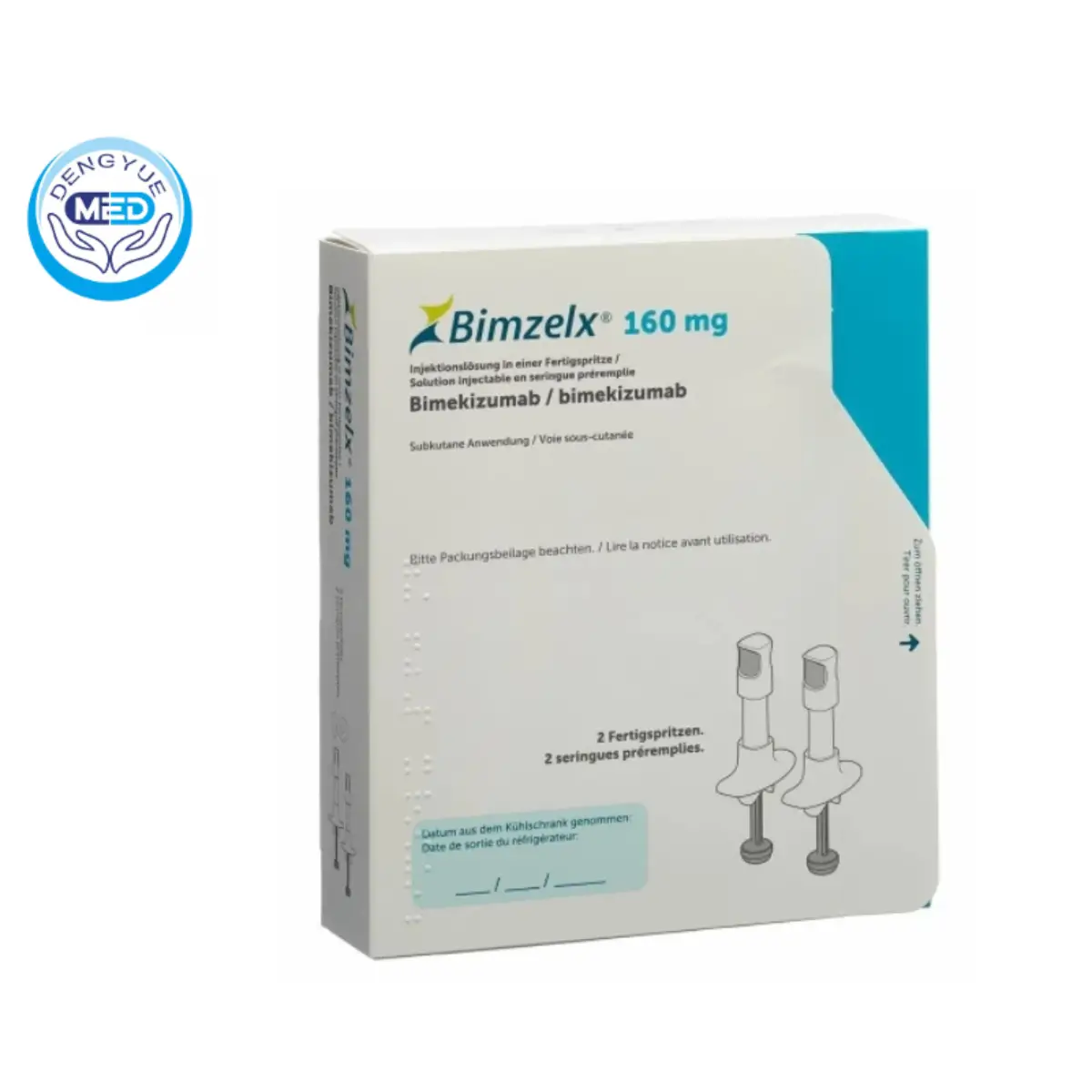
Bimekizumab|Osteoarthritis|HongKong DengYue Medicine
-

Nirogacestat|Fibroid Tumor|HongKong DengYue Medicine
-
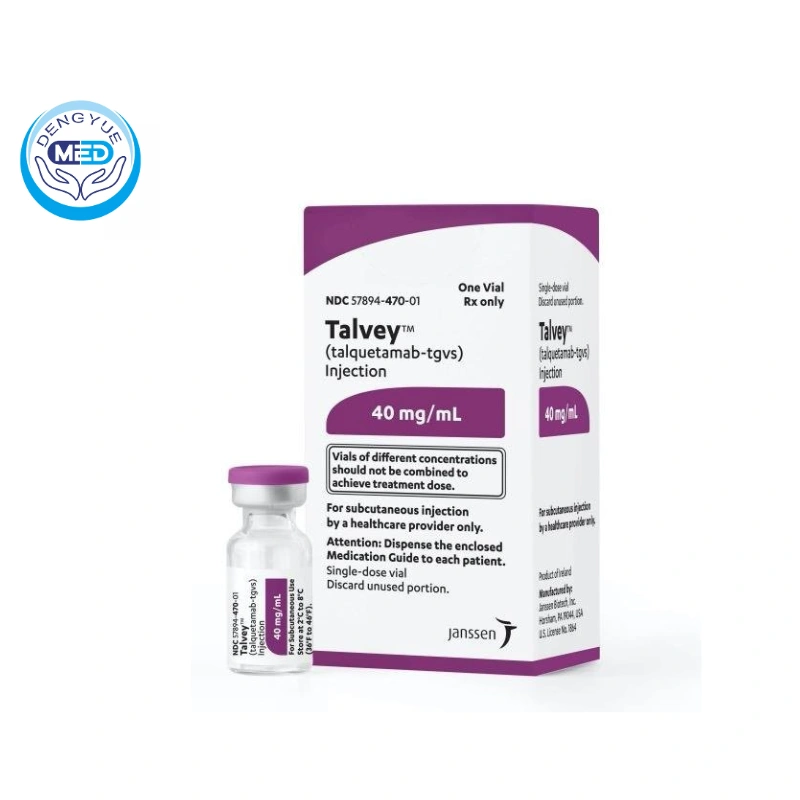
Talquetamab-tgvs|Multiple Myeloma|HongKong DengYue Medicine
-
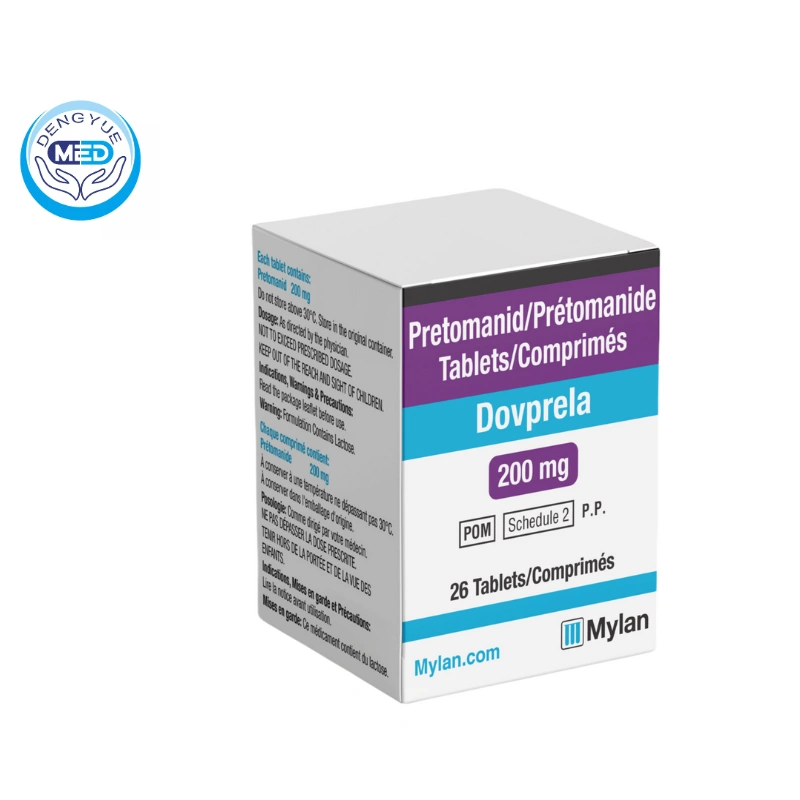
Pretomanid|Tuberculosis (TB)|HongKong DengYue Medicine
-
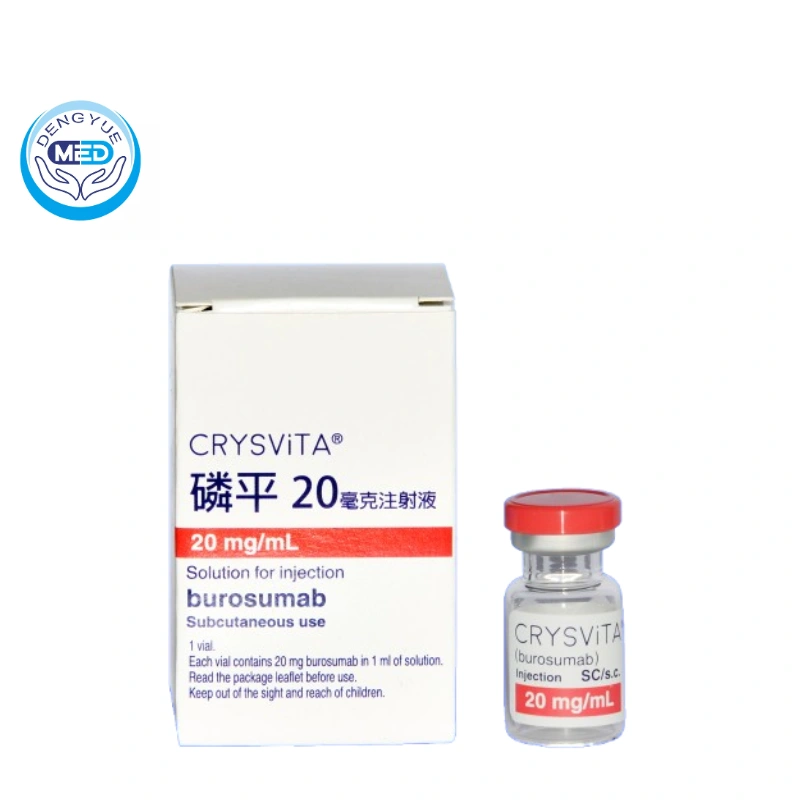
Crysvita Burosumab | X-linked Hypophosphatemia | DengYueMedicine
-
Cotelet (Tagitanlimab) | Nasopharyngeal Carcinoma | DengYue
-
Imetelstat For Injection|Myelodysplastic Syndromes|HongKong DengYue Medicine
-
Nitisinone Capsules | Hereditary Tyrosinemia Type 1

Reviews
There are no reviews yet.