
Sorafenib Tosylate Tablets | Thyroid cancer | HongKong DengYue Medicine
- Generic Name/Brand Name: Sorafenib Tosylate/Dorjimae
- Indications: Advanced renal cell carcinoma (RCC),Hepatocellular carcinoma (HCC),Thyroid cancer (for resistant cases)
- Dosage Form: Red Round Piece
- Specification: 0.2g
Sorafenib Tosylate Tablets Application Scope
Sorafenib Tosylate tablets are primarily used in the treatment of advanced or metastatic renal cell carcinoma (RCC) and hepatocellular carcinoma (HCC). It is a multikinase inhibitor that works by inhibiting multiple signaling pathways involved in tumor growth and angiogenesis.
Sorafenib targets Raf kinase and vascular endothelial growth factor receptor (VEGFR), which are critical for cancer cell proliferation and blood vessel formation. It is also used in the treatment of thyroid cancer in certain cases, typically in patients who are not candidates for surgery or radioiodine therapy.
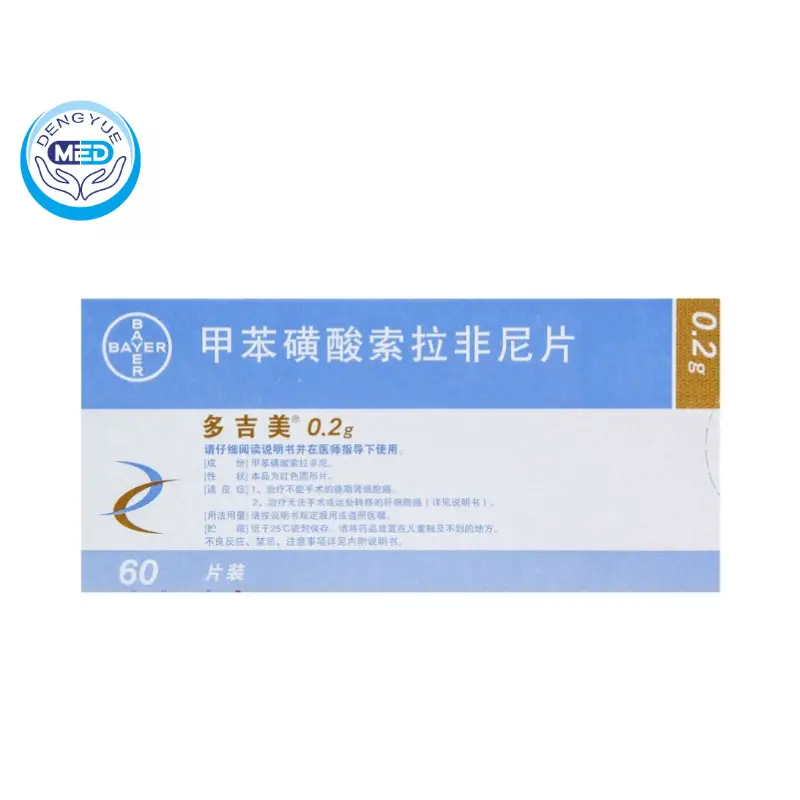
Sorafenib Tosylate Tablets Characteristics
- Ingredients: Sorafenib mesylate (active ingredient), excipients (microcrystalline cellulose, lactose, magnesium stearate, etc.)
- Characteristics: Anti-tumor, multikinase inhibitor
- Specification: 0.2g
- Packing specification: blister pack or bottle, 30 tablets per pack or other quantity
- Storage: store in a cool and dry place, avoid light. Keep this product out of the reach of children.
- Expiry date: 30 months
- Approval number: H20130137
Revision date: According to the latest drug insert.
Manufacturer: Ningbo Tianheng Pharmaceutical
Guidelines for the Use of Sorafenib Tosylate Tablets
- Dosage and Administration:
The recommended dose of Sorafenib Tosylate is typically 400 mg (taken as two 200 mg tablets) orally, twice daily, for most patients. The dosage can be adjusted based on the patient’s response and tolerance. The tablets should be taken on an empty stomach, at least 1 hour before or 2 hours after meals.- Dosage adjustment: In cases of severe side effects (e.g., skin rash, liver toxicity), the dosage may be reduced or temporarily interrupted.
- Duration of therapy: Continuous treatment is usually recommended, but it should be tailored based on the clinical response and tolerability.
- Adverse Reactions:
The most common side effects of Sorafenib Tosylate include:- Dermatologic: rash, hand-foot skin reaction, pruritus
- Gastrointestinal: diarrhea, nausea, loss of appetite, vomiting
- Hematologic: fatigue, anemia, thrombocytopenia (low platelet count)
- Cardiovascular: hypertension (high blood pressure)
- Hepatic: liver enzyme abnormalities, hepatic failure in rare cases
- Serious adverse effects include liver toxicity, gastrointestinal bleeding, and heart failure, though these are less common.
Sorafenib Tosylate Tablets Medication Limitations
- Contraindications:
Sorafenib Tosylate is contraindicated in patients with:- Known hypersensitivity to sorafenib or any excipient in the formulation.
- Severe hepatic impairment (Child-Pugh Class C)
- Severe bleeding disorders
- Pregnancy and lactation, as it may harm the fetus or infant. Women of childbearing age should use effective contraception during treatment.
- Cardiovascular risk: Sorafenib may increase blood pressure, so it is important to monitor blood pressure regularly.
- Hepatic function monitoring: Liver function tests should be performed regularly due to the risk of liver toxicity.
- Skin reactions: Sorafenib may cause skin toxicity, including hand-foot skin reactions, which can be severe. Patients should be advised to report any skin rashes or redness to their doctor.
- Renal function: Careful monitoring is advised in patients with pre-existing kidney problems.
Sorafenib Tosylate Tablets Drug Interactions
- Drug Interactions:
- CYP450 inducers/inhibitors: Sorafenib is metabolized by CYP3A4, so drugs that affect CYP3A4 activity (such as rifampin, ketoconazole, or grapefruit juice) may alter the effectiveness or toxicity of sorafenib.
- Anticoagulants: Caution is advised when used with anticoagulants, as Sorafenib may increase the risk of bleeding.
- Other chemotherapy agents: Sorafenib may interact with other anticancer treatments, including those that affect angiogenesis or blood vessel function.
Note:
- If there is a new packaging for the drug, the new packaging shall prevail. The above information is sourced from HongKong DengYue Medicine, China Drug Import and Export Wholesaler.
It is only for internal discussion among medical staff and does not serve as a basis for medication. For specific medication guidelines, please consult the attending physician.
Contact Us
Related products
-

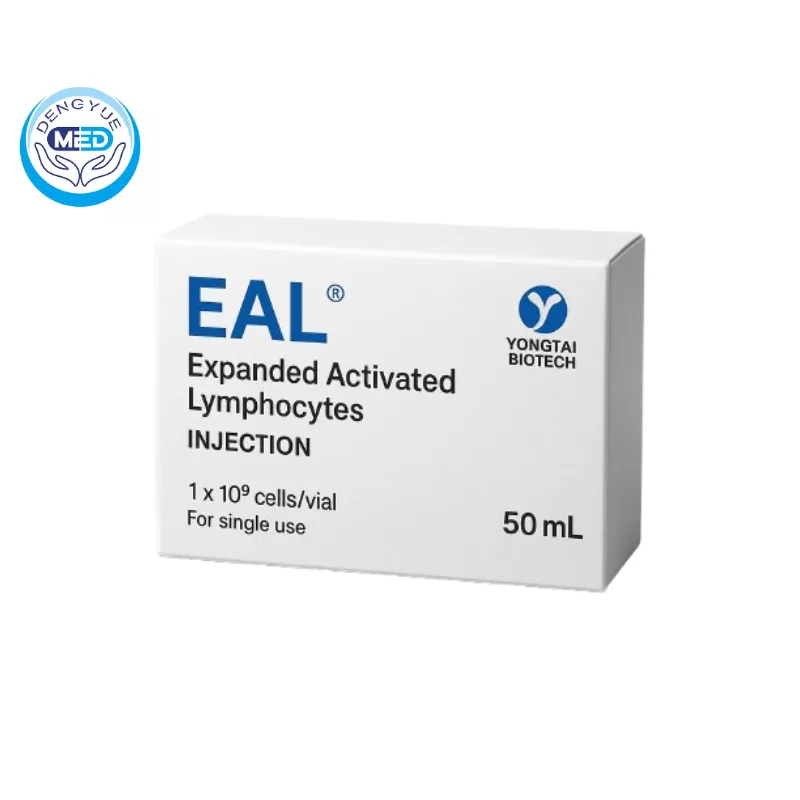
EAL (Expanded Activated Lymphocytes) – HCC | HongKong DengYue Medicine
-
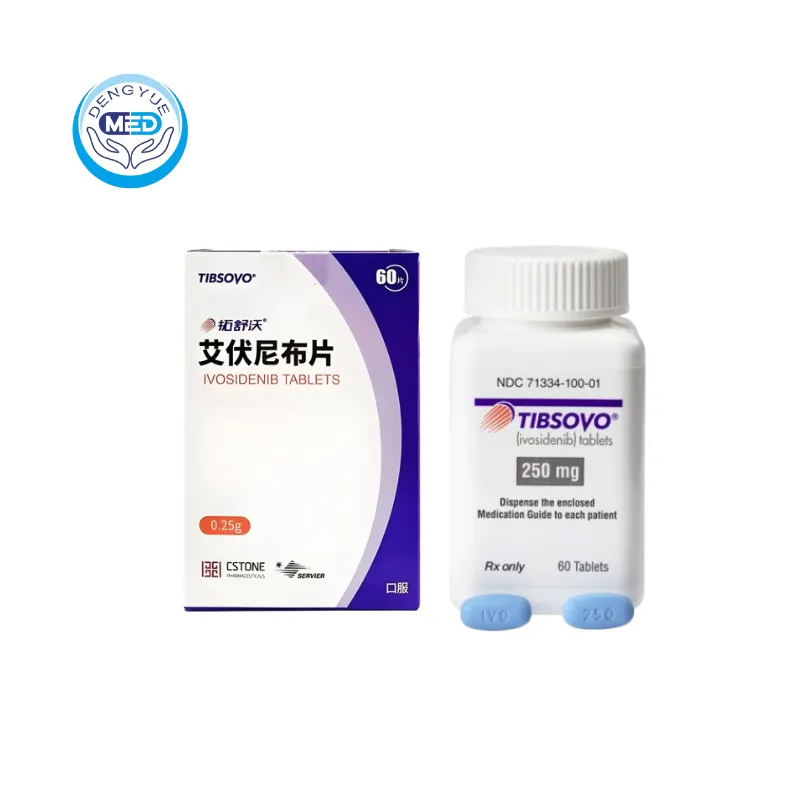
Tibsovo (Ivosidenib) – AML | HongKong DengYue Medicine
-
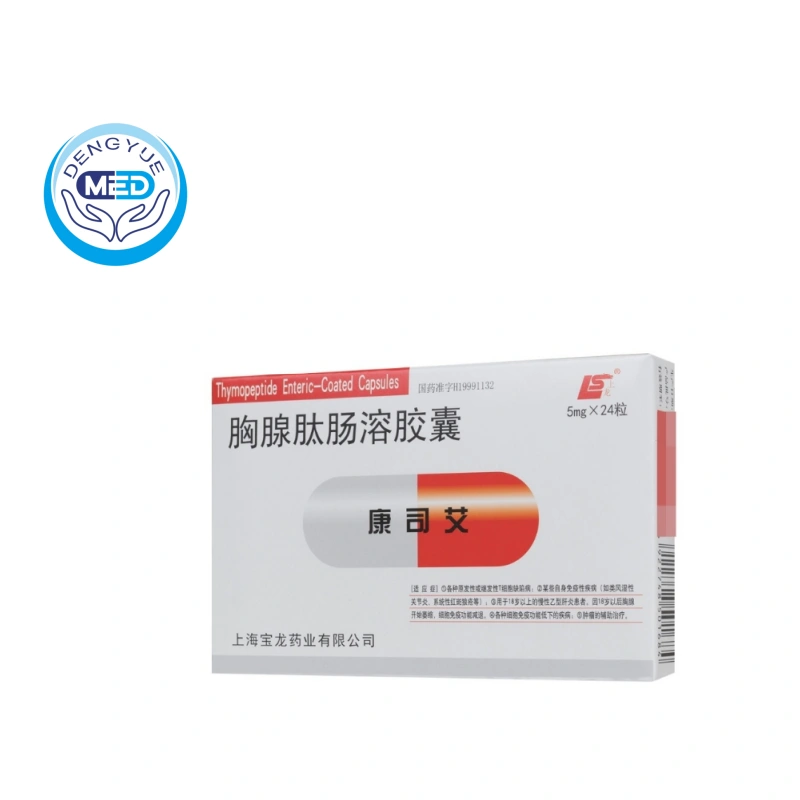
Thymopeptide Enteric-Coated Capsules
-
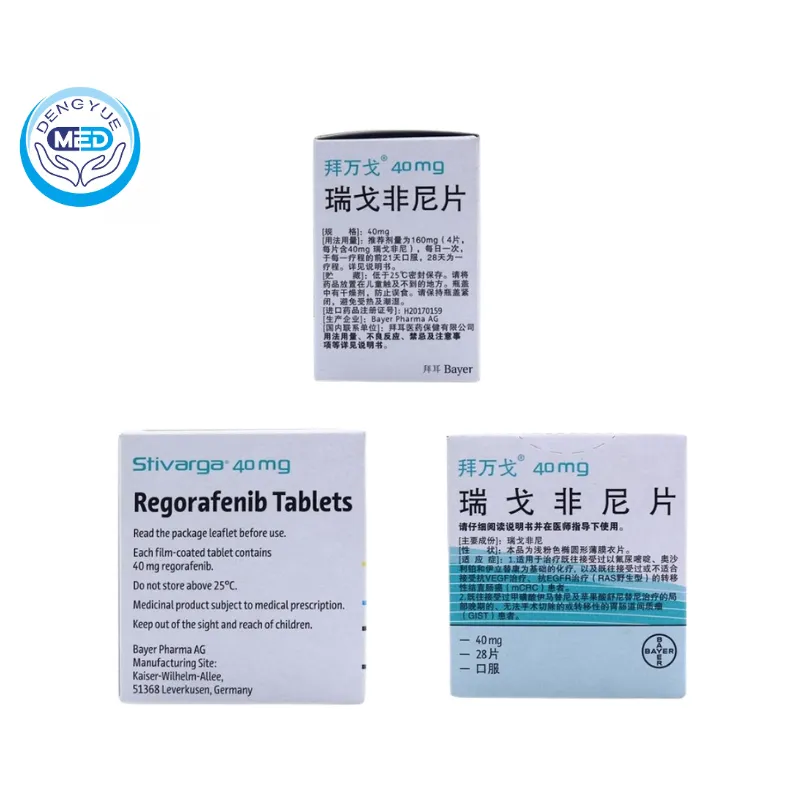
Stivarga (Regorafenib) – Colorectal cancer | HongKong DengYue Medicine
-
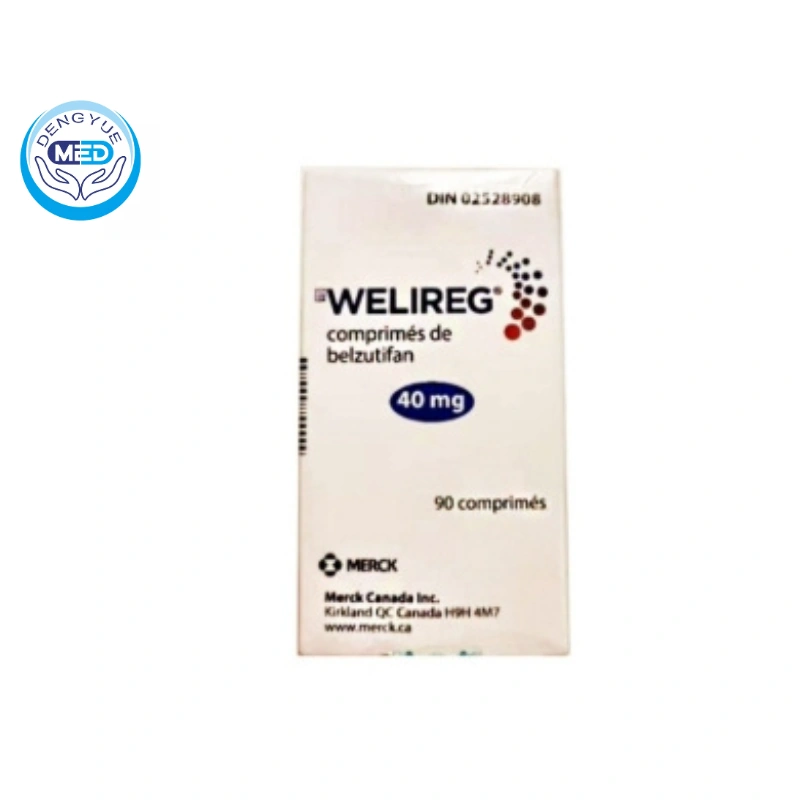
Belzutifan|Kidney Cancer|HongKong DengYue Medicine
-
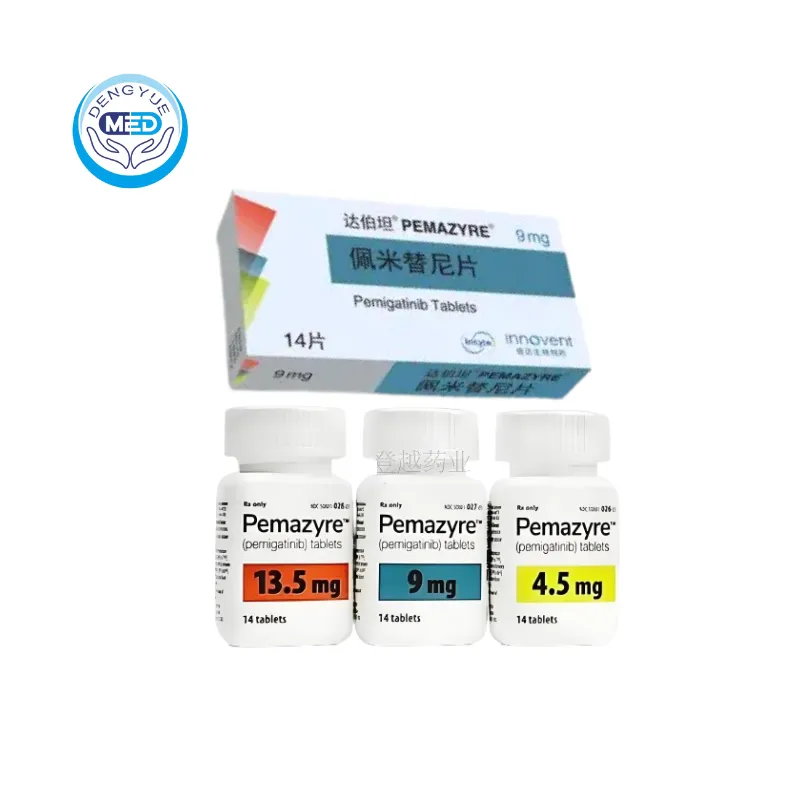
Pemazyre (Pemigatinib) – Cholangiocarcinoma | HongKong DengYue Medicine
-
Caprelsa (Vandetanib) – MTC | HongKong DengYue Medicine
-
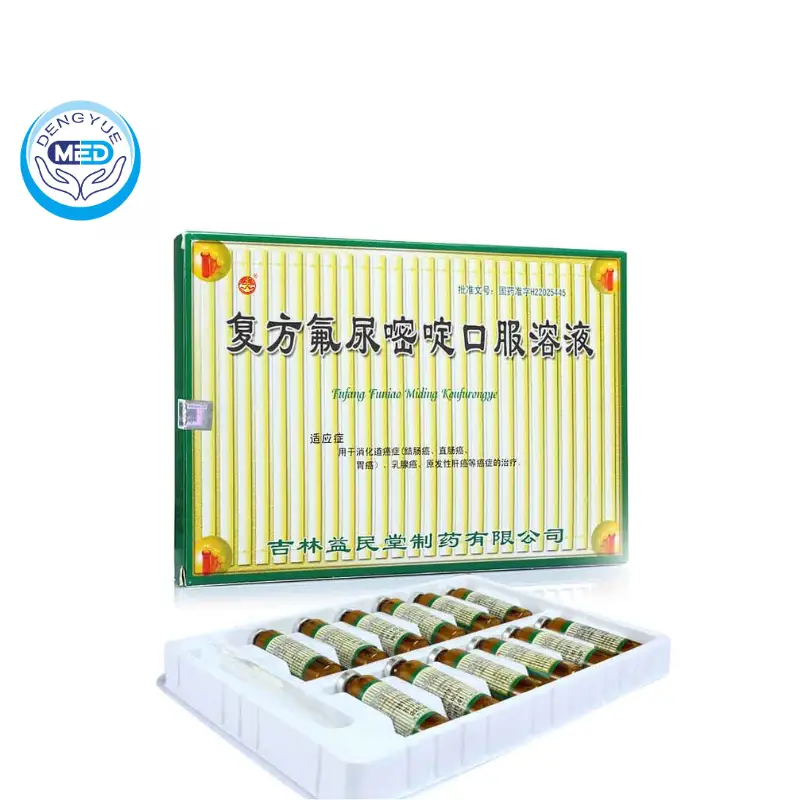
Compound Fluorouracil Oral Solution

Reviews
There are no reviews yet.