
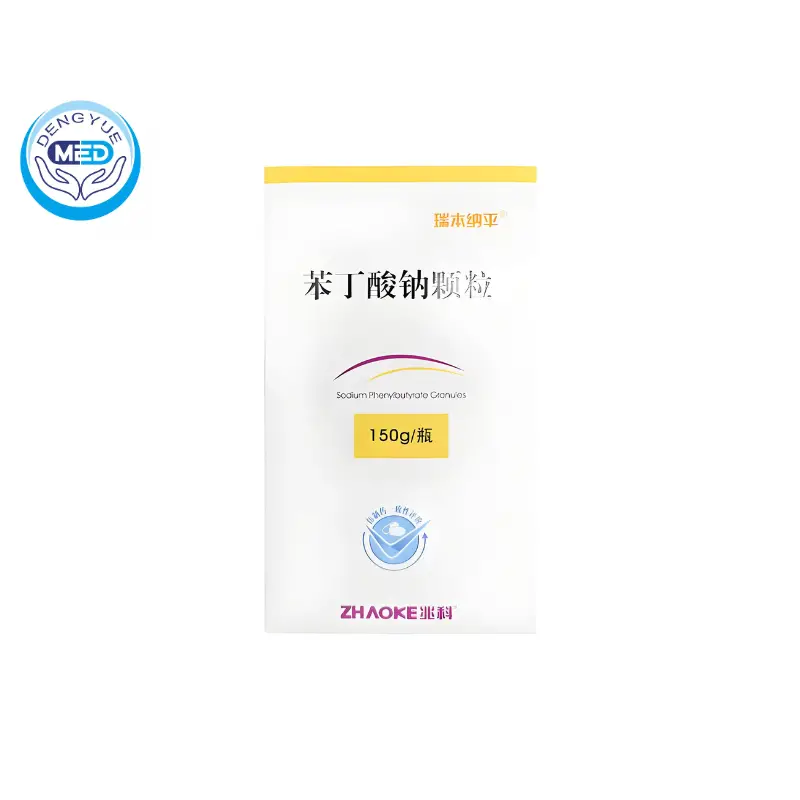
Sodium Phenylbutyrate Granules | Urea Cycle Disorders
- Generic Name/Brand Name: Sodium Phenylbutyrate Granules/ ZhaoKe
- Indications: Urea cycle disorders, hyperammonemia,carbamoyl-phosphate synthetase 1 (CPS1), ornithine transcarbamylase (OTC), or argininosuccinate synthetase (ASS1)
- Dosage Form: Granules
- Specification: 150g/bottle
Sodium Phenylbutyrate Granules Application Scope
Sodium phenylbutyrate granules are used in the treatment of urea cycle disorders (UCDs) and other conditions involving ammonia buildup, such as hyperammonemia, especially in patients with deficiencies in enzymes like carbamoyl-phosphate synthetase 1 (CPS1), ornithine transcarbamylase (OTC), or argininosuccinate synthetase (ASS1). It is also utilized as an adjunctive therapy in certain metabolic disorders, such as cystic fibrosis.
Sodium Phenylbutyrate Granules Characteristics
- Ingredients: Sodium phenylbutyrate
- Properties: Sodium phenylbutyrate acts as an ammonia scavenger by increasing the production of phenylacetate, which combines with glutamine to form phenylacetylglutamine, excreted in urine, thereby reducing toxic ammonia levels in the blood.
- Specification: Typically 500 mg, 1 g per dose (specific specifications may vary depending on the product)
Packaging Specification:
- 500 mg per packet (or 1 g per packet), usually 30 packets per box.
Storage:
- Store in a cool, dry place, away from direct sunlight, at a temperature below 25°C.
Expiry Date:
- Usually 24 months from the manufacturing date (check packaging for specific expiration details).
Executive Standard:
- Pharmacopoeia or National Standard (specific to the country of origin).
Approval Number:
- This would be specific to the country or regulatory body approving the drug (e.g., FDA approval number or equivalent).
Date of Revision:
- This is the date when the most recent product information was revised.
Manufacturer:
- This would be the pharmaceutical company producing the drug (e.g., Horizon Therapeutics or any other manufacturer depending on the region).
Guidelines For The Use Of Sodium Phenylbutyrate Granules
- Dosage and Administration:
- For patients with urea cycle disorders, the dosage is typically based on the patient’s weight and ammonia levels, with a starting dose often ranging from 250 mg/kg/day to 500 mg/kg/day, divided into 2–3 doses per day. Specific dosing should be adjusted based on medical recommendations.
- The granules should be mixed with food or liquids for easier consumption.
- Adverse Reactions:
- Common side effects may include gastrointestinal issues (nausea, diarrhea), headache, and fatigue.
- Rare side effects may include elevated liver enzymes, hepatotoxicity, or other liver function abnormalities.
- Hypersensitivity reactions, including skin rashes or swelling, have also been reported.
Medication Limitations
- Contraindications:
- Contraindicated in patients with known hypersensitivity to sodium phenylbutyrate or any of the excipients.
- Not recommended for patients with certain liver diseases, as the drug may worsen liver dysfunction.
- Precautions:
- Use with caution in patients with pre-existing liver or kidney disease. Regular monitoring of liver function tests and ammonia levels is essential during treatment.
- Careful dosing is necessary in pediatric patients and adults with severely impaired renal function.
Sodium Phenylbutyrate Granules Interactions
- Drug Interactions:
- Sodium phenylbutyrate may interact with drugs that affect liver function or the cytochrome P450 enzyme system, such as certain anticonvulsants or corticosteroids.
- Use caution when combining with medications that may alter ammonia metabolism or exacerbate metabolic disorders.
Note:
- If there is a new packaging for the drug, the new packaging shall prevail. The above information is sourced from DengYueMed. It is only for internal discussion among medical staff and does not serve as a basis for medication. For specific medication guidelines, please consult the attending physician.
Contact Us
Related products
-

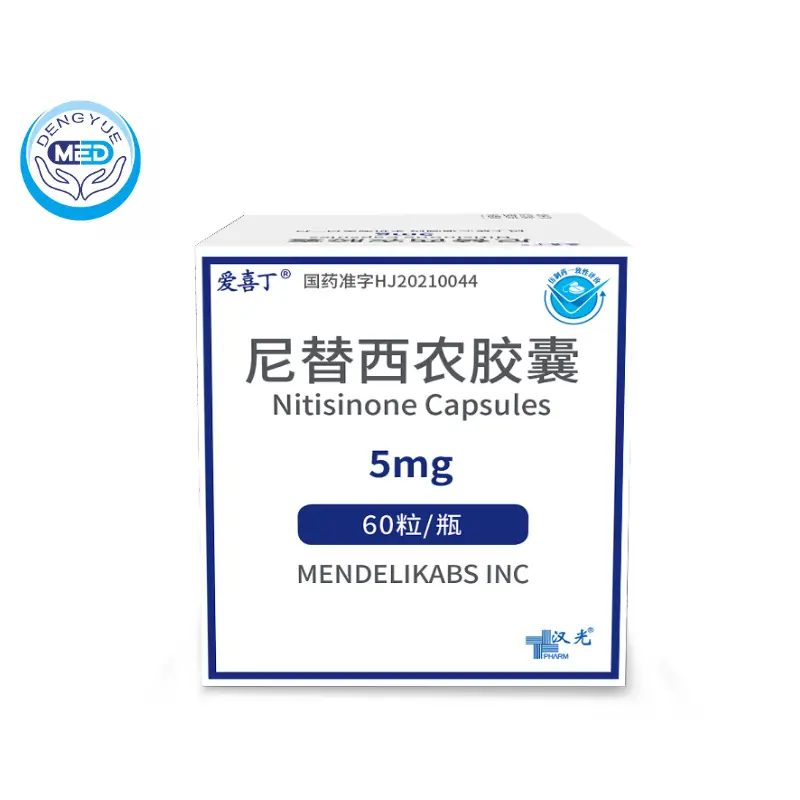
Nitisinone Capsules | Hereditary Tyrosinemia Type 1
-

Nusinersen Injection – Spinal Muscular Atrophy
-
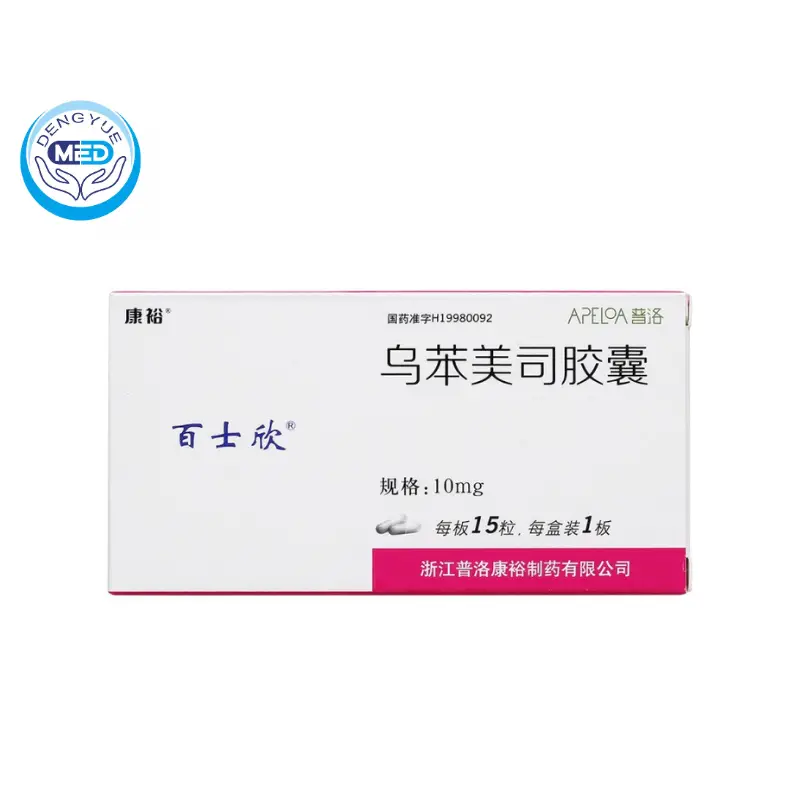
Ubenimex Capsules|Enhancement of immune function
-
Spesolimab Injection | Psoriatic Arthritis Treatment
-
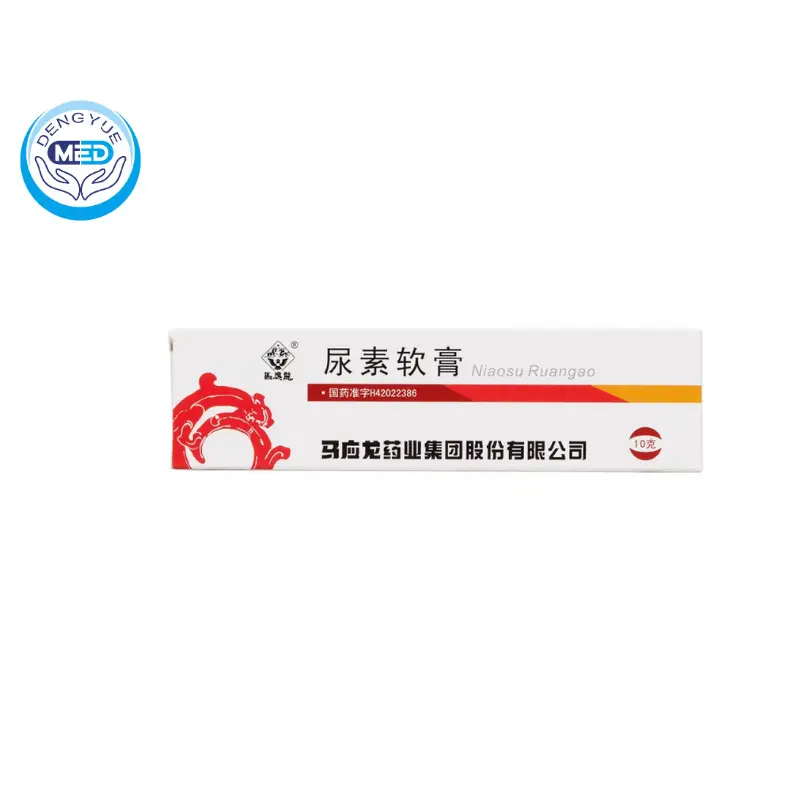
Marinolone Urea Ointment | Chapped Hands And Feet | HK DengYueMedicine
-
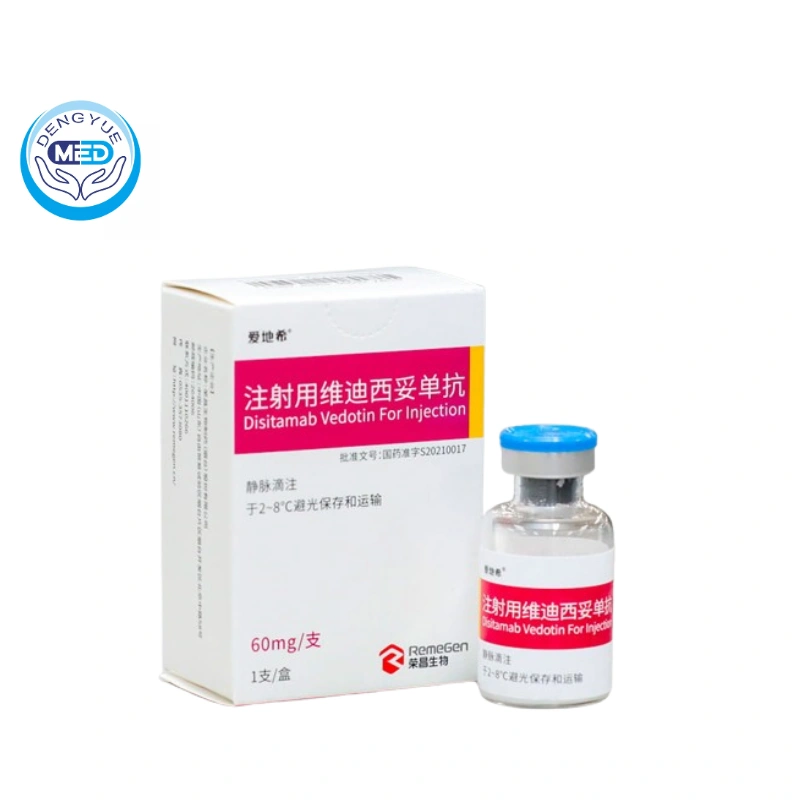
Aidixi Disitamab Vedotin Of Injection | HER2-Overexpressing | DengYueMedicine
-
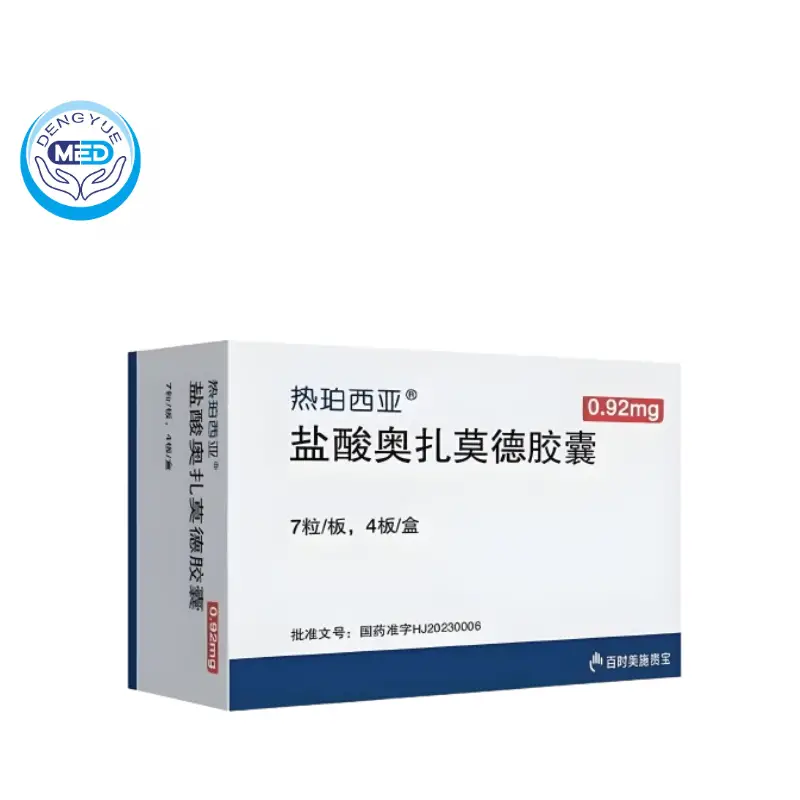
Ozamode/Ozanimod Hydrochloride Capsules
-
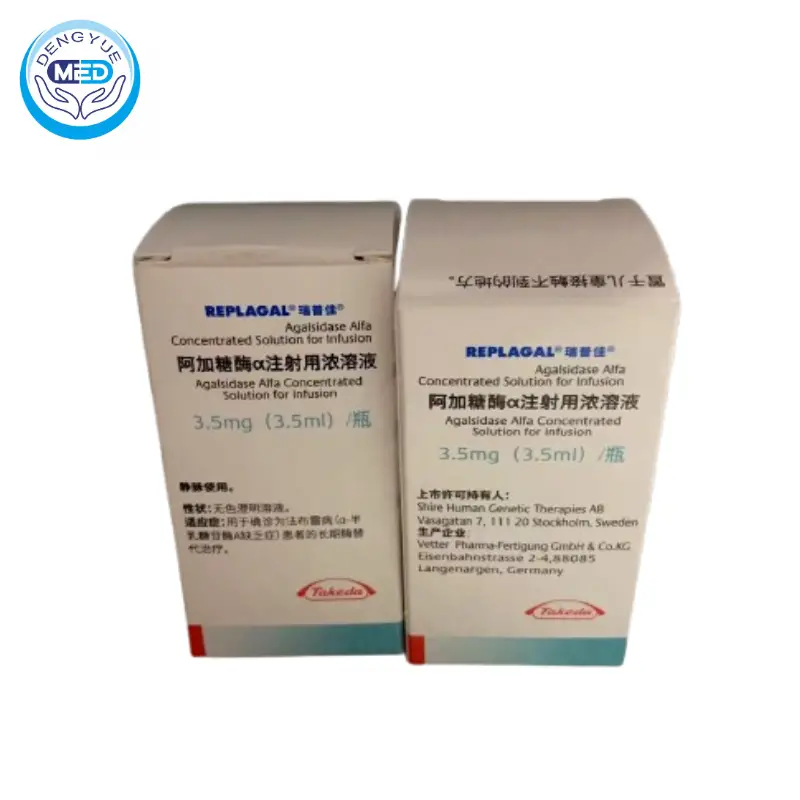
Agalsidase Alfa | Anti Fabry Disease


Reviews
There are no reviews yet.