
Simulect (Basiliximab) – Renal Transplantation | HongKong DengYue Medicine
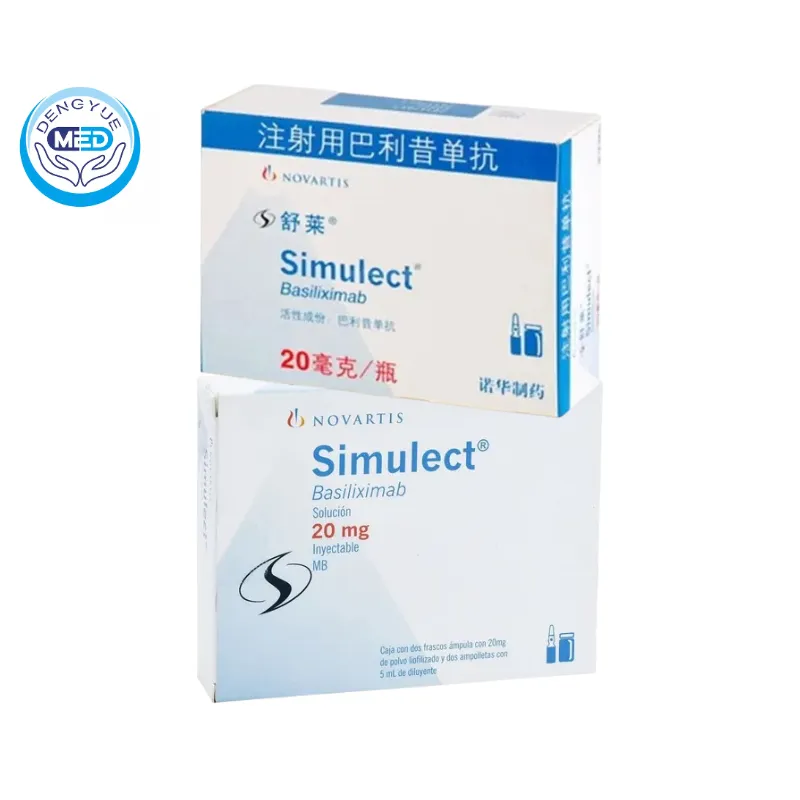
- Generic Name/Brand Name: Basiliximab/Simulect
- Indications: Renal transplantation
- Dosage Form: Injection
- Specification: 20 mg × 1 vial
Basiliximab Application Scope
Basiliximab is indicated for the prophylaxis of acute organ rejection in patients receiving renal transplantation. It is used as part of an immunosuppressive regimen that includes cyclosporine and corticosteroids in adults and pediatric patients. Efficacy for other solid organ allografts has not been demonstrated.
Basiliximab Characteristics
-
Ingredients: Active ingredient: Basiliximab (chimeric murine/human monoclonal antibody, IgG1κ). Inactive ingredients (excipients for 20 mg vial): Dibasic sodium phosphate anhydrous (0.99 mg), glycine (40.1 mg), mannitol (80.1 mg), monobasic potassium phosphate (7.22 mg), sodium chloride (1.61 mg), sucrose (20 mg).
-
Properties: Sterile, preservative-free lyophilized white powder for reconstitution. Reconstituted solution is clear to opalescent, colorless, and isotonic. It functions as an interleukin-2 receptor antagonist by binding to the CD25 antigen on activated T-lymphocytes, preventing IL-2-mediated proliferation and activation involved in allograft rejection.
-
Packaging Specification: Available as single-dose vials containing 10 mg or 20 mg of basiliximab lyophilized powder. The 20 mg vial is supplied with or without a 5 mL ampoule of sterile water for injection. Vials are colorless type I glass with gray fluor-resin coated butyl rubber stopper, aluminum band, and polypropylene cap.
-
Storage: Store refrigerated at 2°C to 8°C (36°F to 46°F). Protect from light. After reconstitution, use immediately; if not, store at 2°C to 8°C for up to 24 hours or at room temperature for up to 4 hours. Discard if not used within 24 hours.
-
Expiry Date: Shelf life is 3 years from the date of manufacture when stored as recommended.
-
Executive Standard: Manufactured in compliance with current Good Manufacturing Practices (cGMP) and approved under biologic license application standards by regulatory authorities such as FDA and EMA.
-
Approval Number: US FDA: BLA 103764. EU: EU/1/98/084/001 (20 mg powder and solvent), EU/1/98/084/004 (20 mg powder only), EU/1/98/084/002 (10 mg powder and solvent), EU/1/98/084/003 (10 mg powder only).
-
Date of Revision: US Prescribing Information: July 2018 (latest available in sources). EMA Product Information: Latest renewal October 9, 2008 (document current as of extraction).
-
Manufacturer: Novartis Pharmaceuticals Corporation
Guidelines for the Use of Basiliximab
-
Dosage and Administration:
-
Recommended Dose: Adults and pediatric patients ≥35 kg: Two doses of 20 mg each (total 40 mg). Pediatric patients <35 kg: Two doses of 10 mg each (total 20 mg). First dose: Administer within 2 hours prior to transplantation surgery. Second dose: Administer 4 days after transplantation. Withhold second dose if severe hypersensitivity reactions or graft loss occur.
-
Administration: For intravenous use only (bolus injection or infusion). Reconstitute with sterile water for injection (2.5 mL for 10 mg vial; 5 mL for 20 mg vial) using aseptic technique; shake gently to dissolve. Inspect for particulates or discoloration—do not use if present. May administer as bolus or dilute to ≥25 mL (10 mg) or ≥50 mL (20 mg) with 0.9% sodium chloride or 5% dextrose and infuse over 20-30 minutes. Use a separate IV line; do not mix with other substances.
-
Missed Dose: The dosing regimen is time-specific to transplantation. If the second dose is missed (e.g., due to complications), it should not be administered later, as efficacy and safety data are based on the standard schedule. Consult physician for any deviations.
-
-
Adverse Reactions:
-
Common Adverse Reactions: Gastrointestinal: Constipation, nausea, abdominal pain, vomiting, diarrhea, dyspepsia. General: Pain, peripheral edema, fever, viral infection. Metabolic: Hyperkalemia, hypokalemia, hyperglycemia, hypercholesterolemia, hypophosphatemia, hyperuricemia. Urinary: Urinary tract infection. Respiratory: Dyspnea, upper respiratory tract infection. Skin: Surgical wound complications, acne. Cardiovascular: Hypertension. Nervous System: Headache, tremor, insomnia. Hematologic: Anemia. In pediatrics: Hypertrichosis, rhinitis, pyrexia, sepsis (in addition to above).
-
Serious Adverse Reactions: Hypersensitivity reactions (including anaphylaxis: hypotension, tachycardia, cardiac failure, dyspnea, wheezing, bronchospasm, pulmonary edema, respiratory failure, urticaria, rash, pruritus, sneezing, cytokine release syndrome). Infections (opportunistic, including CMV, BK virus; overall incidence similar to placebo but monitor due to immunosuppression). Malignancies (lymphoproliferative disorders, lymphoma; long-term risk from immunosuppression). Post-marketing: Capillary leak syndrome.
-
-
Contraindications: Known hypersensitivity to basiliximab or any excipients. Pregnancy and lactation (due to potential immunosuppressive effects on fetus/neonate).
-
Precautions:
-
Use only under supervision of physicians experienced in immunosuppression and organ transplant management, in facilities with adequate resources for hypersensitivity and infection management.
-
Monitor for hypersensitivity, especially on re-exposure (extreme caution if prior course given without full immunosuppression).
-
Increased risk of infections and malignancies; monitor accordingly. Avoid live vaccines; response to inactivated vaccines may be reduced.
-
Not recommended in heart transplantation due to higher cardiac adverse events in limited data.
-
Use effective contraception in women of childbearing potential during and for 4 months after therapy.
-
Elderly: No dosing adjustment, but caution with immunosuppressants.
-
Pediatrics: Safety profile consistent with adults; monitor immune response to antigens.
-
No long-term effects on immune system known; no impairment of fertility or carcinogenicity data from animal studies.
-
Basiliximab Interactions
-
No metabolic drug-drug interactions expected, as basiliximab is an immunoglobulin.
-
Concomitant use with other immunosuppressants (e.g., cyclosporine, corticosteroids, azathioprine, mycophenolate mofetil, ATG/ALG, muromonab-CD3) shows no increase in adverse reactions; clearance reduced by 22% with azathioprine and 51% with mycophenolate mofetil, but no clinical impact.
-
Human anti-murine antibody (HAMA) responses possible (1-4% incidence), but no effect on tolerability; does not preclude subsequent use of other murine antibodies.
-
Other medications (e.g., antivirals, antibacterials, analgesics, antihypertensives) used without issues in trials.
Note:
- If there is a new packaging for the drug, the new packaging shall prevail. The above information is sourced from DengYue Medicine.
- This content is for reference only. Prescription drugs must be used under a doctor’s guidance and purchased from authorized sources.
Related products
-

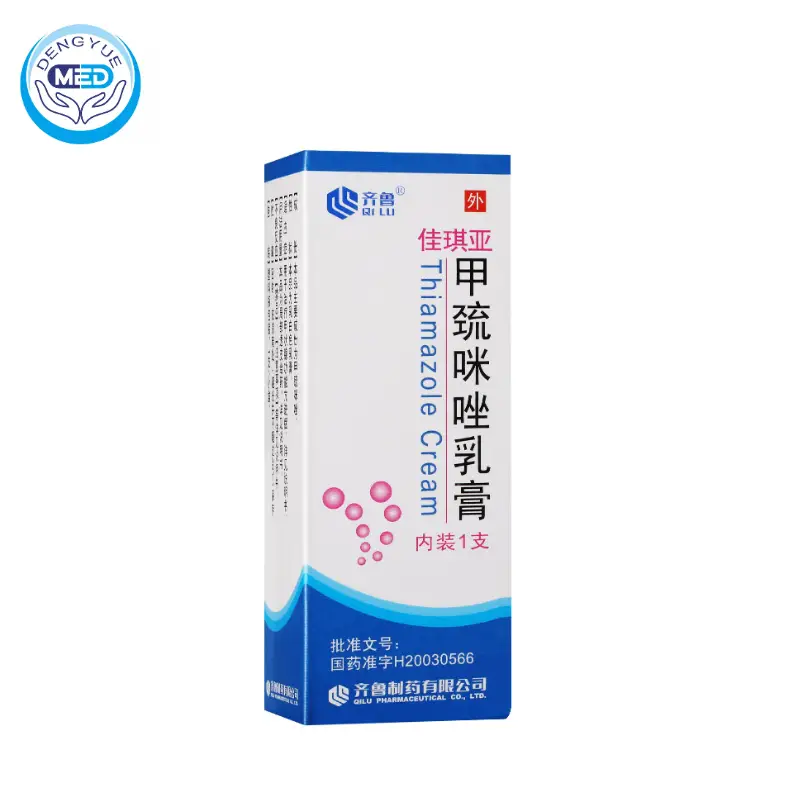
Thiamazole Cream | Anti Hyperthyroidism
-
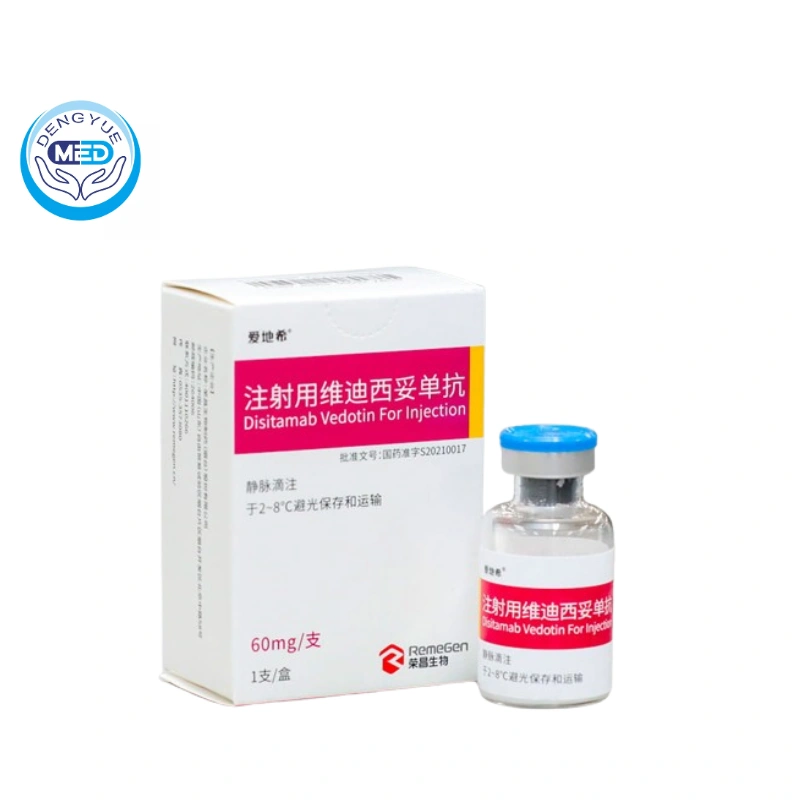
Aidixi Disitamab Vedotin Of Injection | HER2-Overexpressing | DengYueMedicine
-
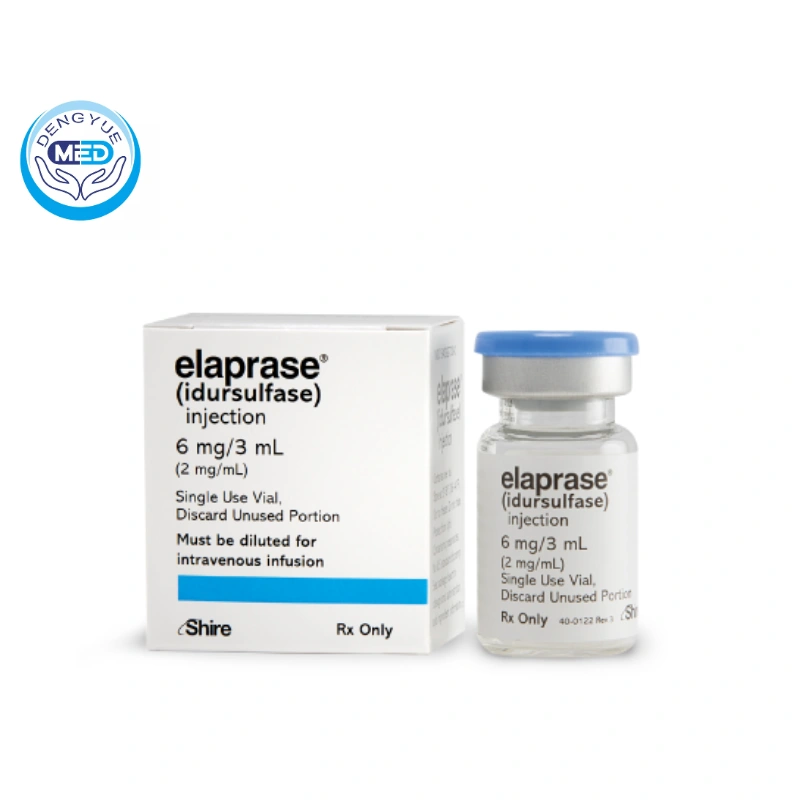
Elaprase Idursulfase | Mucopolysaccharidosis Type II | DengYueMedicine
-
Ozamode/Ozanimod Hydrochloride Capsules
-
Marinolone Urea Ointment | Chapped Hands And Feet | HK DengYueMedicine
-
Agalsidase Alfa | Anti Fabry Disease
-

Nusinersen Injection – Spinal Muscular Atrophy
-
Sirolimus Gel | Facial Angiofibroma

Reviews
There are no reviews yet.