
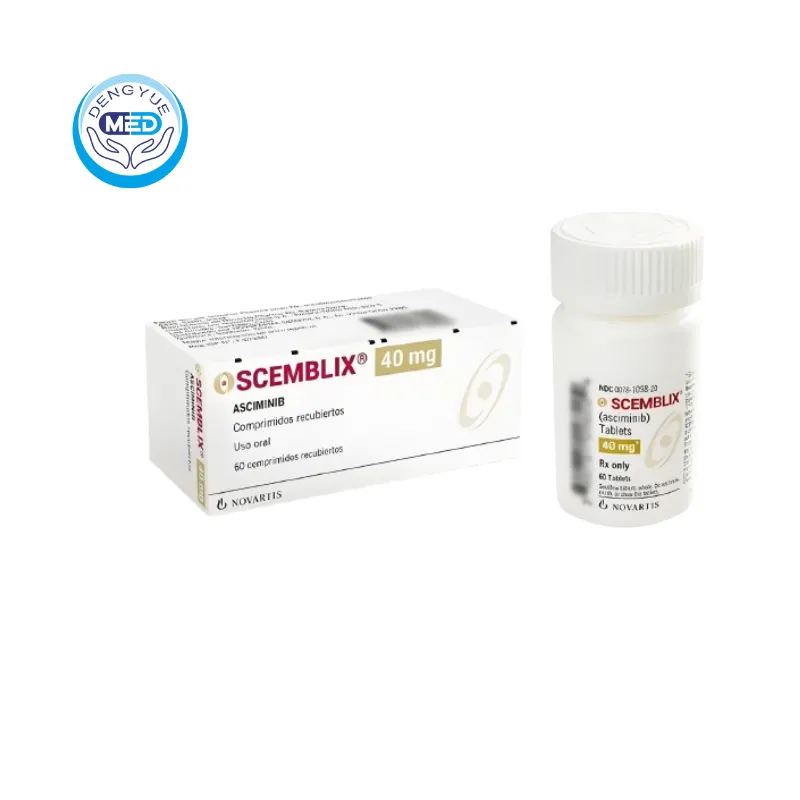
Scemblix (Asciminib) – CML | HongKong DengYue Medicine
- Generic Name/Brand Name: Asciminib / Scemblix®
- Indications: CML
- Dosage Form: Tablets
- Specification: 40 mg × 60 tablets/bottle
Asciminib Application Scope
It is a selective allosteric inhibitor of the BCR-ABL1 fusion protein indicated for adult patients with Philadelphia chromosome-positive chronic myeloid leukemia (Ph+ CML) in the chronic phase:
Patients previously treated with two or more tyrosine kinase inhibitors (TKIs)
Patients with the T315I mutation
It inhibits BCR-ABL1 kinase activity through binding the myristoyl pocket, blocking leukemic cell proliferation and disease progression.
Asciminib Characteristics
Ingredients: Asciminib monohydrate (active ingredient)
Properties: Oral solid dosage form; film-coated tablets
Packaging Specification: 40 mg × 60 tablets/bottle
Storage: Store at 20–25 °C; protect from moisture and light
Expiry Date: 24 months from manufacture
Executive Standard: Conforms to local drug quality standards
Approval Number: Refer to local regulatory authority
Date of Revision: As per latest prescribing information
Manufacturer: Novartis Pharmaceuticals
Guidelines for the Use of Scemblix
Dosage and Administration:
Recommended Dose: 40 mg orally twice daily (or 80 mg once daily for certain patients)
Administration: Take with or without food; swallow whole; do not crush or chew
Missed Dose: Take as soon as remembered unless it is almost time for the next dose; do not double dose
Adverse Reactions:
Common Adverse Reactions:
Fatigue
Nausea, vomiting, diarrhea
Headache
Rash
Musculoskeletal pain
Serious Adverse Reactions:
Myelosuppression (neutropenia, thrombocytopenia, anemia)
QT prolongation
Hepatotoxicity
Pancreatitis
Severe infections
Contraindications:
Hypersensitivity to asciminib or any excipients
Pregnancy and breastfeeding
Precautions:
Monitor complete blood count regularly
Monitor liver function tests
Assess ECG for QT interval prolongation
Adjust dose for hepatic impairment
Avoid strong CYP3A4 inhibitors or inducers
Asciminib Interactions
CYP3A4 inhibitors: may increase its exposure → monitor for toxicity
CYP3A4 inducers: may reduce efficacy → avoid if possible
Other QT-prolonging drugs: additive risk → monitor ECG
Note:
- If there is a new packaging for the drug, the new packaging shall prevail. The above information is sourced from DengYue Medicine.
- This content is for reference only. Prescription drugs must be used under a doctor’s guidance and purchased from authorized sources.
Related products

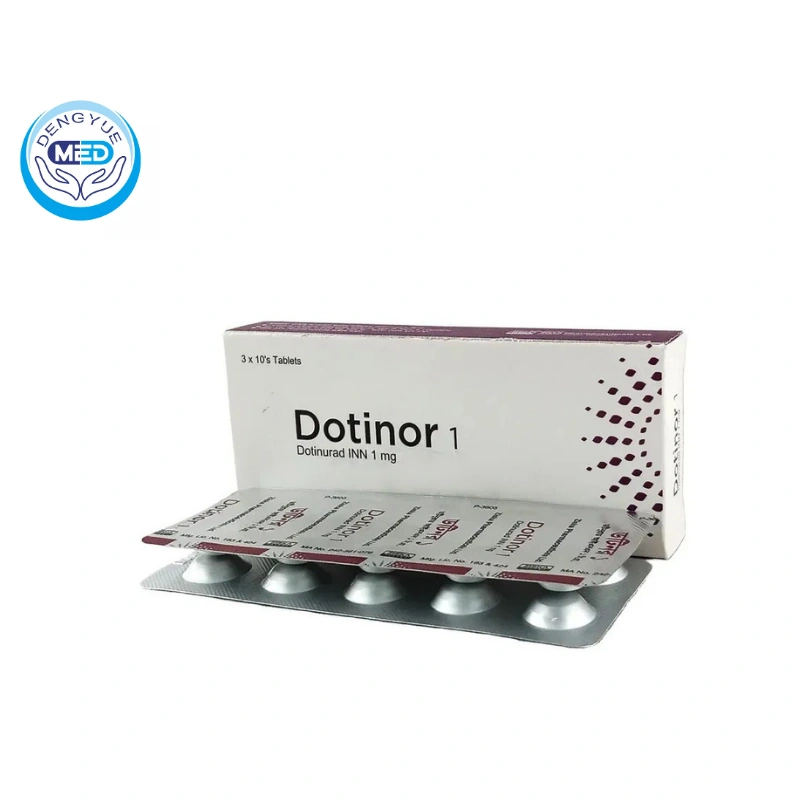
Dotinurad|Hyperuricemia|HongKong DengYue Medicine

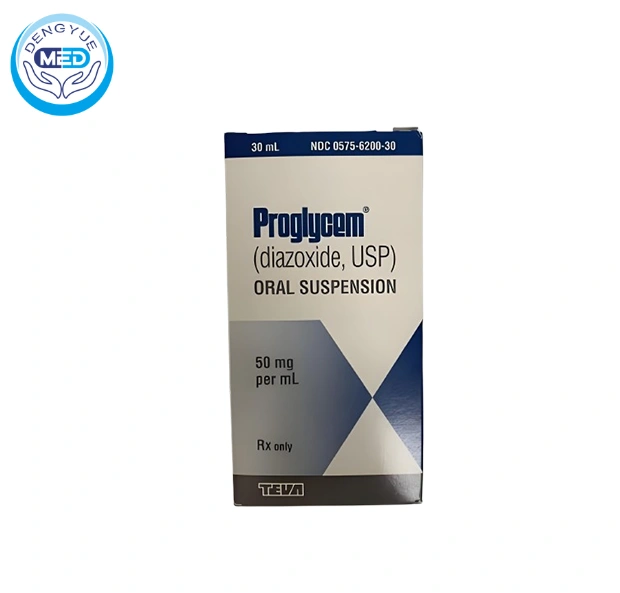
Proglycem Diazoxide | Hyperinsulinemic Hypoglycemia | DengYueMedicine

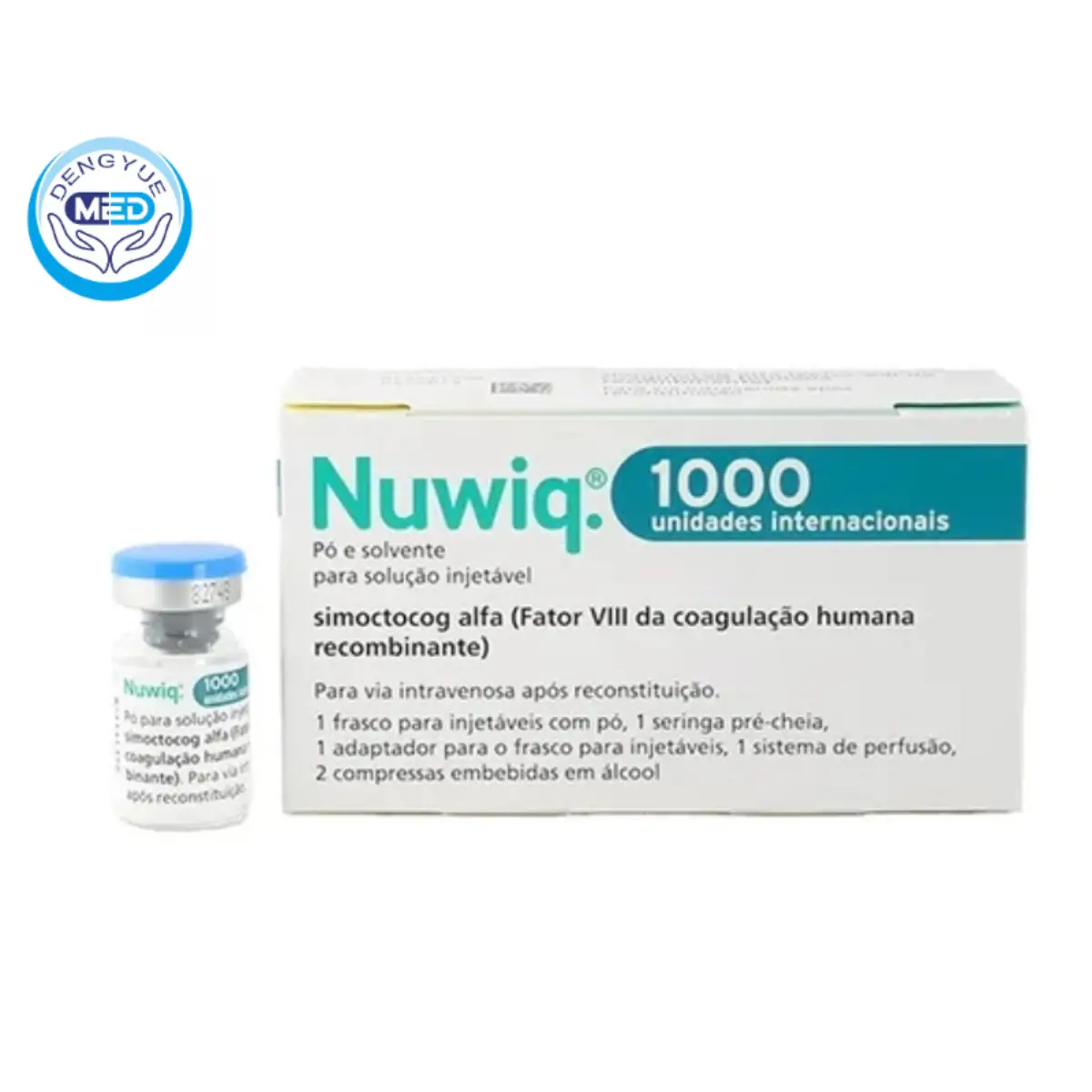
Simoctocog Alfa|Hemophilia A|HongKong DengYue Medicine
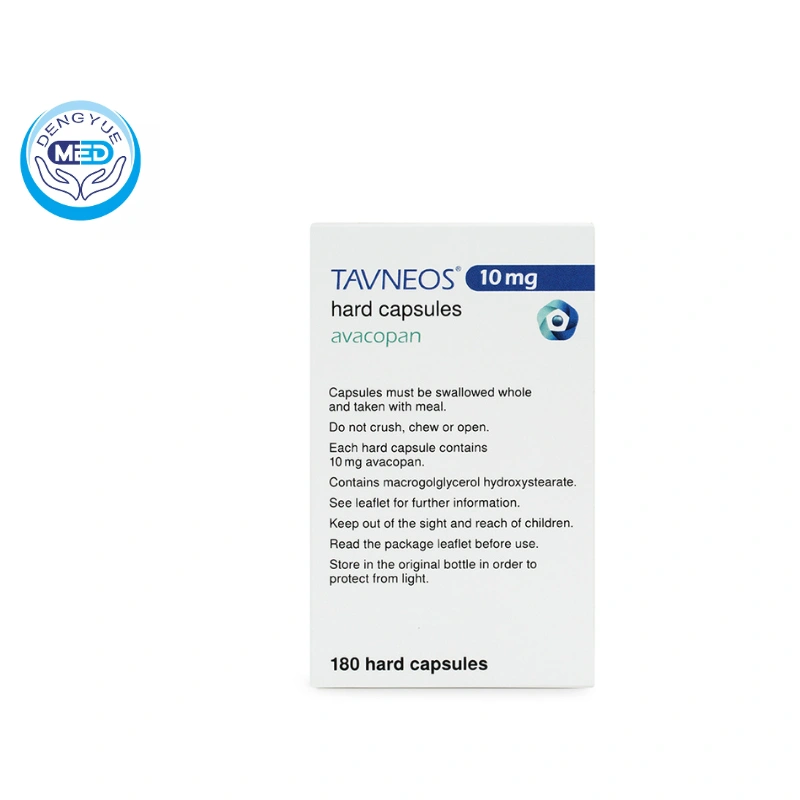
Avacopan|ANCA-Associated Vasculitis|HongKong DengYue Medicine
Vonicog Alfa|Hemophiliac|HongKong DengYue Medicine

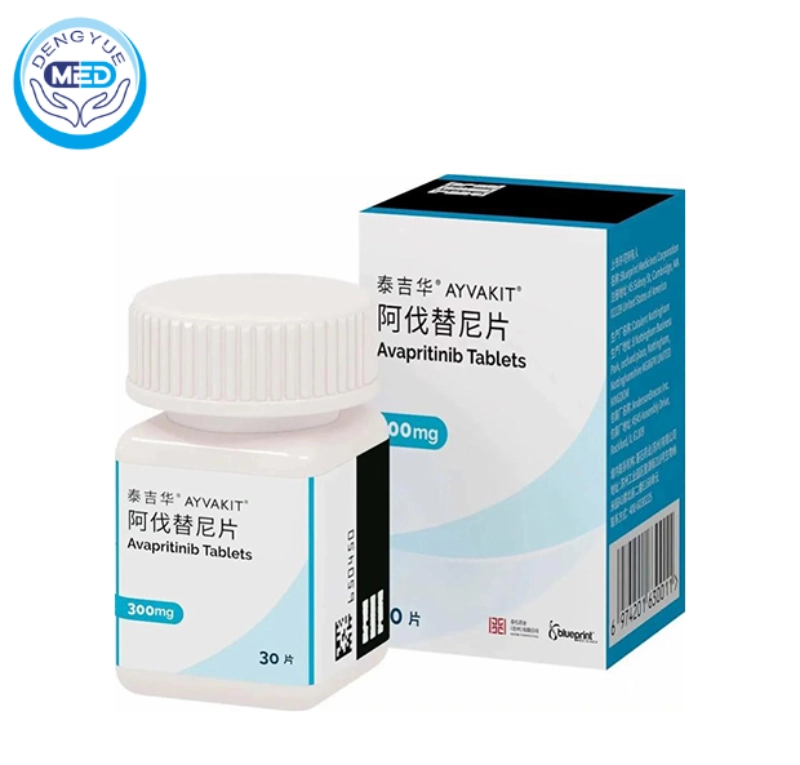
Ayvakit (Avapritinib) – Systemic Mastocytosis | HongKong DengYue Medicine
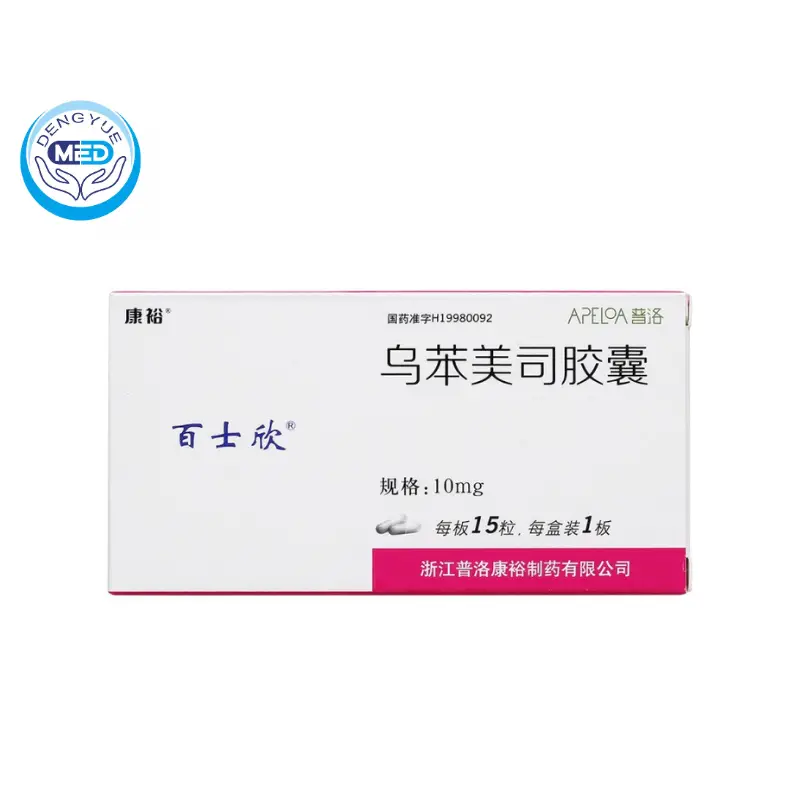
Ubenimex Capsules|Enhancement of immune function
Fludarabine Phosphate For Injection | Chronic Lymphocytic Leukemia


Reviews
There are no reviews yet.