
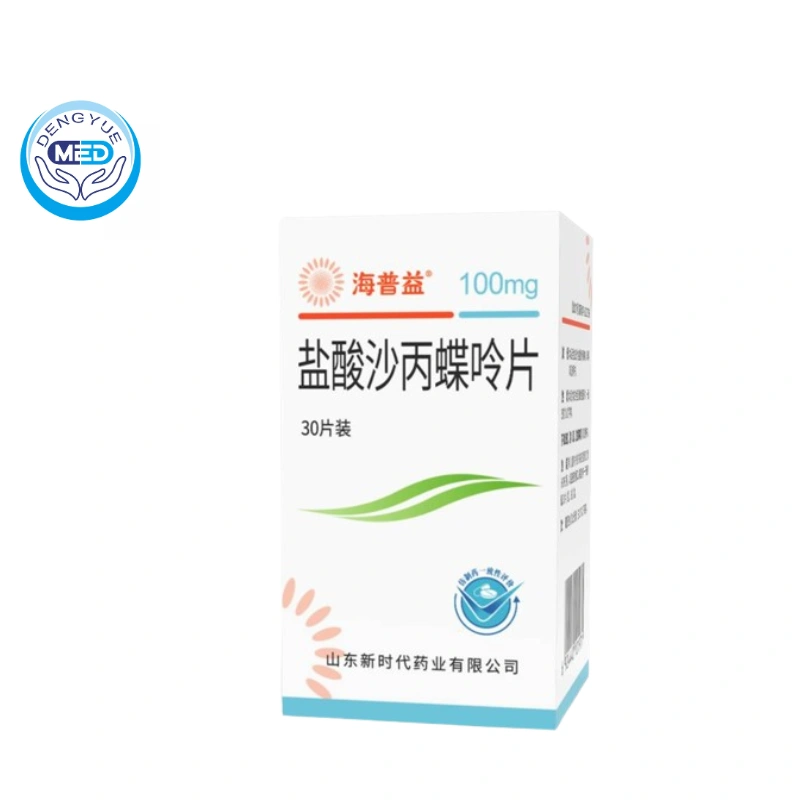
Sapropterin Dihydrochloride | Phenylketonuria | China Medicine Wholesaler
- Generic Name/Brand Name: Sapropterin Dihydrochloride/ Kuvan
- Indications: Phenylketonuria (PKU)
- Dosage Form: Oral Solution
- Specification:100 mg and 500 mg
Sapropterin Dihydrochloride Application Scope
Sapropterin Dihydrochloride is indicated for the treatment of phenylketonuria (phenylketonuria (PKU), a genetic disorder that leads to high levels of phenylalanine itetrahydrobiopterin (BH4), a natural cofactor for the enzyme phenylalanine hydroxylase (PAH), Saproincrease the enzyme activity in patients with certain mutations of the PAH gene, reducing blood phenylalanine levels and preventing brain damage associated with PKU.
It is used in combination with a low-phenylalanine diet in patients who respond to treatment, and it may also be used as a monotherapy in patientsmutations.

Sapropterin Dihydrochloride Characteristics
- Ingredients:
- Active ingredient: Sapropterin Dihydrochloride (tetrahydrobiopterin)
- Excipients: Includes stabimannitol and sodium chloride.
- Properties:Sapropterin Dihydrochloride is a synthetic form of tetrahydrobiopterin (BH4) that helps enhance the activity of **phenylalaninphenylalanine hydroxylase (PAH), the enzyme responsible for converting phenylalanine to tyrosine. In patients with certain genetic mutations of PAH, Sapro
- Specification:
- Available as: Oral tablets and oral solution for pediatric use.
- Tablets commonly come in 100 mg and **500 mg500 mg doses.
- Storage:
- Store at room temperature, away from moisture and light.
- Refrigeration is not required but should be kept in a tightly closed container.
- Expiry Date:Shelf life typically around 2-3 years (check packaging for exact date).
- Executive Standard:Meets FDA and EMA regulatory standards for PKU treatment.
- Approval Number:Approval number from the FDA or local health authority.
- Manufacturer:Merck or BioMarin Pharmaceutical, depending on the regional manufacturer.
Guidelines For The Use Of Sapropterin Dihydrochloride
Dosage and Administration:
- The usual dose for adults and children over 4 years of age is 10-20 mg/kg/day, taken orally once daily.
- The exact dosage depends on patient response, and it is usually adjusted based on blood phenylalanine levels and clinical response.
Adverse Reactions:
- Common side effects include headache, nausea, and upper respiratory tract infections.
- Less common but more severe reactions include allergic reactions, edema, and liver enzyme elevation.
Medication Limitations
Contraindications:
- Hypersensitivity to sapropterin or any of the excipients.
- Patients with uncontrolled PKU or severe renal or liver dysfunction may not be suitable for treatment.
Precautions:
- Regular blood monitoring of phenylalanine levels is required to ensure appropriate dosing.
- Use with caution in pregnant and breastfeeding women (discuss with a doctor).
Sapropterin Dihydrochloride Interactions
Drug Interactions:
- May interact with dietary phenylalanine intake and other PAH-related therapies.
- Levothyroxine and other thyroid medications may require dosage adjustments in some patients due to changes in metabolism.
Note:
- If there is a new packaging for the drug, the new packaging shall prevail. The above information is sourced from HongKong DengYue Medicine, HongKong Drug Wholesale Distributor.
- It is only for internal discussion among medical staff and does not serve as a basis for medication. For specific medication guidelines, please consult the attending physician.
Contact Us
Related products
-

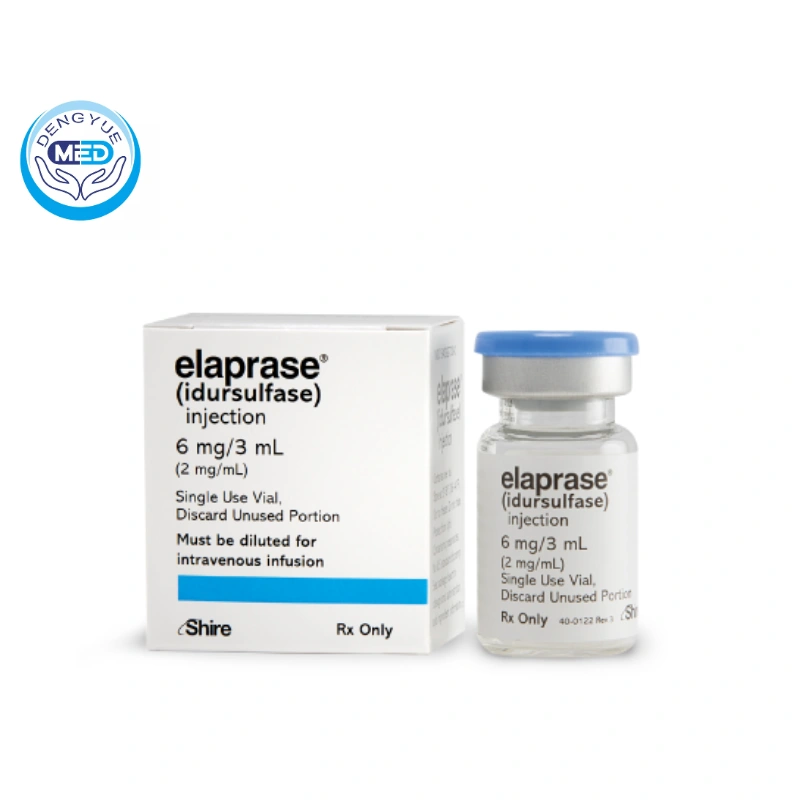
Elaprase Idursulfase | Mucopolysaccharidosis Type II | DengYueMedicine
-
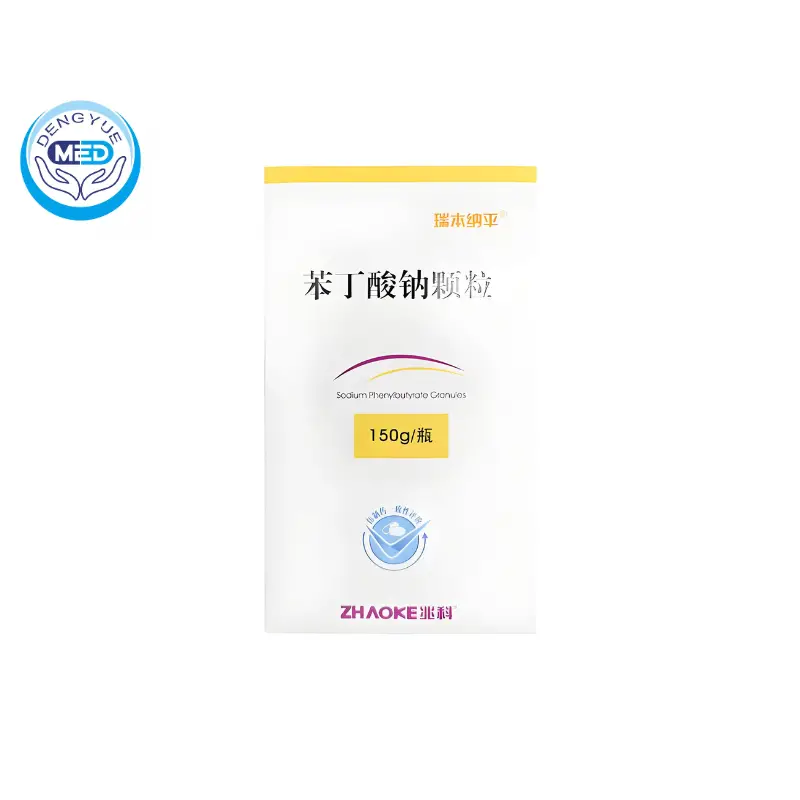
Sodium Phenylbutyrate Granules | Urea Cycle Disorders
-
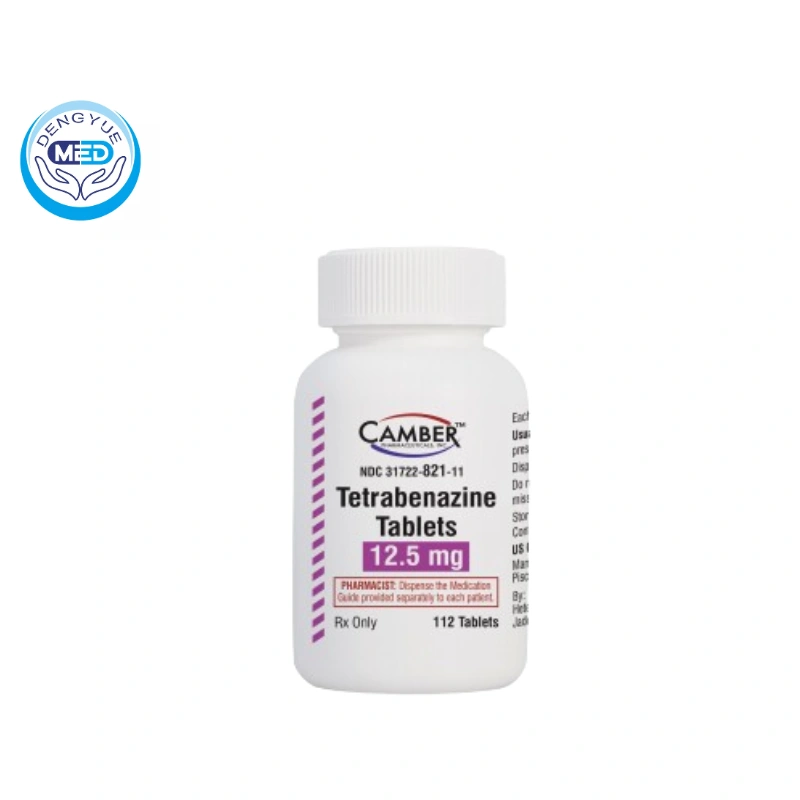
Tetrabenazine Tablets | Huntington’s Disease | DengYueMedicine
-
Myozyme(Alglucosidase Alfa )- Pompe Disease
-
Recombinant Human Somatropin | Growth Hormone Deficiency | DengYueMedicine
-
Prednisone Acetate Tablets|Immune Inflammatory Diseases
-

Proglycem Diazoxide | Hyperinsulinemic Hypoglycemia | DengYueMedicine
-
Carbaglu Carglumic Acid | Urea Cycle Disorders | HK DengYueMedicine
.webp "Myozyme(Alglucosidase Alfa )- Pompe Disease")
Reviews
There are no reviews yet.